<?xml version="1.0"?>
<News hasArchived="false" page="1" pageCount="1" pageSize="10" timestamp="Sun, 26 Apr 2026 08:33:20 -0400" url="https://beta.my.umbc.edu/groups/themosaic/posts.xml?tag=csjignite">
<NewsItem contentIssues="true" id="79874" important="true" status="posted" url="https://beta.my.umbc.edu/groups/themosaic/posts/79874">
<Title>Yet Another Separated Child</Title>
<Tagline>Check out what Karina has to say about immigrant children</Tagline>
<Body>
<![CDATA[
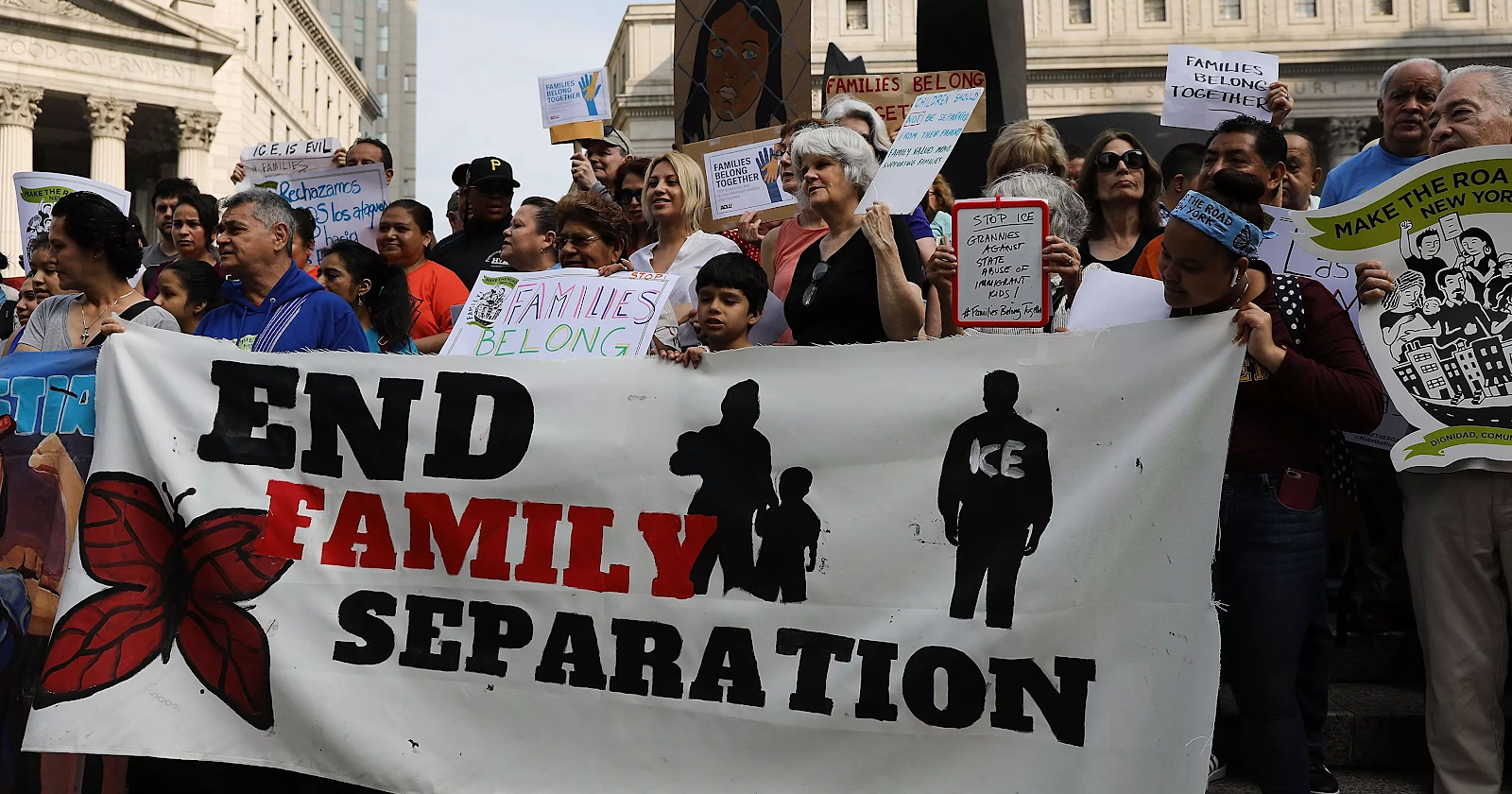
    <div class="html-content"><span><p><span><em>Written By Karina Aquiahuatl Villagran, Mosaic Intern for Hispanic, Latinx and Indigenous Student Engagement in Campus Life</em></span></p><p><span><strong><em>91 days have passed since July 26, 2018. </em></strong></span></p><p><span>That was the deadline set by Judge Dana Sabraw to reunite forcibly separated families who came mostly from Central America, seeking asylum in the US. per Judge Sabraw’s </span><a href="https://www.aclu.org/legal-document/ms-l-v-ice-joint-status-report-2" rel="nofollow external" class="bo"><span>orders</span></a><span>, children younger than five had to be reunited with their parents within 14 days and the rest of children within 30 days. As of late August 2018, </span><a href="https://www.aclu.org/legal-document/ms-l-v-ice-joint-status-report-2" rel="nofollow external" class="bo"><span>565</span></a><span> children still remain under the custody of the Office of Refugee Resettlement (ORR). The </span><a href="https://www.acf.hhs.gov/orr/programs/ucs" rel="nofollow external" class="bo"><span>ORR</span></a><span> is a branch of the U.S. Department of Health and Human Services, charged with caring for unaccompanied immigrant children. Less than a quarter of the 565 children are not reunited with their parents due to safety concerns. For more than half of these children, reunification looks slim, as their parents were very likely </span><a href="https://www.aclu.org/blog/immigrants-rights/immigrants-rights-and-detention/more-500-children-are-still-separated-heres" rel="nofollow external" class="bo"><span>tricked to undergo deportation</span></a><span> to their home countries where dangerous conditions limit communication. </span></p><p><span>Let us keep in mind that 91 is </span><span><em>exclusive</em></span><span> of the days from October 2017 to June 27th, 2018—the </span><a href="https://americasvoice.org/blog/family-separation-timeline/" rel="nofollow external" class="bo"><span>time period</span></a><span> in which more than </span><span><strong>2,000 children </strong></span><span>were torn away from their parents. 2,000 screams </span><span><em>humanitarian crisis</em></span><span>, but just </span><span><em>one</em></span><span>is just as cruel. Thinking about the trauma that these children and their parents likely face today due to their experiences at home, on their way here, and in the US is heart-wrenching. The common journey </span><a href="https://www.pbs.org/newshour/show/migrants-risk-the-dangerous-trip-to-the-u-s-because-its-safer-than-staying-home" rel="nofollow external" class="bo"><span>from Central America</span></a><span> to the US is unspeakably distressing for all those courageous enough to start their lives over for better opportunities. People see and experience things that should never be done to a human being. These trauma-inducing experiences did not stop for the 2,000 children who came with their parents, and they certainly continued in the States through this separation.</span></p><p><span><strong>If you can, try to imagine the impact that the separation of a family has on a parent. And a child? A family? A community?  What does it say about us as a society, that family separation still happens without serious repercussions? Where is the justice for the parents who are likely crying at this very moment over their children who are living with strangers and not them?</strong></span></p><p><span><img src="https://lh4.googleusercontent.com/jX2ani0p4EGz-92-rLtEsya5Z-g1KsUVNbJpaYVJ9K6AGvsRevs-rKznQMeb_2BWkeRGQjaa_UhxSKjkXpJ4xtqcUqgPEHvLnUwlOL-BGcQ76noYNjftPp24JBJMqwBwuVnzObZg" width="602" height="316" style="max-width: 100%; height: auto;"></span></p><p><span><span><span><em>(Spencer Platt, Getty Images, 2018)</em></span></span></span></p><p><span>Unfortunately, family separation is nothing new to the United States. This is an issue that has affected several different ethnic and racial groups in our society. Historically, the United States has separated countless children in the era of </span><a href="http://www.pbs.org/wnet/african-americans-many-rivers-to-cross/history/what-was-the-2nd-middle-passage/" rel="nofollow external" class="bo"><span>slavery and Jim Crow</span></a><span>, </span><a href="https://www.pbs.org/childofcamp/history/" rel="nofollow external" class="bo"><span>Japanese internment camps</span></a><span>, and boarding schools for </span><a href="https://www.jstor.org/stable/41702285?seq=2#metadata_info_tab_contents" rel="nofollow external" class="bo"><span>Mexican</span></a><span> and </span><a href="https://www.history.com/news/government-boarding-schools-separated-native-american-children-families" rel="nofollow external" class="bo"><span>Indigenous/Native American</span></a><span> children.</span></p><p><span>On my journey across the border with my then 12-year-old relative, I did not meet trauma. In fact, my relative demanded I wait for the trip to Maryland in a safer underground house. I was away from the men with whom he stayed where the chances of witnessing or experiencing human violations were high. I do not know trauma, and I wish these children didn't either.. However, I am well acquainted with the </span><span>fears</span><span> of family separation through the instability of DACA. Just the thought of family separation is haunting, so much so that I wake up with tears rolling down my face from nightmares about it. I cannot imagine what it must feel like for those who have been separated.</span></p><p><span>I sincerely hope that these children under ORR custody can lead lives with stability, forgiveness, resilience, and kindness despite the wrongs that they have experienced.</span></p></span></div>
]]>
</Body>
<Summary>Written By Karina Aquiahuatl Villagran, Mosaic Intern for Hispanic, Latinx and Indigenous Student Engagement in Campus Life  91 days have passed since July 26, 2018.   That was the deadline set by...</Summary>
<TrackingUrl>https://beta.my.umbc.edu/api/v0/pixel/news/79874/guest@my.umbc.edu/474fbf112558f18ea116db5222e069f4/api/pixel</TrackingUrl>
<Tag>campuslife</Tag>
<Tag>csj</Tag>
<Tag>csjignite</Tag>
<Tag>diversityandinclusion</Tag>
<Tag>hispanic</Tag>
<Tag>latinx</Tag>
<Tag>umbcmosaic</Tag>
<Group token="themosaic">The Mosaic: Center for Cultural Diversity </Group>
<GroupUrl>https://beta.my.umbc.edu/groups/themosaic</GroupUrl>
<AvatarUrl>https://assets3-beta.my.umbc.edu/system/shared/avatars/groups/000/000/079/8da8369525d899e6fa49decd5a80b73f/xsmall.png?1755890395</AvatarUrl>
<AvatarUrl size="original">https://assets2-beta.my.umbc.edu/system/shared/avatars/groups/000/000/079/8da8369525d899e6fa49decd5a80b73f/original.png?1755890395</AvatarUrl>
<AvatarUrl size="xxlarge">https://assets3-beta.my.umbc.edu/system/shared/avatars/groups/000/000/079/8da8369525d899e6fa49decd5a80b73f/xxlarge.png?1755890395</AvatarUrl>
<AvatarUrl size="xlarge">https://assets2-beta.my.umbc.edu/system/shared/avatars/groups/000/000/079/8da8369525d899e6fa49decd5a80b73f/xlarge.png?1755890395</AvatarUrl>
<AvatarUrl size="large">https://assets3-beta.my.umbc.edu/system/shared/avatars/groups/000/000/079/8da8369525d899e6fa49decd5a80b73f/large.png?1755890395</AvatarUrl>
<AvatarUrl size="medium">https://assets4-beta.my.umbc.edu/system/shared/avatars/groups/000/000/079/8da8369525d899e6fa49decd5a80b73f/medium.png?1755890395</AvatarUrl>
<AvatarUrl size="small">https://assets1-beta.my.umbc.edu/system/shared/avatars/groups/000/000/079/8da8369525d899e6fa49decd5a80b73f/small.png?1755890395</AvatarUrl>
<AvatarUrl size="xsmall">https://assets3-beta.my.umbc.edu/system/shared/avatars/groups/000/000/079/8da8369525d899e6fa49decd5a80b73f/xsmall.png?1755890395</AvatarUrl>
<AvatarUrl size="xxsmall">https://assets1-beta.my.umbc.edu/system/shared/avatars/groups/000/000/079/8da8369525d899e6fa49decd5a80b73f/xxsmall.png?1755890395</AvatarUrl>
<Sponsor>Campus Life's Mosaic, Interfaith Cntr &amp; Queer Student Lounge</Sponsor>
<ThumbnailUrl size="xxlarge">https://assets2-beta.my.umbc.edu/system/shared/thumbnails/news/000/079/874/c11d395593428f094fcb4b279f1ef839/xxlarge.jpg?1540820853</ThumbnailUrl>
<ThumbnailUrl size="xlarge">https://assets3-beta.my.umbc.edu/system/shared/thumbnails/news/000/079/874/c11d395593428f094fcb4b279f1ef839/xlarge.jpg?1540820853</ThumbnailUrl>
<ThumbnailUrl size="large">https://assets4-beta.my.umbc.edu/system/shared/thumbnails/news/000/079/874/c11d395593428f094fcb4b279f1ef839/large.jpg?1540820853</ThumbnailUrl>
<ThumbnailUrl size="medium">https://assets1-beta.my.umbc.edu/system/shared/thumbnails/news/000/079/874/c11d395593428f094fcb4b279f1ef839/medium.jpg?1540820853</ThumbnailUrl>
<ThumbnailUrl size="small">https://assets2-beta.my.umbc.edu/system/shared/thumbnails/news/000/079/874/c11d395593428f094fcb4b279f1ef839/small.jpg?1540820853</ThumbnailUrl>
<ThumbnailUrl size="xsmall">https://assets1-beta.my.umbc.edu/system/shared/thumbnails/news/000/079/874/c11d395593428f094fcb4b279f1ef839/xsmall.jpg?1540820853</ThumbnailUrl>
<ThumbnailUrl size="xxsmall">https://assets4-beta.my.umbc.edu/system/shared/thumbnails/news/000/079/874/c11d395593428f094fcb4b279f1ef839/xxsmall.jpg?1540820853</ThumbnailUrl>
<PawCount>13</PawCount>
<CommentCount>0</CommentCount>
<CommentsAllowed>false</CommentsAllowed>
<PostedAt>Mon, 29 Oct 2018 09:52:38 -0400</PostedAt>
<EditAt>Mon, 29 Oct 2018 09:54:05 -0400</EditAt>
</NewsItem>

<NewsItem contentIssues="true" id="79852" important="true" status="posted" url="https://beta.my.umbc.edu/groups/themosaic/posts/79852">
<Title>Disembarking the "Oriental Express"</Title>
<Tagline>Check out what Mark has to say about the AAPI Experience</Tagline>
<Body>
<![CDATA[
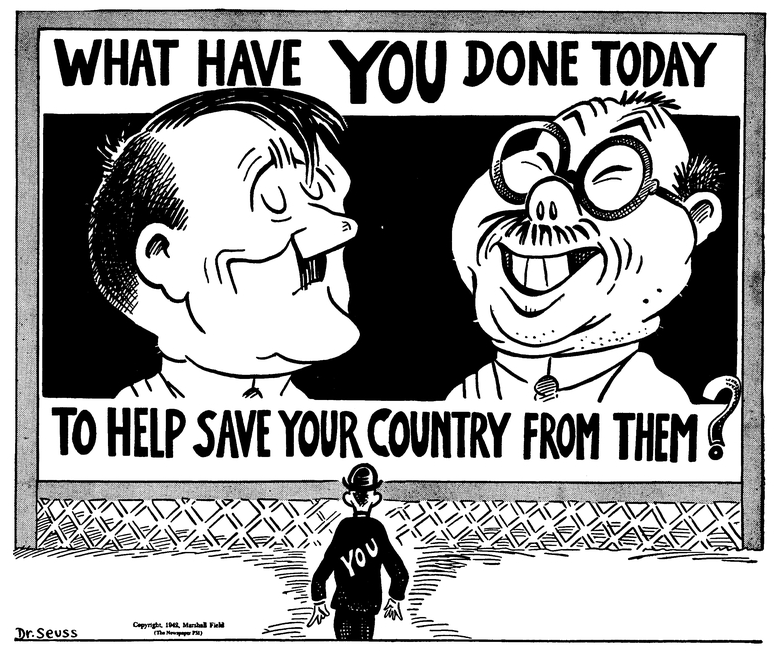
    <div class="html-content"><span><p><span><em>Written By Mark Gabriana, Mosaic Intern for East Asian and Pacific Islander Student Engagement in Campus Life</em></span></p><p><span>Many times in the past, I have referred to myself as someone “from the Orient”, or as an “Oriental”. Before attending university, it didn’t make me feel like I was being insensitive or calling myself a slur, this however has changed. The only reason I started becoming sensitive to the word “Orient” is because other people in college would tell me that it is culturally insensitive, which I found to be perplexing at the time. On top of that, people who made me aware of this term were typically not part of the Asian-American and Pacific Islander (AAPI) community. Many of my AAPI friends have run into the same situation, in which they refer to themselves as Oriental. People outside the community have lectured us about not using the word.</span></p><p><span>While some AAPI community members today don’t see any harm in the usage of the word, its history is closely tied to racist campaigns against AAPI-identifying groups. The word “orient” originates from the Latin word for East, but the phrase “the Orient” is a Eurocentric term that refers to everything to the east of Europe. This doesn’t just mean East Asia and the Pacific Islands, but it also encompasses parts of the Middle East and South Asia, which are geographically and culturally different than East Asia or the Pacific Islands. The creation of the word was an erasure of the cultural diversity existing within East Asia, the Pacific Islands and Asia as a whole. </span></p><p><span>Historically, Americans launched multiple campaigns against East Asians, using the term “Oriental” as a discriminatory racial slur. First targeting the Chinese: the mass immigration of Chinese workers came during the late 19th century, who stirred anger and resentment from Americans. </span><span>The Chinese Exclusion Act</span><span>, which lasted from 1882 until 1943, prohibited any Chinese immigrant from entering the country. The attitude that led to the Chinese Exclusion Act was quite similar to some contemporary views of immigrants, because Chinese immigrants were accused of taking away American jobs, and were even </span><a href="https://poseidon01.ssrn.com/delivery.php?ID=577095118088029087075095093079110099035036062037000048094078106117119084081123096086045012028058107057125108117007108006070122086075054016125009119123126094108014045044119126011013001072110004103000112080067094029081084127077017120116076112127066&amp;EXT=pdf" rel="nofollow external" class="bo"><span>prohibited from marrying white women</span></a><span>. This law was eventually lifted in 1943 only because the American government was allied with the Chinese fighting the war against the Japanese.</span></p><p><img src="http://cdn8.openculture.com/wp-content/uploads/2014/08/seuss-japan-1.png" alt="Image result for the term oriental cartoon" style="max-width: 100%; height: auto;"></p><p>(<a href="http://www.openculture.com/2014/08/dr-seuss-draws-racist-anti-japanese-cartoons-during-ww-ii.html" rel="nofollow external" class="bo">Anti-AAPI Propaganda, Dr. Seuss</a>)</p><p><span>This focus of racism against the Chinese soon took a backseat in 1941 — </span><span>the Chinese were not being called “Oriental” anymore</span><span>. After the Japanese attack on Pearl Harbor, the term “Japs” was a common derogatory manner to refer to the Japanese people. </span><span>In addition, the term “Oriental” shifted to refer to Japanese people after the Japanese Pearl Harbor attack. </span><span>Simultaneously, the Chinese were being viewed as America’s Asian ally because of their assistance in the Japanese war. Looking at this shift, we can see that the term “Oriental” was not being used to refer to Pan-Asian identity— but rather as a form to degrade AAPI identity and nationalities within the AAPI community.</span></p><p><span>Now, the language has changed: “Oriental” stopped being used as a racist remark because the US is no longer actively targeting Chinese or Japanese populations. As the years passed, its negative implications were felt less, to the point where members of the AAPI community may have forgotten its origins along with AAPI history. For example, most people don’t think on a national scale about Pearl Harbor on December 7, the Korean War is also referred to as the Forgotten War—even though in both cases, many American lives were lost. </span><span>Similarly, for the word “Oriental” the past has been forgotten and disregarded, only recognized as officially insensitive in U.S but not understanding the context of why it is offensive. </span><span>It took the federal government until 2016, over 100 years after the word was used as a racist term, to be removed from all legal documents. Although the word has been mostly desensitized, it is important that we don’t forget where it came from, and start to remember the members of the AAPI community who were targeted in the past. Their history is integral to our AAPI community and our identity as a community today.</span></p><p><span>Resources</span></p><p><span>If you would like to learn more about the origins of the term "Oriental", there is a great video that talks it </span><a href="https://www.youtube.com/watch?v=1ZJUgv_3IMk" rel="nofollow external" class="bo"><span>here</span></a><span>. </span></p><div><span><br></span></div></span></div>
]]>
</Body>
<Summary>Written By Mark Gabriana, Mosaic Intern for East Asian and Pacific Islander Student Engagement in Campus Life  Many times in the past, I have referred to myself as someone “from the Orient”, or as...</Summary>
<TrackingUrl>https://beta.my.umbc.edu/api/v0/pixel/news/79852/guest@my.umbc.edu/02ed5d6e64d3edba4e5cde92a6537b4f/api/pixel</TrackingUrl>
<Tag>campuslife</Tag>
<Tag>csjignite</Tag>
<Tag>diversityandinclusion</Tag>
<Tag>mosaic</Tag>
<Tag>umbcmosaic</Tag>
<Group token="themosaic">The Mosaic: Center for Cultural Diversity </Group>
<GroupUrl>https://beta.my.umbc.edu/groups/themosaic</GroupUrl>
<AvatarUrl>https://assets3-beta.my.umbc.edu/system/shared/avatars/groups/000/000/079/8da8369525d899e6fa49decd5a80b73f/xsmall.png?1755890395</AvatarUrl>
<AvatarUrl size="original">https://assets2-beta.my.umbc.edu/system/shared/avatars/groups/000/000/079/8da8369525d899e6fa49decd5a80b73f/original.png?1755890395</AvatarUrl>
<AvatarUrl size="xxlarge">https://assets3-beta.my.umbc.edu/system/shared/avatars/groups/000/000/079/8da8369525d899e6fa49decd5a80b73f/xxlarge.png?1755890395</AvatarUrl>
<AvatarUrl size="xlarge">https://assets2-beta.my.umbc.edu/system/shared/avatars/groups/000/000/079/8da8369525d899e6fa49decd5a80b73f/xlarge.png?1755890395</AvatarUrl>
<AvatarUrl size="large">https://assets3-beta.my.umbc.edu/system/shared/avatars/groups/000/000/079/8da8369525d899e6fa49decd5a80b73f/large.png?1755890395</AvatarUrl>
<AvatarUrl size="medium">https://assets4-beta.my.umbc.edu/system/shared/avatars/groups/000/000/079/8da8369525d899e6fa49decd5a80b73f/medium.png?1755890395</AvatarUrl>
<AvatarUrl size="small">https://assets1-beta.my.umbc.edu/system/shared/avatars/groups/000/000/079/8da8369525d899e6fa49decd5a80b73f/small.png?1755890395</AvatarUrl>
<AvatarUrl size="xsmall">https://assets3-beta.my.umbc.edu/system/shared/avatars/groups/000/000/079/8da8369525d899e6fa49decd5a80b73f/xsmall.png?1755890395</AvatarUrl>
<AvatarUrl size="xxsmall">https://assets1-beta.my.umbc.edu/system/shared/avatars/groups/000/000/079/8da8369525d899e6fa49decd5a80b73f/xxsmall.png?1755890395</AvatarUrl>
<Sponsor>Campus Life's Mosaic, Interfaith Cntr &amp; Queer Student Lounge</Sponsor>
<ThumbnailUrl size="xxlarge">https://assets3-beta.my.umbc.edu/system/shared/thumbnails/news/000/079/852/78bdfa83009fb79fce8a73303b724ee2/xxlarge.jpg?1540584717</ThumbnailUrl>
<ThumbnailUrl size="xlarge">https://assets2-beta.my.umbc.edu/system/shared/thumbnails/news/000/079/852/78bdfa83009fb79fce8a73303b724ee2/xlarge.jpg?1540584717</ThumbnailUrl>
<ThumbnailUrl size="large">https://assets3-beta.my.umbc.edu/system/shared/thumbnails/news/000/079/852/78bdfa83009fb79fce8a73303b724ee2/large.jpg?1540584717</ThumbnailUrl>
<ThumbnailUrl size="medium">https://assets4-beta.my.umbc.edu/system/shared/thumbnails/news/000/079/852/78bdfa83009fb79fce8a73303b724ee2/medium.jpg?1540584717</ThumbnailUrl>
<ThumbnailUrl size="small">https://assets1-beta.my.umbc.edu/system/shared/thumbnails/news/000/079/852/78bdfa83009fb79fce8a73303b724ee2/small.jpg?1540584717</ThumbnailUrl>
<ThumbnailUrl size="xsmall">https://assets3-beta.my.umbc.edu/system/shared/thumbnails/news/000/079/852/78bdfa83009fb79fce8a73303b724ee2/xsmall.jpg?1540584717</ThumbnailUrl>
<ThumbnailUrl size="xxsmall">https://assets2-beta.my.umbc.edu/system/shared/thumbnails/news/000/079/852/78bdfa83009fb79fce8a73303b724ee2/xxsmall.jpg?1540584717</ThumbnailUrl>
<PawCount>15</PawCount>
<CommentCount>0</CommentCount>
<CommentsAllowed>false</CommentsAllowed>
<PostedAt>Fri, 26 Oct 2018 16:31:19 -0400</PostedAt>
</NewsItem>

<NewsItem contentIssues="true" id="79842" important="true" status="posted" url="https://beta.my.umbc.edu/groups/themosaic/posts/79842">
<Title>Barriers to Justice: Gender-Based Violence and Immigrants</Title>
<Tagline>Check out what Emily has to say about the immigrant experien</Tagline>
<Body>
<![CDATA[
    <div class="html-content"><span><p><span><em>Written By Emily Melluso Graduate Assistant for the Office of the Vice-President for Student Affairs</em></span></p><p><strong><br></strong></p><p><span><strong>Content Warning: Includes cases of graphic sexual assault. Unless otherwise noted, all definitions and statistics referenced in this article are sourced from the Tahirih Justice Center website.</strong></span></p><p><strong><br></strong></p><p><span>As we move through the final stretch of this year’s Critical Social Justice week, we have explored several barriers that immigrants experience in the United States.  We have learned about the ignition of courage within individuals, how this light connects them together, and can bring them into spaces of safety, community, and recovery. Since October is domestic violence awareness month (read more </span><a href="https://www.awarenessdays.com/us/awareness-days-calendar/domestic-violence-awareness-month-2018/" rel="nofollow external" class="bo"><span>here</span></a><span>) and during CSJ there are events centered on the experiences of undocumented immigrants, I think it is important to see how these two topics interact . </span><span>First, what is domestic violence?</span><span>“</span><span><strong><em>Domestic violence</em></strong></span><span><em>is a pattern of abusive behavior in a relationship that is used by one partner to gain or maintain power and control. Domestic violence may include physical and sexual violence, threats and intimidation, emotional abuse, and economic deprivation</em></span><span>” (Tahirih Justice Center, 2018). </span><span>As part of our learning journey with critical social justice is the discovery that there are always dark lived events and experiences but it is important to note that justice, safety and recovery are not equally accessible to everyone individually.</span></p><p><strong><br></strong></p><p><span>For some, they must travel a very and strenuous trek to find a safe place for both them and their loved ones. Some must go through injury, harm, and danger before they can access healing. I would like to share just a single narrative of those dark places in our global society.</span><span>I would like to once again warn you of the graphic sexual content of this post. </span></p><p><img src="https://www.houstonimmigration.org/wp-content/uploads/2015/09/memberlogo_Tahirih.png" alt="Image result for tahirih center" style="max-width: 100%; height: auto;"></p><p><span>The following is a true story of a woman who experienced intimate partner violence. Norma’s story is an </span><a href="https://www.tahirih.org/who-we-serve/success-stories/" rel="nofollow external" class="bo"><span>excerpt</span></a><span> from Tahirih Justice Center, a non-profit that supports immigrants fleeing violence from their countries of origin. </span></p><p><strong><br></strong></p><p><span>Norma was only 15 years old when she was abducted, raped, and forced into marriage by a violent older man who threatened to kill her family if she refused. At 20 years old, while pregnant with their child, Norma was hospitalized after a particularly brutal beating; the baby barely survived. Norma’s father convinced her to go into hiding and hired a private attorney to file for divorce, in secret, on her behalf. They knew it was only a matter of time before her ex-husband found out. Fearing for her life, Norma fled to California.</span></p><p><strong><br></strong></p><p><span>Now free from her ex-husband, Norma began a life in the United States, as an undocumented immigrant. Years later, she fell in love with John*, a U.S. citizen who was initially was smart, fun-loving, and handsome. After living together as a family for three happy years, John began drinking heavily and staying out all night. Norma was stunned and heartbroken when he admitted to cheating on her. John begged for Norma’s forgiveness and swore he would change.</span></p><p><strong><br></strong></p><p><span>With promises of a business they could own together, a bigger house, better schools for the children, and a renewed sense of commitment, John convinced Norma to move to Houston. They bought a house with their shared savings, and John finally proposed marriage. It didn’t take long after getting married for John to start drinking again. This time, it worsened. John started beating and raping Norma. As a method of control and humiliation, he would lock Norma outside or force her to sleep on the floor of the home they owned together. He became increasingly emotionally abusive, blaming Norma’s performance as a wife and a mother for the physical and emotional pain he inflicted.</span></p><p><strong><br></strong></p><p><span>When she finally built up the courage to leave, John used Norma and her children’s undocumented status to exploit, intimidate, and threaten her. He promised to have them deported if they called the police, and he destroyed Norma’s personal documents to prevent her from filing for immigration relief on her own. He removed her name from their shared bank accounts, canceled her credit card, and eventually forged her signature on a document transferring full ownership of their house to his name. John showed Norma that he could take everything from her, and made her fear reaching out for help as much as she feared him. Norma’s voice got smaller and smaller.</span></p><p><strong><br></strong></p><p><span>Just when Norma started to give up, a member of her congregation noticed that she needed help, and offered her a place to stay for nothing in return. She connected Norma to a domestic violence support group at the Houston Area Women’s Center, where she was referred to Tahirih. Norma’s neighbor lifted her up, community resources connected her to a path forward, and Tahirih helped her access protection under U.S. law.</span></p><p><strong><br></strong></p><p><span>Her own perseverance and the support of her community helped Norma find her voice again, stronger than ever. Now, Norma gives back to her community by joining the fight to end violence against women. She tells her story to domestic violence survivors, church groups, radio shows, and in women’s prisons as evidence that fear can be overcome, survivors are never alone, and there is always a path forward.</span></p><p><strong><br></strong></p><p><span>While domestic violence is a national epidemic in the United States, immigrant women and girls are disproportionately impacted. There are many factors which make this population especially vulnerable, including reliance on abusers for legal immigration status or limited knowledge of the English language. Immigrant women and girls in the United States are almost twice as likely to experience domestic violence than the general population. For undocumented women and children in the United States, their histories with domestic violence are often two-fold. Many come to the United States seeking refuge, asylum or protection from relationship or gender-based violence at home including forced marriage, female genital mutilation/cutting, honor crimes, human trafficking, rape, torture, and domestic violence. For immigrant women and girls, their struggle for humane treatment may not end with arriving in the United States. </span><span>One in three </span><span>women around the world will be raped, coerced into sex or otherwise abused in her lifetime (Tahirih Justice Center, 2018). These same women and girls are also less likely to leave their abusers due to fear of immigration consequences, such as being deported and separated from their children or families.</span></p><p><strong><br></strong></p><p><span>WHAT IS TAHIRIH?</span></p><p><span>The Tahirih Justice Center is the only multi-city, national organization that provides direct service and policy advocacy for women and girls seeking support, visas, asylum and other forms of protection from gender-based violence. Tahirih has five locations in the U.S. including the Baltimore location which opened in 2010. Tahirih’s numbers in 2017 include 502 Baltimore clients and their family members protected through free legal services; 171 Baltimore clients and their family members connected to vital social services; and 1,764 community members and frontline professionals trained. For more information about the types of legal protections available, visit </span><a href="https://www.tahirih.org/what-we-do/direct-services/legal-services/" rel="nofollow external" class="bo"><span>https://www.tahirih.org/what-we-do/direct-services/legal-services/</span></a><span>. For more information about the reaction of Tahirih to Attorney General Jeff Sessions’ revoking of asylum protection for victims of gender-based violence, visit </span><a href="https://www.tahirih.org/news/breaking-news-asylum-protections-revoked/" rel="nofollow external" class="bo"><span>https://www.tahirih.org/news/breaking-news-asylum-protections-revoked/</span></a><span>. </span></p><p><strong><br></strong></p><p><span>HOW TO GIVE HELP</span></p><p><span>Please consider donating to the </span><a href="https://www.classy.org/team/194641" rel="nofollow external" class="bo"><span>UMBC fundraising page</span></a><span> to reach our goal of $1,000 to support the efforts of our local Tahirih Justice Center as they fight for the protection of women and girls under the law. </span></p><p><strong><br></strong></p><p><span>HOW TO GET HELP</span></p><p><span>If you are an immigrant woman or girl who needs help, or know someone who needs help, please visit </span><a href="https://www.tahirih.org/locations/baltimore/baltimore-programs/" rel="nofollow external" class="bo"><span>https://www.tahirih.org/locations/baltimore/baltimore-programs/</span></a><span>.</span></p><p><span>Programs and services offered in Baltimore include free legal services and social services, training and education, trafficking prevention, and poverty alleviation and family stabilization programming, including life skills workshops and a medical debt forgiveness project.</span></p><p><br></p></span></div>
]]>
</Body>
<Summary>Written By Emily Melluso Graduate Assistant for the Office of the Vice-President for Student Affairs     Content Warning: Includes cases of graphic sexual assault. Unless otherwise noted, all...</Summary>
<TrackingUrl>https://beta.my.umbc.edu/api/v0/pixel/news/79842/guest@my.umbc.edu/5555cfe9883af044de302671e78ab1a6/api/pixel</TrackingUrl>
<Tag>csj</Tag>
<Tag>csjignite</Tag>
<Tag>diversityandinclusion</Tag>
<Tag>mosaic</Tag>
<Tag>umbcmosaic</Tag>
<Tag>womenscenter</Tag>
<Group token="themosaic">The Mosaic: Center for Cultural Diversity </Group>
<GroupUrl>https://beta.my.umbc.edu/groups/themosaic</GroupUrl>
<AvatarUrl>https://assets3-beta.my.umbc.edu/system/shared/avatars/groups/000/000/079/8da8369525d899e6fa49decd5a80b73f/xsmall.png?1755890395</AvatarUrl>
<AvatarUrl size="original">https://assets2-beta.my.umbc.edu/system/shared/avatars/groups/000/000/079/8da8369525d899e6fa49decd5a80b73f/original.png?1755890395</AvatarUrl>
<AvatarUrl size="xxlarge">https://assets3-beta.my.umbc.edu/system/shared/avatars/groups/000/000/079/8da8369525d899e6fa49decd5a80b73f/xxlarge.png?1755890395</AvatarUrl>
<AvatarUrl size="xlarge">https://assets2-beta.my.umbc.edu/system/shared/avatars/groups/000/000/079/8da8369525d899e6fa49decd5a80b73f/xlarge.png?1755890395</AvatarUrl>
<AvatarUrl size="large">https://assets3-beta.my.umbc.edu/system/shared/avatars/groups/000/000/079/8da8369525d899e6fa49decd5a80b73f/large.png?1755890395</AvatarUrl>
<AvatarUrl size="medium">https://assets4-beta.my.umbc.edu/system/shared/avatars/groups/000/000/079/8da8369525d899e6fa49decd5a80b73f/medium.png?1755890395</AvatarUrl>
<AvatarUrl size="small">https://assets1-beta.my.umbc.edu/system/shared/avatars/groups/000/000/079/8da8369525d899e6fa49decd5a80b73f/small.png?1755890395</AvatarUrl>
<AvatarUrl size="xsmall">https://assets3-beta.my.umbc.edu/system/shared/avatars/groups/000/000/079/8da8369525d899e6fa49decd5a80b73f/xsmall.png?1755890395</AvatarUrl>
<AvatarUrl size="xxsmall">https://assets1-beta.my.umbc.edu/system/shared/avatars/groups/000/000/079/8da8369525d899e6fa49decd5a80b73f/xxsmall.png?1755890395</AvatarUrl>
<Sponsor>Campus Life's Mosaic, Interfaith Cntr &amp; Queer Student Lounge</Sponsor>
<ThumbnailUrl size="xxlarge">https://assets2-beta.my.umbc.edu/system/shared/thumbnails/news/000/079/842/16cc44cd8988e0bf8db384192210c37c/xxlarge.jpg?1540567931</ThumbnailUrl>
<ThumbnailUrl size="xlarge">https://assets1-beta.my.umbc.edu/system/shared/thumbnails/news/000/079/842/16cc44cd8988e0bf8db384192210c37c/xlarge.jpg?1540567931</ThumbnailUrl>
<ThumbnailUrl size="large">https://assets3-beta.my.umbc.edu/system/shared/thumbnails/news/000/079/842/16cc44cd8988e0bf8db384192210c37c/large.jpg?1540567931</ThumbnailUrl>
<ThumbnailUrl size="medium">https://assets2-beta.my.umbc.edu/system/shared/thumbnails/news/000/079/842/16cc44cd8988e0bf8db384192210c37c/medium.jpg?1540567931</ThumbnailUrl>
<ThumbnailUrl size="small">https://assets3-beta.my.umbc.edu/system/shared/thumbnails/news/000/079/842/16cc44cd8988e0bf8db384192210c37c/small.jpg?1540567931</ThumbnailUrl>
<ThumbnailUrl size="xsmall">https://assets3-beta.my.umbc.edu/system/shared/thumbnails/news/000/079/842/16cc44cd8988e0bf8db384192210c37c/xsmall.jpg?1540567931</ThumbnailUrl>
<ThumbnailUrl size="xxsmall">https://assets1-beta.my.umbc.edu/system/shared/thumbnails/news/000/079/842/16cc44cd8988e0bf8db384192210c37c/xxsmall.jpg?1540567931</ThumbnailUrl>
<PawCount>10</PawCount>
<CommentCount>0</CommentCount>
<CommentsAllowed>false</CommentsAllowed>
<PostedAt>Fri, 26 Oct 2018 11:39:21 -0400</PostedAt>
</NewsItem>

<NewsItem contentIssues="true" id="79746" important="true" status="posted" url="https://beta.my.umbc.edu/groups/themosaic/posts/79746">
<Title>12 Privileges of Being a US-born, Naturalized Citizen</Title>
<Tagline>Check out what Becca has to say about her lived experiences</Tagline>
<Body>
<![CDATA[
    <div class="html-content"><span><p><span>Written by Becca Mann, Mosaic Intern for Student Gender Equity, Social Justice and Inclusion in Campus Life.</span></p><p><span>There is no denying that U.S.-born citizens hold privileges over immigrants, no matter their status (e.g., undocumented, visa recipient, permanent resident). My parents and I were all born in America. I recognize that there are many privileges that are granted to us because of this, and are withheld from those with a non-citizen status. Some of these privileges were things that took some time for me to learn about and the different experiences that immigrants may have encountered because they held a different status. Furthermore, I’ve grown to understand that these privileges excluding non-citizens are nothing personal to immigrants. Instead, they are part of something systemic that cause lack of access to necessary resources to many people living in the U.S. </span></p><p><span>Although not immigrant-related, this issue has made me think of the classic 1989 text, </span><a href="https://psychology.umbc.edu/files/2016/10/White-Privilege_McIntosh-1989.pdf" rel="nofollow external" class="bo"><span>Unpacking the Invisible Knapsack</span></a><span> by Peggy McIntosh. This piece creates the connection on how “Whiteness” grants “invisible” privileges to those who hold a White Identity. Although some of the items on the 26-point list may sound outdated, they resonate with how it has connected to my citizenship status. I would also like to be clear that I am also White. Now, there are definitely still privileges granted to those who are citizens regardless of race, but I want to take note of my racial identity because of how these two identities intersect.</span></p><p><span><img src="https://www.latimes.com/resizer/28CrYLZQmaZt3mm-8ddzbGuIrGo=/1400x0/arc-anglerfish-arc2-prod-tronc.s3.amazonaws.com/public/7NGTPYMU6NE4VNUYBUFSNASXKU.png" alt="Image result for us citizen privilege cartoon" style="max-width: 100%; height: auto;"></span></p><p><span>(<em>Picture taken from <a href="http://www.latimes.com/nation/la-ed-citizenship-part-1-20141005-story.html" rel="nofollow external" class="bo">Los Angeles Times, 2014</a></em>)</span></p><p><span>With this, I would like to provide </span><span>only</span><span> 12 of the many ways in which I benefit from my citizenship status (</span><span>note: </span><span>please keep in mind that the items on the list affect different immigrant groups in unique ways</span><span>):</span></p><ol><li><p><span>Although I still have to pay back my loans, </span><span>I qualify for Federal Financial Aid in my pursuit of a college degree</span><span> (</span><a href="https://studentaid.ed.gov/sa/eligibility/non-us-citizens#can-i-get-aid" rel="nofollow external" class="bo"><span>FASFA.gov</span></a><span>, 2018). I do not have to be concerned about my ability to stay in college is connected to my status.</span></p></li><li><p><span>In addition, </span><span>I can qualify for cash welfare, food stamps, medical assistance </span><span>if our family was ever financially struggling (</span><a href="http://dhr.maryland.gov/food-supplement-program/eligibility-rules/" rel="nofollow external" class="bo"><span>Maryland.gov</span></a><span>, 2018). I have a social security number, the prerequisite to access any of these.</span></p></li><li><p><span>I have the ability to travel anywhere and don't have to worry about not getting back in the country. </span><span>I can go through airport security and customs easily.</span></p></li><li><p><span>I feel comfortable filling out job applications</span><span> and don't have to worry about not being able to apply because of my status. Yes, you know that little box that asks, </span><span>“Can you legally work in this country</span><span>?</span><span>”</span><span> That’s because of the </span><a href="https://www.uscis.gov/tools/glossary/immigration-reform-and-control-act-1986-irca" rel="nofollow external" class="bo"><span>Immigration Reform and Control Act of 1986</span></a><span>.</span></p></li><li><p><span>I don't have to renew a United States work permit every two to three years </span><span>like some visa holders (</span><a href="https://www.uscis.gov/greencard/employment-authorization-document" rel="nofollow external" class="bo"><span>USCIS, 2018</span></a><span>). For that matter, this saves me the </span><a href="https://www.uscis.gov/i-765" rel="nofollow external" class="bo"><span>$495</span></a><span> for every time an immigrant has to renew it. I never have to worry about being sponsored by an employer in order for me to start working.</span></p></li><li><p><span>I don't have to keep tons of backups of identification on me at all times</span><span>. In other words, I can just carry my license and not have to also think about carrying a passport, birth certificate, green card and/or social security card. I know this may also be due to my Whiteness. I acknowledge this can be something that citizens of color may still experience.</span></p></li><li><p><span>I don't have to deal with the awkwardness of friends not knowing my status</span><span> or listen to mainstream media making derogatory comments on the citizenship statuses of me or my family.</span></p></li><li><p><span>I don't have to update my biometrics every year </span><span>by scheduling an appointment with the Application Support Center— including my personal information, fingerprinting, and pictures (</span><a href="https://www.uscis.gov/forms/forms-information/preparing-your-biometric-services-appointment" rel="nofollow external" class="bo"><span>USCIS, 2018</span></a><span>).</span></p></li><li><p><span>When I hear a knock on the door, I don't have to worry about it being ICE. </span><span>I don't have to worry about the fear of deportation </span><span>(or the deportation of my family members). If I plead guilty to a crime or if my status is discovered by the wrong people, I will not be removed for the United States to a potentially dangerous foreign environment.</span></p></li><li><p><span>I will never have to prove how American I am </span><span>and that I belong in this country, even though I speak the language and have a job/family here. Again, a little Whiteness may be at play here.</span></p></li><li><p><span>I’m not called "undesirable" or “unworthy” for living in the United States. </span><span>If I am discriminated against, I have the ability to practice my freedom of speech without the fear of deportation through a potential arrest.</span></p></li><li><p><span>I CAN VOTE!</span><span> Although not all citizens vote, I know that I am partially responsible for selecting the people in government who represent me and create policies that affect all of us.</span></p></li></ol><p><span>Want to get involved and connect with other immigrants/allies?</span></p><p><span>Join us for the events</span><a href="https://my3.my.umbc.edu/groups/riu/posts/79461" rel="nofollow external" class="bo"><span>I Stand With Immigrants Day of Action</span></a><span> and </span><a href="https://my3.my.umbc.edu/groups/themosaic/events/64849" rel="nofollow external" class="bo"><span>Igniting Consciousness Into the Undocumented Immigrant Experience</span></a><span> <strong>TODAY</strong> Wednesday, October 24th!</span></p><span>Also, check out </span><a href="https://my3.my.umbc.edu/groups/riu" rel="nofollow external" class="bo"><span>Retriever Immigrants United</span></a><span>, a brand new student organization!</span></span></div>
]]>
</Body>
<Summary>Written by Becca Mann, Mosaic Intern for Student Gender Equity, Social Justice and Inclusion in Campus Life.  There is no denying that U.S.-born citizens hold privileges over immigrants, no matter...</Summary>
<TrackingUrl>https://beta.my.umbc.edu/api/v0/pixel/news/79746/guest@my.umbc.edu/4f11e5abbdf89d37656114fbe20513fe/api/pixel</TrackingUrl>
<Tag>campuslife</Tag>
<Tag>csjignite</Tag>
<Tag>diversityandinclusion</Tag>
<Tag>mosaic</Tag>
<Tag>umbcmosaic</Tag>
<Group token="themosaic">The Mosaic: Center for Cultural Diversity </Group>
<GroupUrl>https://beta.my.umbc.edu/groups/themosaic</GroupUrl>
<AvatarUrl>https://assets3-beta.my.umbc.edu/system/shared/avatars/groups/000/000/079/8da8369525d899e6fa49decd5a80b73f/xsmall.png?1755890395</AvatarUrl>
<AvatarUrl size="original">https://assets2-beta.my.umbc.edu/system/shared/avatars/groups/000/000/079/8da8369525d899e6fa49decd5a80b73f/original.png?1755890395</AvatarUrl>
<AvatarUrl size="xxlarge">https://assets3-beta.my.umbc.edu/system/shared/avatars/groups/000/000/079/8da8369525d899e6fa49decd5a80b73f/xxlarge.png?1755890395</AvatarUrl>
<AvatarUrl size="xlarge">https://assets2-beta.my.umbc.edu/system/shared/avatars/groups/000/000/079/8da8369525d899e6fa49decd5a80b73f/xlarge.png?1755890395</AvatarUrl>
<AvatarUrl size="large">https://assets3-beta.my.umbc.edu/system/shared/avatars/groups/000/000/079/8da8369525d899e6fa49decd5a80b73f/large.png?1755890395</AvatarUrl>
<AvatarUrl size="medium">https://assets4-beta.my.umbc.edu/system/shared/avatars/groups/000/000/079/8da8369525d899e6fa49decd5a80b73f/medium.png?1755890395</AvatarUrl>
<AvatarUrl size="small">https://assets1-beta.my.umbc.edu/system/shared/avatars/groups/000/000/079/8da8369525d899e6fa49decd5a80b73f/small.png?1755890395</AvatarUrl>
<AvatarUrl size="xsmall">https://assets3-beta.my.umbc.edu/system/shared/avatars/groups/000/000/079/8da8369525d899e6fa49decd5a80b73f/xsmall.png?1755890395</AvatarUrl>
<AvatarUrl size="xxsmall">https://assets1-beta.my.umbc.edu/system/shared/avatars/groups/000/000/079/8da8369525d899e6fa49decd5a80b73f/xxsmall.png?1755890395</AvatarUrl>
<Sponsor>Campus Life's Mosaic, Interfaith Cntr &amp; Queer Student Lounge</Sponsor>
<ThumbnailUrl size="xxlarge">https://assets1-beta.my.umbc.edu/system/shared/thumbnails/news/000/079/746/7c66c7f5c171cc666cb159057a4b74eb/xxlarge.jpg?1540385714</ThumbnailUrl>
<ThumbnailUrl size="xlarge">https://assets1-beta.my.umbc.edu/system/shared/thumbnails/news/000/079/746/7c66c7f5c171cc666cb159057a4b74eb/xlarge.jpg?1540385714</ThumbnailUrl>
<ThumbnailUrl size="large">https://assets1-beta.my.umbc.edu/system/shared/thumbnails/news/000/079/746/7c66c7f5c171cc666cb159057a4b74eb/large.jpg?1540385714</ThumbnailUrl>
<ThumbnailUrl size="medium">https://assets1-beta.my.umbc.edu/system/shared/thumbnails/news/000/079/746/7c66c7f5c171cc666cb159057a4b74eb/medium.jpg?1540385714</ThumbnailUrl>
<ThumbnailUrl size="small">https://assets3-beta.my.umbc.edu/system/shared/thumbnails/news/000/079/746/7c66c7f5c171cc666cb159057a4b74eb/small.jpg?1540385714</ThumbnailUrl>
<ThumbnailUrl size="xsmall">https://assets2-beta.my.umbc.edu/system/shared/thumbnails/news/000/079/746/7c66c7f5c171cc666cb159057a4b74eb/xsmall.jpg?1540385714</ThumbnailUrl>
<ThumbnailUrl size="xxsmall">https://assets1-beta.my.umbc.edu/system/shared/thumbnails/news/000/079/746/7c66c7f5c171cc666cb159057a4b74eb/xxsmall.jpg?1540385714</ThumbnailUrl>
<PawCount>20</PawCount>
<CommentCount>0</CommentCount>
<CommentsAllowed>false</CommentsAllowed>
<PostedAt>Wed, 24 Oct 2018 08:59:02 -0400</PostedAt>
<EditAt>Wed, 24 Oct 2018 14:05:14 -0400</EditAt>
</NewsItem>

<NewsItem contentIssues="true" id="79743" important="true" status="posted" url="https://beta.my.umbc.edu/groups/themosaic/posts/79743">
<Title>"Why Can't You do it Legally?"</Title>
<Tagline>Check out what Sylvia has to say about the immigrant exper</Tagline>
<Body>
<![CDATA[
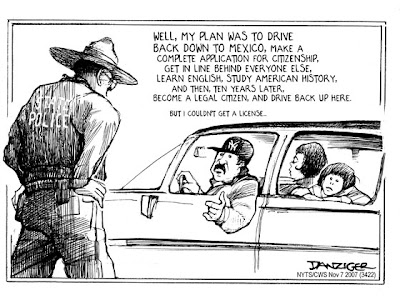
    <div class="html-content"><span><p><span><em>Written By Sylvia Anokam, Mosaic Intern for Black and Africana Student Engagement in Campus Life.</em></span></p><p><span>Frequently during discussions relating to undocumented immigrants, you are likely to encounter the argument “Why can’t they come here legally?” People who ask this don't understand the complexity of the legal process. In reality, the visa process is a prolonged, expensive, selective, exclusionary, and limited process. The quantity of visas for those seeking Permanent Residency in the United States is limited. Furthermore, family-based visas are limited to what the United States considers “immediate relatives” for Permanent Residents (i.e. spouses, children). This definition is slightly expanded for U.S. Citizens to include siblings or parents. This definition of immediate family excludes grandparents, aunts, uncles or cousins which in many non-western, collectivist societies are still considered part of the nuclear family. </span></p><p><span>Work-based visas are exclusive to those who have exceptional talents in fields such as the sciences, medicine, arts, education, business, athletics, or to those have an advanced degree. That leaves a large sector of the international population ineligible to enter the country. This inadvertently also causes what is seen as “</span><a href="https://www.migrationpolicy.org/topics/brain-drain-brain-gain" rel="nofollow external" class="bo"><span>brain drain</span></a><span>” in other countries, but that is something for another conversation. But if you are one of those who fit the privileged criteria above to receive either of those visas, you will still encounter socioeconomic difficulties during the application process. </span></p><p><span>To begin, the application fee alone can cost between $160 to $500 per application (</span><a href="https://travel.state.gov/content/travel/en/us-visas/visa-information-resources/fees/fees-visa-services.html" rel="nofollow external" class="bo"><span>U.S Department of State, 2018</span></a><span>). You will need to contract an immigration attorney to assist with the paperwork. In addition, you must visit multiple doctors to receive all of the extensive required examinations and vaccinations (e.g. Mumps, Measles, Rubella, Polio, Tetanus and diphtheria, Pertussis, Haemophilus influenzae type B (Hib), Hepatitis A, Hepatitis B, Rotavirus, Meningococcal disease, Varicella, Pneumococcal disease, Seasonal influenza) (</span><a href="https://www.cdc.gov/immigrantrefugeehealth/laws-regs/vaccination-immigration/revised-vaccination-immigration-faq.html" rel="nofollow external" class="bo"><span>cdc.gov, 2012</span></a><span>). Keep in mind that all these have their own associated medical and legal costs and that this is </span><span>before</span><span> your application process can be initiated!</span></p><p><span><img src="http://2.bp.blogspot.com/_t5CFZhL40BE/R8A9HUHu1ZI/AAAAAAAAAp4/1NSG1yqmAY8/s400/danziger-immigration.jpg" style="max-width: 100%; height: auto;"></span></p><p><span><em>(image from <a href="http://dreamacttexas.blogspot.com">http://dreamacttexas.blogspot.com</a>, 2008)</em></span></p><p><span>The process requires time flexibility as there are many appointments and interviews. You will need to make time in your schedule for your legal representative, the embassy specific to your country of origin, and US Citizen and Immigration Services (USCIS) to name a few. However, even after going through this entire process, you may still not be granted a visa. If you are lucky enough to get the green light, there still will be a wait period that ranges from five to fifteen years depending on your national origin. Additionally, just because </span><span>you</span><span> may qualify for this process does not mean everyone in your family also will be granted their visas. The wait time varies because the United States prioritizes those who are coming from countries with the least amount of immigrants, typically other Western or industrialized countries. On the other hand, this means that those who are coming from the global South are less likely to qualify or are likely to wait longer. </span></p><p><span>Imagine an average family composed of four member going through this process—it can cost between $1,740-$3,100 (not taking into account the exchange rate if done outside the US) just for the application and medical costs. And that is if you’re lucky enough to have a smooth, hassle-free process. Mistakes occur which may require “re-do’s” of applications, interviews as well as additional legal fees. Local non-profits like </span><a href="https://wearecasa.org/our-programs/" rel="nofollow external" class="bo"><span>CASA</span></a><span> offer low interest loans for those applying but some immigrants don't even have families who are citizens to file for them.  Or, they don't have the educational qualifications or skills required to be eligible to file for work visas. For those living abroad, economic disparities may make these costs even harder to afford. Looking back at where most immigrants in the United States come from </span><a href="https://critsocjustice.wordpress.com/2018/10/22/what-you-need-to-know-about-the-undocumented-immigrant-experience/" rel="nofollow external" class="bo"><span>Mexico, Guatemala, El Salvador, Honduras and China</span></a><span>, the average annual income is </span><a href="https://www.cia.gov/library/publications/the-world-factbook/geos/mx.html" rel="nofollow external" class="bo"><span>$19,900</span></a><span>, </span><a href="https://www.cia.gov/library/publications/the-world-factbook/geos/gt.html" rel="nofollow external" class="bo"><span>$8,100</span></a><span>, </span><a href="https://www.cia.gov/library/publications/the-world-factbook/geos/es.html" rel="nofollow external" class="bo"><span>$8,900,</span></a><a href="https://www.cia.gov/library/publications/the-world-factbook/geos/ho.html" rel="nofollow external" class="bo"><span>$5,600</span></a><span>, </span><a href="https://www.cia.gov/library/publications/the-world-factbook/geos/ch.html" rel="nofollow external" class="bo"><span>$16,700</span></a><span>, respectively (CIA World Factbook, 2018). It does not take advanced math skills to know that the average families in these countries do not have the money to afford these fees. </span></p><p><span>There are people that have multiple family members living in the United States and may ask for financial support, but typically immigrants living in the United States already struggle financially. This can be a financial burden too large for most people to do it “the legal way.” So we encourage those who tell immigrants to “get in line” to understand that it is not easy for  those like me and my relatives. </span></p><div><span><br></span></div></span></div>
]]>
</Body>
<Summary>Written By Sylvia Anokam, Mosaic Intern for Black and Africana Student Engagement in Campus Life.  Frequently during discussions relating to undocumented immigrants, you are likely to encounter...</Summary>
<TrackingUrl>https://beta.my.umbc.edu/api/v0/pixel/news/79743/guest@my.umbc.edu/8c3d7df33652083adc8463f1d40b0d58/api/pixel</TrackingUrl>
<Tag>campuslife</Tag>
<Tag>campuslifemosaic</Tag>
<Tag>csjignite</Tag>
<Tag>diversityandinclusion</Tag>
<Tag>umbc</Tag>
<Tag>umbcmosaic</Tag>
<Tag>umbcwomenscenter</Tag>
<Group token="themosaic">The Mosaic: Center for Cultural Diversity </Group>
<GroupUrl>https://beta.my.umbc.edu/groups/themosaic</GroupUrl>
<AvatarUrl>https://assets3-beta.my.umbc.edu/system/shared/avatars/groups/000/000/079/8da8369525d899e6fa49decd5a80b73f/xsmall.png?1755890395</AvatarUrl>
<AvatarUrl size="original">https://assets2-beta.my.umbc.edu/system/shared/avatars/groups/000/000/079/8da8369525d899e6fa49decd5a80b73f/original.png?1755890395</AvatarUrl>
<AvatarUrl size="xxlarge">https://assets3-beta.my.umbc.edu/system/shared/avatars/groups/000/000/079/8da8369525d899e6fa49decd5a80b73f/xxlarge.png?1755890395</AvatarUrl>
<AvatarUrl size="xlarge">https://assets2-beta.my.umbc.edu/system/shared/avatars/groups/000/000/079/8da8369525d899e6fa49decd5a80b73f/xlarge.png?1755890395</AvatarUrl>
<AvatarUrl size="large">https://assets3-beta.my.umbc.edu/system/shared/avatars/groups/000/000/079/8da8369525d899e6fa49decd5a80b73f/large.png?1755890395</AvatarUrl>
<AvatarUrl size="medium">https://assets4-beta.my.umbc.edu/system/shared/avatars/groups/000/000/079/8da8369525d899e6fa49decd5a80b73f/medium.png?1755890395</AvatarUrl>
<AvatarUrl size="small">https://assets1-beta.my.umbc.edu/system/shared/avatars/groups/000/000/079/8da8369525d899e6fa49decd5a80b73f/small.png?1755890395</AvatarUrl>
<AvatarUrl size="xsmall">https://assets3-beta.my.umbc.edu/system/shared/avatars/groups/000/000/079/8da8369525d899e6fa49decd5a80b73f/xsmall.png?1755890395</AvatarUrl>
<AvatarUrl size="xxsmall">https://assets1-beta.my.umbc.edu/system/shared/avatars/groups/000/000/079/8da8369525d899e6fa49decd5a80b73f/xxsmall.png?1755890395</AvatarUrl>
<Sponsor>Campus Life's Mosaic, Interfaith Cntr &amp; Queer Student Lounge</Sponsor>
<ThumbnailUrl size="xxlarge">https://assets3-beta.my.umbc.edu/system/shared/thumbnails/news/000/079/743/aac626ba01cece7da903f7333ff04d38/xxlarge.jpg?1540329955</ThumbnailUrl>
<ThumbnailUrl size="xlarge">https://assets2-beta.my.umbc.edu/system/shared/thumbnails/news/000/079/743/aac626ba01cece7da903f7333ff04d38/xlarge.jpg?1540329955</ThumbnailUrl>
<ThumbnailUrl size="large">https://assets3-beta.my.umbc.edu/system/shared/thumbnails/news/000/079/743/aac626ba01cece7da903f7333ff04d38/large.jpg?1540329955</ThumbnailUrl>
<ThumbnailUrl size="medium">https://assets1-beta.my.umbc.edu/system/shared/thumbnails/news/000/079/743/aac626ba01cece7da903f7333ff04d38/medium.jpg?1540329955</ThumbnailUrl>
<ThumbnailUrl size="small">https://assets2-beta.my.umbc.edu/system/shared/thumbnails/news/000/079/743/aac626ba01cece7da903f7333ff04d38/small.jpg?1540329955</ThumbnailUrl>
<ThumbnailUrl size="xsmall">https://assets2-beta.my.umbc.edu/system/shared/thumbnails/news/000/079/743/aac626ba01cece7da903f7333ff04d38/xsmall.jpg?1540329955</ThumbnailUrl>
<ThumbnailUrl size="xxsmall">https://assets3-beta.my.umbc.edu/system/shared/thumbnails/news/000/079/743/aac626ba01cece7da903f7333ff04d38/xxsmall.jpg?1540329955</ThumbnailUrl>
<PawCount>17</PawCount>
<CommentCount>1</CommentCount>
<CommentsAllowed>false</CommentsAllowed>
<PostedAt>Tue, 23 Oct 2018 17:33:03 -0400</PostedAt>
<EditAt>Fri, 26 Oct 2018 12:21:17 -0400</EditAt>
</NewsItem>

<NewsItem contentIssues="true" id="79689" important="true" status="posted" url="https://beta.my.umbc.edu/groups/themosaic/posts/79689">
<Title>Adjusted Hours for Campus Life's Mosaic for CSJ:Ignite</Title>
<Body>
<![CDATA[
    <div class="html-content">In preparation for Critical Social Justice Week programming, Campus Life's Mosaic will be closing at 4 p.m. on <a href="https://my3.my.umbc.edu/groups/womenscenter/events/60562" rel="nofollow external" class="bo">Tuesday, October 23rd for CSJ: Ignite's Keynote  Deanna Zandt </a>and <a href="https://my3.my.umbc.edu/groups/themosaic/events/64849" rel="nofollow external" class="bo">Wednesday October 24th for CSJ: Igniting Consciousness into the Undocumented Immigrant Experience</a>. <div><br></div><div>Campus Life's Mosaic will operate during it's normal hours on today, Monday the 22nd and Thursday-Friday. Campus Life's Interfaith Center and Queer Student Lounge will still operate during it's normal hours all week.<div><br></div><div>If you need further assistance, please visit Campus Life's Main office in The Commons 336. </div></div><div><br></div><div>We encourage you to check out all other CSJ-related events on the Women's Center <a href="https://my3.my.umbc.edu/groups/womenscenter" rel="nofollow external" class="bo">myUMBC</a> page and their <a href="https://critsocjustice.wordpress.com/" rel="nofollow external" class="bo">Wordpress</a>.</div><div><br></div><div>-Campus Life's Mosaic Staff</div></div>
]]>
</Body>
<Summary>In preparation for Critical Social Justice Week programming, Campus Life's Mosaic will be closing at 4 p.m. on Tuesday, October 23rd for CSJ: Ignite's Keynote  Deanna Zandt and Wednesday October...</Summary>
<TrackingUrl>https://beta.my.umbc.edu/api/v0/pixel/news/79689/guest@my.umbc.edu/61aba0bd349d82b004130a72325bc632/api/pixel</TrackingUrl>
<Tag>campuslife</Tag>
<Tag>criticalsocialjustice</Tag>
<Tag>csjignite</Tag>
<Tag>diversityandinclusion</Tag>
<Tag>mosaic</Tag>
<Tag>umbcmosaic</Tag>
<Group token="themosaic">The Mosaic: Center for Cultural Diversity </Group>
<GroupUrl>https://beta.my.umbc.edu/groups/themosaic</GroupUrl>
<AvatarUrl>https://assets3-beta.my.umbc.edu/system/shared/avatars/groups/000/000/079/8da8369525d899e6fa49decd5a80b73f/xsmall.png?1755890395</AvatarUrl>
<AvatarUrl size="original">https://assets2-beta.my.umbc.edu/system/shared/avatars/groups/000/000/079/8da8369525d899e6fa49decd5a80b73f/original.png?1755890395</AvatarUrl>
<AvatarUrl size="xxlarge">https://assets3-beta.my.umbc.edu/system/shared/avatars/groups/000/000/079/8da8369525d899e6fa49decd5a80b73f/xxlarge.png?1755890395</AvatarUrl>
<AvatarUrl size="xlarge">https://assets2-beta.my.umbc.edu/system/shared/avatars/groups/000/000/079/8da8369525d899e6fa49decd5a80b73f/xlarge.png?1755890395</AvatarUrl>
<AvatarUrl size="large">https://assets3-beta.my.umbc.edu/system/shared/avatars/groups/000/000/079/8da8369525d899e6fa49decd5a80b73f/large.png?1755890395</AvatarUrl>
<AvatarUrl size="medium">https://assets4-beta.my.umbc.edu/system/shared/avatars/groups/000/000/079/8da8369525d899e6fa49decd5a80b73f/medium.png?1755890395</AvatarUrl>
<AvatarUrl size="small">https://assets1-beta.my.umbc.edu/system/shared/avatars/groups/000/000/079/8da8369525d899e6fa49decd5a80b73f/small.png?1755890395</AvatarUrl>
<AvatarUrl size="xsmall">https://assets3-beta.my.umbc.edu/system/shared/avatars/groups/000/000/079/8da8369525d899e6fa49decd5a80b73f/xsmall.png?1755890395</AvatarUrl>
<AvatarUrl size="xxsmall">https://assets1-beta.my.umbc.edu/system/shared/avatars/groups/000/000/079/8da8369525d899e6fa49decd5a80b73f/xxsmall.png?1755890395</AvatarUrl>
<Sponsor>Campus Life's Mosaic, Interfaith Cntr &amp; Queer Student Lounge</Sponsor>
<ThumbnailUrl size="xxlarge">https://assets4-beta.my.umbc.edu/system/shared/thumbnails/news/000/079/689/0ac674786ed726e255e2216b56c61b5a/xxlarge.jpg?1540223088</ThumbnailUrl>
<ThumbnailUrl size="xlarge">https://assets1-beta.my.umbc.edu/system/shared/thumbnails/news/000/079/689/0ac674786ed726e255e2216b56c61b5a/xlarge.jpg?1540223088</ThumbnailUrl>
<ThumbnailUrl size="large">https://assets2-beta.my.umbc.edu/system/shared/thumbnails/news/000/079/689/0ac674786ed726e255e2216b56c61b5a/large.jpg?1540223088</ThumbnailUrl>
<ThumbnailUrl size="medium">https://assets3-beta.my.umbc.edu/system/shared/thumbnails/news/000/079/689/0ac674786ed726e255e2216b56c61b5a/medium.jpg?1540223088</ThumbnailUrl>
<ThumbnailUrl size="small">https://assets1-beta.my.umbc.edu/system/shared/thumbnails/news/000/079/689/0ac674786ed726e255e2216b56c61b5a/small.jpg?1540223088</ThumbnailUrl>
<ThumbnailUrl size="xsmall">https://assets1-beta.my.umbc.edu/system/shared/thumbnails/news/000/079/689/0ac674786ed726e255e2216b56c61b5a/xsmall.jpg?1540223088</ThumbnailUrl>
<ThumbnailUrl size="xxsmall">https://assets1-beta.my.umbc.edu/system/shared/thumbnails/news/000/079/689/0ac674786ed726e255e2216b56c61b5a/xxsmall.jpg?1540223088</ThumbnailUrl>
<PawCount>0</PawCount>
<CommentCount>0</CommentCount>
<CommentsAllowed>true</CommentsAllowed>
<PostedAt>Mon, 22 Oct 2018 11:45:44 -0400</PostedAt>
</NewsItem>

</News>