<?xml version="1.0"?>
<News hasArchived="false" page="32" pageCount="209" pageSize="10" timestamp="Fri, 24 Apr 2026 20:12:35 -0400" url="https://beta.my.umbc.edu/groups/lsamp/posts.xml?page=32">
<NewsItem contentIssues="true" id="118841" important="false" status="posted" url="https://beta.my.umbc.edu/groups/lsamp/posts/118841">
<Title>URCAD Sneak Peek: Courtney Arrington</Title>
<Tagline>Conditional Discriminations and Children with Autism</Tagline>
<Body>
<![CDATA[
    <div class="html-content"><div>URCAD continues through the weekend!</div><div>URCAD.umbc.edu</div><div><br></div><div><strong>A Parametric Analysis of the Number of Conditional Discriminations Taught Concurrently to Children with ASD</strong></div><div><span>Presenter: </span>Courtney Arrington</div><div>Mentor: Mirela Cengher (Psychology)</div><div><br></div><div>Abstract:</div><div><span>Many children diagnosed with autism spectrum disorder (ASD) have delayed academic and language skills. Behavior analytic intervention typically involves teaching a predetermined number of skills at a time to remedy the aforementioned academic and language delays. The purpose of this study is to determine the optimal instructional arrangement for preschoolers diagnosed with ASD. We taught participants to label things in the environment under three conditions: (a) three concurrently taught labels (set size three), (b) six concurrently taught labels (set size 6), and (c) 12 concurrently taught labels (set size 12). We collected data on the duration of training, percentage of correct responses, and number of incorrect responses during language training per condition. Our study is underway; however, previous research suggests that set size 3 and 12 may be the optimal sets for learning. The outcomes of this study will inform the selection of most effective and efficient instructional arrangements for children with ASD.</span></div></div>
]]>
</Body>
<Summary>URCAD continues through the weekend!  URCAD.umbc.edu     A Parametric Analysis of the Number of Conditional Discriminations Taught Concurrently to Children with ASD  Presenter: Courtney Arrington...</Summary>
<Website>http://urcad.umbc.edu</Website>
<TrackingUrl>https://beta.my.umbc.edu/api/v0/pixel/news/118841/guest@my.umbc.edu/5abd0b8f738fc2c736958784988bd6be/api/pixel</TrackingUrl>
<Group token="undergradresearch">Undergraduate Research</Group>
<GroupUrl>https://beta.my.umbc.edu/groups/undergradresearch</GroupUrl>
<AvatarUrl>https://assets2-beta.my.umbc.edu/system/shared/avatars/groups/000/000/006/875606ced2b629148af4caa1a4e8dd3c/xsmall.png?1600355057</AvatarUrl>
<AvatarUrl size="original">https://assets3-beta.my.umbc.edu/system/shared/avatars/groups/000/000/006/875606ced2b629148af4caa1a4e8dd3c/original.jpg?1600355057</AvatarUrl>
<AvatarUrl size="xxlarge">https://assets4-beta.my.umbc.edu/system/shared/avatars/groups/000/000/006/875606ced2b629148af4caa1a4e8dd3c/xxlarge.png?1600355057</AvatarUrl>
<AvatarUrl size="xlarge">https://assets1-beta.my.umbc.edu/system/shared/avatars/groups/000/000/006/875606ced2b629148af4caa1a4e8dd3c/xlarge.png?1600355057</AvatarUrl>
<AvatarUrl size="large">https://assets2-beta.my.umbc.edu/system/shared/avatars/groups/000/000/006/875606ced2b629148af4caa1a4e8dd3c/large.png?1600355057</AvatarUrl>
<AvatarUrl size="medium">https://assets2-beta.my.umbc.edu/system/shared/avatars/groups/000/000/006/875606ced2b629148af4caa1a4e8dd3c/medium.png?1600355057</AvatarUrl>
<AvatarUrl size="small">https://assets4-beta.my.umbc.edu/system/shared/avatars/groups/000/000/006/875606ced2b629148af4caa1a4e8dd3c/small.png?1600355057</AvatarUrl>
<AvatarUrl size="xsmall">https://assets2-beta.my.umbc.edu/system/shared/avatars/groups/000/000/006/875606ced2b629148af4caa1a4e8dd3c/xsmall.png?1600355057</AvatarUrl>
<AvatarUrl size="xxsmall">https://assets4-beta.my.umbc.edu/system/shared/avatars/groups/000/000/006/875606ced2b629148af4caa1a4e8dd3c/xxsmall.png?1600355057</AvatarUrl>
<Sponsor>Undergraduate Research</Sponsor>
<ThumbnailUrl size="xxlarge">https://assets2-beta.my.umbc.edu/system/shared/thumbnails/news/000/118/841/4554b46cfc693f12c40134acd7d57796/xxlarge.jpg?1650641747</ThumbnailUrl>
<ThumbnailUrl size="xlarge">https://assets2-beta.my.umbc.edu/system/shared/thumbnails/news/000/118/841/4554b46cfc693f12c40134acd7d57796/xlarge.jpg?1650641747</ThumbnailUrl>
<ThumbnailUrl size="large">https://assets1-beta.my.umbc.edu/system/shared/thumbnails/news/000/118/841/4554b46cfc693f12c40134acd7d57796/large.jpg?1650641747</ThumbnailUrl>
<ThumbnailUrl size="medium">https://assets3-beta.my.umbc.edu/system/shared/thumbnails/news/000/118/841/4554b46cfc693f12c40134acd7d57796/medium.jpg?1650641747</ThumbnailUrl>
<ThumbnailUrl size="small">https://assets3-beta.my.umbc.edu/system/shared/thumbnails/news/000/118/841/4554b46cfc693f12c40134acd7d57796/small.jpg?1650641747</ThumbnailUrl>
<ThumbnailUrl size="xsmall">https://assets3-beta.my.umbc.edu/system/shared/thumbnails/news/000/118/841/4554b46cfc693f12c40134acd7d57796/xsmall.jpg?1650641747</ThumbnailUrl>
<ThumbnailUrl size="xxsmall">https://assets4-beta.my.umbc.edu/system/shared/thumbnails/news/000/118/841/4554b46cfc693f12c40134acd7d57796/xxsmall.jpg?1650641747</ThumbnailUrl>
<PawCount>2</PawCount>
<CommentCount>0</CommentCount>
<CommentsAllowed>true</CommentsAllowed>
<PostedAt>Fri, 22 Apr 2022 11:39:19 -0400</PostedAt>
</NewsItem>

<NewsItem contentIssues="true" id="118828" important="false" status="posted" url="https://beta.my.umbc.edu/groups/lsamp/posts/118828">
<Title>URCAD Sneak Peek: Susanna Abler</Title>
<Tagline>Changing How We View Prosthetic Function</Tagline>
<Body>
<![CDATA[
    <div class="html-content">URCAD continues through this weekend!<div>URCAD.umbc.edu</div><div><br></div><div><span><strong>ProAesthetics: Changing How We View Prosthetic Function</strong></span></div><div><span>Presenter:Susanna Abler (INDS/Visual Arts)</span></div><div><span>Mentor: Foad Hamidi (Information Systems)</span></div><div><span><br></span></div><div><span>Abstract:</span></div><div><span><span>When it comes to functionality, much progress has been made in mechanical and bionic prosthetic limb capabilities but less work has been done in improving the available cosmetic options for amputees. Individuals who have limb deficiencies found that they often experienced distress or a disconnect with their prosthetic limb due to its appearance and some eventually abandoned their limbs due to this disconnect (Sansoni, 2015). This research project showed how the involvement of the amputee in the cosmetic design of their limb influenced how they perceive their limb and gave it a renewed purpose outside of mechanical constraints of function, which emphasized the need for co-designing in assistive technology. Five lower-limb amputees were interviewed for a case study regarding their personal cosmetic desires for their limbs. Data from these interviews shows a variety of aesthetic interests as well as a varied understanding of what is available cosmetically for lower-limb prosthetics. </span></span></div></div>
]]>
</Body>
<Summary>URCAD continues through this weekend! URCAD.umbc.edu     ProAesthetics: Changing How We View Prosthetic Function  Presenter:Susanna Abler (INDS/Visual Arts)  Mentor: Foad Hamidi (Information...</Summary>
<Website>http://urcad.umbc.edu</Website>
<TrackingUrl>https://beta.my.umbc.edu/api/v0/pixel/news/118828/guest@my.umbc.edu/c230cf014b9df4d8ff447a325d903ca4/api/pixel</TrackingUrl>
<Group token="undergradresearch">Undergraduate Research</Group>
<GroupUrl>https://beta.my.umbc.edu/groups/undergradresearch</GroupUrl>
<AvatarUrl>https://assets2-beta.my.umbc.edu/system/shared/avatars/groups/000/000/006/875606ced2b629148af4caa1a4e8dd3c/xsmall.png?1600355057</AvatarUrl>
<AvatarUrl size="original">https://assets3-beta.my.umbc.edu/system/shared/avatars/groups/000/000/006/875606ced2b629148af4caa1a4e8dd3c/original.jpg?1600355057</AvatarUrl>
<AvatarUrl size="xxlarge">https://assets4-beta.my.umbc.edu/system/shared/avatars/groups/000/000/006/875606ced2b629148af4caa1a4e8dd3c/xxlarge.png?1600355057</AvatarUrl>
<AvatarUrl size="xlarge">https://assets1-beta.my.umbc.edu/system/shared/avatars/groups/000/000/006/875606ced2b629148af4caa1a4e8dd3c/xlarge.png?1600355057</AvatarUrl>
<AvatarUrl size="large">https://assets2-beta.my.umbc.edu/system/shared/avatars/groups/000/000/006/875606ced2b629148af4caa1a4e8dd3c/large.png?1600355057</AvatarUrl>
<AvatarUrl size="medium">https://assets2-beta.my.umbc.edu/system/shared/avatars/groups/000/000/006/875606ced2b629148af4caa1a4e8dd3c/medium.png?1600355057</AvatarUrl>
<AvatarUrl size="small">https://assets4-beta.my.umbc.edu/system/shared/avatars/groups/000/000/006/875606ced2b629148af4caa1a4e8dd3c/small.png?1600355057</AvatarUrl>
<AvatarUrl size="xsmall">https://assets2-beta.my.umbc.edu/system/shared/avatars/groups/000/000/006/875606ced2b629148af4caa1a4e8dd3c/xsmall.png?1600355057</AvatarUrl>
<AvatarUrl size="xxsmall">https://assets4-beta.my.umbc.edu/system/shared/avatars/groups/000/000/006/875606ced2b629148af4caa1a4e8dd3c/xxsmall.png?1600355057</AvatarUrl>
<Sponsor>Undergraduate Research</Sponsor>
<ThumbnailUrl size="xxlarge">https://assets4-beta.my.umbc.edu/system/shared/thumbnails/news/000/118/828/81d8a2c19f6b767612f5e2e0e974a5e9/xxlarge.jpg?1650589964</ThumbnailUrl>
<ThumbnailUrl size="xlarge">https://assets1-beta.my.umbc.edu/system/shared/thumbnails/news/000/118/828/81d8a2c19f6b767612f5e2e0e974a5e9/xlarge.jpg?1650589964</ThumbnailUrl>
<ThumbnailUrl size="large">https://assets4-beta.my.umbc.edu/system/shared/thumbnails/news/000/118/828/81d8a2c19f6b767612f5e2e0e974a5e9/large.jpg?1650589964</ThumbnailUrl>
<ThumbnailUrl size="medium">https://assets3-beta.my.umbc.edu/system/shared/thumbnails/news/000/118/828/81d8a2c19f6b767612f5e2e0e974a5e9/medium.jpg?1650589964</ThumbnailUrl>
<ThumbnailUrl size="small">https://assets4-beta.my.umbc.edu/system/shared/thumbnails/news/000/118/828/81d8a2c19f6b767612f5e2e0e974a5e9/small.jpg?1650589964</ThumbnailUrl>
<ThumbnailUrl size="xsmall">https://assets1-beta.my.umbc.edu/system/shared/thumbnails/news/000/118/828/81d8a2c19f6b767612f5e2e0e974a5e9/xsmall.jpg?1650589964</ThumbnailUrl>
<ThumbnailUrl size="xxsmall">https://assets2-beta.my.umbc.edu/system/shared/thumbnails/news/000/118/828/81d8a2c19f6b767612f5e2e0e974a5e9/xxsmall.jpg?1650589964</ThumbnailUrl>
<PawCount>2</PawCount>
<CommentCount>0</CommentCount>
<CommentsAllowed>true</CommentsAllowed>
<PostedAt>Thu, 21 Apr 2022 21:13:11 -0400</PostedAt>
</NewsItem>

<NewsItem contentIssues="true" id="118775" important="false" status="posted" url="https://beta.my.umbc.edu/groups/lsamp/posts/118775">
<Title>URCAD Sneak Peek: Project Snowman</Title>
<Tagline>A Snow Rolling Adventure Game Developed by UMBC Students</Tagline>
<Body>
<![CDATA[
    <div class="html-content"><div>URCAD is still rolling.... </div><div><br></div><div>Come see how UMBC engineering students developed a new video game!</div><div>URCAD.umbc.edu</div><div>April 18-24, online</div><div><br></div><div><strong>Project Snowman: A Snow Rolling Adventure Game</strong></div><div><strong><br></strong></div><div><span>Presenters:Evan McRae, Jacob Pickholtz, Noah Reardon, Shane Taylor</span></div><div><span>Mentor: Marc Olano (Computer Science and Electrical Engineering)</span></div><div><span><br></span></div><div><span>Abstract:</span></div><div><span><span>A game where the player takes the role of a snowman’s head and rolls around various levels in search of the rest of its body. Like a rolling snowball, the snowman’s head grows in size as it rolls on snowy ground and eventually can become big enough to destroy obstacles in the environment. Players must navigate their surroundings and reach the snowman body at the end in enough time to complete each level, earning extra points along the way for the amount of destruction they cause. This game was developed using the Unity game engine and required a collaborative effort to learn the coding techniques that allow the player character to move, grow larger, and interact with the game world. Development also required the ability to design a functioning user interface, knowledge of 3D modeling tools to build game objects and environment pieces, and the creation of a system to implement smooth-transitioning background music into the game, which itself was composed specifically for the project.</span></span></div></div>
]]>
</Body>
<Summary>URCAD is still rolling....      Come see how UMBC engineering students developed a new video game!  URCAD.umbc.edu  April 18-24, online     Project Snowman: A Snow Rolling Adventure Game...</Summary>
<Website>http://urcad.umbc.edu</Website>
<TrackingUrl>https://beta.my.umbc.edu/api/v0/pixel/news/118775/guest@my.umbc.edu/5d52aaeb8a6827ebe5a4312c1aa52197/api/pixel</TrackingUrl>
<Group token="undergradresearch">Undergraduate Research</Group>
<GroupUrl>https://beta.my.umbc.edu/groups/undergradresearch</GroupUrl>
<AvatarUrl>https://assets2-beta.my.umbc.edu/system/shared/avatars/groups/000/000/006/875606ced2b629148af4caa1a4e8dd3c/xsmall.png?1600355057</AvatarUrl>
<AvatarUrl size="original">https://assets3-beta.my.umbc.edu/system/shared/avatars/groups/000/000/006/875606ced2b629148af4caa1a4e8dd3c/original.jpg?1600355057</AvatarUrl>
<AvatarUrl size="xxlarge">https://assets4-beta.my.umbc.edu/system/shared/avatars/groups/000/000/006/875606ced2b629148af4caa1a4e8dd3c/xxlarge.png?1600355057</AvatarUrl>
<AvatarUrl size="xlarge">https://assets1-beta.my.umbc.edu/system/shared/avatars/groups/000/000/006/875606ced2b629148af4caa1a4e8dd3c/xlarge.png?1600355057</AvatarUrl>
<AvatarUrl size="large">https://assets2-beta.my.umbc.edu/system/shared/avatars/groups/000/000/006/875606ced2b629148af4caa1a4e8dd3c/large.png?1600355057</AvatarUrl>
<AvatarUrl size="medium">https://assets2-beta.my.umbc.edu/system/shared/avatars/groups/000/000/006/875606ced2b629148af4caa1a4e8dd3c/medium.png?1600355057</AvatarUrl>
<AvatarUrl size="small">https://assets4-beta.my.umbc.edu/system/shared/avatars/groups/000/000/006/875606ced2b629148af4caa1a4e8dd3c/small.png?1600355057</AvatarUrl>
<AvatarUrl size="xsmall">https://assets2-beta.my.umbc.edu/system/shared/avatars/groups/000/000/006/875606ced2b629148af4caa1a4e8dd3c/xsmall.png?1600355057</AvatarUrl>
<AvatarUrl size="xxsmall">https://assets4-beta.my.umbc.edu/system/shared/avatars/groups/000/000/006/875606ced2b629148af4caa1a4e8dd3c/xxsmall.png?1600355057</AvatarUrl>
<Sponsor>Undergraduate Research</Sponsor>
<ThumbnailUrl size="xxlarge">https://assets2-beta.my.umbc.edu/system/shared/thumbnails/news/000/118/775/1dde008b2c21ba7d171aa5c3e8d6f5e0/xxlarge.jpg?1650476832</ThumbnailUrl>
<ThumbnailUrl size="xlarge">https://assets2-beta.my.umbc.edu/system/shared/thumbnails/news/000/118/775/1dde008b2c21ba7d171aa5c3e8d6f5e0/xlarge.jpg?1650476832</ThumbnailUrl>
<ThumbnailUrl size="large">https://assets2-beta.my.umbc.edu/system/shared/thumbnails/news/000/118/775/1dde008b2c21ba7d171aa5c3e8d6f5e0/large.jpg?1650476832</ThumbnailUrl>
<ThumbnailUrl size="medium">https://assets2-beta.my.umbc.edu/system/shared/thumbnails/news/000/118/775/1dde008b2c21ba7d171aa5c3e8d6f5e0/medium.jpg?1650476832</ThumbnailUrl>
<ThumbnailUrl size="small">https://assets4-beta.my.umbc.edu/system/shared/thumbnails/news/000/118/775/1dde008b2c21ba7d171aa5c3e8d6f5e0/small.jpg?1650476832</ThumbnailUrl>
<ThumbnailUrl size="xsmall">https://assets4-beta.my.umbc.edu/system/shared/thumbnails/news/000/118/775/1dde008b2c21ba7d171aa5c3e8d6f5e0/xsmall.jpg?1650476832</ThumbnailUrl>
<ThumbnailUrl size="xxsmall">https://assets2-beta.my.umbc.edu/system/shared/thumbnails/news/000/118/775/1dde008b2c21ba7d171aa5c3e8d6f5e0/xxsmall.jpg?1650476832</ThumbnailUrl>
<PawCount>2</PawCount>
<CommentCount>0</CommentCount>
<CommentsAllowed>true</CommentsAllowed>
<PostedAt>Thu, 21 Apr 2022 01:45:33 -0400</PostedAt>
</NewsItem>

<NewsItem contentIssues="true" id="118758" important="false" status="posted" url="https://beta.my.umbc.edu/groups/lsamp/posts/118758">
<Title>URCAD Keynote Speaker: Dr. Kaitlyn Sadtler</Title>
<Tagline>UMBC Alumna discusses her path to NIH and work on pandemic</Tagline>
<Body>
<![CDATA[
    <div class="html-content"><div><h6>2022 URCAD Alumni Keynote Speaker</h6><div><br></div><h5>Dr. Kaitlyn Sadtler, ’11, Biological Sciences<br></h5><h6>NIH Scientist in Immuno-Engineering</h6><h6><br></h6></div><div>Dr. Sadtler is introduced by UMBC President, Dr. Freeman Hrabowski</div><div><a href="https://urcad.umbc.edu/speaker/">https://urcad.umbc.edu/speaker/</a></div><div><br></div><div><span>Dr. Kaitlyn Sadtler is a scientist and Chief of the Section on Immuno-Engineering at the National Institutes of Health (NIH). She began her lab at the National Institute of Biomedical Imaging and Bioengineering after a postdoctoral fellowship at the Massachusetts Institute of Technology in the Department of Chemical Engineering working on the molecular mechanisms of immune activation in the foreign body response. There, she was awarded a Postdoctoral Fellowship grant for her work on immunology and tissue engineering. She completed her Ph.D. at the Johns Hopkins University School of Medicine where she showed a critical role for Th2-T cells in biomaterial-mediated muscle regeneration. Her research has been published in journals such as Science, Nature Methods, Nature Communications, and Science Translational Medicine. She was recognized as a TED Fellow and delivered a TED talk that was listed as one of the top-viewed talks of 2018. Dr. Sadtler has been selected for the Forbes 30 Under 30 List in Science, the MIT Technology Review 35 Innovators Under 35, and the National Academy of Engineering Frontiers of Engineering program. She received the 2021 Outstanding Recent Graduate Award from Johns Hopkins University School of Medicine for her work on SARS-CoV-2 Antibody testing, and a Special Pandemic Response Recognition from her undergraduate institution, UMBC. Dr. Sadtler finished her Bachelor’s summa cum laude and was recognized as an Outstanding Graduating Senior in the Biological Sciences. During her time at UMBC she was a tutor in general and organic chemistry at the Chemistry Tutorial Center, a member of the Women’s Rugby team, and participated in both </span><a href="https://ur.umbc.edu/files/2015/09/URCAD-10-Student-Abstracts.pdf#page=77" rel="nofollow external" class="bo"><span>2010 URCAD</span></a><span> and </span><a href="http://ur.umbc.edu/files/2015/09/URCAD-11-Student-Abstracts.pdf#page=70" rel="nofollow external" class="bo"><span>2011 URCAD</span></a><span> events.</span></div></div>
]]>
</Body>
<Summary>2022 URCAD Alumni Keynote Speaker     Dr. Kaitlyn Sadtler, ’11, Biological Sciences   NIH Scientist in Immuno-Engineering      Dr. Sadtler is introduced by UMBC President, Dr. Freeman Hrabowski...</Summary>
<Website>http://urcad.umbc.edu</Website>
<TrackingUrl>https://beta.my.umbc.edu/api/v0/pixel/news/118758/guest@my.umbc.edu/395352e0c2fde474bb730714cdb6b828/api/pixel</TrackingUrl>
<Group token="undergradresearch">Undergraduate Research</Group>
<GroupUrl>https://beta.my.umbc.edu/groups/undergradresearch</GroupUrl>
<AvatarUrl>https://assets2-beta.my.umbc.edu/system/shared/avatars/groups/000/000/006/875606ced2b629148af4caa1a4e8dd3c/xsmall.png?1600355057</AvatarUrl>
<AvatarUrl size="original">https://assets3-beta.my.umbc.edu/system/shared/avatars/groups/000/000/006/875606ced2b629148af4caa1a4e8dd3c/original.jpg?1600355057</AvatarUrl>
<AvatarUrl size="xxlarge">https://assets4-beta.my.umbc.edu/system/shared/avatars/groups/000/000/006/875606ced2b629148af4caa1a4e8dd3c/xxlarge.png?1600355057</AvatarUrl>
<AvatarUrl size="xlarge">https://assets1-beta.my.umbc.edu/system/shared/avatars/groups/000/000/006/875606ced2b629148af4caa1a4e8dd3c/xlarge.png?1600355057</AvatarUrl>
<AvatarUrl size="large">https://assets2-beta.my.umbc.edu/system/shared/avatars/groups/000/000/006/875606ced2b629148af4caa1a4e8dd3c/large.png?1600355057</AvatarUrl>
<AvatarUrl size="medium">https://assets2-beta.my.umbc.edu/system/shared/avatars/groups/000/000/006/875606ced2b629148af4caa1a4e8dd3c/medium.png?1600355057</AvatarUrl>
<AvatarUrl size="small">https://assets4-beta.my.umbc.edu/system/shared/avatars/groups/000/000/006/875606ced2b629148af4caa1a4e8dd3c/small.png?1600355057</AvatarUrl>
<AvatarUrl size="xsmall">https://assets2-beta.my.umbc.edu/system/shared/avatars/groups/000/000/006/875606ced2b629148af4caa1a4e8dd3c/xsmall.png?1600355057</AvatarUrl>
<AvatarUrl size="xxsmall">https://assets4-beta.my.umbc.edu/system/shared/avatars/groups/000/000/006/875606ced2b629148af4caa1a4e8dd3c/xxsmall.png?1600355057</AvatarUrl>
<Sponsor>Undergraduate Research</Sponsor>
<ThumbnailUrl size="xxlarge">https://assets1-beta.my.umbc.edu/system/shared/thumbnails/news/000/118/758/174a4c5f7447a869480d03485c918665/xxlarge.jpg?1650464549</ThumbnailUrl>
<ThumbnailUrl size="xlarge">https://assets2-beta.my.umbc.edu/system/shared/thumbnails/news/000/118/758/174a4c5f7447a869480d03485c918665/xlarge.jpg?1650464549</ThumbnailUrl>
<ThumbnailUrl size="large">https://assets2-beta.my.umbc.edu/system/shared/thumbnails/news/000/118/758/174a4c5f7447a869480d03485c918665/large.jpg?1650464549</ThumbnailUrl>
<ThumbnailUrl size="medium">https://assets2-beta.my.umbc.edu/system/shared/thumbnails/news/000/118/758/174a4c5f7447a869480d03485c918665/medium.jpg?1650464549</ThumbnailUrl>
<ThumbnailUrl size="small">https://assets2-beta.my.umbc.edu/system/shared/thumbnails/news/000/118/758/174a4c5f7447a869480d03485c918665/small.jpg?1650464549</ThumbnailUrl>
<ThumbnailUrl size="xsmall">https://assets2-beta.my.umbc.edu/system/shared/thumbnails/news/000/118/758/174a4c5f7447a869480d03485c918665/xsmall.jpg?1650464549</ThumbnailUrl>
<ThumbnailUrl size="xxsmall">https://assets1-beta.my.umbc.edu/system/shared/thumbnails/news/000/118/758/174a4c5f7447a869480d03485c918665/xxsmall.jpg?1650464549</ThumbnailUrl>
<PawCount>5</PawCount>
<CommentCount>0</CommentCount>
<CommentsAllowed>true</CommentsAllowed>
<PostedAt>Wed, 20 Apr 2022 10:26:53 -0400</PostedAt>
<EditAt>Wed, 20 Apr 2022 10:28:29 -0400</EditAt>
</NewsItem>

<NewsItem contentIssues="true" id="118746" important="false" status="posted" url="https://beta.my.umbc.edu/groups/lsamp/posts/118746">
<Title>URCAD Sneak Peek: Dylan Chao</Title>
<Tagline>Gender, Identity, and the Queer Asian-American Experience</Tagline>
<Body>
<![CDATA[
    <div class="html-content"><div><span>URCAD is LIVE now, through April 24, online! You can view presentations and interact with student presenters.</span></div><div><span>URCAD.umbc.edu</span></div><span><div><strong><br></strong></div><strong>Through the Lens: An Exploration of Gender, Identity, and the Queer Asian-American Experience</strong></span><div><span>Presenter: Dylan Chao</span></div><div><span>Mentor: Jules Rosskam (Visual Arts)</span></div><div><span><br></span></div><div><span>Abstract:</span></div><div><span><span>Photography is one of the most powerful mediums of art, because of its ability to showcase the world through an artist's eyes. Despite this, however, in western media only a select group of voices are pushed to the forefront. Unfortunately these selections tend to favor white voices while discounting those of minorities. This marginalization extends beyond the art world and bleeds into other communities as well. Growing up as a queer Asian individual, I was often excluded from multiple communities I identified with and felt my voice was not worthy or deserving of being heard. Compelled by this, this series of photographs explores the expression of gender, my identity as a queer Asian individual, as well as the unique Asian American experience. I hope that this project inspires and empowers others to live unafraid and unapologetically.</span></span></div><div><span><span><br></span></span></div><div><span><span>Dylan is a URA Scholar and a Linehan </span></span><span>Artist Scholar.</span></div></div>
]]>
</Body>
<Summary>URCAD is LIVE now, through April 24, online! You can view presentations and interact with student presenters.  URCAD.umbc.edu    Through the Lens: An Exploration of Gender, Identity, and the Queer...</Summary>
<Website>http://urcad.umbc.edu</Website>
<TrackingUrl>https://beta.my.umbc.edu/api/v0/pixel/news/118746/guest@my.umbc.edu/10f388975467bb87c76e5dfb23f8a56f/api/pixel</TrackingUrl>
<Group token="undergradresearch">Undergraduate Research</Group>
<GroupUrl>https://beta.my.umbc.edu/groups/undergradresearch</GroupUrl>
<AvatarUrl>https://assets2-beta.my.umbc.edu/system/shared/avatars/groups/000/000/006/875606ced2b629148af4caa1a4e8dd3c/xsmall.png?1600355057</AvatarUrl>
<AvatarUrl size="original">https://assets3-beta.my.umbc.edu/system/shared/avatars/groups/000/000/006/875606ced2b629148af4caa1a4e8dd3c/original.jpg?1600355057</AvatarUrl>
<AvatarUrl size="xxlarge">https://assets4-beta.my.umbc.edu/system/shared/avatars/groups/000/000/006/875606ced2b629148af4caa1a4e8dd3c/xxlarge.png?1600355057</AvatarUrl>
<AvatarUrl size="xlarge">https://assets1-beta.my.umbc.edu/system/shared/avatars/groups/000/000/006/875606ced2b629148af4caa1a4e8dd3c/xlarge.png?1600355057</AvatarUrl>
<AvatarUrl size="large">https://assets2-beta.my.umbc.edu/system/shared/avatars/groups/000/000/006/875606ced2b629148af4caa1a4e8dd3c/large.png?1600355057</AvatarUrl>
<AvatarUrl size="medium">https://assets2-beta.my.umbc.edu/system/shared/avatars/groups/000/000/006/875606ced2b629148af4caa1a4e8dd3c/medium.png?1600355057</AvatarUrl>
<AvatarUrl size="small">https://assets4-beta.my.umbc.edu/system/shared/avatars/groups/000/000/006/875606ced2b629148af4caa1a4e8dd3c/small.png?1600355057</AvatarUrl>
<AvatarUrl size="xsmall">https://assets2-beta.my.umbc.edu/system/shared/avatars/groups/000/000/006/875606ced2b629148af4caa1a4e8dd3c/xsmall.png?1600355057</AvatarUrl>
<AvatarUrl size="xxsmall">https://assets4-beta.my.umbc.edu/system/shared/avatars/groups/000/000/006/875606ced2b629148af4caa1a4e8dd3c/xxsmall.png?1600355057</AvatarUrl>
<Sponsor>Undergraduate Research</Sponsor>
<ThumbnailUrl size="xxlarge">https://assets4-beta.my.umbc.edu/system/shared/thumbnails/news/000/118/746/b388d3095e1a03185644b85cd86076fa/xxlarge.jpg?1650408279</ThumbnailUrl>
<ThumbnailUrl size="xlarge">https://assets4-beta.my.umbc.edu/system/shared/thumbnails/news/000/118/746/b388d3095e1a03185644b85cd86076fa/xlarge.jpg?1650408279</ThumbnailUrl>
<ThumbnailUrl size="large">https://assets2-beta.my.umbc.edu/system/shared/thumbnails/news/000/118/746/b388d3095e1a03185644b85cd86076fa/large.jpg?1650408279</ThumbnailUrl>
<ThumbnailUrl size="medium">https://assets4-beta.my.umbc.edu/system/shared/thumbnails/news/000/118/746/b388d3095e1a03185644b85cd86076fa/medium.jpg?1650408279</ThumbnailUrl>
<ThumbnailUrl size="small">https://assets3-beta.my.umbc.edu/system/shared/thumbnails/news/000/118/746/b388d3095e1a03185644b85cd86076fa/small.jpg?1650408279</ThumbnailUrl>
<ThumbnailUrl size="xsmall">https://assets2-beta.my.umbc.edu/system/shared/thumbnails/news/000/118/746/b388d3095e1a03185644b85cd86076fa/xsmall.jpg?1650408279</ThumbnailUrl>
<ThumbnailUrl size="xxsmall">https://assets2-beta.my.umbc.edu/system/shared/thumbnails/news/000/118/746/b388d3095e1a03185644b85cd86076fa/xxsmall.jpg?1650408279</ThumbnailUrl>
<PawCount>2</PawCount>
<CommentCount>0</CommentCount>
<CommentsAllowed>true</CommentsAllowed>
<PostedAt>Wed, 20 Apr 2022 09:53:38 -0400</PostedAt>
</NewsItem>

<NewsItem contentIssues="true" id="118745" important="false" status="posted" url="https://beta.my.umbc.edu/groups/lsamp/posts/118745">
<Title>URCAD Sneak Peek: Francesca Burton</Title>
<Tagline>Genes Associated with Autism and Schizophrenia</Tagline>
<Body>
<![CDATA[
    <div class="html-content"><div>URCAD is LIVE, now through Sunday!</div><div>URCAD.umbc.edu</div><div><br></div><div><strong>Using Behavioral Assays to Study Genes Associated with Autism and Schizophrenia in Drosophila Fruit Flies</strong></div><div><span>Presenter: </span>Francesca Burton</div><div>Co-presenters: Eva Stanley, Danielle Wilson</div><div>Mentor: Fernando Vonhoff (Biological Sciences)</div><div><br></div><div>Abstract:</div><div><span>Autism and schizophrenia are neurological disorders known to share numerous similarities at the anatomical and behavioral levels. For example, both disorders are associated with deficient mechanisms underlying synaptic refinement, which is a process that regulates precise connectivity within neuronal networks. At the behavioral level, one of the most notable characteristics of autism is low sociability. By contrast, schizophrenia is a chronic neuropsychiatric condition impacting an individual’s ability to interpret and experience reality. Current animal models attempt to replicate deficits and symptoms experienced by human patients, representing a challenging task due to the complexity of the disorders. Here, we review behavioral assays previously used to study both disorders. For genes associated with autism, we will assess the effects of gene misregulation on sociability using a fruit fly model. We will compare the social patterns of control flies to those of flies with genetic manipulations of autism candidate genes. Our goals are to determine which candidate genes have an effect on social patterns and to develop models to study representative phenotypes associated with both disorders. Overall, developing accurate and predictive animal models may be critical for furthering our understanding of the disorder's origin and pathology, as well as developing effective treatments.</span></div><div><span><br></span></div><div><span>Francesca, Eva, and Danielle Meyerhoff Scholars.</span></div></div>
]]>
</Body>
<Summary>URCAD is LIVE, now through Sunday!  URCAD.umbc.edu     Using Behavioral Assays to Study Genes Associated with Autism and Schizophrenia in Drosophila Fruit Flies  Presenter: Francesca Burton...</Summary>
<Website>http://urcad.umbc.edu</Website>
<TrackingUrl>https://beta.my.umbc.edu/api/v0/pixel/news/118745/guest@my.umbc.edu/9e01ccb76c719a02e2abc0fa7e0a5e6a/api/pixel</TrackingUrl>
<Group token="undergradresearch">Undergraduate Research</Group>
<GroupUrl>https://beta.my.umbc.edu/groups/undergradresearch</GroupUrl>
<AvatarUrl>https://assets2-beta.my.umbc.edu/system/shared/avatars/groups/000/000/006/875606ced2b629148af4caa1a4e8dd3c/xsmall.png?1600355057</AvatarUrl>
<AvatarUrl size="original">https://assets3-beta.my.umbc.edu/system/shared/avatars/groups/000/000/006/875606ced2b629148af4caa1a4e8dd3c/original.jpg?1600355057</AvatarUrl>
<AvatarUrl size="xxlarge">https://assets4-beta.my.umbc.edu/system/shared/avatars/groups/000/000/006/875606ced2b629148af4caa1a4e8dd3c/xxlarge.png?1600355057</AvatarUrl>
<AvatarUrl size="xlarge">https://assets1-beta.my.umbc.edu/system/shared/avatars/groups/000/000/006/875606ced2b629148af4caa1a4e8dd3c/xlarge.png?1600355057</AvatarUrl>
<AvatarUrl size="large">https://assets2-beta.my.umbc.edu/system/shared/avatars/groups/000/000/006/875606ced2b629148af4caa1a4e8dd3c/large.png?1600355057</AvatarUrl>
<AvatarUrl size="medium">https://assets2-beta.my.umbc.edu/system/shared/avatars/groups/000/000/006/875606ced2b629148af4caa1a4e8dd3c/medium.png?1600355057</AvatarUrl>
<AvatarUrl size="small">https://assets4-beta.my.umbc.edu/system/shared/avatars/groups/000/000/006/875606ced2b629148af4caa1a4e8dd3c/small.png?1600355057</AvatarUrl>
<AvatarUrl size="xsmall">https://assets2-beta.my.umbc.edu/system/shared/avatars/groups/000/000/006/875606ced2b629148af4caa1a4e8dd3c/xsmall.png?1600355057</AvatarUrl>
<AvatarUrl size="xxsmall">https://assets4-beta.my.umbc.edu/system/shared/avatars/groups/000/000/006/875606ced2b629148af4caa1a4e8dd3c/xxsmall.png?1600355057</AvatarUrl>
<Sponsor>Undergraduate Research</Sponsor>
<ThumbnailUrl size="xxlarge">https://assets2-beta.my.umbc.edu/system/shared/thumbnails/news/000/118/745/cf476046d346e8091393001a40a523dc/xxlarge.jpg?1650406752</ThumbnailUrl>
<ThumbnailUrl size="xlarge">https://assets4-beta.my.umbc.edu/system/shared/thumbnails/news/000/118/745/cf476046d346e8091393001a40a523dc/xlarge.jpg?1650406752</ThumbnailUrl>
<ThumbnailUrl size="large">https://assets4-beta.my.umbc.edu/system/shared/thumbnails/news/000/118/745/cf476046d346e8091393001a40a523dc/large.jpg?1650406752</ThumbnailUrl>
<ThumbnailUrl size="medium">https://assets2-beta.my.umbc.edu/system/shared/thumbnails/news/000/118/745/cf476046d346e8091393001a40a523dc/medium.jpg?1650406752</ThumbnailUrl>
<ThumbnailUrl size="small">https://assets3-beta.my.umbc.edu/system/shared/thumbnails/news/000/118/745/cf476046d346e8091393001a40a523dc/small.jpg?1650406752</ThumbnailUrl>
<ThumbnailUrl size="xsmall">https://assets2-beta.my.umbc.edu/system/shared/thumbnails/news/000/118/745/cf476046d346e8091393001a40a523dc/xsmall.jpg?1650406752</ThumbnailUrl>
<ThumbnailUrl size="xxsmall">https://assets4-beta.my.umbc.edu/system/shared/thumbnails/news/000/118/745/cf476046d346e8091393001a40a523dc/xxsmall.jpg?1650406752</ThumbnailUrl>
<PawCount>5</PawCount>
<CommentCount>0</CommentCount>
<CommentsAllowed>true</CommentsAllowed>
<PostedAt>Tue, 19 Apr 2022 18:35:08 -0400</PostedAt>
</NewsItem>

<NewsItem contentIssues="true" id="118720" important="false" status="posted" url="https://beta.my.umbc.edu/groups/lsamp/posts/118720">
<Title>URCAD Sneak Peek: Roshnee Roberts</Title>
<Tagline>Maternal Stress and Depression in Offspring</Tagline>
<Body>
<![CDATA[
    <div class="html-content"><div>URCAD is now LIVE!</div><div>URCAD.umbc.edu</div><div>April 18-24</div><div><br></div><div><strong>The Effects of Maternal Stress on the Development of Anhedonia in Offspring</strong></div><div><span>Presenter: Roshnee Roberts</span></div><div><span>Mentor: Tara LeGates (Biological Sciences)</span></div><div><span><br></span></div><div><span>Abstract:</span></div><div><span><span>Early Life Stress (ELS) has lasting effects on one’s life, including depression. To study the neurobiological effects of ELS, we used the limited bedding and nesting paradigm (LBN), where mice were raised with limited resources, modeling impoverished environments that have lasting effects on human health and wellness. Pregnant dams were placed in LBN or control environments before giving birth, and raised pups under those conditions. Upon weaning, mice were housed under standard conditions. We monitored maternal behavior from PD0-PD8. We examined the effects of LBN on stress outcomes in adolescence (PD45) and adulthood (PD90) by measuring serum corticosterone levels and depression-related behaviors using the Sucrose Preference and Social Interaction Tests. The hippocampus is a key brain region sensitive to stress and involved in depression, so we examined hippocampal-dependent learning using the Y-Maze. Preliminary data demonstrated no significant indications of stress or significant differences in depression-related behaviors or hippocampal-dependent learning. These results prevent us from concluding a relation between ELS and the onset of depression. In hopes of promoting early detection and prevention, we will repeat this experiment with a larger sample size to better understand the characterization of depressive symptoms in relation to early life stress.</span></span></div><div><span><span><br></span></span></div><div><span><span><span>Roshnee is a member of the </span></span></span><span>Honors College and U-RISE, a URA Scholar, and an LSAMP participant.</span></div></div>
]]>
</Body>
<Summary>URCAD is now LIVE!  URCAD.umbc.edu  April 18-24     The Effects of Maternal Stress on the Development of Anhedonia in Offspring  Presenter: Roshnee Roberts  Mentor: Tara LeGates (Biological...</Summary>
<Website>http://urcad.umbc.edu</Website>
<TrackingUrl>https://beta.my.umbc.edu/api/v0/pixel/news/118720/guest@my.umbc.edu/82b4d144577a4e31d562434a4e9d32f7/api/pixel</TrackingUrl>
<Group token="undergradresearch">Undergraduate Research</Group>
<GroupUrl>https://beta.my.umbc.edu/groups/undergradresearch</GroupUrl>
<AvatarUrl>https://assets2-beta.my.umbc.edu/system/shared/avatars/groups/000/000/006/875606ced2b629148af4caa1a4e8dd3c/xsmall.png?1600355057</AvatarUrl>
<AvatarUrl size="original">https://assets3-beta.my.umbc.edu/system/shared/avatars/groups/000/000/006/875606ced2b629148af4caa1a4e8dd3c/original.jpg?1600355057</AvatarUrl>
<AvatarUrl size="xxlarge">https://assets4-beta.my.umbc.edu/system/shared/avatars/groups/000/000/006/875606ced2b629148af4caa1a4e8dd3c/xxlarge.png?1600355057</AvatarUrl>
<AvatarUrl size="xlarge">https://assets1-beta.my.umbc.edu/system/shared/avatars/groups/000/000/006/875606ced2b629148af4caa1a4e8dd3c/xlarge.png?1600355057</AvatarUrl>
<AvatarUrl size="large">https://assets2-beta.my.umbc.edu/system/shared/avatars/groups/000/000/006/875606ced2b629148af4caa1a4e8dd3c/large.png?1600355057</AvatarUrl>
<AvatarUrl size="medium">https://assets2-beta.my.umbc.edu/system/shared/avatars/groups/000/000/006/875606ced2b629148af4caa1a4e8dd3c/medium.png?1600355057</AvatarUrl>
<AvatarUrl size="small">https://assets4-beta.my.umbc.edu/system/shared/avatars/groups/000/000/006/875606ced2b629148af4caa1a4e8dd3c/small.png?1600355057</AvatarUrl>
<AvatarUrl size="xsmall">https://assets2-beta.my.umbc.edu/system/shared/avatars/groups/000/000/006/875606ced2b629148af4caa1a4e8dd3c/xsmall.png?1600355057</AvatarUrl>
<AvatarUrl size="xxsmall">https://assets4-beta.my.umbc.edu/system/shared/avatars/groups/000/000/006/875606ced2b629148af4caa1a4e8dd3c/xxsmall.png?1600355057</AvatarUrl>
<Sponsor>Undergraduate Research</Sponsor>
<ThumbnailUrl size="xxlarge">https://assets2-beta.my.umbc.edu/system/shared/thumbnails/news/000/118/720/8459bd48d4bb5ceec191cce17911507e/xxlarge.jpg?1650380769</ThumbnailUrl>
<ThumbnailUrl size="xlarge">https://assets2-beta.my.umbc.edu/system/shared/thumbnails/news/000/118/720/8459bd48d4bb5ceec191cce17911507e/xlarge.jpg?1650380769</ThumbnailUrl>
<ThumbnailUrl size="large">https://assets2-beta.my.umbc.edu/system/shared/thumbnails/news/000/118/720/8459bd48d4bb5ceec191cce17911507e/large.jpg?1650380769</ThumbnailUrl>
<ThumbnailUrl size="medium">https://assets3-beta.my.umbc.edu/system/shared/thumbnails/news/000/118/720/8459bd48d4bb5ceec191cce17911507e/medium.jpg?1650380769</ThumbnailUrl>
<ThumbnailUrl size="small">https://assets3-beta.my.umbc.edu/system/shared/thumbnails/news/000/118/720/8459bd48d4bb5ceec191cce17911507e/small.jpg?1650380769</ThumbnailUrl>
<ThumbnailUrl size="xsmall">https://assets2-beta.my.umbc.edu/system/shared/thumbnails/news/000/118/720/8459bd48d4bb5ceec191cce17911507e/xsmall.jpg?1650380769</ThumbnailUrl>
<ThumbnailUrl size="xxsmall">https://assets1-beta.my.umbc.edu/system/shared/thumbnails/news/000/118/720/8459bd48d4bb5ceec191cce17911507e/xxsmall.jpg?1650380769</ThumbnailUrl>
<PawCount>4</PawCount>
<CommentCount>0</CommentCount>
<CommentsAllowed>true</CommentsAllowed>
<PostedAt>Tue, 19 Apr 2022 11:11:46 -0400</PostedAt>
</NewsItem>

<NewsItem contentIssues="true" id="118709" important="false" status="posted" url="https://beta.my.umbc.edu/groups/lsamp/posts/118709">
<Title>What to see at URCAD</Title>
<Tagline>UMBC News features tips from faculty</Tagline>
<Body>
<![CDATA[
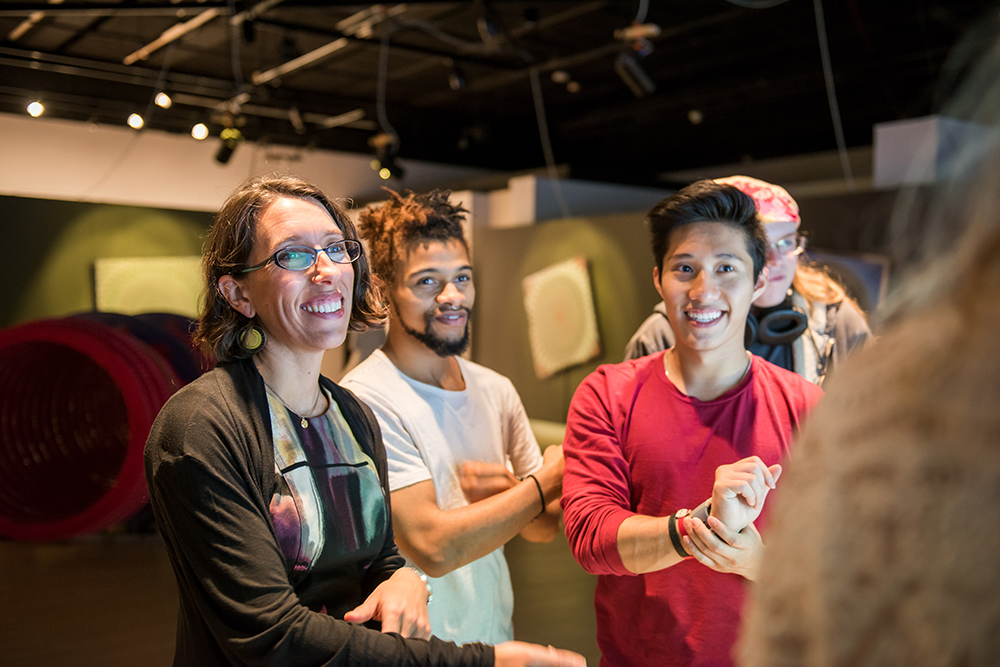
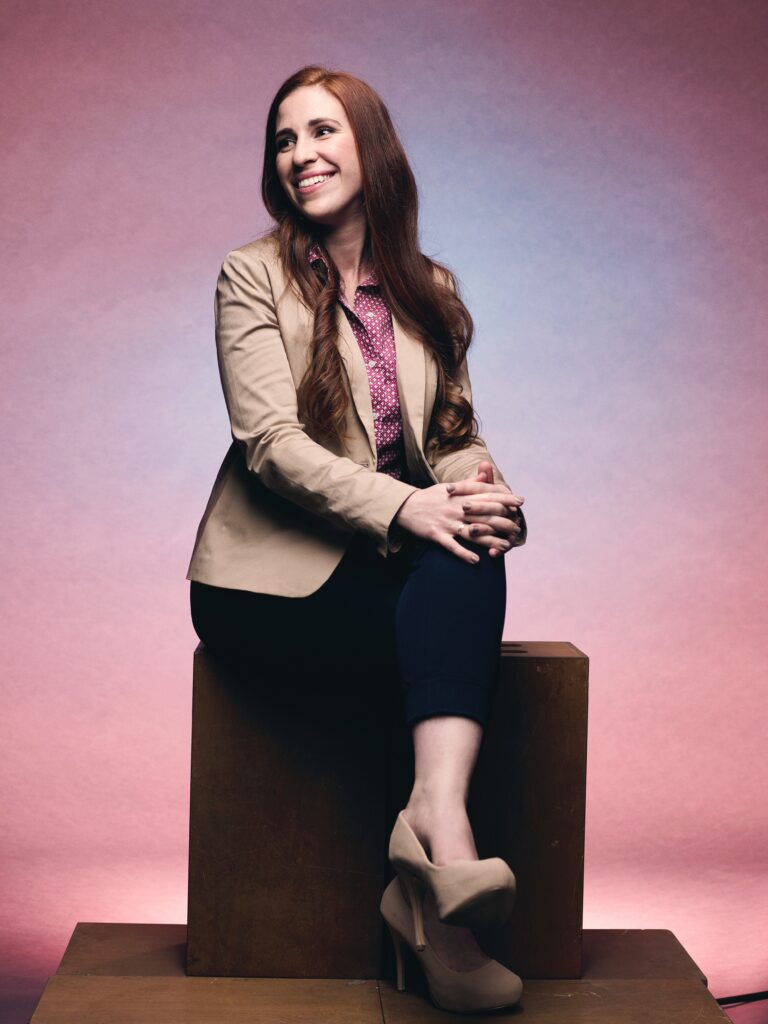
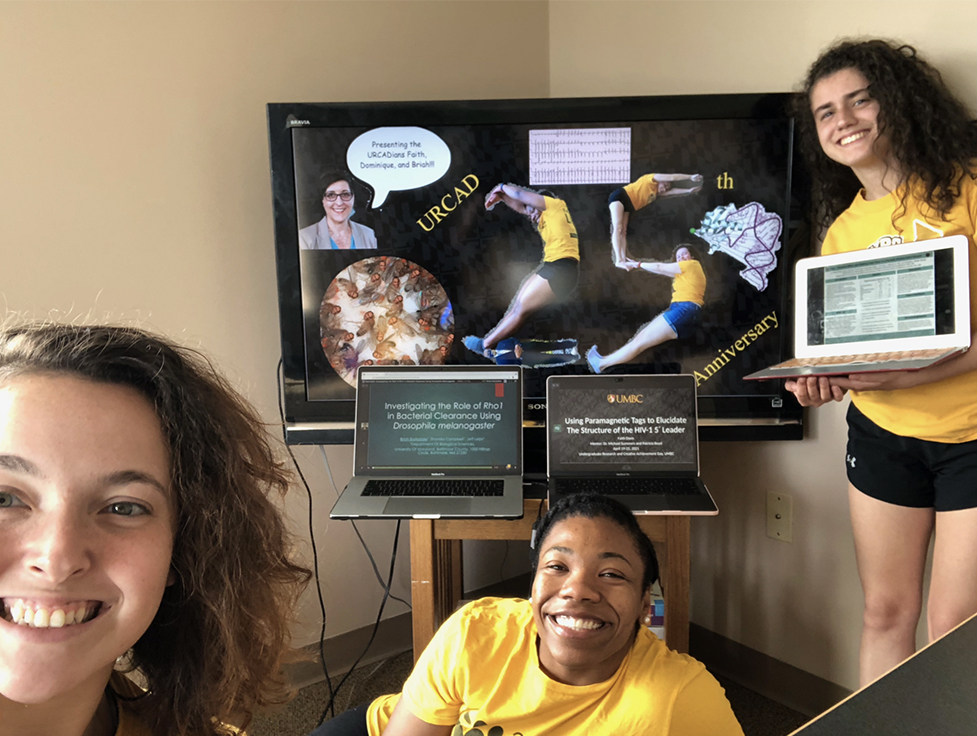
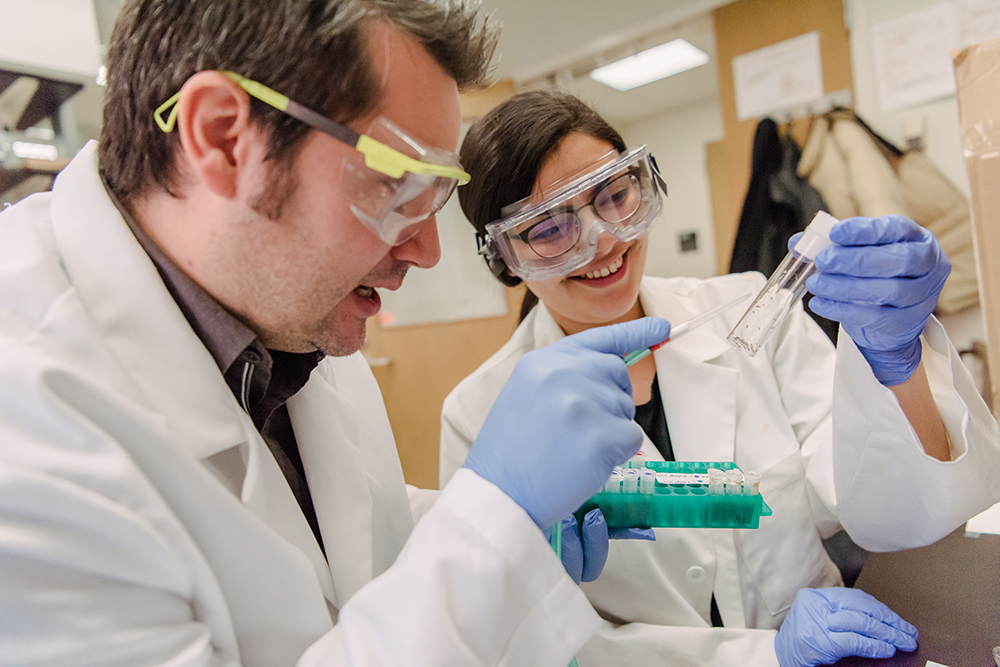
    <div class="html-content"><div>UMBC News on what to see and do at URCAD:</div><div><a href="https://news.umbc.edu/four-tips-from-umbc-faculty-on-what-to-do-and-see-at-undergraduate-research-and-creative-achievement-day/">https://news.umbc.edu/four-tips-from-umbc-faculty-on-what-to-do-and-see-at-undergraduate-research-and-creative-achievement-day/</a></div><div><br></div><div><p>UMBC’s annual Undergraduate Research and Creative Achievement Day—known on campus as <a href="https://urcad.umbc.edu/" rel="nofollow external" class="bo">URCAD</a>—has long been a must-see event. It’s a chance for community members to get a glimpse of what students have dedicated hours to exploring and creating throughout the year. This year, many wondered if the event would be in person, as COVID cases dipped, but URCAD XXVI will again be online, for the third year in a row, starting today. Why? Going virtual has boosted access and engagement.<br>During the pandemic, what was once a day-long in-person event shifted gears. The new online URCAD format that launched in 2020 spanned a full week. The virtual format enables community members to easily browse projects, performances, and creative works of all types. With <a href="https://voicethread.com/login/" rel="nofollow external" class="bo">VoiceThread,</a> student researchers upload poster presentations, performances, and visual artwork, adding commentary and responding to questions from the online audience over a period of days rather than hours.<br>For each of the past two years, audiences have tuned in from nations around the world at all hours of the day, yielding unprecedented engagement. </p><a href="https://news.umbc.edu/wp-content/uploads/2022/04/Faith-Davis-copy.jpg" rel="nofollow external" class="bo"><img width="977" height="736" src="https://news.umbc.edu/wp-content/uploads/2022/04/Faith-Davis-copy.jpg" alt="" style="max-width: 100%; height: auto;"></a><span>Faith Davis, left, was the winner of the selfie contest with her roommates and their URCAD presentations. Photo provided by April Householder</span>. This year the event will take place April 18 – 24. Student creativity is on display, not just in the work itself but in how each presenter uses the online format to their advantage. Many share their work in ways that wouldn’t be possible at an in-person event with physical posters and more traditional presentations and performances. <br>Here are four tips from faculty whose students have participated in URCAD in years past on how to navigate this exciting event.<p><br><strong>#1 Set aside more time than you expect. You’ll use every minute.<br></strong>“Because you’ll be blown away by the depth and creativity of everyone’s projects, give yourself time to fully experience presentations, from start to finish,” says <strong>Lia Purpura</strong>, writer in residence at UMBC. “As when attending any big conference—pace yourself.”<strong> <br></strong>Consider starting by taking the time to explore the full list of URCAD projects, which is available by student name and department. You can search for specific terms that interest you, or peruse <a href="https://urcad.umbc.edu/sneak-peeks/" rel="nofollow external" class="bo">“sneak peeks” of highlighted projects.</a></p><p><a href="https://urcad.umbc.edu/sneak-peeks/" rel="nofollow external" class="bo"><br></a><strong>#2 Post a comment or question</strong>—<strong>it makes a huge difference.<br></strong>“Interact with the presenters via VoiceThread. Since this year is virtual, the presentations will be live over several days and presenters will have a chance to answer questions and take comments within the VoiceThread platform,” explains <strong><a href="https://magazine.umbc.edu/corrie-parks-artist-community-builder-and-advocate-for-students/" rel="nofollow external" class="bo">Corrie Parks</a></strong>, assistant professor of visual arts.</p><a href="https://magazine.umbc.edu/wp-content/uploads/2022/04/First-professor.jpg" rel="nofollow external" class="bo"><img src="https://magazine.umbc.edu/wp-content/uploads/2022/04/First-professor.jpg" alt="" style="max-width: 100%; height: auto;"></a><span>Visual arts Professor Corrie Parks smiles with students at an art exhibit</span>.Parks’ students often share their animations through URCAD. “As a presenter, it’s a great encouragement to get a question or comment, because then they know someone is watching their presentation,” she shares. Instructions on how to use VoiceThread are available through <a href="https://wiki.umbc.edu/pages/viewpage.action?pageId=111806484#HowdoIparticipateinURCAD2022OnlineviaVoiceThread?-visitorsguide" rel="nofollow external" class="bo">an online visitor guide</a>. <p><br><strong>#3 Seek out projects on topics that are new to you.<br></strong>URCAD is a great chance for people interested in the same topic to connect with each other. It’s also a wonderful opportunity to explore something that’s entirely new. <strong>Marc Olano</strong>, associate dean of academic programs and learning for UMBC’s College of Engineering and Information Technology, says, “Don’t forget the creative achievement pieces. There can be a lot of focus on the research side of the Undergraduate Research and Creative Achievement Day, but the artistic work is well worth checking out!” Olano is also director of the game development track in computer science, so it’s no surprise when he shares, “I am, of course, partial to the games!”</p><p><br><strong>#4 Always catch the keynote speaker. They offer relatable advice.<br></strong>“The keynote is with no doubt a highlight of the event. It usually is a perfect combination of inspiring work accomplishments and career advice at the personal and professional level,” says <strong>Fernando Vonhoff,</strong> assistant professor of biological sciences. </p><a href="https://magazine.umbc.edu/wp-content/uploads/2022/04/V-Proffessor.jpg" rel="nofollow external" class="bo"><img src="https://magazine.umbc.edu/wp-content/uploads/2022/04/V-Proffessor.jpg" alt="" style="max-width: 100%; height: auto;"></a><span>Biological sciences Professor Fernando Vonhoff in the lab with a student. </span>“It is encouraging for anyone to hear from people who had to work hard and overcome all kinds of challenges to get where they are now,” Vonhoff says. “Most importantly, we get a realistic feeling that we can do it, too.”<br>This year’s <a href="https://urcad.umbc.edu/speaker/" rel="nofollow external" class="bo">keynote speaker</a> is <a href="https://magazine.umbc.edu/chasing-antibodies/" rel="nofollow external" class="bo"><strong>Kaitlyn Sadtler</strong></a><strong> </strong>’11, biological sciences, introduced by President <strong>Freeman Hrabowski</strong>. Sadtler is an Earl Stadtman tenure-track investigator at the National Institute of Biomedical Imaging and Bioengineering, a division of the NIH, and a <a href="https://magazine.umbc.edu/the-alumni-awards-return/" rel="nofollow external" class="bo">UMBC Alumni Award winner</a>. <img src="https://magazine.umbc.edu/wp-content/uploads/2021/10/Kaitlyn_Sadtler-768x1024.jpg" alt="Kaitlyn Sadtler posing" style="max-width: 100%; height: auto;"><span>Portrait by Bret Hartman/TED</span>, <span>provided by Kaitlyn Sadtler.</span>Sadtler will discuss her work studying SARS-CoV-2 infections as well as her path from student to scientist.<br>Participants and attendees alike are invited to share their URCAD advice, experience, and congratulations to students via #UMBCurcad.<br><span>Featured image: An illuminated signboard welcomes people to URCAD. <span>All photos by Marlayna Demond ’11 for UMBC, unless otherwise noted.</span></span></div></div>
]]>
</Body>
<Summary>UMBC News on what to see and do at URCAD:  https://news.umbc.edu/four-tips-from-umbc-faculty-on-what-to-do-and-see-at-undergraduate-research-and-creative-achievement-day/      UMBC’s annual...</Summary>
<Website>http://urcad.umbc.edu</Website>
<TrackingUrl>https://beta.my.umbc.edu/api/v0/pixel/news/118709/guest@my.umbc.edu/f8efe6b18cba958ab2f45d054f45140b/api/pixel</TrackingUrl>
<Group token="undergradresearch">Undergraduate Research</Group>
<GroupUrl>https://beta.my.umbc.edu/groups/undergradresearch</GroupUrl>
<AvatarUrl>https://assets2-beta.my.umbc.edu/system/shared/avatars/groups/000/000/006/875606ced2b629148af4caa1a4e8dd3c/xsmall.png?1600355057</AvatarUrl>
<AvatarUrl size="original">https://assets3-beta.my.umbc.edu/system/shared/avatars/groups/000/000/006/875606ced2b629148af4caa1a4e8dd3c/original.jpg?1600355057</AvatarUrl>
<AvatarUrl size="xxlarge">https://assets4-beta.my.umbc.edu/system/shared/avatars/groups/000/000/006/875606ced2b629148af4caa1a4e8dd3c/xxlarge.png?1600355057</AvatarUrl>
<AvatarUrl size="xlarge">https://assets1-beta.my.umbc.edu/system/shared/avatars/groups/000/000/006/875606ced2b629148af4caa1a4e8dd3c/xlarge.png?1600355057</AvatarUrl>
<AvatarUrl size="large">https://assets2-beta.my.umbc.edu/system/shared/avatars/groups/000/000/006/875606ced2b629148af4caa1a4e8dd3c/large.png?1600355057</AvatarUrl>
<AvatarUrl size="medium">https://assets2-beta.my.umbc.edu/system/shared/avatars/groups/000/000/006/875606ced2b629148af4caa1a4e8dd3c/medium.png?1600355057</AvatarUrl>
<AvatarUrl size="small">https://assets4-beta.my.umbc.edu/system/shared/avatars/groups/000/000/006/875606ced2b629148af4caa1a4e8dd3c/small.png?1600355057</AvatarUrl>
<AvatarUrl size="xsmall">https://assets2-beta.my.umbc.edu/system/shared/avatars/groups/000/000/006/875606ced2b629148af4caa1a4e8dd3c/xsmall.png?1600355057</AvatarUrl>
<AvatarUrl size="xxsmall">https://assets4-beta.my.umbc.edu/system/shared/avatars/groups/000/000/006/875606ced2b629148af4caa1a4e8dd3c/xxsmall.png?1600355057</AvatarUrl>
<Sponsor>Undergraduate Research</Sponsor>
<ThumbnailUrl size="xxlarge">https://assets1-beta.my.umbc.edu/system/shared/thumbnails/news/000/118/709/f55101dd203ac8a5148b11cef480816e/xxlarge.jpg?1650343824</ThumbnailUrl>
<ThumbnailUrl size="xlarge">https://assets1-beta.my.umbc.edu/system/shared/thumbnails/news/000/118/709/f55101dd203ac8a5148b11cef480816e/xlarge.jpg?1650343824</ThumbnailUrl>
<ThumbnailUrl size="large">https://assets4-beta.my.umbc.edu/system/shared/thumbnails/news/000/118/709/f55101dd203ac8a5148b11cef480816e/large.jpg?1650343824</ThumbnailUrl>
<ThumbnailUrl size="medium">https://assets4-beta.my.umbc.edu/system/shared/thumbnails/news/000/118/709/f55101dd203ac8a5148b11cef480816e/medium.jpg?1650343824</ThumbnailUrl>
<ThumbnailUrl size="small">https://assets1-beta.my.umbc.edu/system/shared/thumbnails/news/000/118/709/f55101dd203ac8a5148b11cef480816e/small.jpg?1650343824</ThumbnailUrl>
<ThumbnailUrl size="xsmall">https://assets2-beta.my.umbc.edu/system/shared/thumbnails/news/000/118/709/f55101dd203ac8a5148b11cef480816e/xsmall.jpg?1650343824</ThumbnailUrl>
<ThumbnailUrl size="xxsmall">https://assets2-beta.my.umbc.edu/system/shared/thumbnails/news/000/118/709/f55101dd203ac8a5148b11cef480816e/xxsmall.jpg?1650343824</ThumbnailUrl>
<PawCount>3</PawCount>
<CommentCount>0</CommentCount>
<CommentsAllowed>true</CommentsAllowed>
<PostedAt>Tue, 19 Apr 2022 00:50:51 -0400</PostedAt>
</NewsItem>

<NewsItem contentIssues="true" id="118693" important="false" status="posted" url="https://beta.my.umbc.edu/groups/lsamp/posts/118693">
<Title>Sondheim Scholars Presenting at URCAD</Title>
<Body>
<![CDATA[
    <div class="html-content">URCAD is LIVE, April 18-24, online!<div>URCAD.umbc.edu</div><div><br></div><div><p><span>Erin Kosloski <span>| <strong>Categorizing Errors to Improve Learning Outcomes</strong> | Dr. Mirela Cengher | Psychology &amp; INDS</span></span><span></span></p><p><span> </span></p><p><span>Se Rin Lee | </span><strong><span>Understanding How Natural Reinforcers Regulate Spatial &amp; Contextual Learning &amp; Examining the Associated Sex Differences </span></strong><span>| Dr. Tara LeGates | Biological Sciences</span></p><p><span> </span></p><p><span>Zinedine Partipilo <span>| <strong>How Does Financial Literacy Affect Student Loan Behavior?</strong> | Tim Gindling | Economics</span></span><span></span></p></div></div>
]]>
</Body>
<Summary>URCAD is LIVE, April 18-24, online! URCAD.umbc.edu      Erin Kosloski | Categorizing Errors to Improve Learning Outcomes | Dr. Mirela Cengher | Psychology &amp; INDS     Se Rin Lee | Understanding...</Summary>
<Website>http://urcad.umbc.edu</Website>
<TrackingUrl>https://beta.my.umbc.edu/api/v0/pixel/news/118693/guest@my.umbc.edu/1d2eadcb73ea87eb71efbe7c5b13643c/api/pixel</TrackingUrl>
<Group token="undergradresearch">Undergraduate Research</Group>
<GroupUrl>https://beta.my.umbc.edu/groups/undergradresearch</GroupUrl>
<AvatarUrl>https://assets2-beta.my.umbc.edu/system/shared/avatars/groups/000/000/006/875606ced2b629148af4caa1a4e8dd3c/xsmall.png?1600355057</AvatarUrl>
<AvatarUrl size="original">https://assets3-beta.my.umbc.edu/system/shared/avatars/groups/000/000/006/875606ced2b629148af4caa1a4e8dd3c/original.jpg?1600355057</AvatarUrl>
<AvatarUrl size="xxlarge">https://assets4-beta.my.umbc.edu/system/shared/avatars/groups/000/000/006/875606ced2b629148af4caa1a4e8dd3c/xxlarge.png?1600355057</AvatarUrl>
<AvatarUrl size="xlarge">https://assets1-beta.my.umbc.edu/system/shared/avatars/groups/000/000/006/875606ced2b629148af4caa1a4e8dd3c/xlarge.png?1600355057</AvatarUrl>
<AvatarUrl size="large">https://assets2-beta.my.umbc.edu/system/shared/avatars/groups/000/000/006/875606ced2b629148af4caa1a4e8dd3c/large.png?1600355057</AvatarUrl>
<AvatarUrl size="medium">https://assets2-beta.my.umbc.edu/system/shared/avatars/groups/000/000/006/875606ced2b629148af4caa1a4e8dd3c/medium.png?1600355057</AvatarUrl>
<AvatarUrl size="small">https://assets4-beta.my.umbc.edu/system/shared/avatars/groups/000/000/006/875606ced2b629148af4caa1a4e8dd3c/small.png?1600355057</AvatarUrl>
<AvatarUrl size="xsmall">https://assets2-beta.my.umbc.edu/system/shared/avatars/groups/000/000/006/875606ced2b629148af4caa1a4e8dd3c/xsmall.png?1600355057</AvatarUrl>
<AvatarUrl size="xxsmall">https://assets4-beta.my.umbc.edu/system/shared/avatars/groups/000/000/006/875606ced2b629148af4caa1a4e8dd3c/xxsmall.png?1600355057</AvatarUrl>
<Sponsor>Undergraduate Research</Sponsor>
<ThumbnailUrl size="xxlarge">https://assets2-beta.my.umbc.edu/system/shared/thumbnails/news/000/118/693/34da7d0f8ad733f2d6ab3cd9fcb410e0/xxlarge.jpg?1650313324</ThumbnailUrl>
<ThumbnailUrl size="xlarge">https://assets3-beta.my.umbc.edu/system/shared/thumbnails/news/000/118/693/34da7d0f8ad733f2d6ab3cd9fcb410e0/xlarge.jpg?1650313324</ThumbnailUrl>
<ThumbnailUrl size="large">https://assets1-beta.my.umbc.edu/system/shared/thumbnails/news/000/118/693/34da7d0f8ad733f2d6ab3cd9fcb410e0/large.jpg?1650313324</ThumbnailUrl>
<ThumbnailUrl size="medium">https://assets2-beta.my.umbc.edu/system/shared/thumbnails/news/000/118/693/34da7d0f8ad733f2d6ab3cd9fcb410e0/medium.jpg?1650313324</ThumbnailUrl>
<ThumbnailUrl size="small">https://assets1-beta.my.umbc.edu/system/shared/thumbnails/news/000/118/693/34da7d0f8ad733f2d6ab3cd9fcb410e0/small.jpg?1650313324</ThumbnailUrl>
<ThumbnailUrl size="xsmall">https://assets3-beta.my.umbc.edu/system/shared/thumbnails/news/000/118/693/34da7d0f8ad733f2d6ab3cd9fcb410e0/xsmall.jpg?1650313324</ThumbnailUrl>
<ThumbnailUrl size="xxsmall">https://assets1-beta.my.umbc.edu/system/shared/thumbnails/news/000/118/693/34da7d0f8ad733f2d6ab3cd9fcb410e0/xxsmall.jpg?1650313324</ThumbnailUrl>
<PawCount>4</PawCount>
<CommentCount>0</CommentCount>
<CommentsAllowed>true</CommentsAllowed>
<PostedAt>Mon, 18 Apr 2022 16:22:20 -0400</PostedAt>
</NewsItem>

<NewsItem contentIssues="true" id="118692" important="false" status="posted" url="https://beta.my.umbc.edu/groups/lsamp/posts/118692">
<Title>Student Athlete Presenters at URCAD</Title>
<Body>
<![CDATA[
    <div class="html-content">URCAD is LIVE April 18-24, online!<div>URCAD.umbc.edu</div><div><br></div><div><p><span>Anjayooluwa Adegboyo | <strong>Investigation of iATP-SnFR1.0 Activi</strong>ty | Dr. Minjoung Kyoung | Biochemistry &amp; Molecular Biology</span></p><p> </p><p><span>Gillian McCarthy | <strong>Structural and Functional Mechanisms of Endogenous Pain Modulation: A Literature Review</strong> | Raimi Quiton | Biological Sciences</span><span></span></p><p><span> </span></p><p><span>Hanna Tran | <strong>Sunshine </strong>| Corrie Parks | Visual Arts</span></p></div></div>
]]>
</Body>
<Summary>URCAD is LIVE April 18-24, online! URCAD.umbc.edu      Anjayooluwa Adegboyo | Investigation of iATP-SnFR1.0 Activity | Dr. Minjoung Kyoung | Biochemistry &amp; Molecular Biology     Gillian...</Summary>
<Website>http://urcad.umbc.edu</Website>
<TrackingUrl>https://beta.my.umbc.edu/api/v0/pixel/news/118692/guest@my.umbc.edu/f7eada9cfee0aa371c7874c04efd5cdd/api/pixel</TrackingUrl>
<Group token="undergradresearch">Undergraduate Research</Group>
<GroupUrl>https://beta.my.umbc.edu/groups/undergradresearch</GroupUrl>
<AvatarUrl>https://assets2-beta.my.umbc.edu/system/shared/avatars/groups/000/000/006/875606ced2b629148af4caa1a4e8dd3c/xsmall.png?1600355057</AvatarUrl>
<AvatarUrl size="original">https://assets3-beta.my.umbc.edu/system/shared/avatars/groups/000/000/006/875606ced2b629148af4caa1a4e8dd3c/original.jpg?1600355057</AvatarUrl>
<AvatarUrl size="xxlarge">https://assets4-beta.my.umbc.edu/system/shared/avatars/groups/000/000/006/875606ced2b629148af4caa1a4e8dd3c/xxlarge.png?1600355057</AvatarUrl>
<AvatarUrl size="xlarge">https://assets1-beta.my.umbc.edu/system/shared/avatars/groups/000/000/006/875606ced2b629148af4caa1a4e8dd3c/xlarge.png?1600355057</AvatarUrl>
<AvatarUrl size="large">https://assets2-beta.my.umbc.edu/system/shared/avatars/groups/000/000/006/875606ced2b629148af4caa1a4e8dd3c/large.png?1600355057</AvatarUrl>
<AvatarUrl size="medium">https://assets2-beta.my.umbc.edu/system/shared/avatars/groups/000/000/006/875606ced2b629148af4caa1a4e8dd3c/medium.png?1600355057</AvatarUrl>
<AvatarUrl size="small">https://assets4-beta.my.umbc.edu/system/shared/avatars/groups/000/000/006/875606ced2b629148af4caa1a4e8dd3c/small.png?1600355057</AvatarUrl>
<AvatarUrl size="xsmall">https://assets2-beta.my.umbc.edu/system/shared/avatars/groups/000/000/006/875606ced2b629148af4caa1a4e8dd3c/xsmall.png?1600355057</AvatarUrl>
<AvatarUrl size="xxsmall">https://assets4-beta.my.umbc.edu/system/shared/avatars/groups/000/000/006/875606ced2b629148af4caa1a4e8dd3c/xxsmall.png?1600355057</AvatarUrl>
<Sponsor>Undergraduate Research</Sponsor>
<ThumbnailUrl size="xxlarge">https://assets2-beta.my.umbc.edu/system/shared/thumbnails/news/000/118/692/e9ac7d09114fc407ee72001b93969889/xxlarge.jpg?1650312992</ThumbnailUrl>
<ThumbnailUrl size="xlarge">https://assets1-beta.my.umbc.edu/system/shared/thumbnails/news/000/118/692/e9ac7d09114fc407ee72001b93969889/xlarge.jpg?1650312992</ThumbnailUrl>
<ThumbnailUrl size="large">https://assets3-beta.my.umbc.edu/system/shared/thumbnails/news/000/118/692/e9ac7d09114fc407ee72001b93969889/large.jpg?1650312992</ThumbnailUrl>
<ThumbnailUrl size="medium">https://assets2-beta.my.umbc.edu/system/shared/thumbnails/news/000/118/692/e9ac7d09114fc407ee72001b93969889/medium.jpg?1650312992</ThumbnailUrl>
<ThumbnailUrl size="small">https://assets2-beta.my.umbc.edu/system/shared/thumbnails/news/000/118/692/e9ac7d09114fc407ee72001b93969889/small.jpg?1650312992</ThumbnailUrl>
<ThumbnailUrl size="xsmall">https://assets2-beta.my.umbc.edu/system/shared/thumbnails/news/000/118/692/e9ac7d09114fc407ee72001b93969889/xsmall.jpg?1650312992</ThumbnailUrl>
<ThumbnailUrl size="xxsmall">https://assets4-beta.my.umbc.edu/system/shared/thumbnails/news/000/118/692/e9ac7d09114fc407ee72001b93969889/xxsmall.jpg?1650312992</ThumbnailUrl>
<PawCount>3</PawCount>
<CommentCount>0</CommentCount>
<CommentsAllowed>true</CommentsAllowed>
<PostedAt>Mon, 18 Apr 2022 16:16:47 -0400</PostedAt>
</NewsItem>

</News>