UMBC leads research team to study COVID-19-related discrimination against Chinese Americans
As the COVID-19 outbreak originating in China has spread to populations across all continents except Antarctica, racism and discrimination against Chinese-American people have also increased. A team of researchers from UMBC and the University of Maryland, College Park (UMD) just received a Rapid Response Research (RAPID) grant from the National Science Foundation to examine this intensified discrimination. They are also researching Chinese-American families’ coping strategies.
This research is led by PI Charissa Cheah, professor of psychology at UMBC. Her co-investigators are Shimei Pan, assistant professor of information systems at UMBC, and Cixin Wang, assistant professor of school psychology at UMD. Their study, “RAPID: Influences of the Coronavirus (COVID-19) Outbreak on Racial Discrimination, Identity Development and Socialization,” is the one of first NSF research awards granted to examine the COVID-19 outbreak.
Charissa Cheah.
Cheah, Pan, and Wang will collect data on public opinion, the social climate, and the experiences of Chinese-American families. They seek to capture the current moment and make it possible for future researchers to study this phenomenon in the longer term.
“The negative impact of infectious diseases on psychological health is understudied but highly significant, especially for minority groups linked to the disease through social group categorization,” says Cheah. She explains, “The results from this study will significantly contribute to our understanding of risk and resilience processes among parents and children under conditions of an acute but prolonged health and social threat.”
Understanding the impact
As social scientists, Cheah and Wang will conduct focus groups and surveys to understand how various forms of racial discrimination connected to the COVID-19 outbreak are impacting families, particularly the identity development and adjustment of Chinese-American children. After the initial research phase, they will complete follow-up research six to nine months later to learn how parents have helped socialize their children and offered coping strategies around issues of race, identity, and psychosocial adjustment, in response to discrimination.
Pan, a computer scientist, will lead the analysis of outbreak-related Twitter posts to understand how public opinion, including anxiety and discriminatory attitudes, change as the outbreak intensifies or slows. Pan will apply large-scale social media analytics to study Twitter data from late 2019 onward, to ensure she captures posts from the moment the COVID-19 outbreak began.
Shimei Pan
The research is significant to Pan on a personal level, as a Chinese American and a parent. “I am aware of the related events and sentiments expressed in the news. As a parent to a Chinese American teenage son, I wonder how this experience will influence his identity formation now and as an adult,” she shares.
This project will also provide graduate and undergraduate students with an opportunity to conduct culturally-sensitive research with racial and ethnic minority families using multi-method and interdisciplinary approaches.
Cixin Wang. Photo courtesy of UMD.
“As a researcher focusing on bullying and mental health, I have seen and heard about discrimination towards Chinese-American and other Asian-American students, and increased anxiety related to COVID-19,” says Wang. “We aim to study the unfolding outbreak and related discrimination against Chinese Americans and other Asian populations to identify specific ways to promote resilience and support children and families during this challenging time.”
Cheah values the opportunity to do research that will immediately impact an urgent real-world issue, and also have a lasting impact on communities. She notes, “Knowledge from this RAPID grant will help educators, health care providers, and policymakers to proactively support targeted marginalized groups and the larger public during future emergency events.”
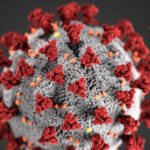
Banner image:The coronavirus. Image by Alachua County, used under Public Domain Mark 1.0.
]]>
As the COVID-19 outbreak originating in China has spread to populations across all continents except Antarctica, racism and discrimination against Chinese-American people have also increased. A...https://umbc.edu/stories/umbc-umd-researchers-to-study-covid-19-related-discrimination-against-chinese-americans/https://beta.my.umbc.edu/api/v0/pixel/news/119939/guest@my.umbc.edu/2b4f4e8c9f2aaa2d14f6ba35c37d0fb3/api/pixelcahsscoeitcovidresearchispage1policy-and-societypsychologyscience-and-technologyUMBC News & Magazinehttps://beta.my.umbc.edu/groups/umbc-news-magazinehttps://assets1-beta.my.umbc.edu/system/shared/avatars/groups/000/001/943/24435aa6207c452e7bc15cc74b42c7bb/xsmall.png?1748556657https://assets1-beta.my.umbc.edu/system/shared/avatars/groups/000/001/943/24435aa6207c452e7bc15cc74b42c7bb/original.png?1748556657https://assets2-beta.my.umbc.edu/system/shared/avatars/groups/000/001/943/24435aa6207c452e7bc15cc74b42c7bb/xxlarge.png?1748556657https://assets2-beta.my.umbc.edu/system/shared/avatars/groups/000/001/943/24435aa6207c452e7bc15cc74b42c7bb/xlarge.png?1748556657https://assets3-beta.my.umbc.edu/system/shared/avatars/groups/000/001/943/24435aa6207c452e7bc15cc74b42c7bb/large.png?1748556657https://assets1-beta.my.umbc.edu/system/shared/avatars/groups/000/001/943/24435aa6207c452e7bc15cc74b42c7bb/medium.png?1748556657https://assets2-beta.my.umbc.edu/system/shared/avatars/groups/000/001/943/24435aa6207c452e7bc15cc74b42c7bb/small.png?1748556657https://assets1-beta.my.umbc.edu/system/shared/avatars/groups/000/001/943/24435aa6207c452e7bc15cc74b42c7bb/xsmall.png?1748556657https://assets2-beta.my.umbc.edu/system/shared/avatars/groups/000/001/943/24435aa6207c452e7bc15cc74b42c7bb/xxsmall.png?1748556657UMBC News & Magazine00falseFri, 06 Mar 2020 19:50:58 -0500International team led by UMBC identifies new bird species in the South Pacific
In the 1930s, famed biologist Ernst Mayr became the first to study Pacific Robins. Based on his observations of the robins and other birds on Australia and its outlying islands, he developed foundational concepts that continue to inform the study of evolution. He took copious notes on the birds’ physical characteristics, behaviors, and habitats. Always, he described the robin populations as a single species, albeit with significant variation from island to island.
Ernst Mayr made lasting contributions to evolutionary biology—but like most scientists, he wasn’t right about everything.
Bold new claims
Anna Kearns is a former UMBC postdoctoral fellow now at the Smithsonian Institution’s Conservation Biology Institute. With her UMBC postdoc advisor Kevin Omland and other colleagues, she has conducted new investigations into the relationships among Pacific Robins on various islands using many of the same bird specimens Mayr himself used. The difference is, “He would have mainly been just using his eyes” to compare specimens, Kearns says. She and her colleagues have had the advantage of major advances in technology since Mayr’s time.
Anna Kearns in the collections of the American Museum of Natural History in New York. These robin specimens were collected almost 100 years ago by Ernst Mayr and others, and have proven invaluable to the modern study of the birds’ evolution. Photo courtesy Anna Kearns.
Kearns has built on Mayr’s work by using techniques like DNA sequencing and spectrophotometry, which quantitatively compares the hue, brightness, and saturation of feathers. She has come to a more nuanced understanding of the relationships between, say, a robin on Fiji and one on the Solomon Islands.
As a result of this research, Kearns and colleagues from UMBC, the Australian National Wildlife Collection, Australian Centre for Ancient DNA, and the Smithsonian National Museum of Natural History are making bold new claims about the relationships between these birds. In a2015 paper in Conservation Genetics, Kearns demonstrated that robins living on Norfolk Island, directly east of mainland Australia, are a distinct species from the rest. Anew paper in the Journal of Avian Biology published this month indicates two more unique species—one that inhabits the Solomon and Bougainville Islands, and another that lives on Fiji, Vanuatu, and Samoa.
Preserving biodiversity
The new work demonstrates just how much is still unknown about avian biodiversity. “Even in this well-studied group of birds, that’s been a textbook example since 1942, we did not really know what the units of biodiversity were,” says Omland, professor of biological sciences at UMBC, and senior author on the new paper.
Kevin Omland, second from right, discusses research with a few of his students. Photo by Marlayna Demond ’11 for UMBC.
Understanding those “units of biodiversity” is critical for conservation. When all the Pacific Robins and mainland Australia’s Scarlet Robin were considered a single species (a single unit of biodiversity), the loss of the birds on one or two islands would be unfortunate, but not necessarily very impactful. If those birds were actually the only remaining members of a unique species, however, the same loss becomes catastrophic.
“What Anna’s work is showing is that the bird populations on these islands have very distinctive traits,” Omland adds, “so just knowing what the biodiversity is that we want to conserve is super important.”
Unpredictable patterns
The team’s work indicates that all the Pacific Robins are descended from an ancestral Australian population where males were brightly-colored and females were dull-colored. But as small groups of robins colonized the outlying islands, the population on each island took its own evolutionary path. Today, some island groups still maintain the bright male and dull female pattern, but on other islands both sexes have evolved bright coloration. On other islands, both sexes have evolved dull coloration.
This figure from the new paper visually explains the location and coloration patterns of the different robins that Kearns, Omland, and their colleagues studied.
“When you look at the genetics, you find two distinct lineages” leading from the common ancestor to all the island populations that exist today, Kearns says. “So that means these patterns have evolved independently multiple times.”
Kearns and Omland think the changes have more to do with random forces than evolutionary adaptation. “If we flipped two coins, this is about what we’d expect,” Omland says.
For example, the pattern an island’s population ended up with could depend on the color of the individuals that happened to get blown onto that island initially. Also, in a very small population, the random way genes are redistributed from generation to generation can have a significant impact—as much of an effect or more than natural selection.
Detective work
Kearns and Omland are both excited to have the opportunity to suggest names for the new species they’ve identified. Kearns suggests “Mayr’s Robin” for the Fiji/Vanuatu/Samoa population, in honor of Ernst Mayr’s pioneering study of these birds.
These robins are in the American Museum of Natural History in New York City, where Kearns conducted much of her research. Some of the handwritten notes are from Ernst Mayr himself in the 1930s. Photo courtesy Anna Kearns.
But their contribution to ornithology is more than a name. “Because these birds are all on very small isolated islands, and Pacific birds are often on many, many, many isolated islands, collecting is very difficult. So there haven’t actually been that many comprehensive studies,” Kearns says. Revealing the complexity of the relationships among these robins adds much-needed information to the field. It also raises the prospect that other birds—especially those on islands—might have undergone similar, as-yet-unstudied, evolutionary processes.
The work is a unique blend of past and present. “You really wouldn’t be able to do this study without using these old collections,” Kearns says. At the same time, discovering the new species also wouldn’t have been possible without modern techniques.
“It’s kind of like detective work in a way,” Kearns says. “I feel like there’s just so much more we need to know about it. But we feel like we have made a big step forward.”
Banner image: Kevin Omland (rear) goes birdwatching at UMBC’s Library Pond with a group of his students. Photo by Marlaynd Demond ’11 for UMBC.
]]>
In the 1930s, famed biologist Ernst Mayr became the first to study Pacific Robins. Based on his observations of the robins and other birds on Australia and its outlying islands, he developed...https://umbc.edu/stories/international-team-led-by-umbc-identifies-new-bird-species-in-the-south-pacific/https://beta.my.umbc.edu/api/v0/pixel/news/119940/guest@my.umbc.edu/7da42a28b3ebb3a1e1dee5a7e4da1dd7/api/pixelbiologycnmsgradresearchresearchscience-and-technologyUMBC News & Magazinehttps://beta.my.umbc.edu/groups/umbc-news-magazinehttps://assets1-beta.my.umbc.edu/system/shared/avatars/groups/000/001/943/24435aa6207c452e7bc15cc74b42c7bb/xsmall.png?1748556657https://assets1-beta.my.umbc.edu/system/shared/avatars/groups/000/001/943/24435aa6207c452e7bc15cc74b42c7bb/original.png?1748556657https://assets2-beta.my.umbc.edu/system/shared/avatars/groups/000/001/943/24435aa6207c452e7bc15cc74b42c7bb/xxlarge.png?1748556657https://assets2-beta.my.umbc.edu/system/shared/avatars/groups/000/001/943/24435aa6207c452e7bc15cc74b42c7bb/xlarge.png?1748556657https://assets3-beta.my.umbc.edu/system/shared/avatars/groups/000/001/943/24435aa6207c452e7bc15cc74b42c7bb/large.png?1748556657https://assets1-beta.my.umbc.edu/system/shared/avatars/groups/000/001/943/24435aa6207c452e7bc15cc74b42c7bb/medium.png?1748556657https://assets2-beta.my.umbc.edu/system/shared/avatars/groups/000/001/943/24435aa6207c452e7bc15cc74b42c7bb/small.png?1748556657https://assets1-beta.my.umbc.edu/system/shared/avatars/groups/000/001/943/24435aa6207c452e7bc15cc74b42c7bb/xsmall.png?1748556657https://assets2-beta.my.umbc.edu/system/shared/avatars/groups/000/001/943/24435aa6207c452e7bc15cc74b42c7bb/xxsmall.png?1748556657UMBC News & Magazine00falseFri, 06 Mar 2020 18:36:22 -0500Chronicling history’s unsung heroes – Kristina Gaddy ’09
Venturing into a Gestapo interrogation cell is not the way many people would choose to do research.
Nevertheless, Kristina R. Gaddy ’09, history and modern languages and linguistics, felt it was crucial to the process of writing her first book, Flowers in the Gutter. The book tells the true account of the Edelweiss Pirates, German teenagers who resisted the Nazi regime with acts from playing forbidden music to disseminating anti-Nazi flyers.
The kind of stories we need
“There’s a lot of dystopian fiction out there of kids living in an awful world and trying to resist and I always imagine this is the real-life story of kids living in dystopia. What would you actually be doing?” says Gaddy.
Sadly, these stories often ended up in interrogation cells like the preserved one Gaddy visited in Cologne, Germany. “It was really important for me to go to those spaces and experience them as they would have experienced them,” says Gaddy. She also used the trip to dive deep into archives from the time, all in German. It was a chilling and often depressing experience, she says, but it was also part of understanding the pirates’ little-known movement.
While “there’s been so much written about World War II,” Gaddy says that “there are still things that are needed to be written.” Many people know about the White Rose resistance movement, she says, but much of Edelweiss Pirates’ story has remained untold. “We think it’s just natural that you do something heroic and people are going to just say that it’s wonderful [but] that’s not the reality,” she says.
In documenting the teens’ rebellious acts, Gaddy also highlights just how relatable they are. They wore strange clothes and played their own kind of music and had an irreverence that Gaddy says she found appealing.
“It just felt like alright, this is so compelling, this is the kind of stories that we need,” says Gaddy.
Honing her skills
Figuring out how to tell those stories was a process that started at UMBC. Gaddy graduated in 2009 with degrees in history and modern languages and linguistics before going on to an MFA degree from Goucher College in creative nonfiction writing. Her work has been published in a variety of places including The Washington Post, The Baltimore Sun, Bitch Magazine, and for her first paid publication, UMBC Magazine.
“The type of writing I am interested in doing wouldn’t be possible without the background in history at UMBC,” says Gaddy. “All the research, that’s 100% something I learned to do at UMBC, in terms of writing research papers, getting primary sources, and going in the archives.” All her primary sources being in German called for language skills she honed during her undergraduate years both at UMBC and during a semester abroad in Berlin.
To look critically at history, Gaddy found she also needed to recall her lessons in historiography, or the study of why and how historical stories are told. She says that UMBC history professors Denise Meringolo and Kate Brown helped her ask the questions of “how do we remember this? What is it we are looking at and how is it that different people experience that differently or the same? If we’re then presenting what we know about it, how are we changing the perception as we’re doing that?”
Meringolo says Gaddy distinguished herself early on as a student through her talents in writing and her creative thinking.
“I fully expected that Kristina would pursue a career as a public historian after graduation,” says Meringolo. “Arguably, by becoming a writer of creative non-fiction, she is working as a public historian. Her book tells a true story, and she has worked to identify its most provocative and meaningful core. She has also thought carefully about her intended audience, seeking to understand what they care about and how this story might help transform the ‘foreign country’ of the past into a familiar and meaningful landscape. I am proud of her and I am enormously proud to have played a small role in her life.”
“This is real life”
Gaddy’s book is coming at a time when these questions are more relevant than ever. In fact, she started to work on it during the summer of 2016, when “it felt incredibly timely in terms of political climate and what’s going on. As I was working on it, it was almost like it can’t get any timelier, but it kept getting timelier.”
Her target audience of today’s young adults includes everyone from those protesting in the streets to those who are using racial epithets. She hopes that teachers might use her book in their classes.
“I really feel strongly about non-fiction that it’s a really compelling way to tell stories – this is not a fantasy, this is real life, this is what really happened,” she says. “I hope people feel a little bit inspired by what these kids did and what kind of lessons we can take from their actions and put it into our lives.”
by Karen Stysley
* * * * *
Header image: Gaddy places a candle at the memorial to the Edelweiss Pirates, November 2019.
]]>
Venturing into a Gestapo interrogation cell is not the way many people would choose to do research. Nevertheless, Kristina R. Gaddy ’09, history and modern languages and linguistics, felt it...https://umbc.edu/stories/chronicling-historys-unsung-heroes-kristina-gaddy-09/https://beta.my.umbc.edu/api/v0/pixel/news/119941/guest@my.umbc.edu/e59659de33ef265a77a787506a166f55/api/pixelalumnialumni-profilecahsshistorymllispring-2020UMBC News & Magazinehttps://beta.my.umbc.edu/groups/umbc-news-magazinehttps://assets1-beta.my.umbc.edu/system/shared/avatars/groups/000/001/943/24435aa6207c452e7bc15cc74b42c7bb/xsmall.png?1748556657https://assets1-beta.my.umbc.edu/system/shared/avatars/groups/000/001/943/24435aa6207c452e7bc15cc74b42c7bb/original.png?1748556657https://assets2-beta.my.umbc.edu/system/shared/avatars/groups/000/001/943/24435aa6207c452e7bc15cc74b42c7bb/xxlarge.png?1748556657https://assets2-beta.my.umbc.edu/system/shared/avatars/groups/000/001/943/24435aa6207c452e7bc15cc74b42c7bb/xlarge.png?1748556657https://assets3-beta.my.umbc.edu/system/shared/avatars/groups/000/001/943/24435aa6207c452e7bc15cc74b42c7bb/large.png?1748556657https://assets1-beta.my.umbc.edu/system/shared/avatars/groups/000/001/943/24435aa6207c452e7bc15cc74b42c7bb/medium.png?1748556657https://assets2-beta.my.umbc.edu/system/shared/avatars/groups/000/001/943/24435aa6207c452e7bc15cc74b42c7bb/small.png?1748556657https://assets1-beta.my.umbc.edu/system/shared/avatars/groups/000/001/943/24435aa6207c452e7bc15cc74b42c7bb/xsmall.png?1748556657https://assets2-beta.my.umbc.edu/system/shared/avatars/groups/000/001/943/24435aa6207c452e7bc15cc74b42c7bb/xxsmall.png?1748556657UMBC News & Magazine00falseThu, 05 Mar 2020 14:00:32 -0500Predicting the coronavirus outbreak: How AI connects the dots to warn about disease threats
Canadian artificial intelligence (AI) firm BlueDot has been in the news in recent weeks for warning about the new coronavirus days ahead of the official alerts from the Centers for Disease Control and Prevention and the World Health Organization. The company was able to do this by tapping different sources of information beyond official statistics about the number of cases reported.
BlueDot’s AI algorithm, a type of computer program that improves as it processes more data, brings together news stories in dozens of languages, reports from plant and animal disease tracking networks and airline ticketing data. The result is an algorithm that’s better at simulating disease spread than algorithms that rely on public health data – better enough to be able to predict outbreaks. The company uses the technology to predict and track infectious diseases for its government and private sector customers.
Traditional epidemiology tracks where and when people contract a disease to identify the source of the outbreak and which populations are most at risk. AI systems like BlueDot’s model how diseases spread in populations, which makes it possible to predict where outbreaks will occur and forecast how far and fast diseases will spread. So while the CDC and laboratories around the world race to find cures for the novel coronavirus, researchers are using AI to try to predict where the disease will go next and how much of an impact it might have. Both play a key role in facing the disease.
However, AI is not a silver bullet. The accuracy of AI systems is highly dependent on the amount and quality of the data they learn from. And how AI systems are designed and trained can raise ethical issues, which can be particularly troublesome when the technologies affect large swathes of a population about something as vital as public health.
It’s all about the data
Traditional disease outbreak analysis looks at the location of an outbreak, the number of disease cases and the period of time – the where, what and when – to forecast the likelihood of the disease spreading in a short amount of time.
AI systems look at multiple types of data, like flights in and out of Wuhan Tianhe Airport, to predict disease outbreaks. Painjet/Wikimedia Commons, CC BY-SA
More recent efforts using AI and data science have expanded the what to include many different data sources, which makes it possible to make predictions about outbreaks. With the advent of Facebook, Twitter and other social and micro media sites, more and more data can be associated with a location and mined for knowledge about an event like an outbreak. The data can include medical worker forum discussions about unusual respiratory cases and social media posts about being out sick.
Much of this data is highly unstructured, meaning that computers can’t easily understand it. The unstructured data can be in the form of news stories, flight maps, messages on social media, check ins from individuals, video and images. On the other hand, structured data, such as numbers of reported cases by location, is more tabulated and generally doesn’t need as much preprocessing for computers to be able to interpret it.
Newer techniques such as deep learning can help make sense of unstructured data. These algorithms run on artificial neural networks, which consist of thousands of small interconnected processors, much like the neurons in the brain. The processors are arranged in layers, and data is evaluated at each layer and either discarded or passed onto the next layer. By cycling data through the layers in a feedback loop, a deep learning algorithm learns how to, for example, identify cats in YouTube videos.
Researchers teach deep learning algorithms to understand unstructured data by training them to recognize the components of particular types of items. For example, researchers can teach an algorithm to recognize a cup by training it with images of several types of handles and rims. That way it can recognize multiple types of cups, not just cups that have a particular set of characteristics.
Any AI model is only as good as the data used to train it. Too little data and the results these disease-tracking models deliver can be skewed. Similarly, data quality is critical. It can be particularly challenging to control the quality of unstructured data, including crowd-sourced data. This requires researchers to carefully filter the data before feeding it to their models. This is perhaps one reason some researchers, including those at BlueDot, choose not to use social media data.
One way to assess data quality is by verifying the results of the AI models. Researchers need to check the output of their models against what unfolds in the real world, a process called ground truthing. Inaccurate predictions in public health, especially with false positives, can lead to mass hysteria about the spread of a disease.
AI for the common good
AI holds great promise for identifying where and how fast diseases are spreading. Increasingly, data scientists are using these techniques to predict the spread of diseases. Similarly, researchers are using these techniques to model how people move around within cities, potentially spreading pathogens as they go.
However, AI doesn’t eliminate the need for epidemiologists and virologists who are fighting the spread on the front lines. For example, BlueDot uses epidemiologists to confirm its algorithm’s results. AI is a tool to provide more advanced and more accurate warnings that can enable a rapid response to an outbreak. The key is bringing AI’s forecasting and prediction prowess to public health officials to improve their ability to respond to outbreaks.
Even if all else was perfect and AI were a technological silver bullet, the AI field would still face ethical challenges. We have to be more vigilant against phenomena like digital redlining, the computerized version of the practice of denying resources to marginalized populations, that can creep into AI outcomes. Entire regions or demographics could be sidelined, for example, from access to health care if the data used to train an AI system failed to include them.
In the case of AI models collating social media data, digital redlining can exclude entire populations with limited internet access. These populations might not be posting to social media or otherwise creating the digital fingerprints many AI models rely on. This could lead AI systems to make flawed recommendations about where resources are needed.
While researchers are continuously creating new AI algorithms, some of the foundational issues like understanding what’s going on inside the models, minimizing false positives and identifying and avoiding ethical issues are not well understood and require more research.
AI is a powerful tool for predicting and forecasting disease spread. However, it’s not likely to completely replace the tried-and-true combination of statistics and epidemiology first used when John Snow tracked down and removed the handle from the pump of a cholera-ridden water supply in 1854 London.
]]>
by Vandana Janeja, Professor of Information Systems, UMBC Canadian artificial intelligence (AI) firm BlueDot has been in the news in recent weeks for warning about the new coronavirus days ahead...https://umbc.edu/stories/predicting-the-coronavirus-outbreak-how-ai-connects-the-dots-to-warn-about-disease-threats/https://beta.my.umbc.edu/api/v0/pixel/news/119942/guest@my.umbc.edu/1b105f8c2cd7300e96155352fef12d33/api/pixelcoeitcovidresearchdiscoveryisthe-conversationUMBC News & Magazinehttps://beta.my.umbc.edu/groups/umbc-news-magazinehttps://assets1-beta.my.umbc.edu/system/shared/avatars/groups/000/001/943/24435aa6207c452e7bc15cc74b42c7bb/xsmall.png?1748556657https://assets1-beta.my.umbc.edu/system/shared/avatars/groups/000/001/943/24435aa6207c452e7bc15cc74b42c7bb/original.png?1748556657https://assets2-beta.my.umbc.edu/system/shared/avatars/groups/000/001/943/24435aa6207c452e7bc15cc74b42c7bb/xxlarge.png?1748556657https://assets2-beta.my.umbc.edu/system/shared/avatars/groups/000/001/943/24435aa6207c452e7bc15cc74b42c7bb/xlarge.png?1748556657https://assets3-beta.my.umbc.edu/system/shared/avatars/groups/000/001/943/24435aa6207c452e7bc15cc74b42c7bb/large.png?1748556657https://assets1-beta.my.umbc.edu/system/shared/avatars/groups/000/001/943/24435aa6207c452e7bc15cc74b42c7bb/medium.png?1748556657https://assets2-beta.my.umbc.edu/system/shared/avatars/groups/000/001/943/24435aa6207c452e7bc15cc74b42c7bb/small.png?1748556657https://assets1-beta.my.umbc.edu/system/shared/avatars/groups/000/001/943/24435aa6207c452e7bc15cc74b42c7bb/xsmall.png?1748556657https://assets2-beta.my.umbc.edu/system/shared/avatars/groups/000/001/943/24435aa6207c452e7bc15cc74b42c7bb/xxsmall.png?1748556657UMBC News & Magazine00falseTue, 03 Mar 2020 13:50:45 -0500UMBC Alumnae Racing to Develop Coronavirus Vaccine
Kizzmekia Corbett ’08, M16, biological sciences, says it feels like she’s “living in a constant adrenaline rush.” Maybe that’s because she and her team at the Vaccine Research Center at the National Institute of Allergy and Infectious Diseases have been working around the clock for weeks. They’re racing to develop a vaccine for the coronavirus faster than it can race across the globe.
“To be living in this moment where I have the opportunity to work on something that has imminent global importance…it’s just a surreal moment for me,” Corbett says.
Despite it feeling surreal, the advances Corbett and her team are making are very real, and they’re setting records. “We are making better progress than I could have ever hoped for,” she says. After three months of studies in test tubes and in animals, the vaccine her team developed is about to enter a phase I clinical trial, a crucial hurdle on the way to FDA approval.
“Focus, focus, focus”
Corbett says her experience as a Meyerhoff Scholar at UMBC helped prepare her and another core team member, post-baccalaureate researcher OlubukolaAbiona ‘17, M25, biochemistry and molecular biology, for a moment like this. “Discipline is one of the biggest things that Meyerhoff taught us,” Corbett says. “And it matters—a lot—in these instances of being pulled in multiple directions and really trying to understand what the priorities are.”
Corbett, who came to UMBC from North Carolina, and Abiona, who attended Eleanor Roosevelt High School in Prince George’s County, also draw on UMBC President Freeman Hrabowski’s consistent exhortation to “Focus, focus, focus,” Corbett says. “The UMBC connection and the training we received there, for both of us, has been instrumental in how we are operating right now,” she adds.
A couple of years ago, Corbett and Abiona were the only members of their team. It’s since grown, but their relationship remains special. “Essentially we started out being the team alone, and as a result, there is this level of trust and understanding that we have with each other,” Corbett says. “It’s extremely rewarding to watch someone exponentially grow into a scientist in the course of a few years,” Corbett reflects. “I think next to getting data, mentoring young scientists is the most exciting and rewarding part of what I do here.”
As an African American woman in STEM, Corbett says she has also experienced people thinking she’s only there because of diversity initiatives. “That’s been a cloud around my movement in science,” she shares. So, she says, “showing up, particularly in a moment like this, and setting a standard about what people from different backgrounds can contribute” is just as important as mentoring the next generation of scientists.
“Hopefully we will open people’s eyes to the credibility of people who look like us as real scientists.”
Corbett, Abiona, and team at NIH.
Setting the standard
While that message is always in the back of their minds, right now, Corbett and Abiona are deeply focused on the work at hand. “For me, I’m very interested in looking ahead to the kinds of data we’ll get from human trials,” Corbett says. “Yes, we have tons of data that will support this vaccine being a fruitful one and a protective one, but it’s always just a hypothesis until we get some real human data.”
If the phase I trials are successful, that will be a huge step toward an FDA-approved vaccine for the coronavirus—and also set a new benchmark for future disease outbreaks.
“I’m really excited about fulfilling this proof-of-concept for pandemic preparedness, where we can literally go from receiving the genetic sequence of a virus all the way through to a vaccine clinical trial in less than three months,” Corbett says. “I think that’s somewhat of an unprecedented standard to set, and I’m looking forward to helping to standardize it. I hope that it will get even shorter.”
]]>
Kizzmekia Corbett ’08, M16, biological sciences, says it feels like she’s “living in a constant adrenaline rush.” Maybe that’s because she and her team at the Vaccine Research Center at the...https://umbc.edu/stories/umbc-alumnae-racing-to-develop-coronavirus-vaccine/https://beta.my.umbc.edu/api/v0/pixel/news/119943/guest@my.umbc.edu/2484ad6ce05702d67cb5feb2d391e875/api/pixelalumnibiologychemistrycnmscovidresearchmeyerhoffmeyerhoffscholarsmhoffresilienceUMBC News & Magazinehttps://beta.my.umbc.edu/groups/umbc-news-magazinehttps://assets1-beta.my.umbc.edu/system/shared/avatars/groups/000/001/943/24435aa6207c452e7bc15cc74b42c7bb/xsmall.png?1748556657https://assets1-beta.my.umbc.edu/system/shared/avatars/groups/000/001/943/24435aa6207c452e7bc15cc74b42c7bb/original.png?1748556657https://assets2-beta.my.umbc.edu/system/shared/avatars/groups/000/001/943/24435aa6207c452e7bc15cc74b42c7bb/xxlarge.png?1748556657https://assets2-beta.my.umbc.edu/system/shared/avatars/groups/000/001/943/24435aa6207c452e7bc15cc74b42c7bb/xlarge.png?1748556657https://assets3-beta.my.umbc.edu/system/shared/avatars/groups/000/001/943/24435aa6207c452e7bc15cc74b42c7bb/large.png?1748556657https://assets1-beta.my.umbc.edu/system/shared/avatars/groups/000/001/943/24435aa6207c452e7bc15cc74b42c7bb/medium.png?1748556657https://assets2-beta.my.umbc.edu/system/shared/avatars/groups/000/001/943/24435aa6207c452e7bc15cc74b42c7bb/small.png?1748556657https://assets1-beta.my.umbc.edu/system/shared/avatars/groups/000/001/943/24435aa6207c452e7bc15cc74b42c7bb/xsmall.png?1748556657https://assets2-beta.my.umbc.edu/system/shared/avatars/groups/000/001/943/24435aa6207c452e7bc15cc74b42c7bb/xxsmall.png?1748556657UMBC News & Magazine00falseMon, 02 Mar 2020 22:41:26 -0500Why do Americans say ‘bay-zle’ and the English say ‘baa-zle’?
We develop different accents because of whom we interact with and where we grow up.
An accent is how a person sounds. Kids who grow up in Australia develop Australian accents. Kids who grow up in England develop British accents. And kids who grow up in the United States develop American accents. Everyone has an accent.
When we pick up on another person’s accent, it means we are identifying clues in their pronunciation that tell us something about who they are. These differences can be as small as a single sound, but we often spot them right away.
For example, in the U.S., the word “basil” is pronounced “bay-zle.” But in England, it is pronounced “baa-zle,” like the word “dazzle.” In the U.S., “schedule” is pronounced with a “sk” sound at the beginning, but in England, it’s pronounced with a “sh” sound.
There are also spelling differences, like “theatre” in England versus “theater” in the U.S., and word differences, like “aubergine” in England versus “eggplant” in the U.S.
Everyone has an accent.
Across the country
There are also linguistic differences within countries. Not all people from England sound the same, and the same goes for people from the U.S.
In my own research, I study differences in English spoken in the U.S. In the Great Smoky Mountains, you might hear the word “fire” pronounced like “far,” and “tire” pronounced like “tar.” In the U.S. South, the words “bide” and “ride” tend to sound more like “bad” and “rad.”
And in the city of Baltimore, you might hear some African American residents pronounce “dog” as “dug,” and “frog” as “frug.”
Even in a globally connected world, where it is easier to meet people from other countries than ever before, the way we talk still represents who we are.
So be proud of your vocal fingerprint. A kaleidoscope of languages and accents helps make our world a culturally rich and exciting place.
Hello, curious kids! Do you have a question you’d like an expert to answer? Ask an adult to send your question to CuriousKidsUS@theconversation.com. Please tell us your name, age and the city where you live.
And since curiosity has no age limit – adults, let us know what you’re wondering, too. We won’t be able to answer every question, but we will do our best.
]]>
by Christine Mallinson, Professor of Language, Literacy and Culture and Director of the Center for Social Science Scholarship, UMBC Curious Kids is a series for children of all ages. If you...https://umbc.edu/stories/why-do-americans-say-bay-zle-and-the-english-say-baa-zle/https://beta.my.umbc.edu/api/v0/pixel/news/119944/guest@my.umbc.edu/49030f7f91a585f51adcd8d238ee4ac2/api/pixelcahssdiscoveryllcUMBC News & Magazinehttps://beta.my.umbc.edu/groups/umbc-news-magazinehttps://assets1-beta.my.umbc.edu/system/shared/avatars/groups/000/001/943/24435aa6207c452e7bc15cc74b42c7bb/xsmall.png?1748556657https://assets1-beta.my.umbc.edu/system/shared/avatars/groups/000/001/943/24435aa6207c452e7bc15cc74b42c7bb/original.png?1748556657https://assets2-beta.my.umbc.edu/system/shared/avatars/groups/000/001/943/24435aa6207c452e7bc15cc74b42c7bb/xxlarge.png?1748556657https://assets2-beta.my.umbc.edu/system/shared/avatars/groups/000/001/943/24435aa6207c452e7bc15cc74b42c7bb/xlarge.png?1748556657https://assets3-beta.my.umbc.edu/system/shared/avatars/groups/000/001/943/24435aa6207c452e7bc15cc74b42c7bb/large.png?1748556657https://assets1-beta.my.umbc.edu/system/shared/avatars/groups/000/001/943/24435aa6207c452e7bc15cc74b42c7bb/medium.png?1748556657https://assets2-beta.my.umbc.edu/system/shared/avatars/groups/000/001/943/24435aa6207c452e7bc15cc74b42c7bb/small.png?1748556657https://assets1-beta.my.umbc.edu/system/shared/avatars/groups/000/001/943/24435aa6207c452e7bc15cc74b42c7bb/xsmall.png?1748556657https://assets2-beta.my.umbc.edu/system/shared/avatars/groups/000/001/943/24435aa6207c452e7bc15cc74b42c7bb/xxsmall.png?1748556657UMBC News & Magazine00falseMon, 02 Mar 2020 15:14:08 -0500UMBC once again ranks among the top 150 universities in federal research funding
The annual Higher Education Research and Development (HERD) survey from the National Science Foundation again includes UMBC as a top recipient of federal research support.
The most recent survey aggregates federal research and development expenditures for fiscal year 2018. The survey data combines total funding from all federal agencies and also provides information on research funding from non-federal and non-governmental sources.
Overall, UMBC is ranked #148 in federal research funding for the 2018 fiscal year, and #173 in total research funding from all sources. The federal investment figures include funding from sources such as the Department of Defense, Department of Health and Human Services, and NASA, among others.
“The annual HERD Rankings represent a widely reviewed national comparison of institutional scholarly and research activities,” says Karl V. Steiner, vice president for research at UMBC. “The most recently released 2018 data represents the fourth consecutive year of growth in research expenditures for UMBC.”
A leader in studying Earth’s atmosphere
UMBC is now ranked #13 nationally in NASA funding and #27 in federal funding for geosciences, atmospheric sciences, and ocean research more broadly. Among the projects included in that funding was UMBC’s Hyper-Angular Rainbow Polarimeter (HARP) cubesat.
Vanderlei Martins, Roberto Borda, and Dominik Cieslak with HARP at UMBC. Photo by Marlayna Demond ’11 for UMBC.
This small satellite, the size of a loaf of bread, was developed by a team of UMBC scientists, led by Vanderlei Martins, director of UMBC’s Earth and Space Institute. It was recently launched into space aboard a NASA rocket heading for the International Space Station. The satellite contains sensors that will collect information about Earth’s atmosphere, informing our understanding of pollution and climate.
Computing hardware to address infrastructure challenges
In computer and information sciences, UMBC ranked #69 in federal research support. Among awards in this area was NSF support for UMBC to lead a new $3 million research partnership to solve major infrastructure challenges with next-generation computing hardware.
Yelena Yesha, right, alongside faculty and students who conduct research through CARTA. Photo by Marlayna Demond ’11 for UMBC.
Yelena Yesha, computer science and electrical engineering, serves as principal investigator for the five-year grant from the NSF Industry-University Cooperative Research Centers. UMBC launched the Center for Accelerated Real Time Analytics (CARTA) to complete computing hardware research supported by this grant. A portion of the NSF funds are also furthering collaborative research with partner institutions North Carolina State University; Rutgers University, Newark; Rutgers University, New Brunswick; and Tel Aviv University. UC San Diego and the University of Utah are also collaborating, and industry partners like Seagate and Morgan Stanley are engaged in this work as well.
Yesha explains, “CARTA will usher in the era of accelerated real-time analytics by effectively utilizing innovative technologies such as cognitive computing, machine learning, and quantum computing to address our nation’s global competitive challenges in health security, disaster mitigation, and the emerging artificial intelligence revolution.”
Social science research to address health disparities
In the social sciences, UMBC ranks #27 in federal research dollars among universities nationwide. UMBC psychology faculty received a particularly high number of federal grants in 2018, including Danielle Beatty Moody (NIH funding), Shawn Bediako (NSF funding), Chris Murphy (DHHS-NIH funding), and Shari Waldenstein ( DHHS-NIH funding, as well as support from the VA Medical Center in Baltimore). Additionally, Christine Yee, economics, received a research grant from the U.S. Department of Veterans Affairs.
Danielle Beatty Moody. Photo by Marlayna Demond ’11 for UMBC.
Beatty Moody is director of UMBC’s Social Determinants of Health Lab. In 2018 she was the PI on three NIH grants, funded through the National Institute of Aging. They all focused on the HANDLES study, which stands for Health Aging in Neighborhoods of Diversity across the Life Span. Beatty Moody’s team examined health disparities among middle-aged and older residents of Baltimore. This includes the relationship between factors like structural discrimination and early life experiences with cognitive decline and cardiometabolic measures.
“We are proud of the broad impact of our work, from the social sciences, to computing, to our close relationship with NASA Goddard,” says Steiner. “I am pleased with the continued efforts and growing success of our entire research community.”
Banner image: Research team of Vanderlei Martins, professor of physics, with a model of the HARP satellite. Photo by Marlayna Demond ’11 for UMBC
]]>
The annual Higher Education Research and Development (HERD) survey from the National Science Foundation again includes UMBC as a top recipient of federal research support. The most recent...https://umbc.edu/stories/umbc-once-again-ranks-among-the-top-150-universities-in-federal-research-funding/https://beta.my.umbc.edu/api/v0/pixel/news/119945/guest@my.umbc.edu/6836f3b7f8c57244a547fc39547c3346/api/pixelcahsscnmscoeitcseeeconomicsjcetpage1physicspsychologyrankingsresearchscience-and-technologyUMBC News & Magazinehttps://beta.my.umbc.edu/groups/umbc-news-magazinehttps://assets1-beta.my.umbc.edu/system/shared/avatars/groups/000/001/943/24435aa6207c452e7bc15cc74b42c7bb/xsmall.png?1748556657https://assets1-beta.my.umbc.edu/system/shared/avatars/groups/000/001/943/24435aa6207c452e7bc15cc74b42c7bb/original.png?1748556657https://assets2-beta.my.umbc.edu/system/shared/avatars/groups/000/001/943/24435aa6207c452e7bc15cc74b42c7bb/xxlarge.png?1748556657https://assets2-beta.my.umbc.edu/system/shared/avatars/groups/000/001/943/24435aa6207c452e7bc15cc74b42c7bb/xlarge.png?1748556657https://assets3-beta.my.umbc.edu/system/shared/avatars/groups/000/001/943/24435aa6207c452e7bc15cc74b42c7bb/large.png?1748556657https://assets1-beta.my.umbc.edu/system/shared/avatars/groups/000/001/943/24435aa6207c452e7bc15cc74b42c7bb/medium.png?1748556657https://assets2-beta.my.umbc.edu/system/shared/avatars/groups/000/001/943/24435aa6207c452e7bc15cc74b42c7bb/small.png?1748556657https://assets1-beta.my.umbc.edu/system/shared/avatars/groups/000/001/943/24435aa6207c452e7bc15cc74b42c7bb/xsmall.png?1748556657https://assets2-beta.my.umbc.edu/system/shared/avatars/groups/000/001/943/24435aa6207c452e7bc15cc74b42c7bb/xxsmall.png?1748556657UMBC News & Magazine00falseFri, 28 Feb 2020 20:23:06 -0500Challenge Met: UMBC Giving Day 2020 a Resounding Success
Each February, the UMBC community reaches together to support student success with gifts made during one 24-hour Giving Day extravaganza. And every year, our Retriever Nation comes through – sharing news of their gifts and reasons for supporting UMBC far and wide.
This year’s “Black and Gold Rush” on February 27 was no exception. Several hours before the midnight deadline, our Retrievers blew past the original goal of 1,800 donors to reach more than 2,600 donors and $188,500, with more donations still being tallied, that will support everything from academics to athletics to campus organizations. More than a hundred social media ambassadors also shared the love by encouraging friends and colleagues to contribute.
“I am always amazed but never surprised by the generosity of the UMBC community,” said Greg Simmons, MPP ’04, Vice President of Institutional Advancement. “So many students and programs will benefit from the amazing support that we received on Thursday. It makes me proud to be a Retriever.”
During free hour, students and others passing through The Commons wrote thank you notes to donors and celebrated as the donor count passed the halfway mark. And faculty and staff in offices and departments across campus took to social media energizing their networks to support the great work happening in all aspects of the community.
Here is a snapshot of the day, and a thank you to all who contributed!
]]>
Each February, the UMBC community reaches together to support student success with gifts made during one 24-hour Giving Day extravaganza. And every year, our Retriever Nation comes through –...https://umbc.edu/stories/challenge-met-umbc-giving-day-2020-a-resounding-success/https://beta.my.umbc.edu/api/v0/pixel/news/119946/guest@my.umbc.edu/4d7df450374fd4c6b9e38a016077be65/api/pixelgivingimpactUMBC News & Magazinehttps://beta.my.umbc.edu/groups/umbc-news-magazinehttps://assets1-beta.my.umbc.edu/system/shared/avatars/groups/000/001/943/24435aa6207c452e7bc15cc74b42c7bb/xsmall.png?1748556657https://assets1-beta.my.umbc.edu/system/shared/avatars/groups/000/001/943/24435aa6207c452e7bc15cc74b42c7bb/original.png?1748556657https://assets2-beta.my.umbc.edu/system/shared/avatars/groups/000/001/943/24435aa6207c452e7bc15cc74b42c7bb/xxlarge.png?1748556657https://assets2-beta.my.umbc.edu/system/shared/avatars/groups/000/001/943/24435aa6207c452e7bc15cc74b42c7bb/xlarge.png?1748556657https://assets3-beta.my.umbc.edu/system/shared/avatars/groups/000/001/943/24435aa6207c452e7bc15cc74b42c7bb/large.png?1748556657https://assets1-beta.my.umbc.edu/system/shared/avatars/groups/000/001/943/24435aa6207c452e7bc15cc74b42c7bb/medium.png?1748556657https://assets2-beta.my.umbc.edu/system/shared/avatars/groups/000/001/943/24435aa6207c452e7bc15cc74b42c7bb/small.png?1748556657https://assets1-beta.my.umbc.edu/system/shared/avatars/groups/000/001/943/24435aa6207c452e7bc15cc74b42c7bb/xsmall.png?1748556657https://assets2-beta.my.umbc.edu/system/shared/avatars/groups/000/001/943/24435aa6207c452e7bc15cc74b42c7bb/xxsmall.png?1748556657UMBC News & Magazine00falseFri, 28 Feb 2020 12:15:16 -0500Fri, 28 Feb 2020 12:15:16 -0500UMBC’s Suzanne Ostrand-Rosenberg recognized for 40-year career advancing cancer immunotherapy
After 41 years at UMBC, Suzanne Ostrand-Rosenberg, professor emerita of biological sciences, retired in August 2018 and moved to Utah to enjoy the mountains with her spouse. But she couldn’t stay away from her research and mentoring for long. “I just can’t quit it,” Rosenberg says. “I realized I really did not want to stop.”
That attitude is emblematic of Rosenberg’s dedication to the field of cancer immunotherapy—using the human immune system to fight cancer. It also reflects her commitment to the next generation of researchers. Now, she has been recognized by the American Association of Immunologists (AAI) as a Distinguished Fellow, a very small, international group of scientists known for their deep and lasting contributions to immunology.
“This honor correctly recognizes Sue as a leader in the field of cancer immunotherapy and her early insight that the immune system could be made to target cancer cells more effectively,” says Philip Farabaugh, professor and chair of biological sciences. “It was exciting for me, over the last 20 years, to watch how her lab homed in on this target.”
Part of the reason for Rosenberg’s unabated enthusiasm is that “right now the whole cancer immunotherapy field is at such an exciting stage,” she says. Rosenberg started on this work in the 1970s, and at that time, “nobody thought that the immune system would have any efficacy against cancer.” But in just the last 10 years, a lot has changed. Major advances have led to immunotherapies being used successfully with real patients.
“My generation of researchers in cancer immunology really set the groundwork to enable the type of advances that we’re seeing now in the clinic,” Rosenberg says. “For the people who’ve been in this field a long time, it’s very rewarding.”
Suzanne Ostrand-Rosenberg (far right, back row) and her lab members in 2013. Lucas Horn, Ph.D. ’17, is third from left in the back row (bright blue shirt). Photo courtesy Suzanne Rosenberg.
Students at the center
For Rosenberg, the success of her research and the success of her students have always been inextricably linked. “The students are the ones that made the success possible,” she says.
Lucas Horn, Ph.D. ’17, biological sciences, was one of Rosenberg’s final UMBC graduates and is currently a postdoc at the National Cancer Institute. “The lab environment really was a synergistic blend of ideas from all the students and Sue,” he reflects. “The open flow of ideas was often crucial in solving complicated problems, but also helped the students to develop the confidence to suggest ideas and control the direction of their projects.”
Rosenberg equally valued all members of the lab. “I always felt like an important part of the team,” says Lydia Grmai ’11, M19, biochemistry and molecular biology, who participated in undergraduate research with Rosenberg. Rosenberg’s high expectations of her students “gave us the chance to rise to the occasion,” Grmai adds. “She taught me how to really take ownership of a research project, which was instrumental as I began to envision and plan my career as an independent scientist.”
Grmai gives her experience in Rosenberg’s lab, and especially the frequent opportunity to travel to conferences, credit for her rapid advancement through graduate school at the New York University School of Medicine and to her current role as a postdoc at Johns Hopkins University.
“Science communication and professional networking remain two of the most valuable skills in my research career,” Grmai says, “and getting to hone these skills as an undergrad accelerated my growth that much more once I got to grad school.”
Lydia Grmai. Photo courtesy Lydia Grmai.
The ideal combination
Rosenberg is grateful for the UMBC environment that emphasizes both research and education. That’s why she made UMBC her home for her 41-year professorial career. Many immunology labs are located in medical schools, research institutes, or hospitals , outside of undergraduate academic settings, but Rosenberg knew that connecting with undergraduate students would be a significant part of her career.
“It was really a combination of the quality and enthusiasm of the students, and being in an environment where I could both be involved with student activities and do research,” she reflects. “The undergrads drive the intellectual atmosphere of the lab as much as the grads and the postdocs do. I’ve been incredibly fortunate to have had undergraduates in my lab who have just been dynamite people.”
Despite her long-term commitment to her field, and significant contributions to immunotherapy research, Rosenberg remains humble. “I was shocked by the company I’m keeping as a Distinguished Fellow,” she says. “I think UMBC is in very good company. It feels good to be right up there with some of the other major players.”
Suzanne Rosenberg examines research data. Photo by Marlayna Demond ’11 for UMBC.
Rosenberg held the Robert and Jane Meyerhoff Chair for Biological Sciences at UMBC for many years, which provided significant financial support that allowed her to send students to conferences and otherwise enhance the lab’s impact. That experience, and the generally supportive environment at UMBC, are top of mind for Rosenberg. “I never would have gotten this award if it hadn’t been for UMBC,” she says. “That’s absolutely true—providing the resources, the support, the students…I’m very grateful to UMBC.”
Driven by her endless curiosity and inspired by her time at UMBC, Rosenberg is involved in research, writing grants, and graduate education at the University of Utah School of Medicine. With the next big breakthrough in cancer immunotherapy right around the corner, she says, “I just can’t bring myself to quit.”
Banner image: Sue Rosenberg opens the super-cold sample storage. Photo by Marlayna Demond ’11 for UMBC.
]]>
After 41 years at UMBC, Suzanne Ostrand-Rosenberg, professor emerita of biological sciences, retired in August 2018 and moved to Utah to enjoy the mountains with her spouse. But she couldn’t stay...https://umbc.edu/stories/umbcs-suzanne-ostrand-rosenberg-recognized-for-40-year-career-advancing-cancer-immunotherapy/https://beta.my.umbc.edu/api/v0/pixel/news/119947/guest@my.umbc.edu/2785f9f26ffd1a6e90d43ce5de3ab0f0/api/pixelalumnibiologycnmsmeyerhoffscholarsresearchscience-and-technologyUMBC News & Magazinehttps://beta.my.umbc.edu/groups/umbc-news-magazinehttps://assets1-beta.my.umbc.edu/system/shared/avatars/groups/000/001/943/24435aa6207c452e7bc15cc74b42c7bb/xsmall.png?1748556657https://assets1-beta.my.umbc.edu/system/shared/avatars/groups/000/001/943/24435aa6207c452e7bc15cc74b42c7bb/original.png?1748556657https://assets2-beta.my.umbc.edu/system/shared/avatars/groups/000/001/943/24435aa6207c452e7bc15cc74b42c7bb/xxlarge.png?1748556657https://assets2-beta.my.umbc.edu/system/shared/avatars/groups/000/001/943/24435aa6207c452e7bc15cc74b42c7bb/xlarge.png?1748556657https://assets3-beta.my.umbc.edu/system/shared/avatars/groups/000/001/943/24435aa6207c452e7bc15cc74b42c7bb/large.png?1748556657https://assets1-beta.my.umbc.edu/system/shared/avatars/groups/000/001/943/24435aa6207c452e7bc15cc74b42c7bb/medium.png?1748556657https://assets2-beta.my.umbc.edu/system/shared/avatars/groups/000/001/943/24435aa6207c452e7bc15cc74b42c7bb/small.png?1748556657https://assets1-beta.my.umbc.edu/system/shared/avatars/groups/000/001/943/24435aa6207c452e7bc15cc74b42c7bb/xsmall.png?1748556657https://assets2-beta.my.umbc.edu/system/shared/avatars/groups/000/001/943/24435aa6207c452e7bc15cc74b42c7bb/xxsmall.png?1748556657UMBC News & Magazine00falseThu, 27 Feb 2020 20:32:38 -0500Sharing a Love of Green Chemistry – Ram Mohan, Ph.D. ’92
According to recent statistics, approximately 6,000 people in the United States apply for Fulbright awards yearly. Fewer than 800 are awarded and rarely does one person win two.
Nevertheless, Ram Mohan, who received his Ph.D. from UMBC in 1992, was awarded a Fulbright Teacher-Scholar Grant in 2012, and a second Fulbright Teacher-Scholar Grant in 2020 to teach Green Chemistry in India, where he was born and raised, before moving to Baltimore at the age of 21 to attend UMBC.
Now a professor of chemistry at Illinois Wesleyan University, Mohan fondly remembers the people who inspired him as a student at UMBC.
Finding a Research Family at UMBC
Mohan graduated with honors in chemistry from a Hansraj College in New Delhi, and, like many of his friends, he says, wanted to pursue higher education in the United States. His interests were in organic chemistry but he really wanted to focus on the relationship between the environment and cancer. The incidence of cancer, often caused by environmental pollution, is increasing worldwide, especially in India.
Through his research, in the 1980s, Mohan discovered that the work of UMBC’s Dale Whalen, now professor emeritus of chemistry, matched his own interests. “Simply put,” he relates, “I would not be where I [am] professionally without the kind and caring faculty at UMBC,” adding, “from the day I arrived, [Professor Whalen] took me under his wing . . . whether taking me to the Social Security office or showing me lab techniques.”
“The faculty at UMBC,” explains Mohan, “not only did cutting-edge research, but its members also cared about the success of each and every student.” Whalen was not the only UMBC professor he remembers fondly. He also mentions Professors Creighton, Hosmane and Pollack. In fact, Mohan says, the entire Chemistry Department “hung out together,” including the staff, Anne Geffert, Patty Gagne, and Audrey Mahoney. He stays in touch with many of them.
After graduating from UMBC, Mohan pursued postdoctoral work at the University of Illinois Urbana Champaign. He began his teaching career in 1994 as a visiting professor at Coker College in Hartsville, South Carolina. After two years, he moved back to Central Illinois as an Assistant Professor at Illinois Wesleyan University (IWU), a small selective liberal arts college, where he remains today. Again, Mohan claims his current passion for teaching stems from being a teaching assistant at UMBC for many semesters.
Mohan (center back) with students at a workshop conducted at Shantou University, China.
Raising Awareness
His research is inspired by green chemistry—principles and application—and he has traveled to Hong Kong, Malaysia, China and throughout India, lecturing and conducting workshops, which is what he now is doing in India as a Fulbright-Nehru scholar.
He is especially passionate about taking green chemistry to small, undergraduate colleges in rural areas where most students come from a farming background. “Raising awareness for environmental problems in such areas,” he explains, “will help to solve India’s overall environmental problems.”
For example, a typical workshop consists of 10 lectures on various green chemistry topics and includes interesting case studies that highlight environmental problems and solutions, using green chemistry concepts.
Mohan also has introduced green chemistry into the curriculum at Illinois Wesleyan University and made significant strides in “greening” organic chemistry laboratory experiments. His course at IWU especially highlights environmental problems in the United States. Undergraduate students at IWU take this enthusiasm for green chemistry on to graduate school and beyond into their professional careers.
Giving Back
Green chemistry, or sustainable chemistry, is the design of chemical processes and products that use nontoxic chemicals. The goal of green chemistry is to minimize the impact of chemicals on human health and the environment.
What Mohan finds especially rewarding is “the chance to give back to [his] country of birth while representing the United States as a cultural ambassador.”
Although Mohan enjoys his work—both teaching and research—at Illinois Wesleyan, and he likes to travel by train between Bloomington and Chicago, he says that even after 28 years he still misses UMBC. “Maryland and Baltimore always will remain my first home in America,” he says proudly.
– By Lynne Agress
* * * * *
Header Image: Ram Mohan (second from right) and his Illinois Wesleyan University undergraduate students at The Great Lakes Regional Meeting (May 2019, Lisle, IL).
]]>
According to recent statistics, approximately 6,000 people in the United States apply for Fulbright awards yearly. Fewer than 800 are awarded and rarely does one person win two. Nevertheless,...https://umbc.edu/stories/sharing-a-love-of-green-chemistry-ram-mohan-ph-d-92/https://beta.my.umbc.edu/api/v0/pixel/news/119948/guest@my.umbc.edu/db24544806a9e5e11c29462706906ee1/api/pixelalumnialumni-profilechemistrycnmsgraduateschoolspring-2020UMBC News & Magazinehttps://beta.my.umbc.edu/groups/umbc-news-magazinehttps://assets1-beta.my.umbc.edu/system/shared/avatars/groups/000/001/943/24435aa6207c452e7bc15cc74b42c7bb/xsmall.png?1748556657https://assets1-beta.my.umbc.edu/system/shared/avatars/groups/000/001/943/24435aa6207c452e7bc15cc74b42c7bb/original.png?1748556657https://assets2-beta.my.umbc.edu/system/shared/avatars/groups/000/001/943/24435aa6207c452e7bc15cc74b42c7bb/xxlarge.png?1748556657https://assets2-beta.my.umbc.edu/system/shared/avatars/groups/000/001/943/24435aa6207c452e7bc15cc74b42c7bb/xlarge.png?1748556657https://assets3-beta.my.umbc.edu/system/shared/avatars/groups/000/001/943/24435aa6207c452e7bc15cc74b42c7bb/large.png?1748556657https://assets1-beta.my.umbc.edu/system/shared/avatars/groups/000/001/943/24435aa6207c452e7bc15cc74b42c7bb/medium.png?1748556657https://assets2-beta.my.umbc.edu/system/shared/avatars/groups/000/001/943/24435aa6207c452e7bc15cc74b42c7bb/small.png?1748556657https://assets1-beta.my.umbc.edu/system/shared/avatars/groups/000/001/943/24435aa6207c452e7bc15cc74b42c7bb/xsmall.png?1748556657https://assets2-beta.my.umbc.edu/system/shared/avatars/groups/000/001/943/24435aa6207c452e7bc15cc74b42c7bb/xxsmall.png?1748556657UMBC News & Magazine00falseMon, 24 Feb 2020 14:28:01 -0500
 Charissa Cheah.
 Shimei Pan
 Cixin Wang. Photo courtesy of UMD.