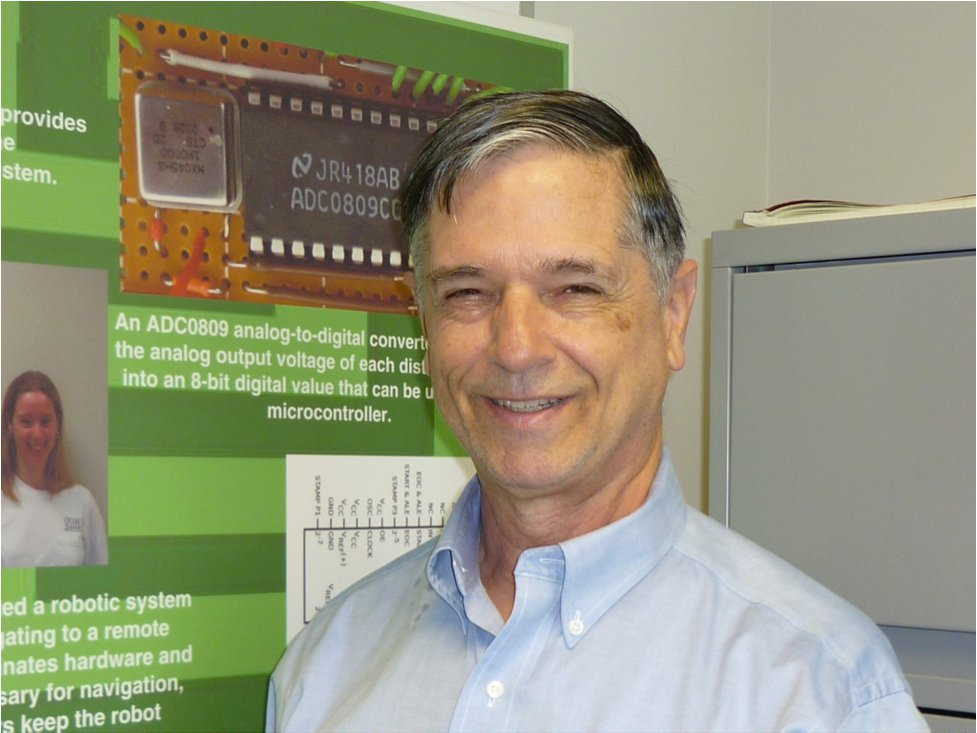
Faculty Research Profile: Dr. Marc Olano

Dr. Marc Olano is the director of the Computer Science and Electrical Engineering Department's Game Development Track and has been pursuing research in computer graphics and computer hardware for more than twenty years. Currently, he is working at Firaxis Games on texture compression for the Civilization V video game and collaborating with Dr. Erle Ellis of the Geography and Environmental Systems Department on a project dubbed Ecosynth.
To read more about Dr. Olano's research pursuits, see his full research profile.
]]>
Dr. Marc Olano is the director of the Computer Science and Electrical Engineering Department's Game Development Track and has been pursuing research in computer graphics and computer hardware for...
http://www.cs.umbc.edu/2011/06/faculty-research-profile-dr-marc-olano/
https://beta.my.umbc.edu/api/v0/pixel/news/7400/guest@my.umbc.edu/568573905503f842e329ead5a54efed1/api/pixel
news
other
Computer Science and Electrical Engineering
https://beta.my.umbc.edu/groups/csee
https://assets3-beta.my.umbc.edu/system/shared/avatars/groups/000/000/099/d117dca133c64bf78a4b7696dd007189/xsmall.png?1314043393
https://assets1-beta.my.umbc.edu/system/shared/avatars/groups/000/000/099/d117dca133c64bf78a4b7696dd007189/original.png?1314043393
https://assets1-beta.my.umbc.edu/system/shared/avatars/groups/000/000/099/d117dca133c64bf78a4b7696dd007189/xxlarge.png?1314043393
https://assets4-beta.my.umbc.edu/system/shared/avatars/groups/000/000/099/d117dca133c64bf78a4b7696dd007189/xlarge.png?1314043393
https://assets3-beta.my.umbc.edu/system/shared/avatars/groups/000/000/099/d117dca133c64bf78a4b7696dd007189/large.png?1314043393
https://assets1-beta.my.umbc.edu/system/shared/avatars/groups/000/000/099/d117dca133c64bf78a4b7696dd007189/medium.png?1314043393
https://assets2-beta.my.umbc.edu/system/shared/avatars/groups/000/000/099/d117dca133c64bf78a4b7696dd007189/small.png?1314043393
https://assets3-beta.my.umbc.edu/system/shared/avatars/groups/000/000/099/d117dca133c64bf78a4b7696dd007189/xsmall.png?1314043393
https://assets3-beta.my.umbc.edu/system/shared/avatars/groups/000/000/099/d117dca133c64bf78a4b7696dd007189/xxsmall.png?1314043393
Computer Science and Electrical Engineering
8
0
false
Wed, 29 Jun 2011 10:30:25 -0400
Wed, 29 Jun 2011 10:30:25 -0400
Faculty research profile: Dr. Tim Oates

Dr. Tim Oates, associate professor of computer science, does research in the field of machine learning and is interested in understanding the development of the human brain. Dr. Oates is also fascinated by the idea of making robots that are capable of learning and exhibiting human characteristics. “I don’t know if we’ll ever have androids walking among us that are indistinguishable from humans,” says Dr. Oates, “but I bet we’ll get pretty darn close."
To read more about Dr. Oates' research pursuits, see his full research profile.
]]>
Dr. Tim Oates, associate professor of computer science, does research in the field of machine learning and is interested in understanding the development of the human brain. Dr. Oates is also...
http://www.cs.umbc.edu/2011/06/faculty-research-profile-dr-tim-oates/
https://beta.my.umbc.edu/api/v0/pixel/news/7392/guest@my.umbc.edu/aa79facf1b793a7084231c63c0e12f5f/api/pixel
news
Computer Science and Electrical Engineering
https://beta.my.umbc.edu/groups/csee
https://assets3-beta.my.umbc.edu/system/shared/avatars/groups/000/000/099/d117dca133c64bf78a4b7696dd007189/xsmall.png?1314043393
https://assets1-beta.my.umbc.edu/system/shared/avatars/groups/000/000/099/d117dca133c64bf78a4b7696dd007189/original.png?1314043393
https://assets1-beta.my.umbc.edu/system/shared/avatars/groups/000/000/099/d117dca133c64bf78a4b7696dd007189/xxlarge.png?1314043393
https://assets4-beta.my.umbc.edu/system/shared/avatars/groups/000/000/099/d117dca133c64bf78a4b7696dd007189/xlarge.png?1314043393
https://assets3-beta.my.umbc.edu/system/shared/avatars/groups/000/000/099/d117dca133c64bf78a4b7696dd007189/large.png?1314043393
https://assets1-beta.my.umbc.edu/system/shared/avatars/groups/000/000/099/d117dca133c64bf78a4b7696dd007189/medium.png?1314043393
https://assets2-beta.my.umbc.edu/system/shared/avatars/groups/000/000/099/d117dca133c64bf78a4b7696dd007189/small.png?1314043393
https://assets3-beta.my.umbc.edu/system/shared/avatars/groups/000/000/099/d117dca133c64bf78a4b7696dd007189/xsmall.png?1314043393
https://assets3-beta.my.umbc.edu/system/shared/avatars/groups/000/000/099/d117dca133c64bf78a4b7696dd007189/xxsmall.png?1314043393
Computer Science and Electrical Engineering
13
0
false
Tue, 28 Jun 2011 11:01:10 -0400
Tue, 28 Jun 2011 11:01:10 -0400
CSEE Department celebrates faculty research
 The UMBC CSEE Department will be publishing a series of short research profiles describing the research activities of its faculty and students. The first features Professor Marie desJardins and the work of her Multi-Agent, Planning and Learning Lab at UMBC, where she works on developing A.I. solutions to real world problems. Dr. desJardins is especially interested in collaborating with students and helping them develop their own research interests. She says that nearly ninety-five percent of her research is with students. “I like the students to learn about a problem and find something that they think is interesting,” she says.
]]>
The UMBC CSEE Department will be publishing a series of short research profiles describing the research activities of its faculty and students. The first features Professor Marie desJardins and...
http://www.cs.umbc.edu/2011/06/csee-department-celebrates-faculty-research/
https://beta.my.umbc.edu/api/v0/pixel/news/7380/guest@my.umbc.edu/409843d387ccaf6166f191036e2033dc/api/pixel
news
spotlights
Computer Science and Electrical Engineering
https://beta.my.umbc.edu/groups/csee
https://assets3-beta.my.umbc.edu/system/shared/avatars/groups/000/000/099/d117dca133c64bf78a4b7696dd007189/xsmall.png?1314043393
https://assets1-beta.my.umbc.edu/system/shared/avatars/groups/000/000/099/d117dca133c64bf78a4b7696dd007189/original.png?1314043393
https://assets1-beta.my.umbc.edu/system/shared/avatars/groups/000/000/099/d117dca133c64bf78a4b7696dd007189/xxlarge.png?1314043393
https://assets4-beta.my.umbc.edu/system/shared/avatars/groups/000/000/099/d117dca133c64bf78a4b7696dd007189/xlarge.png?1314043393
https://assets3-beta.my.umbc.edu/system/shared/avatars/groups/000/000/099/d117dca133c64bf78a4b7696dd007189/large.png?1314043393
https://assets1-beta.my.umbc.edu/system/shared/avatars/groups/000/000/099/d117dca133c64bf78a4b7696dd007189/medium.png?1314043393
https://assets2-beta.my.umbc.edu/system/shared/avatars/groups/000/000/099/d117dca133c64bf78a4b7696dd007189/small.png?1314043393
https://assets3-beta.my.umbc.edu/system/shared/avatars/groups/000/000/099/d117dca133c64bf78a4b7696dd007189/xsmall.png?1314043393
https://assets3-beta.my.umbc.edu/system/shared/avatars/groups/000/000/099/d117dca133c64bf78a4b7696dd007189/xxsmall.png?1314043393
Computer Science and Electrical Engineering
5
0
false
Mon, 27 Jun 2011 14:04:33 -0400
Mon, 27 Jun 2011 14:04:33 -0400
Python as the new Basic

Computerworld has a story that discussed the passing of the Basic programming language and asks How are students learning programming in a post-Basic world?.
Basic was developed at Dartmouth in the mid 1960s as a language that would be easy to learn and use so that virtually anyone could learn to program. It was also relatively easy to implement a Basic interpreter for a new computer. Bill Gates and Paul Allen famously got their start by creating a Basic interpreter for one of the first micro-computers, the Altair 8800. It was also useful. I remember helping on a complicated sponsored research project at the University of Illinois in the 1970s that was done in Basic on a Wang mini-computer using giant 8 inch floppy disks.
The subhead on the Computerworld story is "Basic is (mostly) dead. Long live Python as the next starter language?" and it describes how many universities are now using Python as the language of choice for introducing people to programming. Count the UMBC CMSC program among them. Two years ago we revamped CMSC201 to use Python as the language for teaching programming concepts and practices, ending a nearly 15 year run using C.
What we liked about Python was that students can write simple, useful programs almost immediately without having to master a large number of new concepts or programming scaffolding. Its interactive, interpreter-based paradigm (just like Basic!) encourages students to explore and get "close to the machine" (just like Basic!). At the same time, Python is a powerful language that elegantly includes nearly all of the modern programming language ideas and also efficient enough for all but the most demanding applications. This combination of simplicity, power and efficiency combine to make Python very popular for software development in industry.
]]>
Computerworld has a story that discussed the passing of the Basic programming language and asks How are students learning programming in a post-Basic world?. Basic was developed at Dartmouth in...
http://www.cs.umbc.edu/2011/06/python-as-the-new-basic/
https://beta.my.umbc.edu/api/v0/pixel/news/7368/guest@my.umbc.edu/f89364fc87b5a81044e9d70251d18fc7/api/pixel
news
undergraduate
Computer Science and Electrical Engineering
https://beta.my.umbc.edu/groups/csee
https://assets3-beta.my.umbc.edu/system/shared/avatars/groups/000/000/099/d117dca133c64bf78a4b7696dd007189/xsmall.png?1314043393
https://assets1-beta.my.umbc.edu/system/shared/avatars/groups/000/000/099/d117dca133c64bf78a4b7696dd007189/original.png?1314043393
https://assets1-beta.my.umbc.edu/system/shared/avatars/groups/000/000/099/d117dca133c64bf78a4b7696dd007189/xxlarge.png?1314043393
https://assets4-beta.my.umbc.edu/system/shared/avatars/groups/000/000/099/d117dca133c64bf78a4b7696dd007189/xlarge.png?1314043393
https://assets3-beta.my.umbc.edu/system/shared/avatars/groups/000/000/099/d117dca133c64bf78a4b7696dd007189/large.png?1314043393
https://assets1-beta.my.umbc.edu/system/shared/avatars/groups/000/000/099/d117dca133c64bf78a4b7696dd007189/medium.png?1314043393
https://assets2-beta.my.umbc.edu/system/shared/avatars/groups/000/000/099/d117dca133c64bf78a4b7696dd007189/small.png?1314043393
https://assets3-beta.my.umbc.edu/system/shared/avatars/groups/000/000/099/d117dca133c64bf78a4b7696dd007189/xsmall.png?1314043393
https://assets3-beta.my.umbc.edu/system/shared/avatars/groups/000/000/099/d117dca133c64bf78a4b7696dd007189/xxsmall.png?1314043393
Computer Science and Electrical Engineering
7
0
false
Sat, 25 Jun 2011 11:08:08 -0400
Sat, 25 Jun 2011 11:08:08 -0400
Talk: Metabolic Profile in Personalized Medicine, Dr....
Full Title: Talk: Metabolic Profile in Personalized Medicine, Dr. Eddy Karnieli, 6/22
Metabolic Profile in Personalized Medicine
Eddy Karnieli, MD
Director, Institute of Endocrinology, Diabetes and Metabolism
RAMBAM Health Care Campus
Haifa 31096, ISRAEL
2:00pm Wednesday, 22 june 2011, ITE 325b, UMBC
Personalized Medicine is revolutionizing the medical world. Understanding and integrating genetic and molecular information with traditional clinical knowledge is the hallmark of this transformation. Currently, much of the medical practice is based on standards of care derived from the epidemiologic studies of large cohorts. These studies do not take into account the individual's genetic, proteomic, and metabolic characteristics. Hence, the gap continues to grow between knowledge accumulated from basic scientific and clinical research, newly discovered molecular mechanisms and therapeutic guidelines, and their implementation at the patient’s bedside. Diabetes is the most common metabolic disease, and its complications have a significant economic impact on the health system. Prediction of diabetes in asymptomatic patients as well as its harsh complications in patients already diagnosed is becoming a necessity, with the considerable increase in the cost of the treatment. Thus, in the current presentation I will review some of the clinical, molecular, metabolic and genetic biomarkers that should be integrated in a future bio-informatic platform and decision support system to be used at the point of care and discuss the challenges we face in applying this vision of personalized medicine in diabetes into reality. Metabolic Profile in Personalized Medicine.
Professor Eddy Karnieli is a graduate of the Rappaport Faculty of Medicine at the Technion– Israel Institute of Technology in Haifa. He obtained clinical training in Internal Medicine and Endocrinology at the Rambam Medical Center and did his Post-Doctoral Fellowship in Diabetes, Obesity and Endocrinology at the National Institutes of Health in Bethesda, Maryland. He was a visiting scholar at the University of California at San Diego and at the National Institutes of Health. He is currently the Director of the Institute of Endocrinology, Diabetes and Metabolism at the Rambam Medical Center. Professor Karnieli's main research interests are the molecular mechanisms for regulating cellular glucose uptake and transporters and their implications in diabetes, obesity and insulin resistance; Gene therapy modalities to trans-differentiate human cells toward beta-cells as a potential cure for type 1 diabetes; Medical informatics, telemedicine and personalized medicine. He has published about 70 peer reviewed papers and reviews.Professor Karnieli serves on the editorial board of several scientific journals and review boards. Professor Karnieli is a retired Colonel from the Israel Defense Forces Medical Corps and is a former Deputy Director of the Rambam Medical Center.
Host: Professor Yelena Yesha
]]>
Full Title: Talk: Metabolic Profile in Personalized Medicine, Dr. Eddy Karnieli, 6/22 Metabolic Profile in Personalized Medicine Eddy Karnieli, MD Director, Institute of Endocrinology,...
http://www.cs.umbc.edu/2011/06/metabolic-personalized-medicine/
https://beta.my.umbc.edu/api/v0/pixel/news/7311/guest@my.umbc.edu/4304d5fadd1b67142785eed60532cd21/api/pixel
news
research
talks
Computer Science and Electrical Engineering
https://beta.my.umbc.edu/groups/csee
https://assets3-beta.my.umbc.edu/system/shared/avatars/groups/000/000/099/d117dca133c64bf78a4b7696dd007189/xsmall.png?1314043393
https://assets1-beta.my.umbc.edu/system/shared/avatars/groups/000/000/099/d117dca133c64bf78a4b7696dd007189/original.png?1314043393
https://assets1-beta.my.umbc.edu/system/shared/avatars/groups/000/000/099/d117dca133c64bf78a4b7696dd007189/xxlarge.png?1314043393
https://assets4-beta.my.umbc.edu/system/shared/avatars/groups/000/000/099/d117dca133c64bf78a4b7696dd007189/xlarge.png?1314043393
https://assets3-beta.my.umbc.edu/system/shared/avatars/groups/000/000/099/d117dca133c64bf78a4b7696dd007189/large.png?1314043393
https://assets1-beta.my.umbc.edu/system/shared/avatars/groups/000/000/099/d117dca133c64bf78a4b7696dd007189/medium.png?1314043393
https://assets2-beta.my.umbc.edu/system/shared/avatars/groups/000/000/099/d117dca133c64bf78a4b7696dd007189/small.png?1314043393
https://assets3-beta.my.umbc.edu/system/shared/avatars/groups/000/000/099/d117dca133c64bf78a4b7696dd007189/xsmall.png?1314043393
https://assets3-beta.my.umbc.edu/system/shared/avatars/groups/000/000/099/d117dca133c64bf78a4b7696dd007189/xxsmall.png?1314043393
Computer Science and Electrical Engineering
6
0
false
Fri, 17 Jun 2011 09:05:30 -0400
A ‘Sputnik Moment’ for Computer Science?
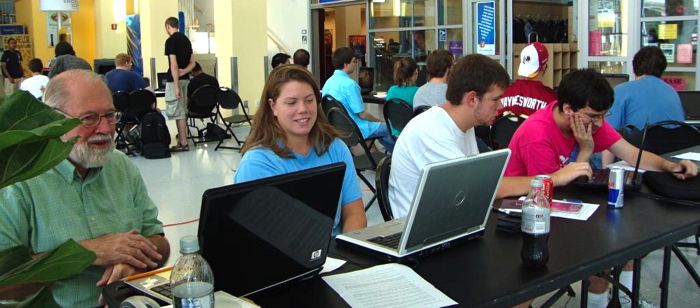
Today's New York Times has a "Room for Debate" opinion piece, Computer Science's 'Sputnik Moment'?, on the recent surge in interest in computing majors on US campuses. It asks "Will the influx of students into the field last, and can it raise American educational achievement along the way?" and features eight short essays incuding one by UMBC Professor of Sociology Zeynep Tufekci.
"Computer science is a hot major again. It had been in the doldrums after the dot-com bust a decade ago, but with the social media gold rush and the success of "The Social Network," computer science departments are transforming themselves to meet the demand. At Harvard, the size of the introductory computer science class has nearly quadrupled in five years.
The spike has raised hopes of a ripple effect throughout the American education system — so much so that Mehran Sahami, the associate chairman for computer science at Stanford, can envision "a national call, a Sputnik moment."
What would a "Sputnik moment" entail today? Will the surge of students into computer science last, and could it help raise American educational achievement?"
This complements the NYT article from last weekend, Computer Studies Made Cool, on Film and Now on Campus, about rising computer science enrollments.
” When Keila Fong arrived at Yale, she had never given much thought to computer science. But then last year everyone on campus started talking about the film “The Social Network,” and she began to imagine herself building something and starting a business that maybe, just maybe, could become the next Facebook.
“It’s become very glamorous to become the next Mark Zuckerberg, and everyone likes to think they have some great idea,” said Ms. Fong, a junior, who has since decided to major in Yale’s newly energized computer science program.
]]>
Today's New York Times has a "Room for Debate" opinion piece, Computer Science's 'Sputnik Moment'?, on the recent surge in interest in computing majors on US campuses. It asks "Will the influx of...
http://www.cs.umbc.edu/2011/06/a-sputnik-moment-for-computer-science/
https://beta.my.umbc.edu/api/v0/pixel/news/7303/guest@my.umbc.edu/83e6acc9fe8f82c185b68c12f47624d5/api/pixel
computer-science
graduate
news
undergraduate
Computer Science and Electrical Engineering
https://beta.my.umbc.edu/groups/csee
https://assets3-beta.my.umbc.edu/system/shared/avatars/groups/000/000/099/d117dca133c64bf78a4b7696dd007189/xsmall.png?1314043393
https://assets1-beta.my.umbc.edu/system/shared/avatars/groups/000/000/099/d117dca133c64bf78a4b7696dd007189/original.png?1314043393
https://assets1-beta.my.umbc.edu/system/shared/avatars/groups/000/000/099/d117dca133c64bf78a4b7696dd007189/xxlarge.png?1314043393
https://assets4-beta.my.umbc.edu/system/shared/avatars/groups/000/000/099/d117dca133c64bf78a4b7696dd007189/xlarge.png?1314043393
https://assets3-beta.my.umbc.edu/system/shared/avatars/groups/000/000/099/d117dca133c64bf78a4b7696dd007189/large.png?1314043393
https://assets1-beta.my.umbc.edu/system/shared/avatars/groups/000/000/099/d117dca133c64bf78a4b7696dd007189/medium.png?1314043393
https://assets2-beta.my.umbc.edu/system/shared/avatars/groups/000/000/099/d117dca133c64bf78a4b7696dd007189/small.png?1314043393
https://assets3-beta.my.umbc.edu/system/shared/avatars/groups/000/000/099/d117dca133c64bf78a4b7696dd007189/xsmall.png?1314043393
https://assets3-beta.my.umbc.edu/system/shared/avatars/groups/000/000/099/d117dca133c64bf78a4b7696dd007189/xxsmall.png?1314043393
Computer Science and Electrical Engineering
5
0
false
Thu, 16 Jun 2011 02:04:25 -0400
Three CSEE faculty and staff retire


Three long-time members of the CSEE community retired at the end of the Spring 2011 semester: Professor Sue Evans, Senior Lecturer, has taught Computer Science 201 since she began her teaching career at UMBC in 1997. Dr. John Pinkston, Professor, also came to UMBC in 1997 and served as the first Chair of the newly combined Computer Science and Electrical Engineering Department for seven years. Donna Myers, Business Services Specialist for the Computer Science Department, has kept CSEE payroll in order since she joineed the staff in 2001. These three invaluable members of the CSEE Faculty and Staff will be missed and the CSEE Department extends its congratulations and wishes for relaxing and fulfilling futures. You can read more about their contributions and future plans here.
]]>
Three long-time members of the CSEE community retired at the end of the Spring 2011 semester: Professor Sue Evans, Senior Lecturer, has taught Computer Science...
http://www.cs.umbc.edu/2011/06/csee-faculty-and-staff-retire/
https://beta.my.umbc.edu/api/v0/pixel/news/7302/guest@my.umbc.edu/d14e681dc14191678c23b9c4f4880956/api/pixel
faculty-and-staff
news
Computer Science and Electrical Engineering
https://beta.my.umbc.edu/groups/csee
https://assets3-beta.my.umbc.edu/system/shared/avatars/groups/000/000/099/d117dca133c64bf78a4b7696dd007189/xsmall.png?1314043393
https://assets1-beta.my.umbc.edu/system/shared/avatars/groups/000/000/099/d117dca133c64bf78a4b7696dd007189/original.png?1314043393
https://assets1-beta.my.umbc.edu/system/shared/avatars/groups/000/000/099/d117dca133c64bf78a4b7696dd007189/xxlarge.png?1314043393
https://assets4-beta.my.umbc.edu/system/shared/avatars/groups/000/000/099/d117dca133c64bf78a4b7696dd007189/xlarge.png?1314043393
https://assets3-beta.my.umbc.edu/system/shared/avatars/groups/000/000/099/d117dca133c64bf78a4b7696dd007189/large.png?1314043393
https://assets1-beta.my.umbc.edu/system/shared/avatars/groups/000/000/099/d117dca133c64bf78a4b7696dd007189/medium.png?1314043393
https://assets2-beta.my.umbc.edu/system/shared/avatars/groups/000/000/099/d117dca133c64bf78a4b7696dd007189/small.png?1314043393
https://assets3-beta.my.umbc.edu/system/shared/avatars/groups/000/000/099/d117dca133c64bf78a4b7696dd007189/xsmall.png?1314043393
https://assets3-beta.my.umbc.edu/system/shared/avatars/groups/000/000/099/d117dca133c64bf78a4b7696dd007189/xxsmall.png?1314043393
Computer Science and Electrical Engineering
12
0
false
Thu, 16 Jun 2011 01:17:51 -0400
MS defense: Image Classification and Automated...
Full Title: MS defense: Image Classification and Automated Extraction of Collocated Actin/Myosin RegionsMS Thesis Defense
Image Classification and Automated Extraction
of Collocated Actin/Myosin Regions
Ronil S. Mokashi
10:00am Friday, 17 June 2011, ITE 325b
This study illuminates the aspects of cell migration, which is central to many biological processes. To understand cell migration we examine the relationship between local cytoskeletal features and local morphology. We demonstrate this relationship on cells stained for Actin and Myosin We connect the actin/myosin collocalizated structural organization to movements such as membrane protrusions. Membrane protrusions are good indicators of cell migration. Cells can sense the mechanical stiffness or the chemical identity of the surfaces they attach to. We show that these surfaces impact cytoskeletal structure. We develop a classifier to correlate the contextual features extracted from actin/myosin collocalized structure to different cell surfaces.
We also describe a new distance based metric to measure the strength of collocated multi-channel two dimensional data for user selected regions. We provide tools, implemented as plugins for the popular ImageJ toolkit, that are available for download by the general public. These tools allow biologists to specify and score regions of interest by drawing a polygon on their image with a point and click interface. Furthermore, we provide an algorithm that automatically identifies, annotates, and scores an interesting donut shaped region commonly occurring in vascular smooth muscle cells on extra cellular matrix such as dry collagen, wet collagen, fibronectin and monolayer collagen.
Committee:
- Dr. Yaacov Yesha (Chair)
- Dr. Yelena Yesha
- Dr. Michael Grasso
]]>
Full Title: MS defense: Image Classification and Automated Extraction of Collocated Actin/Myosin Regions MS Thesis Defense Image Classification and Automated Extraction of Collocated...
http://www.cs.umbc.edu/2011/06/ms-defense-image-classification-and-automated-extraction-of-collocated-actinmyosin-regions/
https://beta.my.umbc.edu/api/v0/pixel/news/7292/guest@my.umbc.edu/eef07c25118b4f1fdc8b3ee6739596a6/api/pixel
computer-science
graduate
news
research
talks
Computer Science and Electrical Engineering
https://beta.my.umbc.edu/groups/csee
https://assets3-beta.my.umbc.edu/system/shared/avatars/groups/000/000/099/d117dca133c64bf78a4b7696dd007189/xsmall.png?1314043393
https://assets1-beta.my.umbc.edu/system/shared/avatars/groups/000/000/099/d117dca133c64bf78a4b7696dd007189/original.png?1314043393
https://assets1-beta.my.umbc.edu/system/shared/avatars/groups/000/000/099/d117dca133c64bf78a4b7696dd007189/xxlarge.png?1314043393
https://assets4-beta.my.umbc.edu/system/shared/avatars/groups/000/000/099/d117dca133c64bf78a4b7696dd007189/xlarge.png?1314043393
https://assets3-beta.my.umbc.edu/system/shared/avatars/groups/000/000/099/d117dca133c64bf78a4b7696dd007189/large.png?1314043393
https://assets1-beta.my.umbc.edu/system/shared/avatars/groups/000/000/099/d117dca133c64bf78a4b7696dd007189/medium.png?1314043393
https://assets2-beta.my.umbc.edu/system/shared/avatars/groups/000/000/099/d117dca133c64bf78a4b7696dd007189/small.png?1314043393
https://assets3-beta.my.umbc.edu/system/shared/avatars/groups/000/000/099/d117dca133c64bf78a4b7696dd007189/xsmall.png?1314043393
https://assets3-beta.my.umbc.edu/system/shared/avatars/groups/000/000/099/d117dca133c64bf78a4b7696dd007189/xxsmall.png?1314043393
Computer Science and Electrical Engineering
3
0
false
Wed, 15 Jun 2011 00:09:51 -0400
Maryland Cyber Challenge Team Registration and...
Full Title: Maryland Cyber Challenge Team Registration and Orientation Session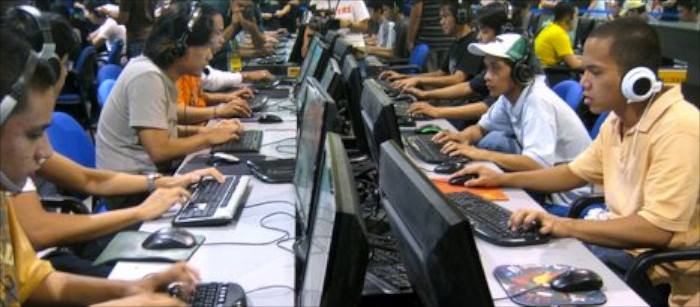
Registration for the Maryland Cyber Challenge and Conference (MDC3) is now open. MDC3 will provide an opportunity for students and professionals to network in a fun environment while participating in exciting games and learning about computer safety and cybersecurity skills.
MDC3 teams up to six players who will compete in one of three categories: high school, college and university, and industry professionals. High school teams will focus on cyber defense techniques whereas college, university and professional teams will compete in a capture the flag match.
Students must be enrolled at a Maryland high school, college, or university. Professionals’ employers must have an office in Maryland and must be either a company or government agency. Teams can register during a day of an orientation session or online if they are unable to attend in person. The next orientation session will held between 4:30pm and 7:00pm on Tuesday, 21 June 2011 at the UMBC Technology Center, 1450 South Rolling Road. People interested in the professional league should come between 4:30-5:30pm and students should come between 6:00pm and 7:00pm.
The sessions will give contestants and coaches insight about the event as well as tips and tricks to prepare for the competition. After registering and orientation, competitors will be able to attend practice challenges during the summer to prepare for the qualifying rounds in September and finals on October 21-22 at the Baltimore Convention Center. Scholarships and prizes will be available for winning participants.
]]>
Full Title: Maryland Cyber Challenge Team Registration and Orientation Session Registration for the Maryland Cyber Challenge and Conference (MDC3) is now open. MDC3 will provide an opportunity...
http://www.cs.umbc.edu/2011/06/maryland-cyber-challenge-conference-umbc/
https://beta.my.umbc.edu/api/v0/pixel/news/7253/guest@my.umbc.edu/65773ca31f1bd65105b16217d352ac21/api/pixel
cybersecurity
events
graduate
mdc3
news
undergraduate
Computer Science and Electrical Engineering
https://beta.my.umbc.edu/groups/csee
https://assets3-beta.my.umbc.edu/system/shared/avatars/groups/000/000/099/d117dca133c64bf78a4b7696dd007189/xsmall.png?1314043393
https://assets1-beta.my.umbc.edu/system/shared/avatars/groups/000/000/099/d117dca133c64bf78a4b7696dd007189/original.png?1314043393
https://assets1-beta.my.umbc.edu/system/shared/avatars/groups/000/000/099/d117dca133c64bf78a4b7696dd007189/xxlarge.png?1314043393
https://assets4-beta.my.umbc.edu/system/shared/avatars/groups/000/000/099/d117dca133c64bf78a4b7696dd007189/xlarge.png?1314043393
https://assets3-beta.my.umbc.edu/system/shared/avatars/groups/000/000/099/d117dca133c64bf78a4b7696dd007189/large.png?1314043393
https://assets1-beta.my.umbc.edu/system/shared/avatars/groups/000/000/099/d117dca133c64bf78a4b7696dd007189/medium.png?1314043393
https://assets2-beta.my.umbc.edu/system/shared/avatars/groups/000/000/099/d117dca133c64bf78a4b7696dd007189/small.png?1314043393
https://assets3-beta.my.umbc.edu/system/shared/avatars/groups/000/000/099/d117dca133c64bf78a4b7696dd007189/xsmall.png?1314043393
https://assets3-beta.my.umbc.edu/system/shared/avatars/groups/000/000/099/d117dca133c64bf78a4b7696dd007189/xxsmall.png?1314043393
Computer Science and Electrical Engineering
2
0
false
Mon, 13 Jun 2011 01:10:14 -0400
PhD defense: Wenjia Li on Securing Mobile Ad Hoc Networks

Ph.D. Dissertation Defense
A Security Framework to Cope With
Node Misbehaviors in Mobile Ad Hoc Networks
Wenjia Li
11:00am Tuesday, 14 June 2011, ITE 325b
A Mobile Ad-hoc NETwork (MANET) has no fixed infrastructure, and is generally composed of a dynamic set of cooperative peers. These peers share their wireless transmission power with other peers so that indirect communication can be possible between nodes that are not in the radio range of each other . The nature of MANETs, such as node mobility, unreliable transmission medium and restricted battery power, makes them extremely vulnerable to a variety of node misbehaviors. Wireless links, for instance, are generally prone to both passive eavesdropping and active intrusion. Another security concern in ad hoc networks is caused by the cooperative nature of the nodes. Attacks from external adversaries may disturb communications, but the external intruder generally cannot directly participate in the cooperative activities among the nodes because they do not possess the proper secure credentials, such as shared keys. However, compromised nodes, which are taken over by an adversary, are capable of presenting the proper secure credentials, and consequently can interfere with almost all of the network operations, including route discovery, key management and distribution, and packet forwarding. Hence, it is essential to cope with node misbehaviors so as to secure mobile ad hoc networks.
In this dissertation, we address the question of how to ensure that a MANET will properly operate despite the presence of various node misbehaviors by building a holistic framework that can cope with various node misbehaviors in an intelligent and adaptive manner. The main purpose of this framework is to provide a platform so that the components that identify and respond to misbehaviors can better cooperate with each other and quickly adapt to the changes of network context. Therefore, policies are utilized in our framework in order to make those components correctly function in different network contexts. Besides the policy component, there are three other components, which fulfill the tasks of misbehavior detection, trust management, and context awareness, respectively. To validate and evaluate our proposed framework, we implement our framework based on a simulator.
The specific contributions of this dissertation are: (i) Develop a framework to combine the functionalities of surveillance and detection of misbehavior, trust management, context awareness, and policy management to provide a high-level solution to cope with various misbehaviors in MANETs in an intelligent and adaptive manner; (ii) Utilize the outlier detection technique as well as the Support Vector Machine (SVM) algorithm to detect node misbehaviors, and both techniques do not require a pre-defined fix threshold for misbehavior detection; (iii) Trust is modeled in a vector instead of a single scalar so that it can reflect the trustworthiness of a node in a more accurate manner; (iv) Sense and record various contextual information, such as network status (channel busy/idle, etc.), node status (transmission buffer full/empty, battery full/low, etc.) and environmental factors (altitude, velocity, temperature, weather condition, etc.), so that we can distinguish truly malicious behaviors from faulty behaviors and also more accurately evaluate nodes' trust; (v) Specify and enforce policies in the proposed framework, which makes the framework promptly adapt to the rapidly changing network context.
Committee:
- Dr. Anupam Joshi (Chair)
- Dr. Tim Finin
- Dr. Yelena Yesha
- Dr. Yun Peng
- Dr. Lalana Kagal (MIT CSAIL)
]]>
Ph.D. Dissertation Defense A Security Framework to Cope With Node Misbehaviors in Mobile Ad Hoc Networks Wenjia Li 11:00am Tuesday, 14 June 2011, ITE 325b A Mobile Ad-hoc NETwork (MANET)...
http://www.cs.umbc.edu/2011/06/phd-defense-wenjia-li-on-securing-mobile-ad-hoc-networks/
https://beta.my.umbc.edu/api/v0/pixel/news/7249/guest@my.umbc.edu/2eb6d4a8d82ccd20c18cdab28aabbc72/api/pixel
computer-engineering
cybersecurity
graduate
manet
news
research
security
talks
Computer Science and Electrical Engineering
https://beta.my.umbc.edu/groups/csee
https://assets3-beta.my.umbc.edu/system/shared/avatars/groups/000/000/099/d117dca133c64bf78a4b7696dd007189/xsmall.png?1314043393
https://assets1-beta.my.umbc.edu/system/shared/avatars/groups/000/000/099/d117dca133c64bf78a4b7696dd007189/original.png?1314043393
https://assets1-beta.my.umbc.edu/system/shared/avatars/groups/000/000/099/d117dca133c64bf78a4b7696dd007189/xxlarge.png?1314043393
https://assets4-beta.my.umbc.edu/system/shared/avatars/groups/000/000/099/d117dca133c64bf78a4b7696dd007189/xlarge.png?1314043393
https://assets3-beta.my.umbc.edu/system/shared/avatars/groups/000/000/099/d117dca133c64bf78a4b7696dd007189/large.png?1314043393
https://assets1-beta.my.umbc.edu/system/shared/avatars/groups/000/000/099/d117dca133c64bf78a4b7696dd007189/medium.png?1314043393
https://assets2-beta.my.umbc.edu/system/shared/avatars/groups/000/000/099/d117dca133c64bf78a4b7696dd007189/small.png?1314043393
https://assets3-beta.my.umbc.edu/system/shared/avatars/groups/000/000/099/d117dca133c64bf78a4b7696dd007189/xsmall.png?1314043393
https://assets3-beta.my.umbc.edu/system/shared/avatars/groups/000/000/099/d117dca133c64bf78a4b7696dd007189/xxsmall.png?1314043393
Computer Science and Electrical Engineering
10
0
false
Sun, 12 Jun 2011 11:22:00 -0400