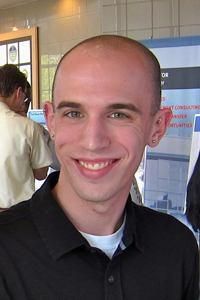
CSEE Professor Dr. Penny Rheingans receives USM Regents’ Faculty Award for Mentoring
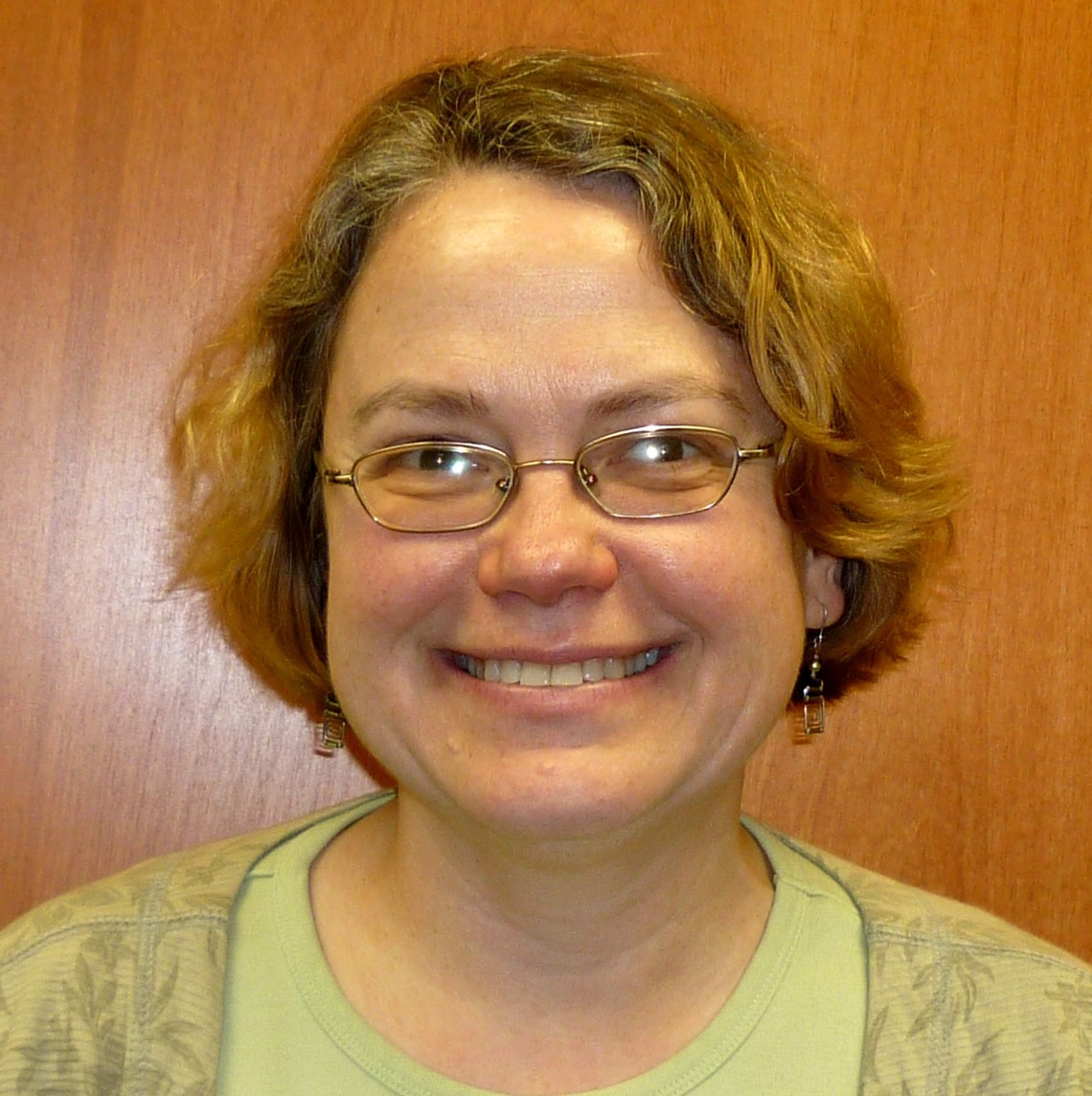
 Dr. Rheingans has been the Director of UMBC’s Center for Women in Technology (CWIT) since the summer of 2009. Since then, she has mentored over a hundred students within the CWIT and SITE scholarship programs.
Congratulations to Dr. Penny Rheingans, the recipient of one of this year’s University System of Maryland (USM) Regents’ Faculty Awards for Mentoring.
Awarded to no more than four USM professors each year, the USM Regents’ Faculty Award for Mentoring is regarded as the highest honor that the Board gives out to recognize outstanding faculty achievement. Mentoring is one of the five award categories, which includes Teaching, Scholarship, Research, or creative activity, Public Service, and Innovation.
“I feel humbled by being honored this way,” says Dr. Rheingans. “Most of the things I'm being honored for are the result of the inspiration and hard work of a whole team of people. I could not have done nearly so much without them.”
Each year, nominees for the mentoring award are chosen who have not only fulfilled their university-sanctioned obligations, but have “clearly exceed[ed] ordinary expectations,” says the USM website. Mentoring nominees are recognized for their influence in areas like developing their students’ careers, aiding with retention and graduation rates, and improving post-baccalaureate progression and employment rates. After being nominated by the Regents’ Faculty Awards Committee, nominees are ultimately chosen by the Board of Regents.
 Dr. Rheingans’ most notable mentoring contributions have been her work as the Director of UMBC’s Center for Women in Technology (CWIT). In 2008, troubled by the obstacles facing women in the field and the fact that they made up a mere 10% of Computer Science majors at UMBC, Dr. Rheingans accepted an invitation to become Interim Director of CWIT. The position was a good fit, and in the summer of 2009, she became Director.
“My core goal has been to make the College of Engineering and Information Technology (COEIT) a more welcoming place for a broad array of students, in particular for women and those who support them,” wrote Dr. Rheingans in an essay to the award’s Institutional Faculty Nominating Committee (IFNC) that details her mentoring contributions. “My role as CWIT Director is to continue to inspire ripples of positive change, reaching well beyond my personal grasp.”
As Director, Dr. Rheingans has helped scholars succeed by serving as a personal mentor and maintaining an infrastructure for student support. She will soon take on a similar role with the Transfer-Scholarships in Information Technology and Engineering program (T-SITE). Debuting next Fall, the T-SITE scholarship program targets transfer students majoring in technology fields.
“I chose to become a professor, in large part, because I wanted to help students learn new things, explore new fields, and develop new skills,” says Rheingans, who has been teaching in some capacity since high school. Teaching was something that always interested Rheingans, who came to UMBC in 1998 as an assistant professor.
“Mentoring just seemed like a natural extension of teaching,” says Rheingans. “A good teacher inspires individual interactions beyond the classroom — that's the heart of mentoring.”
Dr. Rheingans will be recognized for this honor at UMBC’s Annual Faculty and Staff Awards Ceremony on April 4.
]]>
Dr. Rheingans has been the Director of UMBC’s Center for Women in Technology (CWIT) since the summer of 2009. Since then, she has mentored over a hundred students within the CWIT and SITE...
http://www.csee.umbc.edu/2012/03/csee-professor-dr-penny-rheingans-receives-usm-regents-faculty-award-for-mentoring/
https://beta.my.umbc.edu/api/v0/pixel/news/13177/guest@my.umbc.edu/a8a6197db81fcb36553631810b1774ca/api/pixel
faculty-and-staff
news
Computer Science and Electrical Engineering
https://beta.my.umbc.edu/groups/csee
https://assets3-beta.my.umbc.edu/system/shared/avatars/groups/000/000/099/d117dca133c64bf78a4b7696dd007189/xsmall.png?1314043393
https://assets1-beta.my.umbc.edu/system/shared/avatars/groups/000/000/099/d117dca133c64bf78a4b7696dd007189/original.png?1314043393
https://assets1-beta.my.umbc.edu/system/shared/avatars/groups/000/000/099/d117dca133c64bf78a4b7696dd007189/xxlarge.png?1314043393
https://assets4-beta.my.umbc.edu/system/shared/avatars/groups/000/000/099/d117dca133c64bf78a4b7696dd007189/xlarge.png?1314043393
https://assets3-beta.my.umbc.edu/system/shared/avatars/groups/000/000/099/d117dca133c64bf78a4b7696dd007189/large.png?1314043393
https://assets1-beta.my.umbc.edu/system/shared/avatars/groups/000/000/099/d117dca133c64bf78a4b7696dd007189/medium.png?1314043393
https://assets2-beta.my.umbc.edu/system/shared/avatars/groups/000/000/099/d117dca133c64bf78a4b7696dd007189/small.png?1314043393
https://assets3-beta.my.umbc.edu/system/shared/avatars/groups/000/000/099/d117dca133c64bf78a4b7696dd007189/xsmall.png?1314043393
https://assets3-beta.my.umbc.edu/system/shared/avatars/groups/000/000/099/d117dca133c64bf78a4b7696dd007189/xxsmall.png?1314043393
Computer Science and Electrical Engineering
17
1
true
Mon, 26 Mar 2012 09:17:56 -0400
Mon, 26 Mar 2012 09:17:56 -0400
CSEE graduate student’s company receives NCI research award
UMBC Computer Science Ph.D. student Adrian Rosebrock and the company he founded and heads, ShiftyBits LLC, were recently awarded a competitive research contract from the National Cancer Institutes (NCI/NIH) to conduct research and development in the use of image processing and machine learning techniques to automatically analyze histology images of the breast.
Through the awarded research contract, Adrian will be helping NCI researchers with the design and development of automatic identification techniques for terminal duct lobular units (TDLUs) of the breast, the structures from which most breast cancers arise. This work will also create standard metrics for TDLUs that will aide researchers working within cancer research.
Data suggests that the morphology of TLDUs is related to several breast cancer risk factors, including mammographic density. In addition, TDLU morphology may represent an independent risk factor for breast cancer among women with a biopsy for benign breast disease. For this research project, Shiftybits will be given access to a large NIH dataset of breast biopsies as well as the Komen histology datasets.
Adrian received a B.S. in Computer Science in 2010 from UMBC and founded Shiftbits, LLC in 2011. He is continuing his studies as a Computer Science Ph.D. student at UMBC student, focusing on the combination of text and image retrieval systems. One research project he at UMBC involves the automatic identification of pills in images. At UMBC, Adrian is and working with Professor Tim Oates and Dr. Jesus Caban who is a researcher at Naval Medical Center and NIH and also teaches at UMBC.
]]>
UMBC Computer Science Ph.D. student Adrian Rosebrock and the company he founded and heads, ShiftyBits LLC, were recently awarded a competitive research contract from the National Cancer Institutes...
http://www.csee.umbc.edu/2012/03/csee-graduate-students-company-receives-nci-research-award/
https://beta.my.umbc.edu/api/v0/pixel/news/13164/guest@my.umbc.edu/16f0f60deae0a5f0a097b0261ae145d1/api/pixel
graduate
news
research
students
Computer Science and Electrical Engineering
https://beta.my.umbc.edu/groups/csee
https://assets3-beta.my.umbc.edu/system/shared/avatars/groups/000/000/099/d117dca133c64bf78a4b7696dd007189/xsmall.png?1314043393
https://assets1-beta.my.umbc.edu/system/shared/avatars/groups/000/000/099/d117dca133c64bf78a4b7696dd007189/original.png?1314043393
https://assets1-beta.my.umbc.edu/system/shared/avatars/groups/000/000/099/d117dca133c64bf78a4b7696dd007189/xxlarge.png?1314043393
https://assets4-beta.my.umbc.edu/system/shared/avatars/groups/000/000/099/d117dca133c64bf78a4b7696dd007189/xlarge.png?1314043393
https://assets3-beta.my.umbc.edu/system/shared/avatars/groups/000/000/099/d117dca133c64bf78a4b7696dd007189/large.png?1314043393
https://assets1-beta.my.umbc.edu/system/shared/avatars/groups/000/000/099/d117dca133c64bf78a4b7696dd007189/medium.png?1314043393
https://assets2-beta.my.umbc.edu/system/shared/avatars/groups/000/000/099/d117dca133c64bf78a4b7696dd007189/small.png?1314043393
https://assets3-beta.my.umbc.edu/system/shared/avatars/groups/000/000/099/d117dca133c64bf78a4b7696dd007189/xsmall.png?1314043393
https://assets3-beta.my.umbc.edu/system/shared/avatars/groups/000/000/099/d117dca133c64bf78a4b7696dd007189/xxsmall.png?1314043393
Computer Science and Electrical Engineering
2
0
true
Sun, 25 Mar 2012 01:33:24 -0400
2012 Google Summer of Code Applications open March 26

Still looking for a summer internship? The 2012 Google Summer of Code (GSoC) starts accepting application from students on Monday March 26.
GSoC is a global program funded by Google that pays undergraduate or graduate students a $5000 stipend to write code for open source projects. GSoC has worked with the open source community to identify and fund exciting projects for the upcoming summer. Last year over 1,100 students were funded by the program. The FAQ is a good place to find out more.
A set of open source projects (aka mentoring organizations) has been selected. Students apply to work on one of more of these and each mentoring organization ranks the students interested in working with them. Google facilitates the final selection and pairing. The mentoring organization works closely with the student to define tasks, check progress, help solve problems, etc. Typically the student works remotely, interacting with his or her mentor via email, chat, skype, etc.
Students can submit applications via the Google Summer of Code 2012 site from March 26 to April 6. Google says that that the best applications they receive are from students who took the time to interact with one of the participating mentoring organizations and discuss their ideas before submitting an application. So your first step should be to look at the list of 2012 GSoC Mentoring Organizations and contact some that have projects that interest you and for which you have the right skills and background.
See the GSoC 2012 Program Timeline for a complete schedule. You might also check out the information on the Advice for GSoC Students Page and the GSoC forum.
]]>
Still looking for a summer internship? The 2012 Google Summer of Code (GSoC) starts accepting application from students on Monday March 26. GSoC is a global program funded by Google that pays...
http://www.csee.umbc.edu/2012/03/2012-google-summer-of-code-applications-open-march-26/
https://beta.my.umbc.edu/api/v0/pixel/news/13157/guest@my.umbc.edu/a1267cc31d67853b633568a675b9192e/api/pixel
graduate
internships
news
research
students
undergraduate
Computer Science and Electrical Engineering
https://beta.my.umbc.edu/groups/csee
https://assets3-beta.my.umbc.edu/system/shared/avatars/groups/000/000/099/d117dca133c64bf78a4b7696dd007189/xsmall.png?1314043393
https://assets1-beta.my.umbc.edu/system/shared/avatars/groups/000/000/099/d117dca133c64bf78a4b7696dd007189/original.png?1314043393
https://assets1-beta.my.umbc.edu/system/shared/avatars/groups/000/000/099/d117dca133c64bf78a4b7696dd007189/xxlarge.png?1314043393
https://assets4-beta.my.umbc.edu/system/shared/avatars/groups/000/000/099/d117dca133c64bf78a4b7696dd007189/xlarge.png?1314043393
https://assets3-beta.my.umbc.edu/system/shared/avatars/groups/000/000/099/d117dca133c64bf78a4b7696dd007189/large.png?1314043393
https://assets1-beta.my.umbc.edu/system/shared/avatars/groups/000/000/099/d117dca133c64bf78a4b7696dd007189/medium.png?1314043393
https://assets2-beta.my.umbc.edu/system/shared/avatars/groups/000/000/099/d117dca133c64bf78a4b7696dd007189/small.png?1314043393
https://assets3-beta.my.umbc.edu/system/shared/avatars/groups/000/000/099/d117dca133c64bf78a4b7696dd007189/xsmall.png?1314043393
https://assets3-beta.my.umbc.edu/system/shared/avatars/groups/000/000/099/d117dca133c64bf78a4b7696dd007189/xxsmall.png?1314043393
Computer Science and Electrical Engineering
4
2
true
Sat, 24 Mar 2012 15:32:05 -0400
Dr. desJardins competes in American Crossword Puzzle Tournament
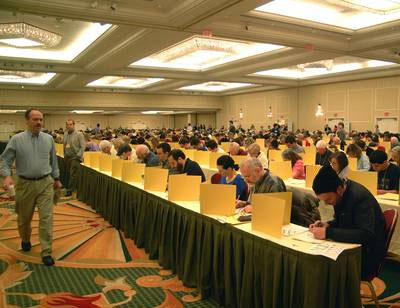 Congratulations to Dr. Marie desJardins, who placed 44th out of 593 competitors in the American Crossword Puzzle Tournament in Brooklyn, New York last weekend. The tournament—directed by New York Times Crossword Puzzle Editor Will Shortz—is the nation’s oldest and largest crossword competition.
Competitors are judged based on their accuracy and speed while solving eight original crossword puzzles. Dr. desJardins placed 5th of the 87 Mid-Atlantic competitors, she was the 8th ranked woman in the entire tournament, and the top-ranked woman from the Mid-Atlantic.
Dr. desJardins was also awarded an “I Beat Dr. Fill” button for scoring higher than Dr. Fill, a crossword-solving program designed by software engineer Matt Ginsberg. The program pulls answers from databases of old crosswords, dictionaries, and sources like Wikipedia, but can sometimes get caught up on tricky clues, says a Boston Globe article.
Photo Courtesy www.crosswordtournament.com
]]>
Congratulations to Dr. Marie desJardins, who placed 44th out of 593 competitors in the American Crossword Puzzle Tournament in Brooklyn, New York last weekend. The tournament—directed by New York...
http://www.csee.umbc.edu/2012/03/dr-desjardins-competes-in-american-crossword-puzzle-tournament/
https://beta.my.umbc.edu/api/v0/pixel/news/13124/guest@my.umbc.edu/3943cdea78f7f9fcc8783e608fff2547/api/pixel
faculty-and-staff
news
Computer Science and Electrical Engineering
https://beta.my.umbc.edu/groups/csee
https://assets3-beta.my.umbc.edu/system/shared/avatars/groups/000/000/099/d117dca133c64bf78a4b7696dd007189/xsmall.png?1314043393
https://assets1-beta.my.umbc.edu/system/shared/avatars/groups/000/000/099/d117dca133c64bf78a4b7696dd007189/original.png?1314043393
https://assets1-beta.my.umbc.edu/system/shared/avatars/groups/000/000/099/d117dca133c64bf78a4b7696dd007189/xxlarge.png?1314043393
https://assets4-beta.my.umbc.edu/system/shared/avatars/groups/000/000/099/d117dca133c64bf78a4b7696dd007189/xlarge.png?1314043393
https://assets3-beta.my.umbc.edu/system/shared/avatars/groups/000/000/099/d117dca133c64bf78a4b7696dd007189/large.png?1314043393
https://assets1-beta.my.umbc.edu/system/shared/avatars/groups/000/000/099/d117dca133c64bf78a4b7696dd007189/medium.png?1314043393
https://assets2-beta.my.umbc.edu/system/shared/avatars/groups/000/000/099/d117dca133c64bf78a4b7696dd007189/small.png?1314043393
https://assets3-beta.my.umbc.edu/system/shared/avatars/groups/000/000/099/d117dca133c64bf78a4b7696dd007189/xsmall.png?1314043393
https://assets3-beta.my.umbc.edu/system/shared/avatars/groups/000/000/099/d117dca133c64bf78a4b7696dd007189/xxsmall.png?1314043393
Computer Science and Electrical Engineering
30
4
true
Thu, 22 Mar 2012 10:08:11 -0400
Thu, 22 Mar 2012 10:08:11 -0400
UMBC Cyberdawgs are recruiting

UMBC's Cyber Defense Team is looking for new members. This semester the team competed in the Collegiate Cyber Defense Championship. In this competition, each team defended a mock corporate network against a horde of professional hackers in a fast-paced, real-time event over the course of two days. These competitions are a great way to network with government agencies and key companies in the security industry.
The UMBC Cyber Defense Team provides a great opportunity to gain practical, hands-on experience in information security, intrusion detection, cybersecurity, and network security. The team practices both penetration and defense of isolated networks similar to real business environments. The group meets at 7:00pm on Mondays in ITE 367 and will have special events that will be announced also. No experience is required, but you should be motivated to learn about computer networks and systems security.
You can find additional information and how to join our mailing list at the UMBC Cyberdawgs website. Contact Marc Warfield (marc9 at umbc.edu) for more information.
]]>
UMBC's Cyber Defense Team is looking for new members. This semester the team competed in the Collegiate Cyber Defense Championship. In this competition, each team defended a mock corporate network...
http://www.csee.umbc.edu/2012/03/umbc-cyberdawgs-are-recruiting/
https://beta.my.umbc.edu/api/v0/pixel/news/13066/guest@my.umbc.edu/5040a98ab0d772fcc6690cda6ffc6f6a/api/pixel
cybersecurity
news
research
students
undergraduate
Computer Science and Electrical Engineering
https://beta.my.umbc.edu/groups/csee
https://assets3-beta.my.umbc.edu/system/shared/avatars/groups/000/000/099/d117dca133c64bf78a4b7696dd007189/xsmall.png?1314043393
https://assets1-beta.my.umbc.edu/system/shared/avatars/groups/000/000/099/d117dca133c64bf78a4b7696dd007189/original.png?1314043393
https://assets1-beta.my.umbc.edu/system/shared/avatars/groups/000/000/099/d117dca133c64bf78a4b7696dd007189/xxlarge.png?1314043393
https://assets4-beta.my.umbc.edu/system/shared/avatars/groups/000/000/099/d117dca133c64bf78a4b7696dd007189/xlarge.png?1314043393
https://assets3-beta.my.umbc.edu/system/shared/avatars/groups/000/000/099/d117dca133c64bf78a4b7696dd007189/large.png?1314043393
https://assets1-beta.my.umbc.edu/system/shared/avatars/groups/000/000/099/d117dca133c64bf78a4b7696dd007189/medium.png?1314043393
https://assets2-beta.my.umbc.edu/system/shared/avatars/groups/000/000/099/d117dca133c64bf78a4b7696dd007189/small.png?1314043393
https://assets3-beta.my.umbc.edu/system/shared/avatars/groups/000/000/099/d117dca133c64bf78a4b7696dd007189/xsmall.png?1314043393
https://assets3-beta.my.umbc.edu/system/shared/avatars/groups/000/000/099/d117dca133c64bf78a4b7696dd007189/xxsmall.png?1314043393
Computer Science and Electrical Engineering
9
1
true
Mon, 19 Mar 2012 11:51:09 -0400
talk: Changing the Landscape of Voting and Voter Registration

Changing the Landscape of Voting and Voter Registration through Universal Design
Dr. Juan E. Gilbert
School of Computing
Clemson University
12:00-1:00pm Wednesday, 28 March 2012
room 459 ITE Building, UMBC
Subsequent to the debacle of the 2000 U.S. Presidential election, it became abundantly clear that America’s archaic voting system was in dire need of a major overhaul. Consequently, Direct Recording Electronic (DRE) voting machines were purchased by several states. The use of these machines has not been without controversy with respect to security, trust and ease of use. Professors and security research teams have found several vulnerabilities in current voting technologies. In 2002, the Help America Vote Act (HAVA) was created to provide all citizens equal access to participate in the electoral process, regardless of ability. The Prime III voting system, http://www.PrimeVotingSystem.com , is a secure, multimodal electronic voting system that takes a universal design approach to address security, trust and ease of use. Dr. Gilbert and his research team were recently awarded a $4.5 million dollar grant from the U.S. Election Assistance Commission to conduct research on accessible voting technologies.
Dr. Juan E. Gilbert is an IDEaS Professor and Chair of the Human-Centered Computing Division in the School of Computing at Clemson University where he leads the HCC Lab. He is also a Professor in the Automotive Engineering Department at Clemson University. Dr. Gilbert is a Fellow of the American Association for the Advancement Science (AAAS), an ACM Distinguished Scientist, National Associate of the National Research Council of the National Academies, an ACM Distinguished Speaker and a Senior Member of the IEEE Computer Society. In 2011, Dr. Gilbert was given a Presidential Award for Excellence in Science, Engineering and Mathematics Mentoring by President Barack Obama.
]]>
Changing the Landscape of Voting and Voter Registration through Universal Design Dr. Juan E. Gilbert School of Computing Clemson University 12:00-1:00pm Wednesday, 28 March 2012 room 459...
http://www.csee.umbc.edu/2012/03/talk-changing-the-landscape-of-voting-and-voter-registration/
https://beta.my.umbc.edu/api/v0/pixel/news/13065/guest@my.umbc.edu/30591711847654b6677d9cbc6da35664/api/pixel
fyi
research
talks
Computer Science and Electrical Engineering
https://beta.my.umbc.edu/groups/csee
https://assets3-beta.my.umbc.edu/system/shared/avatars/groups/000/000/099/d117dca133c64bf78a4b7696dd007189/xsmall.png?1314043393
https://assets1-beta.my.umbc.edu/system/shared/avatars/groups/000/000/099/d117dca133c64bf78a4b7696dd007189/original.png?1314043393
https://assets1-beta.my.umbc.edu/system/shared/avatars/groups/000/000/099/d117dca133c64bf78a4b7696dd007189/xxlarge.png?1314043393
https://assets4-beta.my.umbc.edu/system/shared/avatars/groups/000/000/099/d117dca133c64bf78a4b7696dd007189/xlarge.png?1314043393
https://assets3-beta.my.umbc.edu/system/shared/avatars/groups/000/000/099/d117dca133c64bf78a4b7696dd007189/large.png?1314043393
https://assets1-beta.my.umbc.edu/system/shared/avatars/groups/000/000/099/d117dca133c64bf78a4b7696dd007189/medium.png?1314043393
https://assets2-beta.my.umbc.edu/system/shared/avatars/groups/000/000/099/d117dca133c64bf78a4b7696dd007189/small.png?1314043393
https://assets3-beta.my.umbc.edu/system/shared/avatars/groups/000/000/099/d117dca133c64bf78a4b7696dd007189/xsmall.png?1314043393
https://assets3-beta.my.umbc.edu/system/shared/avatars/groups/000/000/099/d117dca133c64bf78a4b7696dd007189/xxsmall.png?1314043393
Computer Science and Electrical Engineering
1
0
true
Mon, 19 Mar 2012 10:31:45 -0400
Mon, 19 Mar 2012 10:31:45 -0400
talk: Interaction with Virtual Environments, 3/27
Interaction with Virtual Environments
Tabitha C. Peck
Event Lab, University of Barcelona
1:00pm Tuesday 27 March 2012, ITE32bb, UMBC
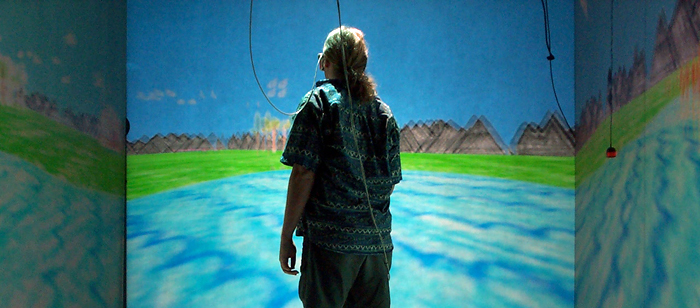
Immersive virtual environments (VEs) enable user-controlled interactions within a computer-generated virtual world, such as head-controlled point-of-view, user-controlled locomotion, and user-controlled self-avatars. In this talk I will present three projects focusing on the development of VE systems through understanding human interactions within the VE. The first project presents a VE system that enables users to really walk through VEs that are larger than the tracker-space by manipulating the imprecisions of the human visual system. The remaining two projects focus on virtual embodiment. The theory of embodiment is based on the plasticity of the human mind and its ability to accept a virtual avatar’s body as its own. One theory as to why embodiment works, following the same underlying principles thought to cause the “rubber hand illusion” from cognitive psychology, is that when given appropriate visual and/or haptic stimuli, people will accept an external representation of a body part as their own. This effect has been shown to extend to full-body avatars in virtual environments. I will present one project that demonstrates, through electroencephalography (EEG), that people respond to a virtual avatar as if it is their own body, and a second project that explores harnessing the powers of embodiment to reduce racism and study other psychological issues.
My name is Tabitha C. Peck and I am a post-doctoral researcher at the Event Lab in Barcelona, Spain working with Professor Mel Slater. I received my PhD from The University of North Carolina at Chapel Hill under the supervision of Professors Henry Fuchs and Mary C. Whitton. My PhD research focused on locomotion interfaces in virtual environments and enabling people to physically walk in small spaces while walking in much larger virtual spaces. I am currently working in the European project, Virtual Embodiment and Robotic Re-Embodiment (VERE), and my current research focuses on the psychological effects of embodiment in virtual environments. My research interests include immersive virtual environments, virtual embodiment, human-computer interaction, 3D user interfaces, locomotion, navigation, system design and evaluation, and human perception.
]]>
Interaction with Virtual Environments Tabitha C. Peck Event Lab, University of Barcelona 1:00pm Tuesday 27 March 2012, ITE32bb, UMBC Immersive virtual environments (VEs) enable...
http://www.csee.umbc.edu/2012/03/talk-interaction-with-virtual-environments-327/
https://beta.my.umbc.edu/api/v0/pixel/news/13059/guest@my.umbc.edu/e4db073ded9041363c499d999236b63d/api/pixel
news
research
talks
Computer Science and Electrical Engineering
https://beta.my.umbc.edu/groups/csee
https://assets3-beta.my.umbc.edu/system/shared/avatars/groups/000/000/099/d117dca133c64bf78a4b7696dd007189/xsmall.png?1314043393
https://assets1-beta.my.umbc.edu/system/shared/avatars/groups/000/000/099/d117dca133c64bf78a4b7696dd007189/original.png?1314043393
https://assets1-beta.my.umbc.edu/system/shared/avatars/groups/000/000/099/d117dca133c64bf78a4b7696dd007189/xxlarge.png?1314043393
https://assets4-beta.my.umbc.edu/system/shared/avatars/groups/000/000/099/d117dca133c64bf78a4b7696dd007189/xlarge.png?1314043393
https://assets3-beta.my.umbc.edu/system/shared/avatars/groups/000/000/099/d117dca133c64bf78a4b7696dd007189/large.png?1314043393
https://assets1-beta.my.umbc.edu/system/shared/avatars/groups/000/000/099/d117dca133c64bf78a4b7696dd007189/medium.png?1314043393
https://assets2-beta.my.umbc.edu/system/shared/avatars/groups/000/000/099/d117dca133c64bf78a4b7696dd007189/small.png?1314043393
https://assets3-beta.my.umbc.edu/system/shared/avatars/groups/000/000/099/d117dca133c64bf78a4b7696dd007189/xsmall.png?1314043393
https://assets3-beta.my.umbc.edu/system/shared/avatars/groups/000/000/099/d117dca133c64bf78a4b7696dd007189/xxsmall.png?1314043393
Computer Science and Electrical Engineering
1
0
true
Mon, 19 Mar 2012 00:04:40 -0400
talk: Securing Cyber-Physical Systems, 3/26

Securing Cyber-Physical Systems
Alvaro Cardenas
Fujitsu Laboratories of America
1:00pm Monday 26 March 2012, ITE 325b, UMBC
Our critical infrastructure systems are being modernized with information and communication technologies to face the operational requirements and efficiency challenges of the 21st century. The smart grid in particular, will introduce millions of new intelligent components to the electric grid, buildings, and homes within the next decade. While this modernization will bring many operational benefits to infrastructure systems, it will also introduce new vulnerabilities, a larger attack surface, and raise privacy concerns.
This presentation will be divided in three parts. The first part of the talk will cover the unique and fundamentally new challenges and solutions required for securing cyber-physical systems. The second part of the talk will focus on new mechanisms for securing cyber-physical systems. The final part of the talk will cover my other research interests in intrusion detection and future plans for big-data security.
Alvaro A. Cárdenas is a research staff engineer at Fujitsu Laboratories of America. Prior to this he was a postdoctoral fellow at the University of California, Berkeley working in securing critical infrastructure systems. His research focuses on network security, the smart grid and other cyber-physical systems, intrusion detection and big data security. He has received numerous awards for his research including a best paper award from the U.S. Army Research Office, a best presentation award from the IEEE, a fellowship from the University of Maryland, and a Distinguished Assistantship from the Institute of Systems Research. He has also been an invited visiting professor at the University of Cagliari. Alvaro holds M.S. and Ph.D. degrees from the University of Maryland, College Park, and a B.S. from Universidad de los Andes.
See http://csee.umbc.edu/talks for more information
]]>
Securing Cyber-Physical Systems Alvaro Cardenas Fujitsu Laboratories of America 1:00pm Monday 26 March 2012, ITE 325b, UMBC Our critical infrastructure systems are being modernized...
http://www.csee.umbc.edu/2012/03/talk-securing-cyber-physical-systems-326/
https://beta.my.umbc.edu/api/v0/pixel/news/13056/guest@my.umbc.edu/57fa7e3f0d89a046405e689b1e186e8b/api/pixel
cybersecurity
news
research
talks
Computer Science and Electrical Engineering
https://beta.my.umbc.edu/groups/csee
https://assets3-beta.my.umbc.edu/system/shared/avatars/groups/000/000/099/d117dca133c64bf78a4b7696dd007189/xsmall.png?1314043393
https://assets1-beta.my.umbc.edu/system/shared/avatars/groups/000/000/099/d117dca133c64bf78a4b7696dd007189/original.png?1314043393
https://assets1-beta.my.umbc.edu/system/shared/avatars/groups/000/000/099/d117dca133c64bf78a4b7696dd007189/xxlarge.png?1314043393
https://assets4-beta.my.umbc.edu/system/shared/avatars/groups/000/000/099/d117dca133c64bf78a4b7696dd007189/xlarge.png?1314043393
https://assets3-beta.my.umbc.edu/system/shared/avatars/groups/000/000/099/d117dca133c64bf78a4b7696dd007189/large.png?1314043393
https://assets1-beta.my.umbc.edu/system/shared/avatars/groups/000/000/099/d117dca133c64bf78a4b7696dd007189/medium.png?1314043393
https://assets2-beta.my.umbc.edu/system/shared/avatars/groups/000/000/099/d117dca133c64bf78a4b7696dd007189/small.png?1314043393
https://assets3-beta.my.umbc.edu/system/shared/avatars/groups/000/000/099/d117dca133c64bf78a4b7696dd007189/xsmall.png?1314043393
https://assets3-beta.my.umbc.edu/system/shared/avatars/groups/000/000/099/d117dca133c64bf78a4b7696dd007189/xxsmall.png?1314043393
Computer Science and Electrical Engineering
1
0
true
Sun, 18 Mar 2012 20:08:14 -0400
Talk: Kapitanova on Addressing failures in wireless sensor networks

Addressing failures in wireless sensor networks
Krasimira Kapitanova
University of Virginia
1:00pm Wednesday 28 March, 2012, ITE 325b, UMBC
Wireless sensor networks are now being used for a growing number of applications, from mission critical applications, including fire-fighting, emergency response, infrastructure monitoring, and medical application, to smart home applications, such as home automation, energy efficiency, and home security. These applications must operate reliably and continuously due to the high costs associated with system failure and maintenance. However, continuous and reliable operation of sensor networks is notoriously difficult to guarantee due to hardware degradation and environmental changes, which can cause operating conditions that were impossible for the original system designers to foresee. Recent studies have found that low-cost sensors suffer from many types of faults. Inexpensive nodes can break and battery-powered nodes lose power. Furthermore, sensor network installations suffer from a large number of non-fail-stop faults in which the sensor does not completely fail. Instead, it continues to report values, but the meaning of the values changes or becomes invalid. This talk will discuss a number of new run-time techniques that use application-level semantics to detect, assess, and adapt to sensor node failures.
Krasimira Kapitanova is a PhD candidate of Computer Science at the University of Virginia. Her research focuses on wireless sensor network, in particular using formal approaches for event description and detection. She is also interested in how testing and machine learning techniques can be used to improve the reliability of sensor network applications.
Host: Tim Finin
]]>
Addressing failures in wireless sensor networks Krasimira Kapitanova University of Virginia 1:00pm Wednesday 28 March, 2012, ITE 325b, UMBC Wireless sensor networks are now being used for...
http://www.csee.umbc.edu/2012/03/talk-kapitanova-on-addressing-failures-in-wireless-sensor-networks/
https://beta.my.umbc.edu/api/v0/pixel/news/13051/guest@my.umbc.edu/5899335172fc7ae87f17e6b80fa0ed3c/api/pixel
news
research
talks
Computer Science and Electrical Engineering
https://beta.my.umbc.edu/groups/csee
https://assets3-beta.my.umbc.edu/system/shared/avatars/groups/000/000/099/d117dca133c64bf78a4b7696dd007189/xsmall.png?1314043393
https://assets1-beta.my.umbc.edu/system/shared/avatars/groups/000/000/099/d117dca133c64bf78a4b7696dd007189/original.png?1314043393
https://assets1-beta.my.umbc.edu/system/shared/avatars/groups/000/000/099/d117dca133c64bf78a4b7696dd007189/xxlarge.png?1314043393
https://assets4-beta.my.umbc.edu/system/shared/avatars/groups/000/000/099/d117dca133c64bf78a4b7696dd007189/xlarge.png?1314043393
https://assets3-beta.my.umbc.edu/system/shared/avatars/groups/000/000/099/d117dca133c64bf78a4b7696dd007189/large.png?1314043393
https://assets1-beta.my.umbc.edu/system/shared/avatars/groups/000/000/099/d117dca133c64bf78a4b7696dd007189/medium.png?1314043393
https://assets2-beta.my.umbc.edu/system/shared/avatars/groups/000/000/099/d117dca133c64bf78a4b7696dd007189/small.png?1314043393
https://assets3-beta.my.umbc.edu/system/shared/avatars/groups/000/000/099/d117dca133c64bf78a4b7696dd007189/xsmall.png?1314043393
https://assets3-beta.my.umbc.edu/system/shared/avatars/groups/000/000/099/d117dca133c64bf78a4b7696dd007189/xxsmall.png?1314043393
Computer Science and Electrical Engineering
1
0
true
Sun, 18 Mar 2012 07:48:20 -0400
Sun, 18 Mar 2012 07:48:20 -0400
talk: Barsky on Suffix trees for very large strings
Suffix trees for very large strings
Dr. Marina Barsky
University of Illinois at Urbana-Champaign
1:00pm Friday, 30 March 2012, ITE 325b, UMBC
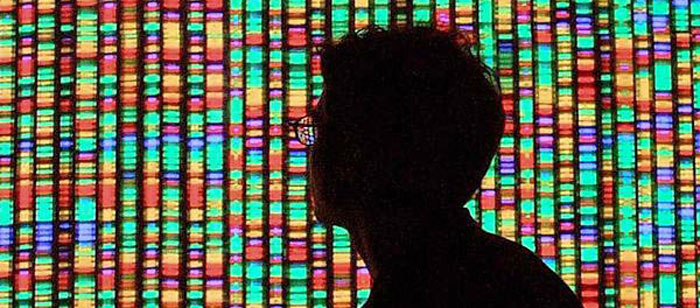
The seminar is dedicated to the construction of suffix trees in external memory. A suffix tree is a compact index of all substrings of a given text. While being asymptotically linear in the size of the input, in practice, suffix trees can easily be 50 times larger than the input. As such, suffix trees often exceed typical main memory sizes, even when the input does not. As most existing algorithms are designed for RAM, their performance severely degrades when the tree and/or input do not fit in main memory. So far, this has prevented the wide application of suffix trees for the analysis of massive string collections.
We will look at new advanced methods of suffix tree construction which circumvent memory concerns and allow us to construct suffix trees for inputs of any size using secondary storage (magnetic disks). We will also discuss how this disk-based index can be used for facilitating the pattern discovery in sequential data.
Dr. Marina Barsky is currently a Post-Doctoral fellow in the Department of Computer Science at the University of Illinois at Urbana-Champaign, IL. She received her PhD in Computer Science from the University of Victoria, British Columbia, Canada in 2010. A large part of her post-graduate research was dedicated to pattern discovery in string data, primarily in massive DNA databases. She is currently expanding her expertise in database systems to new areas such as index management and data mining. Her research interests include data mining of sequential data, information networks, and teaching of computer science through interactive interfaces.
Host: Richard Chang
]]>
Suffix trees for very large strings Dr. Marina Barsky University of Illinois at Urbana-Champaign 1:00pm Friday, 30 March 2012, ITE 325b, UMBC The seminar is dedicated to the construction...
http://www.csee.umbc.edu/2012/03/talk-barsky-on-suffix-trees-for-very-large-strings/
https://beta.my.umbc.edu/api/v0/pixel/news/13046/guest@my.umbc.edu/4e6b05568a8507891b7a5321e21e12be/api/pixel
news
research
talks
Computer Science and Electrical Engineering
https://beta.my.umbc.edu/groups/csee
https://assets3-beta.my.umbc.edu/system/shared/avatars/groups/000/000/099/d117dca133c64bf78a4b7696dd007189/xsmall.png?1314043393
https://assets1-beta.my.umbc.edu/system/shared/avatars/groups/000/000/099/d117dca133c64bf78a4b7696dd007189/original.png?1314043393
https://assets1-beta.my.umbc.edu/system/shared/avatars/groups/000/000/099/d117dca133c64bf78a4b7696dd007189/xxlarge.png?1314043393
https://assets4-beta.my.umbc.edu/system/shared/avatars/groups/000/000/099/d117dca133c64bf78a4b7696dd007189/xlarge.png?1314043393
https://assets3-beta.my.umbc.edu/system/shared/avatars/groups/000/000/099/d117dca133c64bf78a4b7696dd007189/large.png?1314043393
https://assets1-beta.my.umbc.edu/system/shared/avatars/groups/000/000/099/d117dca133c64bf78a4b7696dd007189/medium.png?1314043393
https://assets2-beta.my.umbc.edu/system/shared/avatars/groups/000/000/099/d117dca133c64bf78a4b7696dd007189/small.png?1314043393
https://assets3-beta.my.umbc.edu/system/shared/avatars/groups/000/000/099/d117dca133c64bf78a4b7696dd007189/xsmall.png?1314043393
https://assets3-beta.my.umbc.edu/system/shared/avatars/groups/000/000/099/d117dca133c64bf78a4b7696dd007189/xxsmall.png?1314043393
Computer Science and Electrical Engineering
1
0
true
Fri, 16 Mar 2012 23:56:22 -0400
Thu, 29 Mar 2012 00:56:22 -0400
 Dr. Rheingans has been the Director of UMBC’s Center for Women in Technology (CWIT) since the summer of 2009. Since then, she has mentored over a hundred students within the CWIT and SITE scholarship programs.