<?xml version="1.0"?>
<News hasArchived="false" page="2" pageCount="2" pageSize="10" timestamp="Fri, 08 May 2026 07:51:04 -0400" url="https://beta.my.umbc.edu/groups/gphi/posts.xml?page=2&amp;tag=gphi">
<NewsItem contentIssues="true" id="141681" important="false" status="posted" url="https://beta.my.umbc.edu/groups/gphi/posts/141681">
<Title>Young receives 2024 UMBC Presidential Staff Award</Title>
<Body>
<![CDATA[
    <div class="html-content">On Wednesday, May 1, 2024, the UMBC 2024 Presidential Faculty and Staff Awards ceremony was held in the University Center Ballroom, and it was available to view virtually. President Valerie Sheares Ashby welcomed the awardees, family members, attendees, and everyone involved with creating a beautiful event. She shared each awardee's accomplishment and presented each one with an official plaque.<div><br></div>
    <div>
    <a href="https://gphi.umbc.edu/gphi-administration/" rel="nofollow external" class="bo">Margo Young</a>, Director, Earth and Space Research Administration, received the <a href="https://facultystaffawards.umbc.edu/award-descriptions/" rel="nofollow external" class="bo">2024 University System of Maryland Board of Regents Staff Award</a> for Effectiveness and Efficiency. In particular, "Her exceptional vision in developing ESRA, nurturing UMBC's important relationship with NASA, and her outstanding work as a leader in UMBC's vital program of research administration greatly contributed to naming UMBC as an R1 university."</div>
    <div><br></div>
    <div>More information about her accomplishments and other 2024 awardees can be found <a href="https://facultystaffawards.umbc.edu/" rel="nofollow external" class="bo">here</a>. Congratulations on this well-deserved recognition!</div>
    <div><br></div>
    <div><img src="https://beta.my.umbc.edu/system/shared/attachments/news/000/141/681/4b67b543a7ebafcc13f2e99ade5a0607/Margo%20with%20UMBC%20President%205.01.24%20web.jpg" style="max-width: 100%; height: auto;"></div>
    <div><em>Margo Young with President Sheares Ashby.</em></div>
    <div><em><br></em></div>
    <div>(Photo credit: A. Houghton)</div>
    </div>
]]>
</Body>
<Summary>On Wednesday, May 1, 2024, the UMBC 2024 Presidential Faculty and Staff Awards ceremony was held in the University Center Ballroom, and it was available to view virtually. President Valerie...</Summary>
<AttachmentKind>Photo</AttachmentKind>
<AttachmentUrl>https://assets3-beta.my.umbc.edu/system/shared/attachments/9d539881d386b863751faa7246f28c82/69fdce28/news/000/141/681/4b67b543a7ebafcc13f2e99ade5a0607/Margo with UMBC President 5.01.24 web.jpg?1714761180</AttachmentUrl>
<Attachments>
<Attachment kind="Photo" url="https://beta.my.umbc.edu/groups/gphi/posts/141681/attachments/52136"></Attachment>
</Attachments>
<TrackingUrl>https://beta.my.umbc.edu/api/v0/pixel/news/141681/guest@my.umbc.edu/386c64dcad0ce4afa36c4056aad4fc4a/api/pixel</TrackingUrl>
<Tag>gphi</Tag>
<Group token="gphi">Goddard Planetary Heliophysics Institute</Group>
<GroupUrl>https://beta.my.umbc.edu/groups/gphi</GroupUrl>
<AvatarUrl>https://assets4-beta.my.umbc.edu/system/shared/avatars/groups/000/001/291/6f7a92aa67a1f52d4f16a9884623e206/xsmall.png?1477318631</AvatarUrl>
<AvatarUrl size="original">https://assets2-beta.my.umbc.edu/system/shared/avatars/groups/000/001/291/6f7a92aa67a1f52d4f16a9884623e206/original.png?1477318631</AvatarUrl>
<AvatarUrl size="xxlarge">https://assets4-beta.my.umbc.edu/system/shared/avatars/groups/000/001/291/6f7a92aa67a1f52d4f16a9884623e206/xxlarge.png?1477318631</AvatarUrl>
<AvatarUrl size="xlarge">https://assets4-beta.my.umbc.edu/system/shared/avatars/groups/000/001/291/6f7a92aa67a1f52d4f16a9884623e206/xlarge.png?1477318631</AvatarUrl>
<AvatarUrl size="large">https://assets1-beta.my.umbc.edu/system/shared/avatars/groups/000/001/291/6f7a92aa67a1f52d4f16a9884623e206/large.png?1477318631</AvatarUrl>
<AvatarUrl size="medium">https://assets3-beta.my.umbc.edu/system/shared/avatars/groups/000/001/291/6f7a92aa67a1f52d4f16a9884623e206/medium.png?1477318631</AvatarUrl>
<AvatarUrl size="small">https://assets1-beta.my.umbc.edu/system/shared/avatars/groups/000/001/291/6f7a92aa67a1f52d4f16a9884623e206/small.png?1477318631</AvatarUrl>
<AvatarUrl size="xsmall">https://assets4-beta.my.umbc.edu/system/shared/avatars/groups/000/001/291/6f7a92aa67a1f52d4f16a9884623e206/xsmall.png?1477318631</AvatarUrl>
<AvatarUrl size="xxsmall">https://assets3-beta.my.umbc.edu/system/shared/avatars/groups/000/001/291/6f7a92aa67a1f52d4f16a9884623e206/xxsmall.png?1477318631</AvatarUrl>
<Sponsor>Goddard Planetary Heliophysics Institute</Sponsor>
<ThumbnailUrl size="xxlarge">https://assets2-beta.my.umbc.edu/system/shared/thumbnails/news/000/141/681/144e7980464742d7e1034766d643764c/xxlarge.jpg?1714761587</ThumbnailUrl>
<ThumbnailUrl size="xlarge">https://assets4-beta.my.umbc.edu/system/shared/thumbnails/news/000/141/681/144e7980464742d7e1034766d643764c/xlarge.jpg?1714761587</ThumbnailUrl>
<ThumbnailUrl size="large">https://assets2-beta.my.umbc.edu/system/shared/thumbnails/news/000/141/681/144e7980464742d7e1034766d643764c/large.jpg?1714761587</ThumbnailUrl>
<ThumbnailUrl size="medium">https://assets1-beta.my.umbc.edu/system/shared/thumbnails/news/000/141/681/144e7980464742d7e1034766d643764c/medium.jpg?1714761587</ThumbnailUrl>
<ThumbnailUrl size="small">https://assets3-beta.my.umbc.edu/system/shared/thumbnails/news/000/141/681/144e7980464742d7e1034766d643764c/small.jpg?1714761587</ThumbnailUrl>
<ThumbnailUrl size="xsmall">https://assets4-beta.my.umbc.edu/system/shared/thumbnails/news/000/141/681/144e7980464742d7e1034766d643764c/xsmall.jpg?1714761587</ThumbnailUrl>
<ThumbnailUrl size="xxsmall">https://assets4-beta.my.umbc.edu/system/shared/thumbnails/news/000/141/681/144e7980464742d7e1034766d643764c/xxsmall.jpg?1714761587</ThumbnailUrl>
<PawCount>0</PawCount>
<CommentCount>0</CommentCount>
<CommentsAllowed>false</CommentsAllowed>
<PostedAt>Fri, 03 May 2024 14:42:56 -0400</PostedAt>
</NewsItem>

<NewsItem contentIssues="true" id="141138" important="false" status="posted" url="https://beta.my.umbc.edu/groups/gphi/posts/141138">
<Title>Students supported by Burkholder present poster at URCAD</Title>
<Body>
<![CDATA[
    <div class="html-content">
    <div>At the 2024 Undergraduate Research and Creative Achievement Day (<a href="https://urcad.umbc.edu/" rel="nofollow external" class="bo">URCAD</a>), two students, who are supported by <a href="https://gphi.umbc.edu/gphi-faculty/" rel="nofollow external" class="bo">Brandon Burkholder</a>'s NASA MMS (Magnetospheric Multiscale) Early Career Grant, presented the poster, "Comparing Cusp Dispersion Signatures from DMSP observations and Global MHD Simulations with Test Particles." </div>
    <div><br></div>
    <div>Yohannes Girma and Azzan Porter are both physics majors at UMBC. Yohannes Girma works with global magnetohydrodynamic simulations of Earth's magnetosphere, and Azzan Porter analyzes observations from different spacecraft in the magnetosphere. Says Dr. Burkholder, "Our science will help to better predict extreme space weather events and their impacts on technology and society."</div>
    <div><br></div>
    <div>(Photo credit: B. Burkholder)</div>
    <div> <img src="https://beta.my.umbc.edu/system/shared/attachments/news/000/141/138/c9152e9e5b7abf2b0fd5e984e44136fb/YG_AP_urcad2.jpg" style="max-width: 100%; height: auto;">
    </div>
    </div>
]]>
</Body>
<Summary>At the 2024 Undergraduate Research and Creative Achievement Day (URCAD), two students, who are supported by Brandon Burkholder's NASA MMS (Magnetospheric Multiscale) Early Career Grant, presented...</Summary>
<AttachmentKind>Photo</AttachmentKind>
<AttachmentUrl>https://assets1-beta.my.umbc.edu/system/shared/attachments/f96019eb10e58784f06c82db888da09c/69fdce28/news/000/141/138/c9152e9e5b7abf2b0fd5e984e44136fb/YG_AP_urcad2.jpg?1713546889</AttachmentUrl>
<Attachments>
<Attachment kind="Photo" url="https://beta.my.umbc.edu/groups/gphi/posts/141138/attachments/51905"></Attachment>
</Attachments>
<TrackingUrl>https://beta.my.umbc.edu/api/v0/pixel/news/141138/guest@my.umbc.edu/ee62f06dec87a28f75385eac93e9e50b/api/pixel</TrackingUrl>
<Tag>gphi</Tag>
<Group token="gphi">Goddard Planetary Heliophysics Institute</Group>
<GroupUrl>https://beta.my.umbc.edu/groups/gphi</GroupUrl>
<AvatarUrl>https://assets4-beta.my.umbc.edu/system/shared/avatars/groups/000/001/291/6f7a92aa67a1f52d4f16a9884623e206/xsmall.png?1477318631</AvatarUrl>
<AvatarUrl size="original">https://assets2-beta.my.umbc.edu/system/shared/avatars/groups/000/001/291/6f7a92aa67a1f52d4f16a9884623e206/original.png?1477318631</AvatarUrl>
<AvatarUrl size="xxlarge">https://assets4-beta.my.umbc.edu/system/shared/avatars/groups/000/001/291/6f7a92aa67a1f52d4f16a9884623e206/xxlarge.png?1477318631</AvatarUrl>
<AvatarUrl size="xlarge">https://assets4-beta.my.umbc.edu/system/shared/avatars/groups/000/001/291/6f7a92aa67a1f52d4f16a9884623e206/xlarge.png?1477318631</AvatarUrl>
<AvatarUrl size="large">https://assets1-beta.my.umbc.edu/system/shared/avatars/groups/000/001/291/6f7a92aa67a1f52d4f16a9884623e206/large.png?1477318631</AvatarUrl>
<AvatarUrl size="medium">https://assets3-beta.my.umbc.edu/system/shared/avatars/groups/000/001/291/6f7a92aa67a1f52d4f16a9884623e206/medium.png?1477318631</AvatarUrl>
<AvatarUrl size="small">https://assets1-beta.my.umbc.edu/system/shared/avatars/groups/000/001/291/6f7a92aa67a1f52d4f16a9884623e206/small.png?1477318631</AvatarUrl>
<AvatarUrl size="xsmall">https://assets4-beta.my.umbc.edu/system/shared/avatars/groups/000/001/291/6f7a92aa67a1f52d4f16a9884623e206/xsmall.png?1477318631</AvatarUrl>
<AvatarUrl size="xxsmall">https://assets3-beta.my.umbc.edu/system/shared/avatars/groups/000/001/291/6f7a92aa67a1f52d4f16a9884623e206/xxsmall.png?1477318631</AvatarUrl>
<Sponsor>Goddard Planetary Heliophysics Institute</Sponsor>
<ThumbnailUrl size="xxlarge">https://assets4-beta.my.umbc.edu/system/shared/thumbnails/news/000/141/138/f70427db98081f26714847a1df1a4289/xxlarge.jpg?1713971610</ThumbnailUrl>
<ThumbnailUrl size="xlarge">https://assets3-beta.my.umbc.edu/system/shared/thumbnails/news/000/141/138/f70427db98081f26714847a1df1a4289/xlarge.jpg?1713971610</ThumbnailUrl>
<ThumbnailUrl size="large">https://assets3-beta.my.umbc.edu/system/shared/thumbnails/news/000/141/138/f70427db98081f26714847a1df1a4289/large.jpg?1713971610</ThumbnailUrl>
<ThumbnailUrl size="medium">https://assets1-beta.my.umbc.edu/system/shared/thumbnails/news/000/141/138/f70427db98081f26714847a1df1a4289/medium.jpg?1713971610</ThumbnailUrl>
<ThumbnailUrl size="small">https://assets1-beta.my.umbc.edu/system/shared/thumbnails/news/000/141/138/f70427db98081f26714847a1df1a4289/small.jpg?1713971610</ThumbnailUrl>
<ThumbnailUrl size="xsmall">https://assets2-beta.my.umbc.edu/system/shared/thumbnails/news/000/141/138/f70427db98081f26714847a1df1a4289/xsmall.jpg?1713971610</ThumbnailUrl>
<ThumbnailUrl size="xxsmall">https://assets1-beta.my.umbc.edu/system/shared/thumbnails/news/000/141/138/f70427db98081f26714847a1df1a4289/xxsmall.jpg?1713971610</ThumbnailUrl>
<PawCount>1</PawCount>
<CommentCount>0</CommentCount>
<CommentsAllowed>false</CommentsAllowed>
<PostedAt>Fri, 19 Apr 2024 13:16:31 -0400</PostedAt>
<EditAt>Wed, 24 Apr 2024 11:13:48 -0400</EditAt>
</NewsItem>

<NewsItem contentIssues="true" id="139315" important="false" status="posted" url="https://beta.my.umbc.edu/groups/gphi/posts/139315">
<Title>Learn more about the 2024 Solar Eclipse with NASA</Title>
<Body>
<![CDATA[
    <div class="html-content">As part of their Engage series, the NASA Goddard Office of Communications recently presented "<a href="https://www.youtube.com/watch?v=D_cPcfD1zEE" rel="nofollow external" class="bo">2024 Total Solar Eclipse</a>." Scientists and outreach personnel provided a thorough overview of preparing for and engaging in the total solar eclipse, which will happen on April 8, 2024. Make sure you observe safely! Check out this video from the NASA Scientific Visualization Studio: "<a href="https://svs.gsfc.nasa.gov/14532/" rel="nofollow external" class="bo">Different Ways to Safely View a Solar Eclipse</a>." Note, even if your location is not in the <a href="https://svs.gsfc.nasa.gov/5123/" rel="nofollow external" class="bo">path of totality</a>, you should still use safety measures when viewing the eclipse. <div>(Photo Credit: NASA SVS.)</div>
    </div>
]]>
</Body>
<Summary>As part of their Engage series, the NASA Goddard Office of Communications recently presented "2024 Total Solar Eclipse." Scientists and outreach personnel provided a thorough overview of preparing...</Summary>
<TrackingUrl>https://beta.my.umbc.edu/api/v0/pixel/news/139315/guest@my.umbc.edu/c7d5c4a4ff8524196b936a5823b178cb/api/pixel</TrackingUrl>
<Tag>gphi</Tag>
<Group token="gphi">Goddard Planetary Heliophysics Institute</Group>
<GroupUrl>https://beta.my.umbc.edu/groups/gphi</GroupUrl>
<AvatarUrl>https://assets4-beta.my.umbc.edu/system/shared/avatars/groups/000/001/291/6f7a92aa67a1f52d4f16a9884623e206/xsmall.png?1477318631</AvatarUrl>
<AvatarUrl size="original">https://assets2-beta.my.umbc.edu/system/shared/avatars/groups/000/001/291/6f7a92aa67a1f52d4f16a9884623e206/original.png?1477318631</AvatarUrl>
<AvatarUrl size="xxlarge">https://assets4-beta.my.umbc.edu/system/shared/avatars/groups/000/001/291/6f7a92aa67a1f52d4f16a9884623e206/xxlarge.png?1477318631</AvatarUrl>
<AvatarUrl size="xlarge">https://assets4-beta.my.umbc.edu/system/shared/avatars/groups/000/001/291/6f7a92aa67a1f52d4f16a9884623e206/xlarge.png?1477318631</AvatarUrl>
<AvatarUrl size="large">https://assets1-beta.my.umbc.edu/system/shared/avatars/groups/000/001/291/6f7a92aa67a1f52d4f16a9884623e206/large.png?1477318631</AvatarUrl>
<AvatarUrl size="medium">https://assets3-beta.my.umbc.edu/system/shared/avatars/groups/000/001/291/6f7a92aa67a1f52d4f16a9884623e206/medium.png?1477318631</AvatarUrl>
<AvatarUrl size="small">https://assets1-beta.my.umbc.edu/system/shared/avatars/groups/000/001/291/6f7a92aa67a1f52d4f16a9884623e206/small.png?1477318631</AvatarUrl>
<AvatarUrl size="xsmall">https://assets4-beta.my.umbc.edu/system/shared/avatars/groups/000/001/291/6f7a92aa67a1f52d4f16a9884623e206/xsmall.png?1477318631</AvatarUrl>
<AvatarUrl size="xxsmall">https://assets3-beta.my.umbc.edu/system/shared/avatars/groups/000/001/291/6f7a92aa67a1f52d4f16a9884623e206/xxsmall.png?1477318631</AvatarUrl>
<Sponsor>Goddard Planetary Heliophysics Institute</Sponsor>
<ThumbnailUrl size="xxlarge">https://assets2-beta.my.umbc.edu/system/shared/thumbnails/news/000/139/315/0b0d9f80b9039affa4ea77eede16e619/xxlarge.jpg?1708978058</ThumbnailUrl>
<ThumbnailUrl size="xlarge">https://assets4-beta.my.umbc.edu/system/shared/thumbnails/news/000/139/315/0b0d9f80b9039affa4ea77eede16e619/xlarge.jpg?1708978058</ThumbnailUrl>
<ThumbnailUrl size="large">https://assets1-beta.my.umbc.edu/system/shared/thumbnails/news/000/139/315/0b0d9f80b9039affa4ea77eede16e619/large.jpg?1708978058</ThumbnailUrl>
<ThumbnailUrl size="medium">https://assets4-beta.my.umbc.edu/system/shared/thumbnails/news/000/139/315/0b0d9f80b9039affa4ea77eede16e619/medium.jpg?1708978058</ThumbnailUrl>
<ThumbnailUrl size="small">https://assets3-beta.my.umbc.edu/system/shared/thumbnails/news/000/139/315/0b0d9f80b9039affa4ea77eede16e619/small.jpg?1708978058</ThumbnailUrl>
<ThumbnailUrl size="xsmall">https://assets2-beta.my.umbc.edu/system/shared/thumbnails/news/000/139/315/0b0d9f80b9039affa4ea77eede16e619/xsmall.jpg?1708978058</ThumbnailUrl>
<ThumbnailUrl size="xxsmall">https://assets4-beta.my.umbc.edu/system/shared/thumbnails/news/000/139/315/0b0d9f80b9039affa4ea77eede16e619/xxsmall.jpg?1708978058</ThumbnailUrl>
<PawCount>1</PawCount>
<CommentCount>0</CommentCount>
<CommentsAllowed>false</CommentsAllowed>
<PostedAt>Mon, 26 Feb 2024 15:09:43 -0500</PostedAt>
</NewsItem>

<NewsItem contentIssues="true" id="133988" important="false" status="posted" url="https://beta.my.umbc.edu/groups/gphi/posts/133988">
<Title>Oliveira featured in June's Early Career Scientist Spotlight</Title>
<Body>
<![CDATA[
    <div class="html-content">Every month, NASA Goddard Association of Postdoctoral Scholars and Early Career Scientists (known as NGAPS+) selects four scientists to feature. For June 2023, <a href="https://science.gsfc.nasa.gov/sed/bio/denny.m.deoliveira" rel="nofollow external" class="bo">Denny Oliveira</a> (673/UMBC) is among those in the spotlight. Click <a href="https://science.gsfc.nasa.gov/600/ECSS/index.html" rel="nofollow external" class="bo">here</a> to read more about his research, his background, and his interests, as well as those of the other scientists.</div>
]]>
</Body>
<Summary>Every month, NASA Goddard Association of Postdoctoral Scholars and Early Career Scientists (known as NGAPS+) selects four scientists to feature. For June 2023, Denny Oliveira (673/UMBC) is among...</Summary>
<TrackingUrl>https://beta.my.umbc.edu/api/v0/pixel/news/133988/guest@my.umbc.edu/24fbe0e1a9247b6e69c09c38fa5d9573/api/pixel</TrackingUrl>
<Tag>gphi</Tag>
<Group token="gphi">Goddard Planetary Heliophysics Institute</Group>
<GroupUrl>https://beta.my.umbc.edu/groups/gphi</GroupUrl>
<AvatarUrl>https://assets4-beta.my.umbc.edu/system/shared/avatars/groups/000/001/291/6f7a92aa67a1f52d4f16a9884623e206/xsmall.png?1477318631</AvatarUrl>
<AvatarUrl size="original">https://assets2-beta.my.umbc.edu/system/shared/avatars/groups/000/001/291/6f7a92aa67a1f52d4f16a9884623e206/original.png?1477318631</AvatarUrl>
<AvatarUrl size="xxlarge">https://assets4-beta.my.umbc.edu/system/shared/avatars/groups/000/001/291/6f7a92aa67a1f52d4f16a9884623e206/xxlarge.png?1477318631</AvatarUrl>
<AvatarUrl size="xlarge">https://assets4-beta.my.umbc.edu/system/shared/avatars/groups/000/001/291/6f7a92aa67a1f52d4f16a9884623e206/xlarge.png?1477318631</AvatarUrl>
<AvatarUrl size="large">https://assets1-beta.my.umbc.edu/system/shared/avatars/groups/000/001/291/6f7a92aa67a1f52d4f16a9884623e206/large.png?1477318631</AvatarUrl>
<AvatarUrl size="medium">https://assets3-beta.my.umbc.edu/system/shared/avatars/groups/000/001/291/6f7a92aa67a1f52d4f16a9884623e206/medium.png?1477318631</AvatarUrl>
<AvatarUrl size="small">https://assets1-beta.my.umbc.edu/system/shared/avatars/groups/000/001/291/6f7a92aa67a1f52d4f16a9884623e206/small.png?1477318631</AvatarUrl>
<AvatarUrl size="xsmall">https://assets4-beta.my.umbc.edu/system/shared/avatars/groups/000/001/291/6f7a92aa67a1f52d4f16a9884623e206/xsmall.png?1477318631</AvatarUrl>
<AvatarUrl size="xxsmall">https://assets3-beta.my.umbc.edu/system/shared/avatars/groups/000/001/291/6f7a92aa67a1f52d4f16a9884623e206/xxsmall.png?1477318631</AvatarUrl>
<Sponsor>Goddard Planetary Heliophysics Institute</Sponsor>
<ThumbnailUrl size="xxlarge">https://assets2-beta.my.umbc.edu/system/shared/thumbnails/news/000/133/988/41d8fdaf426af02446dddd77a7bdb023/xxlarge.jpg?1686766911</ThumbnailUrl>
<ThumbnailUrl size="xlarge">https://assets1-beta.my.umbc.edu/system/shared/thumbnails/news/000/133/988/41d8fdaf426af02446dddd77a7bdb023/xlarge.jpg?1686766911</ThumbnailUrl>
<ThumbnailUrl size="large">https://assets3-beta.my.umbc.edu/system/shared/thumbnails/news/000/133/988/41d8fdaf426af02446dddd77a7bdb023/large.jpg?1686766911</ThumbnailUrl>
<ThumbnailUrl size="medium">https://assets1-beta.my.umbc.edu/system/shared/thumbnails/news/000/133/988/41d8fdaf426af02446dddd77a7bdb023/medium.jpg?1686766911</ThumbnailUrl>
<ThumbnailUrl size="small">https://assets1-beta.my.umbc.edu/system/shared/thumbnails/news/000/133/988/41d8fdaf426af02446dddd77a7bdb023/small.jpg?1686766911</ThumbnailUrl>
<ThumbnailUrl size="xsmall">https://assets2-beta.my.umbc.edu/system/shared/thumbnails/news/000/133/988/41d8fdaf426af02446dddd77a7bdb023/xsmall.jpg?1686766911</ThumbnailUrl>
<ThumbnailUrl size="xxsmall">https://assets2-beta.my.umbc.edu/system/shared/thumbnails/news/000/133/988/41d8fdaf426af02446dddd77a7bdb023/xxsmall.jpg?1686766911</ThumbnailUrl>
<PawCount>0</PawCount>
<CommentCount>0</CommentCount>
<CommentsAllowed>false</CommentsAllowed>
<PostedAt>Wed, 14 Jun 2023 14:22:19 -0400</PostedAt>
</NewsItem>

<NewsItem contentIssues="true" id="133985" important="false" status="posted" url="https://beta.my.umbc.edu/groups/gphi/posts/133985">
<Title>Leamon leads study on solar cycles &amp; La Nina events</Title>
<Tagline>(originally from Dec 2021)</Tagline>
<Body>
<![CDATA[
    <div class="html-content">
    <div>"A new study, led by GPHI researcher <a href="https://science.gsfc.nasa.gov/sed/bio/robert.j.leamon" rel="nofollow external" class="bo">Robert Leamon</a> (UMBC) and co-authored by Daniel Marsh (NCAR), shows a correlation between the end of solar cycles and a switch to La Nina conditions in the Pacific Ocean, suggesting that the sun's variability can drive seasonal weather variability on Earth. The findings were published in the journal <a href="https://agupubs.onlinelibrary.wiley.com/doi/10.1029/2020EA001223" rel="nofollow external" class="bo">Earth and Space Science</a>." (NSF.gov)</div>
    <div><br></div>
    <div>The research was funded by the U.S. National Science Foundation, which is NCAR's sponsor, and NASA's Living With a Star program. Read more about this study on the <a href="https://new.nsf.gov/news/study-ties-solar-variability-onset-decadal-la-nina" rel="nofollow external" class="bo">NSF site</a>.</div>
    <div><br></div>
    </div>
]]>
</Body>
<Summary>"A new study, led by GPHI researcher Robert Leamon (UMBC) and co-authored by Daniel Marsh (NCAR), shows a correlation between the end of solar cycles and a switch to La Nina conditions in the...</Summary>
<TrackingUrl>https://beta.my.umbc.edu/api/v0/pixel/news/133985/guest@my.umbc.edu/8b7082f732c08d9140e493523fabcc47/api/pixel</TrackingUrl>
<Tag>gphi</Tag>
<Group token="gphi">Goddard Planetary Heliophysics Institute</Group>
<GroupUrl>https://beta.my.umbc.edu/groups/gphi</GroupUrl>
<AvatarUrl>https://assets4-beta.my.umbc.edu/system/shared/avatars/groups/000/001/291/6f7a92aa67a1f52d4f16a9884623e206/xsmall.png?1477318631</AvatarUrl>
<AvatarUrl size="original">https://assets2-beta.my.umbc.edu/system/shared/avatars/groups/000/001/291/6f7a92aa67a1f52d4f16a9884623e206/original.png?1477318631</AvatarUrl>
<AvatarUrl size="xxlarge">https://assets4-beta.my.umbc.edu/system/shared/avatars/groups/000/001/291/6f7a92aa67a1f52d4f16a9884623e206/xxlarge.png?1477318631</AvatarUrl>
<AvatarUrl size="xlarge">https://assets4-beta.my.umbc.edu/system/shared/avatars/groups/000/001/291/6f7a92aa67a1f52d4f16a9884623e206/xlarge.png?1477318631</AvatarUrl>
<AvatarUrl size="large">https://assets1-beta.my.umbc.edu/system/shared/avatars/groups/000/001/291/6f7a92aa67a1f52d4f16a9884623e206/large.png?1477318631</AvatarUrl>
<AvatarUrl size="medium">https://assets3-beta.my.umbc.edu/system/shared/avatars/groups/000/001/291/6f7a92aa67a1f52d4f16a9884623e206/medium.png?1477318631</AvatarUrl>
<AvatarUrl size="small">https://assets1-beta.my.umbc.edu/system/shared/avatars/groups/000/001/291/6f7a92aa67a1f52d4f16a9884623e206/small.png?1477318631</AvatarUrl>
<AvatarUrl size="xsmall">https://assets4-beta.my.umbc.edu/system/shared/avatars/groups/000/001/291/6f7a92aa67a1f52d4f16a9884623e206/xsmall.png?1477318631</AvatarUrl>
<AvatarUrl size="xxsmall">https://assets3-beta.my.umbc.edu/system/shared/avatars/groups/000/001/291/6f7a92aa67a1f52d4f16a9884623e206/xxsmall.png?1477318631</AvatarUrl>
<Sponsor>Goddard Planetary Heliophysics Institute</Sponsor>
<ThumbnailUrl size="xxlarge">https://assets1-beta.my.umbc.edu/system/shared/thumbnails/news/000/133/985/67ef175064b9157bcdcc437b33fea8f2/xxlarge.jpg?1686687024</ThumbnailUrl>
<ThumbnailUrl size="xlarge">https://assets4-beta.my.umbc.edu/system/shared/thumbnails/news/000/133/985/67ef175064b9157bcdcc437b33fea8f2/xlarge.jpg?1686687024</ThumbnailUrl>
<ThumbnailUrl size="large">https://assets3-beta.my.umbc.edu/system/shared/thumbnails/news/000/133/985/67ef175064b9157bcdcc437b33fea8f2/large.jpg?1686687024</ThumbnailUrl>
<ThumbnailUrl size="medium">https://assets3-beta.my.umbc.edu/system/shared/thumbnails/news/000/133/985/67ef175064b9157bcdcc437b33fea8f2/medium.jpg?1686687024</ThumbnailUrl>
<ThumbnailUrl size="small">https://assets1-beta.my.umbc.edu/system/shared/thumbnails/news/000/133/985/67ef175064b9157bcdcc437b33fea8f2/small.jpg?1686687024</ThumbnailUrl>
<ThumbnailUrl size="xsmall">https://assets1-beta.my.umbc.edu/system/shared/thumbnails/news/000/133/985/67ef175064b9157bcdcc437b33fea8f2/xsmall.jpg?1686687024</ThumbnailUrl>
<ThumbnailUrl size="xxsmall">https://assets3-beta.my.umbc.edu/system/shared/thumbnails/news/000/133/985/67ef175064b9157bcdcc437b33fea8f2/xxsmall.jpg?1686687024</ThumbnailUrl>
<PawCount>0</PawCount>
<CommentCount>0</CommentCount>
<CommentsAllowed>false</CommentsAllowed>
<PostedAt>Tue, 13 Jun 2023 16:12:43 -0400</PostedAt>
</NewsItem>

<NewsItem contentIssues="false" id="133984" important="false" status="posted" url="https://beta.my.umbc.edu/groups/gphi/posts/133984">
<Title>Chornay integral to selection of rocket proposal by NASA</Title>
<Tagline>(originally from Dec 2018)</Tagline>
<Body>
<![CDATA[
    <div class="html-content">
    <div>Researcher Dennis Chornay played a pivotal role in building and testing a prototype technology demonstrator instrument for very high-resolution electron spectroscopy. This year, the manuscript based on these results was published in the prestigious <a href="https://gphi.umbc.edu/files/2018/12/Collinson-et-al-2018c-A-hybrid-electrostatic-retarding-potential-analyzer-for-the-measurement-of-plasmas-at-extremely-high-energy-resolution.pdf" rel="nofollow external" class="bo">Review of Scientific Instruments</a>: "A hybrid electrostatic retarding potential analyzer for the measurement of plasmas at extremely high energy resolution", 89, 113306 (2018). </div>
    <div><br></div>
    <div>Additionally, NASA selected to fund a $2.3M rocket proposal, the Endurance mission. Scheduled to launch in 2021, Endurance will make the first-ever measurements of Earth's ambipolar electric field. The Retarding Potential Analyzer developed by Dr. Chornay will be part of Endurance.</div>
    <div><br></div>
    <div><a href="https://www.nasa.gov/feature/goddard/2022/sun/nasa-rocket-to-measure-earth-s-life-supporting-secret-a-weak-electric-field" rel="nofollow external" class="bo">(Update on Endurance from 2022)</a></div>
    <div><br></div>
    </div>
]]>
</Body>
<Summary>Researcher Dennis Chornay played a pivotal role in building and testing a prototype technology demonstrator instrument for very high-resolution electron spectroscopy. This year, the manuscript...</Summary>
<TrackingUrl>https://beta.my.umbc.edu/api/v0/pixel/news/133984/guest@my.umbc.edu/6f28628c4161dadb880dfd7e6f9fa357/api/pixel</TrackingUrl>
<Tag>gphi</Tag>
<Group token="gphi">Goddard Planetary Heliophysics Institute</Group>
<GroupUrl>https://beta.my.umbc.edu/groups/gphi</GroupUrl>
<AvatarUrl>https://assets4-beta.my.umbc.edu/system/shared/avatars/groups/000/001/291/6f7a92aa67a1f52d4f16a9884623e206/xsmall.png?1477318631</AvatarUrl>
<AvatarUrl size="original">https://assets2-beta.my.umbc.edu/system/shared/avatars/groups/000/001/291/6f7a92aa67a1f52d4f16a9884623e206/original.png?1477318631</AvatarUrl>
<AvatarUrl size="xxlarge">https://assets4-beta.my.umbc.edu/system/shared/avatars/groups/000/001/291/6f7a92aa67a1f52d4f16a9884623e206/xxlarge.png?1477318631</AvatarUrl>
<AvatarUrl size="xlarge">https://assets4-beta.my.umbc.edu/system/shared/avatars/groups/000/001/291/6f7a92aa67a1f52d4f16a9884623e206/xlarge.png?1477318631</AvatarUrl>
<AvatarUrl size="large">https://assets1-beta.my.umbc.edu/system/shared/avatars/groups/000/001/291/6f7a92aa67a1f52d4f16a9884623e206/large.png?1477318631</AvatarUrl>
<AvatarUrl size="medium">https://assets3-beta.my.umbc.edu/system/shared/avatars/groups/000/001/291/6f7a92aa67a1f52d4f16a9884623e206/medium.png?1477318631</AvatarUrl>
<AvatarUrl size="small">https://assets1-beta.my.umbc.edu/system/shared/avatars/groups/000/001/291/6f7a92aa67a1f52d4f16a9884623e206/small.png?1477318631</AvatarUrl>
<AvatarUrl size="xsmall">https://assets4-beta.my.umbc.edu/system/shared/avatars/groups/000/001/291/6f7a92aa67a1f52d4f16a9884623e206/xsmall.png?1477318631</AvatarUrl>
<AvatarUrl size="xxsmall">https://assets3-beta.my.umbc.edu/system/shared/avatars/groups/000/001/291/6f7a92aa67a1f52d4f16a9884623e206/xxsmall.png?1477318631</AvatarUrl>
<Sponsor>Goddard Planetary Heliophysics Institute</Sponsor>
<PawCount>0</PawCount>
<CommentCount>0</CommentCount>
<CommentsAllowed>false</CommentsAllowed>
<PostedAt>Tue, 13 Jun 2023 15:54:23 -0400</PostedAt>
</NewsItem>

<NewsItem contentIssues="true" id="66841" important="false" status="posted" url="https://beta.my.umbc.edu/groups/gphi/posts/66841">
<Title>CRESST II space science consortium to receive $87.5 million</Title>
<Tagline>Embarking on a new era of innovative research and teaching</Tagline>
<Body>
<![CDATA[
    <div class="html-content">
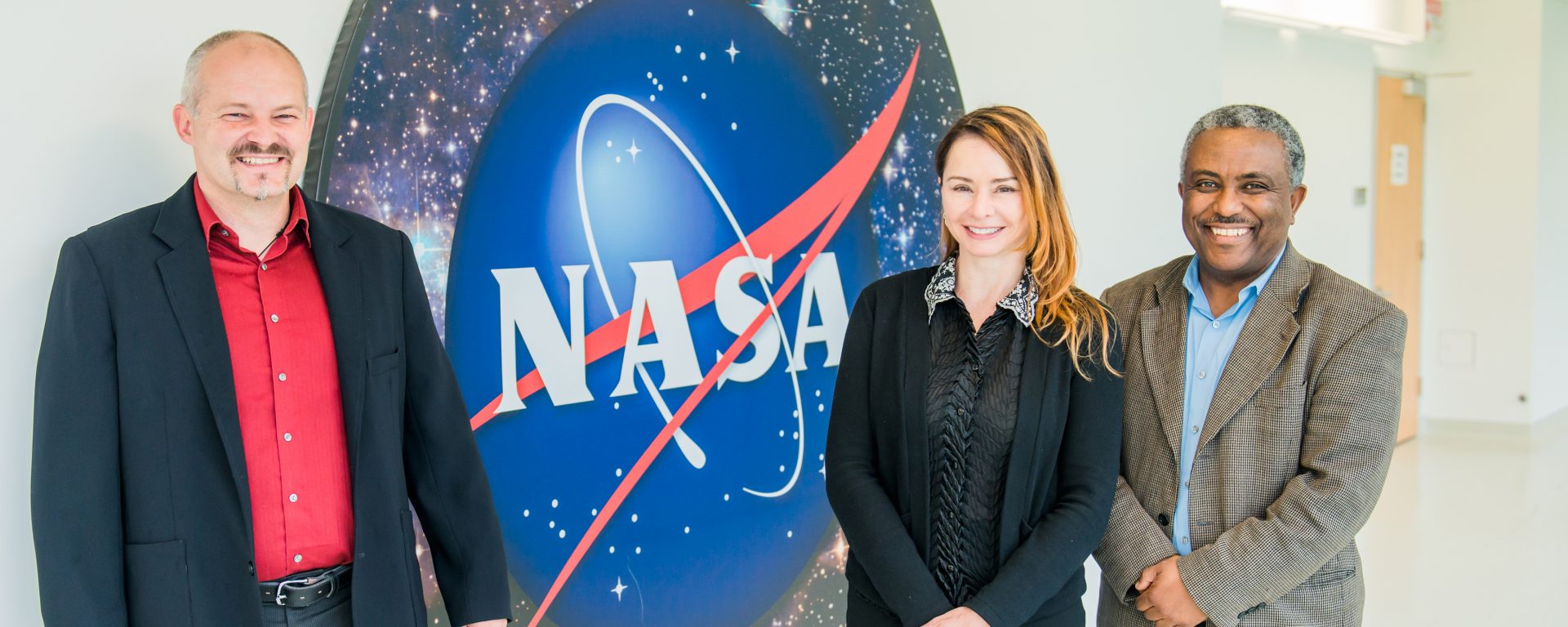
    <img src="http://gphi.umbc.edu/files/2017/03/NASA_UMBC-Directors-3237-1920x768.jpg" style="max-width: 100%; height: auto;"><div><br></div>
    <div>
    <div>The Center for Research and Exploration in Space Science and Technology (CRESST II) is prepared to embark on a new era of innovative research and teaching with the commitment of $87.5 million from the National Aeronautics and Space Administration (NASA) Goddard Space Flight Center.</div>
    <div><br></div>
    <div>UMBC and the University of Maryland, College Park are the leading partners in a consortium formed to compete for this program. New consortium partners under this renewal agreement include Howard University, Catholic University of America, and the Southeastern Universities Research Association (SURA).</div>
    <div>CRESST was first launched in 2006 under a ten-year cooperative agreement. The CRESST II agreement is valued at $87.5 million over the next five years, and provides for a renewal option for another five years.</div>
    <div><br></div>
    <div>“We are very proud of our long-term relationship with NASA Goddard,” states Karl V. Steiner, UMBC vice president for research. “The CRESST II program builds on the complementary scientific strengths at both UMBC and at College Park, and highlights the value that strong USM partnerships bring to the federal labs in Maryland and their national and global scientific missions. We are especially excited to grow our partnerships with Howard University, Catholic University and SURA.”</div>
    <div><br></div>
    <div>The funding will primarily be used to support CRESST scientists who will work on specific, short-term projects at NASA’s Goddard Space Flight Center in Greenbelt, MD. The collaboration “opens up a broad range of projects in hardware, theory, and observation,” says T. Jane Turner, professor of physics and director of the Center for Space Science and Technology (CSST), the UMBC arm of CRESST.</div>
    <div><br></div>
    <div>CSST represents one of three major Cooperative Agreements between NASA Goddard and UMBC.  The other two are the Joint Center for Earth Systems Technology (JCET) and the Goddard Planetary Heliophysics Institute (GPHI).</div>
    <div><br></div>
    <div>This partnership provides significant opportunities for university scientists to make major contributions to space science through cutting-edge research in areas like high energy astrophysics, gravitational waves, exoplanet exploration, and the study of planets within our own solar system. Additionally, says Turner, “We offer these scientists an enhanced career path,” by seamlessly connecting them with classroom experiences that relate to their work in the lab.</div>
    <div><br></div>
    <div>Turner explains that CSST scientists get “the best of both worlds—the research, networking, and facilities at Goddard and the opportunity to get teaching experience and work with graduate and undergraduate researchers here. There’s a symbiosis.” In turn, the program creates opportunities for UMBC students to learn from expert space scientists in the classroom and the lab, and to contribute to innovative and impactful research.</div>
    <div><br></div>
    <div>“This grant—and the important partnership it represents—will enable us to continue research that advances science and benefits our state and beyond,” says President Freeman Hrabowski.  “Moreover, it will create opportunities for students to prepare for careers by working alongside world-class experts.”</div>
    <div><br></div>
    <div>NASA also benefits from the educational aspect of the work, as many students go on to postdoctoral and research scientist positions with the agency. “Goddard loves new talent,” says Turner. “They want to have young people involved, and there’s a lot of work that’s really suitable for providing research experience to the students.”</div>
    <div><br></div>
    <div>“NASA has played a key role in making the Baltimore region a national leader in scientific research,” says Congressman Elijah Cummings. “This grant will help UMD and UMBC to continue providing students from diverse backgrounds with opportunities to learn and grow so they can launch successful careers in STEM fields.”</div>
    <div><br></div>
    <div>Turner is particularly excited to collaborate with the new partners through this new, expanded stage of the consortium’s work. She’s looking forward to “bringing together other local astrophysics students and networking them in,” which aligns with UMBC’s mission to diversify the scientific community. Turner is also working with UMBC’s Meyerhoff Scholars Program to help undergraduates obtain summer internships with NASA through CRESST II.</div>
    <div><br></div>
    <div>The renewal is here just in time to create an all-around win. “Several exciting projects are now ramping up at Goddard,” says Turner, “and our scientists and students will move that work forward.”</div>
    <div><br></div>
    <div>Image: Jan Merka, GPHI director; T. Jane Turner, CSST director; and Belay Demoz, JCET director (l to r). Photo by Marlayna Demond ’11 for UMBC.</div>
    </div>
    <div><br></div>
    </div>
]]>
</Body>
<Summary>The Center for Research and Exploration in Space Science and Technology (CRESST II) is prepared to embark on a new era of innovative research and teaching with the commitment of $87.5 million from...</Summary>
<Website>http://news.umbc.edu/cresst-ii-space-science-consortium-to-receive-87-5-million-from-nasa-goddard/</Website>
<TrackingUrl>https://beta.my.umbc.edu/api/v0/pixel/news/66841/guest@my.umbc.edu/35050eea970048dec2f35070648a97a0/api/pixel</TrackingUrl>
<Tag>gphi</Tag>
<Group token="gphi">Goddard Planetary Heliophysics Institute</Group>
<GroupUrl>https://beta.my.umbc.edu/groups/gphi</GroupUrl>
<AvatarUrl>https://assets4-beta.my.umbc.edu/system/shared/avatars/groups/000/001/291/6f7a92aa67a1f52d4f16a9884623e206/xsmall.png?1477318631</AvatarUrl>
<AvatarUrl size="original">https://assets2-beta.my.umbc.edu/system/shared/avatars/groups/000/001/291/6f7a92aa67a1f52d4f16a9884623e206/original.png?1477318631</AvatarUrl>
<AvatarUrl size="xxlarge">https://assets4-beta.my.umbc.edu/system/shared/avatars/groups/000/001/291/6f7a92aa67a1f52d4f16a9884623e206/xxlarge.png?1477318631</AvatarUrl>
<AvatarUrl size="xlarge">https://assets4-beta.my.umbc.edu/system/shared/avatars/groups/000/001/291/6f7a92aa67a1f52d4f16a9884623e206/xlarge.png?1477318631</AvatarUrl>
<AvatarUrl size="large">https://assets1-beta.my.umbc.edu/system/shared/avatars/groups/000/001/291/6f7a92aa67a1f52d4f16a9884623e206/large.png?1477318631</AvatarUrl>
<AvatarUrl size="medium">https://assets3-beta.my.umbc.edu/system/shared/avatars/groups/000/001/291/6f7a92aa67a1f52d4f16a9884623e206/medium.png?1477318631</AvatarUrl>
<AvatarUrl size="small">https://assets1-beta.my.umbc.edu/system/shared/avatars/groups/000/001/291/6f7a92aa67a1f52d4f16a9884623e206/small.png?1477318631</AvatarUrl>
<AvatarUrl size="xsmall">https://assets4-beta.my.umbc.edu/system/shared/avatars/groups/000/001/291/6f7a92aa67a1f52d4f16a9884623e206/xsmall.png?1477318631</AvatarUrl>
<AvatarUrl size="xxsmall">https://assets3-beta.my.umbc.edu/system/shared/avatars/groups/000/001/291/6f7a92aa67a1f52d4f16a9884623e206/xxsmall.png?1477318631</AvatarUrl>
<Sponsor>Goddard Planetary Heliophysics Institute</Sponsor>
<PawCount>1</PawCount>
<CommentCount>0</CommentCount>
<CommentsAllowed>false</CommentsAllowed>
<PostedAt>Fri, 31 Mar 2017 11:06:32 -0400</PostedAt>
<EditAt>Tue, 13 Jun 2023 15:12:59 -0400</EditAt>
</NewsItem>

<NewsItem contentIssues="true" id="63359" important="false" status="posted" url="https://beta.my.umbc.edu/groups/gphi/posts/63359">
<Title>GPHI faculty wins new Maryland Innovation Initiative Grant</Title>
<Tagline>Grants Designed to Promote the Commercialization of Research</Tagline>
<Body>
<![CDATA[
    <div class="html-content">
    <p><span>Neel Savani, a researcher at UMBC’s <a href="http://gphi.umbc.edu/" rel="nofollow external" class="bo">Goddard Planetary Heliophysics Institute, (GPHI)</a>, is developing a system that can forecast solar storms up to 24 hours in advance, a huge improvement over the current ability to give a one-hour warning. His team’s phase I MII grant will allow them to “get a handle and statistical understanding of how good of an improvement this forecast will be,” Savani explains, “If I can validate how much the improvement will be, then I can convert that into a sales pitch.”</span></p>
    <p><span>“It’s great to see the state of MD take the lead in supporting space technology,” Savani adds, “I’m seeing venture capitalists looking to invest in the space industry.”</span></p>
    </div>
]]>
</Body>
<Summary>Neel Savani, a researcher at UMBC’s Goddard Planetary Heliophysics Institute, (GPHI), is developing a system that can forecast solar storms up to 24 hours in advance, a huge improvement over the...</Summary>
<Website>http://news.umbc.edu/umbc-faculty-win-major-new-maryland-innovation-initiative-grants-bringing-total-mii-awards-to-2-4m/</Website>
<TrackingUrl>https://beta.my.umbc.edu/api/v0/pixel/news/63359/guest@my.umbc.edu/f22d4359b3627bc9316b7d151d040c62/api/pixel</TrackingUrl>
<Tag>gphi</Tag>
<Group token="gphi">Goddard Planetary Heliophysics Institute</Group>
<GroupUrl>https://beta.my.umbc.edu/groups/gphi</GroupUrl>
<AvatarUrl>https://assets4-beta.my.umbc.edu/system/shared/avatars/groups/000/001/291/6f7a92aa67a1f52d4f16a9884623e206/xsmall.png?1477318631</AvatarUrl>
<AvatarUrl size="original">https://assets2-beta.my.umbc.edu/system/shared/avatars/groups/000/001/291/6f7a92aa67a1f52d4f16a9884623e206/original.png?1477318631</AvatarUrl>
<AvatarUrl size="xxlarge">https://assets4-beta.my.umbc.edu/system/shared/avatars/groups/000/001/291/6f7a92aa67a1f52d4f16a9884623e206/xxlarge.png?1477318631</AvatarUrl>
<AvatarUrl size="xlarge">https://assets4-beta.my.umbc.edu/system/shared/avatars/groups/000/001/291/6f7a92aa67a1f52d4f16a9884623e206/xlarge.png?1477318631</AvatarUrl>
<AvatarUrl size="large">https://assets1-beta.my.umbc.edu/system/shared/avatars/groups/000/001/291/6f7a92aa67a1f52d4f16a9884623e206/large.png?1477318631</AvatarUrl>
<AvatarUrl size="medium">https://assets3-beta.my.umbc.edu/system/shared/avatars/groups/000/001/291/6f7a92aa67a1f52d4f16a9884623e206/medium.png?1477318631</AvatarUrl>
<AvatarUrl size="small">https://assets1-beta.my.umbc.edu/system/shared/avatars/groups/000/001/291/6f7a92aa67a1f52d4f16a9884623e206/small.png?1477318631</AvatarUrl>
<AvatarUrl size="xsmall">https://assets4-beta.my.umbc.edu/system/shared/avatars/groups/000/001/291/6f7a92aa67a1f52d4f16a9884623e206/xsmall.png?1477318631</AvatarUrl>
<AvatarUrl size="xxsmall">https://assets3-beta.my.umbc.edu/system/shared/avatars/groups/000/001/291/6f7a92aa67a1f52d4f16a9884623e206/xxsmall.png?1477318631</AvatarUrl>
<Sponsor>Goddard Planetary Heliophysics Institute</Sponsor>
<ThumbnailUrl size="xxlarge">https://assets4-beta.my.umbc.edu/system/shared/thumbnails/news/000/063/359/f7224fe0b41e524824e1979951ec6a80/xxlarge.jpg?1477319515</ThumbnailUrl>
<ThumbnailUrl size="xlarge">https://assets3-beta.my.umbc.edu/system/shared/thumbnails/news/000/063/359/f7224fe0b41e524824e1979951ec6a80/xlarge.jpg?1477319515</ThumbnailUrl>
<ThumbnailUrl size="large">https://assets1-beta.my.umbc.edu/system/shared/thumbnails/news/000/063/359/f7224fe0b41e524824e1979951ec6a80/large.jpg?1477319515</ThumbnailUrl>
<ThumbnailUrl size="medium">https://assets1-beta.my.umbc.edu/system/shared/thumbnails/news/000/063/359/f7224fe0b41e524824e1979951ec6a80/medium.jpg?1477319515</ThumbnailUrl>
<ThumbnailUrl size="small">https://assets3-beta.my.umbc.edu/system/shared/thumbnails/news/000/063/359/f7224fe0b41e524824e1979951ec6a80/small.jpg?1477319515</ThumbnailUrl>
<ThumbnailUrl size="xsmall">https://assets1-beta.my.umbc.edu/system/shared/thumbnails/news/000/063/359/f7224fe0b41e524824e1979951ec6a80/xsmall.jpg?1477319515</ThumbnailUrl>
<ThumbnailUrl size="xxsmall">https://assets2-beta.my.umbc.edu/system/shared/thumbnails/news/000/063/359/f7224fe0b41e524824e1979951ec6a80/xxsmall.jpg?1477319515</ThumbnailUrl>
<PawCount>1</PawCount>
<CommentCount>0</CommentCount>
<CommentsAllowed>false</CommentsAllowed>
<PostedAt>Mon, 24 Oct 2016 10:32:21 -0400</PostedAt>
<EditAt>Tue, 13 Jun 2023 15:13:37 -0400</EditAt>
</NewsItem>

</News>