Climate Documentary Night: Anote's Ark 10/27 5pm to 7pm
Learn about the effect of rising tides in the South Pacific
Enjoy documentaries? Join us for an evening to attend a virtual screening of Sundance-nominated climate documentary “
Anote’s Ark,” directed by Matthieu Rytz. It focuses on an island nation called Kiribati in the South Pacific struggling with rising sea levels.
October 27th, 2021 5pm to 7pm
Using the film we will be exploring climate urgency, civic leadership and our responsibilities as global citizens. Film is followed by a 30 min facilitated discussion.
Registration for this event is required, please use this google form to register today!
All register attendees will receive a google calendar invite the Monday before the event with the meeting link.
]]>
Enjoy documentaries? Join us for an evening to attend a virtual screening of Sundance-nominated climate documentary “Anote’s Ark,” directed by Matthieu Rytz. It focuses on an island nation called...
http://Sustainability.umbc.edu
https://beta.my.umbc.edu/api/v0/pixel/news/113291/guest@my.umbc.edu/b1ee9dbb559e19ccdc26c26affb165b4/api/pixel
Political Science
https://beta.my.umbc.edu/groups/poli
https://assets1-beta.my.umbc.edu/system/shared/avatars/groups/000/000/617/47f5d6b9ad18d16095cd0d4fc758b168/xsmall.png?1368723437
https://assets4-beta.my.umbc.edu/system/shared/avatars/groups/000/000/617/47f5d6b9ad18d16095cd0d4fc758b168/original.png?1368723437
https://assets4-beta.my.umbc.edu/system/shared/avatars/groups/000/000/617/47f5d6b9ad18d16095cd0d4fc758b168/xxlarge.png?1368723437
https://assets1-beta.my.umbc.edu/system/shared/avatars/groups/000/000/617/47f5d6b9ad18d16095cd0d4fc758b168/xlarge.png?1368723437
https://assets3-beta.my.umbc.edu/system/shared/avatars/groups/000/000/617/47f5d6b9ad18d16095cd0d4fc758b168/large.png?1368723437
https://assets3-beta.my.umbc.edu/system/shared/avatars/groups/000/000/617/47f5d6b9ad18d16095cd0d4fc758b168/medium.png?1368723437
https://assets2-beta.my.umbc.edu/system/shared/avatars/groups/000/000/617/47f5d6b9ad18d16095cd0d4fc758b168/small.png?1368723437
https://assets1-beta.my.umbc.edu/system/shared/avatars/groups/000/000/617/47f5d6b9ad18d16095cd0d4fc758b168/xsmall.png?1368723437
https://assets1-beta.my.umbc.edu/system/shared/avatars/groups/000/000/617/47f5d6b9ad18d16095cd0d4fc758b168/xxsmall.png?1368723437
Political Science
https://assets3-beta.my.umbc.edu/system/shared/thumbnails/news/000/113/291/3172f419bf3bd79c35827bf6f30f25da/xxlarge.jpg?1634229819
https://assets4-beta.my.umbc.edu/system/shared/thumbnails/news/000/113/291/3172f419bf3bd79c35827bf6f30f25da/xlarge.jpg?1634229819
https://assets3-beta.my.umbc.edu/system/shared/thumbnails/news/000/113/291/3172f419bf3bd79c35827bf6f30f25da/large.jpg?1634229819
https://assets3-beta.my.umbc.edu/system/shared/thumbnails/news/000/113/291/3172f419bf3bd79c35827bf6f30f25da/medium.jpg?1634229819
https://assets4-beta.my.umbc.edu/system/shared/thumbnails/news/000/113/291/3172f419bf3bd79c35827bf6f30f25da/small.jpg?1634229819
https://assets3-beta.my.umbc.edu/system/shared/thumbnails/news/000/113/291/3172f419bf3bd79c35827bf6f30f25da/xsmall.jpg?1634229819
https://assets3-beta.my.umbc.edu/system/shared/thumbnails/news/000/113/291/3172f419bf3bd79c35827bf6f30f25da/xxsmall.jpg?1634229819
0
0
true
Thu, 14 Oct 2021 12:44:54 -0400
Apply for University System of Maryland Student Regent
Represent 170,000+ students on the System's governing board
The University System of Maryland encompasses 12 institutions, including UMBC, and three regional higher education centers. It employs more than 16,000 faculty members and 25,000 staff members, and owns almost 1,000 buildings. Its annual operating budget is more than $5 billion. There are more than 170,000 undergraduate and graduate students enrolled at its various institutions.
How would you like to represent all of those students as a member of the Board of Regents, the system's governing body?
Please take a look at this description of the Student Regent position and consider applying. Please also pass the information along to friends who may be interested. The Student Regent will serve from July 1, 2022 through June 30, 2024, serving as the voting Student Regent in 2023-2024. All applicants should be planning to graduate in spring 2024 or later.
Submit completed applications by email to dhoffman@umbc.edu. If you need more time to get the required letters of recommendation, let us know and we can arrange a separate due date for them.We're very happy to answer questions about the position and the process, so don't hesitate to contact us (civiclife@umbc.edu) if you'd like to know more.

Friday, October 29, 2021 · 2 - 3 PM
Dr. Melissa Michelson
Dean of Arts & Sciences and Professor of Political Science, Menlo College
Mobilizing Black Turnout with Celebrations of Community: The Party at the Mailbox Project.
An innovative program developed by Black Girls Vote to increase turnout in the Baltimore primary election of June 2020 called Party at the Mailbox was enormously successful; those efforts were replicated in the November 2020 election. Dr. Michelson will discuss how Party at the Mailbox worked, by cultivating a spirit of community celebration that capitalizes on Black group consciousness and Black attitudes about the power of the vote. Dr. Michelson is an award-winning author of multiple books about Latinx and LGBTQ politics and will also be available to answer questions about that research.
To join click the green "Join Online Event" button above, or click here. Password is FL21SSF.
This event is free and open to the public, and will be recorded. Following the event, the recording will be available with closed captioning on CS3's YouTube channel. October 21-22, 2021
UMBC faculty, staff, and students are invited to
register for the 2021 National Gathering of
Imagining America (IA). UMBC is a member institution and registration is free.
This year’s conference is titled “The Shape of Us: Water Ways and Movement.” Participants will consider water as both a focus of, and inspiration for, publicly engaged scholarship, creative practices, and cultural organizing.
The two-day program will further showcase the work of IA members and research collectives, participatory workshops, and offer connective spaces to network, dialogue, learn, and strategize.
]]>
October 21-22, 2021 UMBC faculty, staff, and students are invited to register for the 2021 National Gathering of Imagining America (IA). UMBC is a member institution and registration is free. ...
https://beta.my.umbc.edu/api/v0/pixel/news/113187/guest@my.umbc.edu/1e16f56d55a11f0693e1ba3d93a5f370/api/pixel
Center for Democracy and Civic Life
https://beta.my.umbc.edu/groups/civiclife
https://assets1-beta.my.umbc.edu/system/shared/avatars/groups/000/001/462/3559ec2c1c4f29266d1c1eb0f1164549/xsmall.png?1554944150
https://assets2-beta.my.umbc.edu/system/shared/avatars/groups/000/001/462/3559ec2c1c4f29266d1c1eb0f1164549/original.png?1554944150
https://assets1-beta.my.umbc.edu/system/shared/avatars/groups/000/001/462/3559ec2c1c4f29266d1c1eb0f1164549/xxlarge.png?1554944150
https://assets1-beta.my.umbc.edu/system/shared/avatars/groups/000/001/462/3559ec2c1c4f29266d1c1eb0f1164549/xlarge.png?1554944150
https://assets3-beta.my.umbc.edu/system/shared/avatars/groups/000/001/462/3559ec2c1c4f29266d1c1eb0f1164549/large.png?1554944150
https://assets1-beta.my.umbc.edu/system/shared/avatars/groups/000/001/462/3559ec2c1c4f29266d1c1eb0f1164549/medium.png?1554944150
https://assets3-beta.my.umbc.edu/system/shared/avatars/groups/000/001/462/3559ec2c1c4f29266d1c1eb0f1164549/small.png?1554944150
https://assets1-beta.my.umbc.edu/system/shared/avatars/groups/000/001/462/3559ec2c1c4f29266d1c1eb0f1164549/xsmall.png?1554944150
https://assets4-beta.my.umbc.edu/system/shared/avatars/groups/000/001/462/3559ec2c1c4f29266d1c1eb0f1164549/xxsmall.png?1554944150
Center for Democracy and Civic Life
1
0
true
Tue, 12 Oct 2021 12:06:23 -0400
Social Science Spotlight
Mapping Juvenile Justice
Social Science Spotlight: Mapping Juvenile Justice
Psychology’s Professor Erika Fountain and GES’s Professor Dillon Mahmoudi recently published research on how minors involved in the juvenile justice system are required to navigate Baltimore City and Baltimore County in order to meet court compliance requirements, and the transportation and support available for them to do so.
A discussion with local attorneys about adolescent clients’ struggle to keep up with expectations of the court inspired the study. Probation requirements often include school, program involvement, meetings, etc, which can span miles across the city or county. Some kids might have as many as 9-10 requirements to keep up with their probation, and if they fall out of compliance, they could face confinement. While the courts aim to keep kids in their communities, it can be difficult to meet all requirements without access to transportation and logistical support.
Drs. Fountain and Mahmoudi decided to map geographically what these requirements look like for kids, and take into account their families, support systems, and access to the city’s transportation network. They seek to define the universe of expectations placed on the involved youth: what are they expected to do each week, what the entire experience looks like from their perspective, and what burdens it places on their families. As part of the mapping project, Fountain and Mahmoudi identified Department of Juvenile Services office locations and homes of the involved youths. Digging deeper, they examined what the home communities face in terms of economics, racial segregation, social marginalization, and access to cars or public transportation, to identify barriers to compliance for the youth.
Through interviews and a focus group, the researchers plan to have participants interact with maps and explain different stages of getting to compliance requirements, identifying social impediments (like bus fare) and spacial impediments (like traveling from Catonsville to Owings Mills for multiple appointments).
Fountain and Mahmoudi are partnering with The Choice Program at UMBC and its youth advisory board (composed of High School students) to think through challenges with transportation and how it impacts compliance for court-involved youth. They plan to begin additional data collection this year, and eventually expand their mapping project to other cities.
Dr. Erika Fountain is a developmental community psychologist with the Department of Psychology, and Dr. Dillon Mahmoudi is an urban and economic geographer with the Department of Geography and Environmental Systems.
During the 1980s Black athletes and other athletes of color broadened the popularity and profitability of major-college televised sports by infusing games with a “Black style” of play. At a moment ripe for a revolution in men’s college basketball and football, clashes between “good guy” white protagonists and bombastic “bad boy” Black antagonists attracted new fans and spectators. And no two teams in the 1980s welcomed the enemy’s role more than Georgetown Hoya basketball and Miami Hurricane football.
Georgetown and Miami taunted opponents. They celebrated scores and victories with in-your-face swagger. Coaches at both programs changed the tenor of postgame media appearances and the language journalists and broadcasters used to describe athletes. Athletes of color at both schools made sports apparel fashionable for younger fans, particularly young African American men. The Hoyas and the ’Canes were a sensation because they made the bad-boy image look good. Popular culture took notice.
In the United States sports and race have always been tightly, if sometimes uncomfortably, entwined. Black athletes who dare to challenge the sporting status quo are often initially vilified but later accepted. The 1980s generation of barrier-busting college athletes took this process a step further. True to form, Georgetown’s and Miami’s aggressive style of play angered many fans and commentators. But in time their style was not only accepted but imitated by others, both Black and white. Love them or hate them, there was simply no way you could deny the Hoyas and the Hurricanes.
Thomas F. Schaller is a professor of political science at the University of Maryland, Baltimore County. He is a former national political columnist for the Baltimore Sun and is the author of The Stronghold: How Republicans Captured Congress but Surrendered the White House and Whistling Past Dixie: How Democrats Can Win without the South.
]]>
During the 1980s Black athletes and other athletes of color broadened the popularity and profitability of major-college televised sports by infusing games with a “Black style” of play. At a moment...
https://www.nebraskapress.unl.edu/nebraska/9781496215710/
Flyer
https://assets3-beta.my.umbc.edu/system/shared/attachments/f2dea4a1db78edd2ff8890bd23a8481c/69eb0c4f/news/000/113/177/969d53a568dfbaf6bb929d69917b34fa/CE flyer (3).pdf?1634053474
https://beta.my.umbc.edu/api/v0/pixel/news/113177/guest@my.umbc.edu/6dca0aaabbf6ef96816b10b66fd37925/api/pixel
Political Science
https://beta.my.umbc.edu/groups/poli
https://assets1-beta.my.umbc.edu/system/shared/avatars/groups/000/000/617/47f5d6b9ad18d16095cd0d4fc758b168/xsmall.png?1368723437
https://assets4-beta.my.umbc.edu/system/shared/avatars/groups/000/000/617/47f5d6b9ad18d16095cd0d4fc758b168/original.png?1368723437
https://assets4-beta.my.umbc.edu/system/shared/avatars/groups/000/000/617/47f5d6b9ad18d16095cd0d4fc758b168/xxlarge.png?1368723437
https://assets1-beta.my.umbc.edu/system/shared/avatars/groups/000/000/617/47f5d6b9ad18d16095cd0d4fc758b168/xlarge.png?1368723437
https://assets3-beta.my.umbc.edu/system/shared/avatars/groups/000/000/617/47f5d6b9ad18d16095cd0d4fc758b168/large.png?1368723437
https://assets3-beta.my.umbc.edu/system/shared/avatars/groups/000/000/617/47f5d6b9ad18d16095cd0d4fc758b168/medium.png?1368723437
https://assets2-beta.my.umbc.edu/system/shared/avatars/groups/000/000/617/47f5d6b9ad18d16095cd0d4fc758b168/small.png?1368723437
https://assets1-beta.my.umbc.edu/system/shared/avatars/groups/000/000/617/47f5d6b9ad18d16095cd0d4fc758b168/xsmall.png?1368723437
https://assets1-beta.my.umbc.edu/system/shared/avatars/groups/000/000/617/47f5d6b9ad18d16095cd0d4fc758b168/xxsmall.png?1368723437
Political Science
https://assets3-beta.my.umbc.edu/system/shared/thumbnails/news/000/113/177/b5aa9f33f1ae3ebd21980a3003ee2a12/xxlarge.jpg?1634049194
https://assets1-beta.my.umbc.edu/system/shared/thumbnails/news/000/113/177/b5aa9f33f1ae3ebd21980a3003ee2a12/xlarge.jpg?1634049194
https://assets1-beta.my.umbc.edu/system/shared/thumbnails/news/000/113/177/b5aa9f33f1ae3ebd21980a3003ee2a12/large.jpg?1634049194
https://assets2-beta.my.umbc.edu/system/shared/thumbnails/news/000/113/177/b5aa9f33f1ae3ebd21980a3003ee2a12/medium.jpg?1634049194
https://assets1-beta.my.umbc.edu/system/shared/thumbnails/news/000/113/177/b5aa9f33f1ae3ebd21980a3003ee2a12/small.jpg?1634049194
https://assets4-beta.my.umbc.edu/system/shared/thumbnails/news/000/113/177/b5aa9f33f1ae3ebd21980a3003ee2a12/xsmall.jpg?1634049194
https://assets3-beta.my.umbc.edu/system/shared/thumbnails/news/000/113/177/b5aa9f33f1ae3ebd21980a3003ee2a12/xxsmall.jpg?1634049194
1
0
true
Tue, 12 Oct 2021 11:44:46 -0400
Land recognition & decolonizing UMBC
Indigenous Peoples' Day means action!
This blogpost was originally published on 10/11/20. This post was a collaborative effort between all members of the Women’s Center staff team. A majority of this post was written by student staff members.
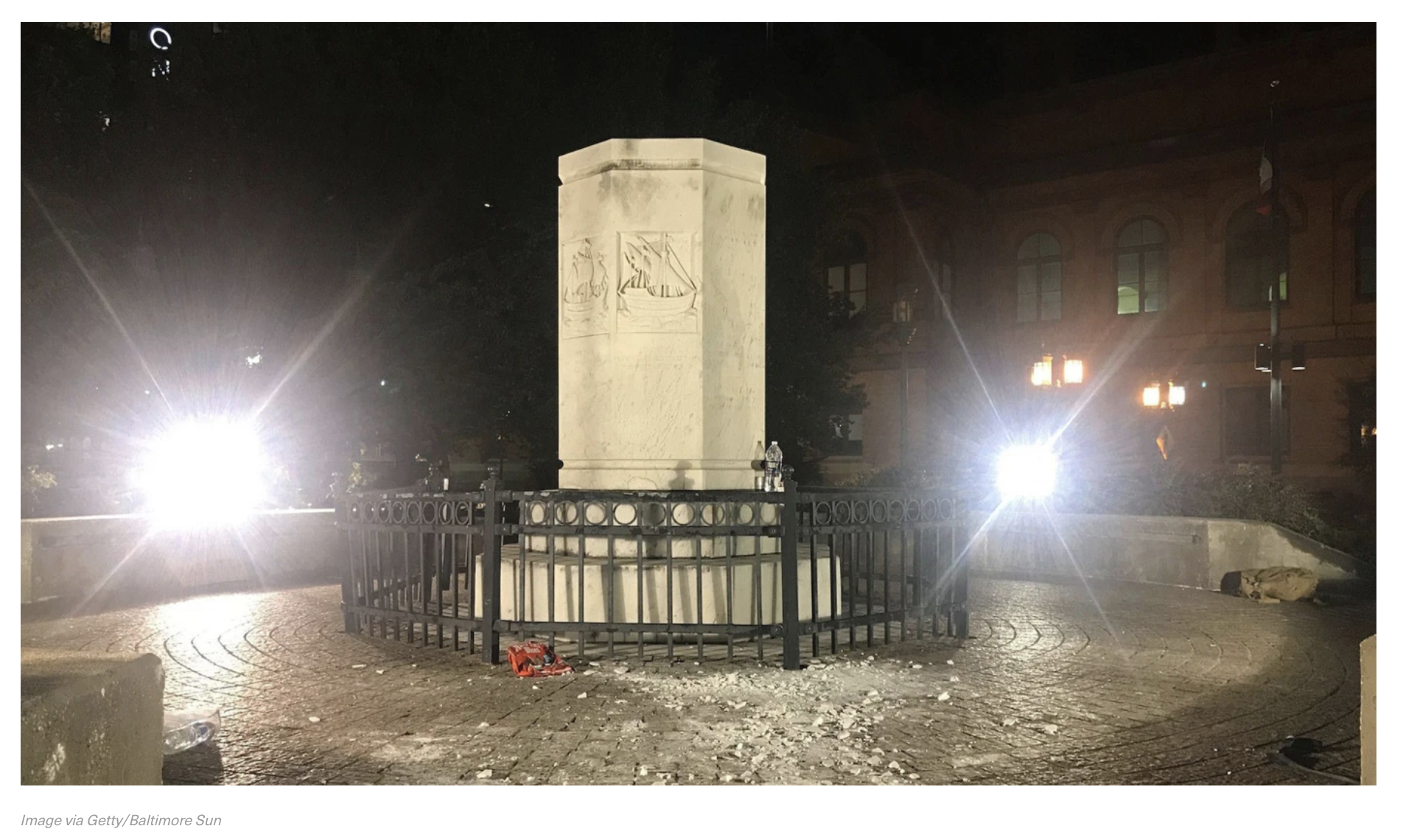
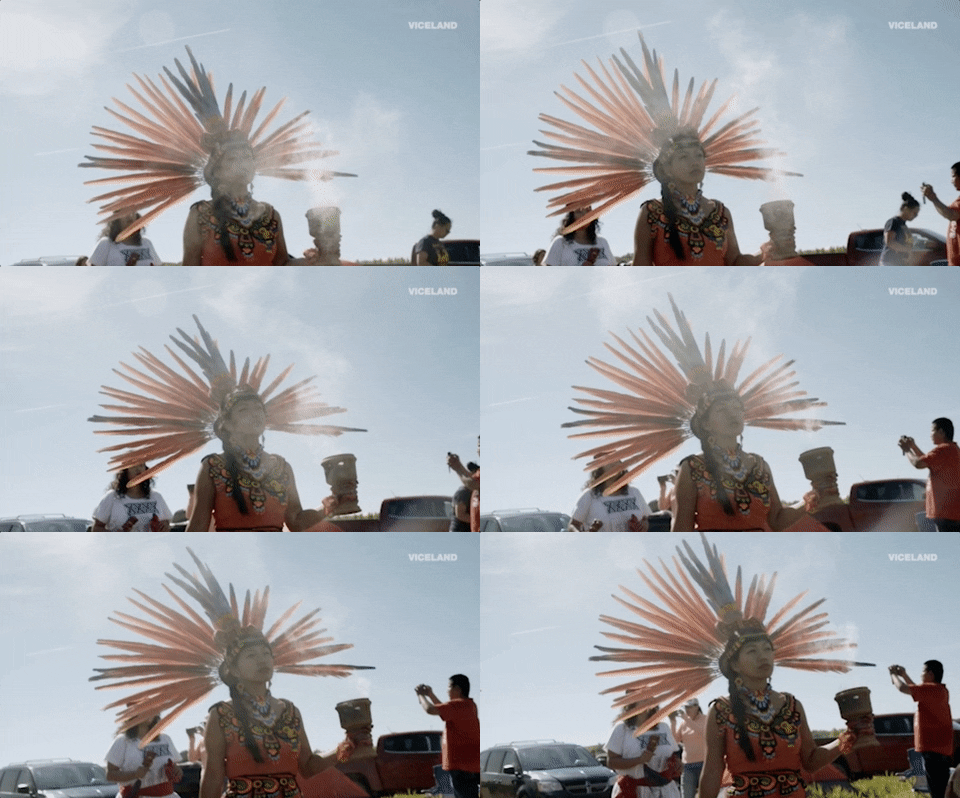
Today is Indigenous People’s Day. Some may continue to claim this as “Columbus Day” but to celebrate Columbus is to celebrate colonialism, mass genocide, racism, and the (both historic and modern) oppression of Native Americans and all of the indigenous people.

To honor Indigenous People’s Day and the community it centers, the Women’s Center is sharing how we try to honor and acknowledge the Indigenous roots of our area, the land that UMBC occupies, as well as the long history of universities benefitting from the violent seizure of Native lands.
In doing so, we would like to start by sharing the land recognition statement that we use (with thank yous to the Office of Equity and Inclusion, Dresher Center, and Dr. Ashley Minner from American Studies for sharing the newly official* land recognition statement with us, as well):
UMBC was established upon the land of the Piscataway and Susquehannock peoples. Susquehannocks ceded this land and, over time, citizens of many more Indigenous nations have come to reside in this region.
For those residing in the area: this is not our land; we occupy it. Colonialism has long undergirded systemic violence faced by Black, Indigenous, and other communities of color.
We humbly offer our respects to all past, present, and future indigenous people connected to this place.
*as this blog was being written, UMBC released an official land recognition statement that is linked here
Full disclosure: as the Women’s Center has learned more about Indigenous peoples, our land recognition statement evolves. We also recognize that a simple statement is not enough. Land recognition can simply be a performative step of solidarity, so that is why we seek to learn and build on this work. And also why we hope you’ll read on.
What is land recognition and why is it important?
A land recognition is a formal statement that recognizes and respects Indigenous Peoples as the traditional stewards of a region. It recognizes the enduring relationship that exists between Indigenous people and their traditional territories.
Recognizing the land where we reside is an expression of gratitude and appreciation to those whose territory you reside on. It’s a process of honoring the Indigenous people who have been living and working on the land from time immemorial (in spite of the notion that Indigenous people are a purely historical population/that Native Americans “don’t exist”). Land recognition is also a way of respecting Indigenous people’s inherent kinship beliefs when it comes to the land as these beliefs were restricted and stigmatized for so long.
Ultimately, land recognition is a process of:
- addressing invisibility
- honoring Indigenous peoples
- raising critical consciousness
- building affinity to create alliances
How have universities benefitted from the expulsion and exploitation of Indigenous peoples?
In order to explain how specifically universities have benefitted from colonialism, we look to the 19th century and the oft lionized President Abraham Lincoln. In 1862, Lincoln signed the Morrill Act, which freely distributed “public domain lands” (scare quotes explained below) to universities as seed capital for the creation of “land-grant universities” or LGUs (more appropriately called, “land-GRAB universities”). These lands then raised funds for fledgling colleges, or LGUs, across the nation. The land gifted through the Morrill Act was land seized or ceded by Native Americans to the US government. Although many treaties were created in order to legally and officially exchange land ownership, almost all of these treaties were products of coercion and exploitation of the continued systemic degradation of Indigenous people.
 Text from Morrill Act and data from LandGrabU.org
Once the government gifted these land parcels to institutions of higher education, the lands were then either sold to speculators to generate university endowments or universities became speculators themselves on the lands given to them.
All told, the land-grabs, when adjusted for inflation, were worth about half a billion dollars.
Robert Lee and Tristan Ahtone, “Land-Grab Universities,” High Country News (2020)
In other words, it’s not enough to recognize the land that universities are built on; we must also recognize the land from which universities build a significant profit. In fact, the grants were as big or bigger than major cities, and were often located hundreds or even thousands of miles away from their beneficiaries (this is exemplified by our very own University of Maryland; more below).
Campuses in the US are inherently built on stolen land, but they are also built by stolen land.
To see how your college or university directly benefits from land grabs, you can see Robert Lee and Tristan Ahtone’s interactive map of the United States and the way the Morrill Act parceled away Indigenous lands.
A university to highlight (in the case of the University System of Maryland) would be the University of Maryland, which, as you can see via Lee and Ahtone’s data, benefitted from 1,456 Indigenous land parcels across the US totaling 202,971 acres.
It can be difficult to imagine how big that much land is, so in terms universities might particularly appreciate that’s:
- 156,132 football fields
- 37,587 Capital One Fields (with a combined capacity of 37,587,222 people social distancing at 5 square feet)
- 152 UMD College Park campuses
- 406 UMBC campuses
- 3.5 Baltimores
Tribal nations who originated on this violently ceded land include the Chippewa, Ottawa, Kansas, Great and Little Osage, Oto, Missouri, Sioux (Wahpeton and Sisseton Band), Sioux (Medewakanton and Wahpekuta), Chippewa of the Mississippi and Lake Superior, and the Omaha.
Are land recognitions enough?
No.
As we said at the top, land recognition, if not backed by research and a commitment to learning, is performative activism at best. So… what can we do?
Well, we can’t fix the history of land-grab universities. Unless we not only give back stolen land (land which is now used for grocery stores, gas stations, warehouses, entire neighborhoods, baseball stadiums, and cemeteries among other things), but commit to reparations, we can’t fix anything. As Dr. Cutcha Risling Baldy is quoted: “The more work that we do with decolonization and reconciliation, the more you start to realize there is no reconciliation without the return of stolen land.”
The more work that we do with decolonization and reconciliation, the more you start to realize there is no reconciliation without the return of stolen land.
Dr. Cutcha Risling Baldy
The first step to doing better, is by acknowledging and understanding this history. This is a teeny tiny step, but it’s a step. The information above is by no means complete and it is also mostly from the two-year reporting of Robert Lee and Tristan Ahtone of High Country News. You should read the full article here.
Beyond reading and learning (many more resources below), the Women’s Center student staff has also generated some good ideas that we’re ready and willing to share.
Suggestions for going beyond land recognitions
For UMBC in particular:
- Conduct outreach toward the Piscataway Conoy tribe through their Tribal Council and discuss how to make a more readily available path to higher education for those who we owe our campus to
- More research on UMBC’s Indigenous student populations, especially in differentiating American Indian and Alaskan Native (AIAN), Native Hawaiian and Pacific Islander (NHPI), and other Indigenous students
- Address the alienation Indigenous students may feel rather than simply asking them to participate in “diversity” initiatives.
- Implement a Land Recognition policy for all school-funded events
- Include a Land Recognition on all UMBC affiliated websites (we are one step closer as of today with an official UMBC land recognition statement)
- Whenever possible, discuss how programming, curriculum may relate to Indigenous people and their history and interests
- Structure classes to allow students to explore non-normative pedagogies such as those informed by Indigenous cultures and scholars
- Redirect profits made from Indigenous land to supporting the education of indigenous students
- Going beyond awareness of the injustice and actually doing work to challenge the injustice. This means working with the Piscataway Conoy Tribal Council to understand their specific wishes on this.
- Work with offices like Initiatives for Identity, Inclusion, and Belonging (I3B) and/or the Office of Equity and Inclusion (OEI) to create intentional space for Indigenous identifying students on UMBC’s campus
- Support, amplify, and create platforms for Indigenous voices
- Create large-scale events, campaigns celebrating Indigenous People’s Day
- Highlight and encourage research that identifies the inequities Indigenous students face

Generally speaking
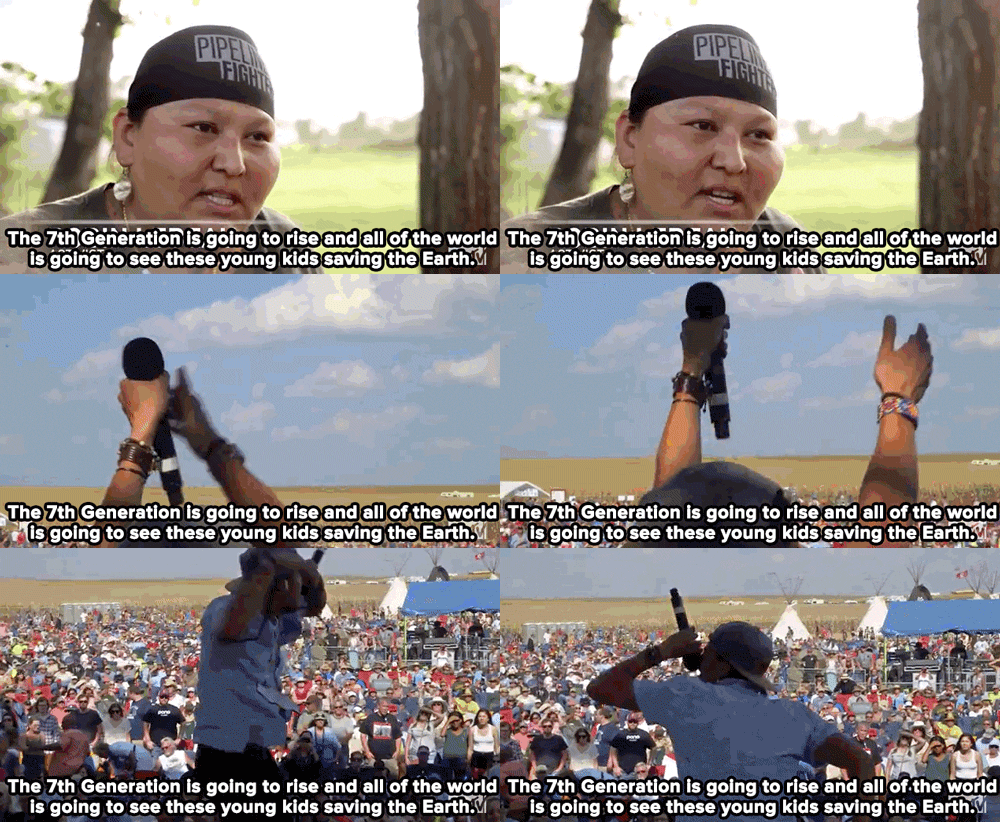
- Research! Get your stories from Indian Country Today, High Country News, Native Lens, or other Indigenous media platforms
- Learn about Indigenous studies through more than just a historical lens
- Whenever possible, discuss how programming, curriculum may relate to Indigenous people and their history and interests
- Structure classes to allow students to explore non-canonical pedagogies such as those informed by Indigenous cultures and scholars
- Redirect profits made from Indigenous land to supporting the education of indigenous students
- Ask Indigenous students what they need to be best supported
- Create more programming that specifically centers Indigineity
- Support Indigenous organizations by donating your time and/or money
- Support Indigenous-led grassroots change movements and campaigns
- Commit to returning land (local, state, federal governments around the world are currently returning land to Indigenous people)
- Support, amplify, and create platforms for Indigenous voices
- Create large-scale events, campaigns celebrating events like Indigenous People’s Day and National Native American Heritage Month (coming in November!!)
Resources:
]]>
This blogpost was originally published on 10/11/20. This post was a collaborative effort between all members of the Women’s Center staff team. A majority of this post was written by student staff...
https://womenscenteratumbc.wordpress.com/2020/10/12/land-recognition-decolonizing-umbc/
https://beta.my.umbc.edu/api/v0/pixel/news/113135/guest@my.umbc.edu/de747ff377a92389e9383da1225f7020/api/pixel
Women's, Gender, & Equity Center
https://beta.my.umbc.edu/groups/womenscenter
https://assets2-beta.my.umbc.edu/system/shared/avatars/groups/000/000/125/78272a4842689b30dbf74672182b78f8/xsmall.png?1750974263
https://assets1-beta.my.umbc.edu/system/shared/avatars/groups/000/000/125/78272a4842689b30dbf74672182b78f8/original.png?1750974263
https://assets1-beta.my.umbc.edu/system/shared/avatars/groups/000/000/125/78272a4842689b30dbf74672182b78f8/xxlarge.png?1750974263
https://assets1-beta.my.umbc.edu/system/shared/avatars/groups/000/000/125/78272a4842689b30dbf74672182b78f8/xlarge.png?1750974263
https://assets1-beta.my.umbc.edu/system/shared/avatars/groups/000/000/125/78272a4842689b30dbf74672182b78f8/large.png?1750974263
https://assets2-beta.my.umbc.edu/system/shared/avatars/groups/000/000/125/78272a4842689b30dbf74672182b78f8/medium.png?1750974263
https://assets1-beta.my.umbc.edu/system/shared/avatars/groups/000/000/125/78272a4842689b30dbf74672182b78f8/small.png?1750974263
https://assets2-beta.my.umbc.edu/system/shared/avatars/groups/000/000/125/78272a4842689b30dbf74672182b78f8/xsmall.png?1750974263
https://assets3-beta.my.umbc.edu/system/shared/avatars/groups/000/000/125/78272a4842689b30dbf74672182b78f8/xxsmall.png?1750974263
Women's Center
https://assets2-beta.my.umbc.edu/system/shared/thumbnails/news/000/113/135/cb9f92c996f89ac82ea5a107836b5ce9/xxlarge.jpg?1633961335
https://assets3-beta.my.umbc.edu/system/shared/thumbnails/news/000/113/135/cb9f92c996f89ac82ea5a107836b5ce9/xlarge.jpg?1633961335
https://assets4-beta.my.umbc.edu/system/shared/thumbnails/news/000/113/135/cb9f92c996f89ac82ea5a107836b5ce9/large.jpg?1633961335
https://assets1-beta.my.umbc.edu/system/shared/thumbnails/news/000/113/135/cb9f92c996f89ac82ea5a107836b5ce9/medium.jpg?1633961335
https://assets2-beta.my.umbc.edu/system/shared/thumbnails/news/000/113/135/cb9f92c996f89ac82ea5a107836b5ce9/small.jpg?1633961335
https://assets4-beta.my.umbc.edu/system/shared/thumbnails/news/000/113/135/cb9f92c996f89ac82ea5a107836b5ce9/xsmall.jpg?1633961335
https://assets3-beta.my.umbc.edu/system/shared/thumbnails/news/000/113/135/cb9f92c996f89ac82ea5a107836b5ce9/xxsmall.jpg?1633961335
10
0
false
Mon, 11 Oct 2021 10:09:19 -0400
CSJ 101 Round-Up: Disability Justice and Access Matters!
 A graphic for our first CSJ Disability Justice + Access Matters event, “CSJ 101: Disability Justice at UMBC + Beyond”
For more information on disability services at UMBC, including how to get accommodations and reporting issues of inaccessibility, please see our previous post outlining these resources.
This October, as we begin to recognize National Disability Awareness Month, we here in the Women’s Center are excited to relaunch Critical Social Justice with the theme of Disability Justice + Access Matters!
Our goal is for our conversations to build a vision of a world where all bodies are valued and essential, and where we acknowledge and affirm that other identities intersect, creating a unique lived experience. A society built on global capitalism, colonialism, and the multiple oppression of disabled people asserts everyday that people’s bodies are “expendable.” However, we work to challenge that idea and honor that everyone has inherent worth independent of their productivity or labor. As we attempt to “return to normal,” we have to reconsider who “normal” serves and take into account the lessons learned from how we have lived and survived through the pandemic. What can we do, and what should we do, to carry forward the practices of accessibility?
To kick off a year of Critical Social Justice events, we began with CSJ 101: Disability Justice at UMBC + Beyond. Leading this workshop was the Women’s Center’s own, Amelia Meman, who described for participants the current state of the disability rights movement and what disability justice means as a more radical concept.
Participants started by discussing a few definitions of disability justice and the ways it resonated with each individual. A few examples were intersectionality and the myth of a “neutral body”. The conversation then moved into highlighting some important founders of the disability justice movement, which included:
-
Patty Berne: co-founder and artistic director of Sins Invalid, a radical crip artist and activist group prioritizing queer people of color with disabilities
-
Mia Mingus: writer, educator, and trainer for transformative justice and disability justice
-
Stacey Park Milbern: a Bay Area-based organizer and disability justice thought leader
-
Leroy Moore Jr.: a Black artist, writer, poet, activist, feminist, founder of Krip Hop, and co-founder of Sins Invalid
These four figures (and several other queer and disabled activists) developed the idea of disability justice which prioritized the needs of disabled people located at the intersection of multiple identities, and thus, experience layered oppression. With this established, the discussion then illustrated a vision for disability justice (originally developed by Sins Invalid), where we recognize that:
- All bodies are considered unique and essential.
- All bodies have strengths and needs that must be met.
- Each and every person is powerful, not despite the complexities of our bodies, but because of them.
- All bodies are confined by ability, race, gender, sexuality, class, nation state, religion, and more, and we cannot separate them.
With the main founders and principles laid out, the group thought about how we do disability justice, starting with revisiting how we think about disability. The medical model of disability “others” people’s bodies by viewing them as something to be rehabilitated, fixed, or cured. Meanwhile, the social model was established to assert that disability is something born from people with impairments interacting with a society that doesn’t account for accessibility or justice in communication, interpersonal relationships, the political world, or in physical infrastructure. It is the social model which has provided the foundation for the disability justice movement, the idea that disability isn’t related to personal deficit, but that it is the result of an inaccessible society that “disables”.
Next, Amelia led the group through a few ways that allies and others with positional power can do the work to practice and leverage disability justice. This included accepting feedback and changing as necessary, learning about disability justice, considering how to use positional power to create intentional accessibility, making content and spaces accessible, and finally listening and centering disabled people’s experiences.
To wrap up CSJ 101, the group discussed their experiences with disability and access at UMBC and off-campus. Some of the experiences named by those in attendance were*:
- “I often experience the physical campus as inaccessible.”
- “Accessibility routes can be confusing and accommodations are limited for some.”
- “Ableist implicit biases inform us all. We are all unlearning ableism.”
- “I have had frustrating experiences of inconsistent communication and support.”
- “I feel like there is a general lack of understanding, compassion, and humility on the part of UMBC faculty, staff, and other students when it comes to disability access and equity, and in working with disabled students.”
- “The pandemic has made UMBC consider and vastly improve digital and remote accessibility. The hope is that these practices should not end with the effort to “return to normal,” especially since many disabled community members have required and asked for these services for a long time.”
- “We should question the nature of medicalization, and what is considered the “normal” expectation of how a person’s body should look and function in and out of the classroom.”
Just as CSJ 101 participants were left with these questions, we also urge readers and our community members to consider: “What does disability justice mean to you?” and “How will you incorporate disability justice into your life?” Even if it is through small practices such as changing vocabulary or practicing online accessibility, consider what you can do personally and in coordination with any positions of privilege to be in solidarity with the disabled community on and off-campus.
If you are interested, you can access a recording of the CSJ 101: Disability Justice at UMBC + Beyond. We also invite you to join us in our learning by attending our upcoming Critical Social Justice: Disability Justice and Access Matters events. Check out our myUMBC page and follow along by subscribing to this blog!
*Considering this was an event with a small subset of UMBC community members, these themes and personal experiences should be viewed as individual opinions. In other words, many others experiencing impairments may not share the same opinion that this campus feels inaccessible.
For those who are experiencing some level of inaccessibility or ableism, it is important to know that there are resources and offices at our UMBC with the express purpose of assisting to resolve these issues. For more information on student accommodations, please check out the Office of Student Disability Services. For more on UMBC faculty, staff, and visitor accommodations/access needs OR to make a report of an inaccessibility, please check out the Office of Accessibility and Disability Services. If you believe you are being treated unfairly because of your disability and/or impairments (or any other aspect of your social identities), please consider working with the Office of Equity and Inclusion to make a report (anonymous reporting options are also available).
]]>
A graphic for our first CSJ Disability Justice + Access Matters event, “CSJ 101: Disability Justice at UMBC + Beyond” For more information on disability services at UMBC, including how to get...
https://critsocjustice.wordpress.com/2021/10/08/csj-101-round-up-disability-justice-and-access-matters/
https://beta.my.umbc.edu/api/v0/pixel/news/118747/guest@my.umbc.edu/734225b8fa3656a377ffe8c0b91b5a72/api/pixel
critical-social-justice
csj-101
csj-disability-justice
csj-event
csj2021
reflections
social-justice
umbc
what-you-need-to-know
Women's, Gender, & Equity Center
https://beta.my.umbc.edu/groups/womenscenter
https://assets2-beta.my.umbc.edu/system/shared/avatars/groups/000/000/125/78272a4842689b30dbf74672182b78f8/xsmall.png?1750974263
https://assets1-beta.my.umbc.edu/system/shared/avatars/groups/000/000/125/78272a4842689b30dbf74672182b78f8/original.png?1750974263
https://assets1-beta.my.umbc.edu/system/shared/avatars/groups/000/000/125/78272a4842689b30dbf74672182b78f8/xxlarge.png?1750974263
https://assets1-beta.my.umbc.edu/system/shared/avatars/groups/000/000/125/78272a4842689b30dbf74672182b78f8/xlarge.png?1750974263
https://assets1-beta.my.umbc.edu/system/shared/avatars/groups/000/000/125/78272a4842689b30dbf74672182b78f8/large.png?1750974263
https://assets2-beta.my.umbc.edu/system/shared/avatars/groups/000/000/125/78272a4842689b30dbf74672182b78f8/medium.png?1750974263
https://assets1-beta.my.umbc.edu/system/shared/avatars/groups/000/000/125/78272a4842689b30dbf74672182b78f8/small.png?1750974263
https://assets2-beta.my.umbc.edu/system/shared/avatars/groups/000/000/125/78272a4842689b30dbf74672182b78f8/xsmall.png?1750974263
https://assets3-beta.my.umbc.edu/system/shared/avatars/groups/000/000/125/78272a4842689b30dbf74672182b78f8/xxsmall.png?1750974263
Women's Center
0
0
false
Fri, 08 Oct 2021 14:04:46 -0400
Fri, 08 Oct 2021 14:04:46 -0400
FREE NIH online course!
Introduction to Principles & Practice of Clinical Research
FREE NIH online course!
The Introduction to the Principles and Practice of Clinical Research (IPPCR) course trains registrants on how to effectively and safely conduct clinical research. The course focuses on the spectrum of clinical research and the research process by highlighting biostatistical and epidemiologic methods, study design, protocol preparation, patient monitoring, quality assurance, ethical and legal issues, and much more.
Course Objectives
Provide an overview of basic biostatistical and epidemiologic methods involved in conducting clinical research.
Describe the principles involved in the ethical, legal, and regulatory issues in clinical human subjects research, including the role of Institutional Review Boards (IRBs).
Describe principles and issues involved in monitoring patient-oriented research.
Describe the infrastructure required in performing clinical research and the steps involved in developing and funding research studies.
Intended Audience
This course will be of interest to physicians, scientists, medical and dental students, nurses, public health professionals, and others conducting or planning a career in clinical research.
Course Directors

| John I. Gallin, MD – Course Co-Director
Dr. John Gallin serves as the National Institutes of Health's Associate Director for Clinical Research and Chief Scientific Officer of the NIH Clinical Center. He has published more than 365 articles in scientific journals and has edited two textbooks – "Inflammation, Basic Principles and Clinical Correlates" (Lippincott, Williams, and Wilkins, 1999, now in 3rd edition) and "Principles and Practice of Clinical Research" (Academic Press, now in 4th edition, 2018). Dr. Gallin is a member of the American Society for Clinical Investigation, the Association of American Physicians, the National Academy of Medicine, and he is a Master of the American College of Physicians. |
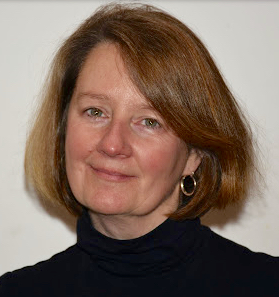 | Anne Zajicek, MD, Pharm.D., FAAP – Course Co-Director
Dr. Zajicek is a board certified pediatrician and pediatric clinical pharmacologist who currently serves as Deputy Director of the Office of Clinical Research at the National Institutes of Health. |
 | Laura Lee Johnson, Ph.D. – Course Co-Director
Laura Lee Johnson, Ph.D. is the patient focused drug development liaison and the division director for the Office of Biostatistics at the U.S. Food and Drug Administration (FDA) Center for Drug Evaluation and Research (CDER). She specializes in design, logistics, implementation, and analysis of research studies of all sizes and in measurement tool and endpoint development. Prior to working at the FDA she spent over a decade at the U.S. National Institutes of Health working on and overseeing clinical research and research support programs. |
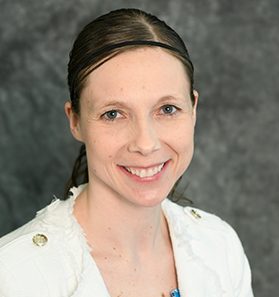 | Lisa Cordes, Pharm.D., BCACP, BCOP – Course Co-Director
Dr. Lisa M. Cordes is an Oncology Clinical Pharmacy Specialist and Educator for the National Institutes of Health. In her current position, she provides clinical and protocol support to the Genitourinary Malignancies Branch and the Clinical Pharmacology Program of the National Cancer Institute, and is co-director of the Principles of Clinical Pharmacology course.
Click here for more information! |
Title: Technology of the Oppressed: Inequity and the digital mundane in Favelas of Brazil
Abstract: Nemer draws on extensive ethnographic fieldwork to provide a rich account of how favela residents engage with technology in their everyday lives. Their stories reveal the structural violence of the information age. But they also show how those oppressed by technology don’t just reject it, but consciously resist and appropriate it, and how their experiences with digital technologies enable them to navigate both digital and nondigital sources of oppression—and even, at times, to flourish.
Bio: David Nemer is an Assistant Professor of Media Studies and Affiliated Faculty in Latin American Studies at the University of Virginia. David Nemer has a PhD in Computing, Culture, and Society from Indiana University, and a Master’s in Anthropology from the University of Virginia, and in Computer Science from Saarland University. He is also an Affiliated Scholar at Princeton University’s Brazil Lab. He is the author of “Technology of the Oppressed” (forthcoming February 2022, MIT Press) and “Favela Digital: The other side of technology” (2013, GSA).
]]>
Title: Technology of the Oppressed: Inequity and the digital mundane in Favelas of Brazil Abstract: Nemer draws on extensive ethnographic fieldwork to provide a rich account of how favela...
Image
https://assets4-beta.my.umbc.edu/system/shared/attachments/a53d0e36e80d1de1eb110a892144a0b8/69eb0c4f/news/000/113/081/c6e986623dc64e92d943aa147603ad49/nemer.jpg?1633697861
https://beta.my.umbc.edu/api/v0/pixel/news/113081/guest@my.umbc.edu/36f14116749fc87c6458378014a076d7/api/pixel
Center for Social Science Scholarship
https://beta.my.umbc.edu/groups/csss
https://assets4-beta.my.umbc.edu/system/shared/avatars/groups/000/000/825/333a55a4dd50a0fafb33f7e2e5b0df03/xsmall.png?1544752142
https://assets2-beta.my.umbc.edu/system/shared/avatars/groups/000/000/825/333a55a4dd50a0fafb33f7e2e5b0df03/original.png?1544752142
https://assets3-beta.my.umbc.edu/system/shared/avatars/groups/000/000/825/333a55a4dd50a0fafb33f7e2e5b0df03/xxlarge.png?1544752142
https://assets3-beta.my.umbc.edu/system/shared/avatars/groups/000/000/825/333a55a4dd50a0fafb33f7e2e5b0df03/xlarge.png?1544752142
https://assets4-beta.my.umbc.edu/system/shared/avatars/groups/000/000/825/333a55a4dd50a0fafb33f7e2e5b0df03/large.png?1544752142
https://assets1-beta.my.umbc.edu/system/shared/avatars/groups/000/000/825/333a55a4dd50a0fafb33f7e2e5b0df03/medium.png?1544752142
https://assets2-beta.my.umbc.edu/system/shared/avatars/groups/000/000/825/333a55a4dd50a0fafb33f7e2e5b0df03/small.png?1544752142
https://assets4-beta.my.umbc.edu/system/shared/avatars/groups/000/000/825/333a55a4dd50a0fafb33f7e2e5b0df03/xsmall.png?1544752142
https://assets3-beta.my.umbc.edu/system/shared/avatars/groups/000/000/825/333a55a4dd50a0fafb33f7e2e5b0df03/xxsmall.png?1544752142
Center for Social Science Scholarship
0
0
false
Fri, 08 Oct 2021 08:57:59 -0400
Fri, 08 Oct 2021 08:58:39 -0400