<?xml version="1.0"?>
<News hasArchived="true" page="1" pageCount="2" pageSize="10" timestamp="Sat, 18 Apr 2026 16:33:09 -0400" url="https://beta.my.umbc.edu/groups/cybersecurity/posts.xml?tag=uncategorized">
<NewsItem contentIssues="true" id="129851" important="false" status="posted" url="https://beta.my.umbc.edu/groups/cybersecurity/posts/129851">
<Title>UMBC CIO Jack Suess interviewed on CyberTalk podcast</Title>
<Body>
<![CDATA[
    <div class="html-content"><div><a href="https://www.csee.umbc.edu/wp-content/uploads/2022/05/cybertalk.jpg" rel="nofollow external" class="bo"><img src="https://www.csee.umbc.edu/wp-content/uploads/2022/05/cybertalk-1024x535.jpg" alt="" style="max-width: 100%; height: auto;"></a><h2><strong>UMBC CIO Jack Suess interviewed on CyberTalk podcast</strong></h2><p>UMBC alumnus Mike Shelah (’95) interviewed UMBC’s CIO Jack Seuss on his <a href="https://cybertalkwithmikeshelah.podbean.com/e/cybertalk-with-mike-shelah-episode-2-jack-suess-vp-of-it-cio-for-umbc/" rel="nofollow external" class="bo">CyberTalk podcast</a> about how the University addresses evolving cybersecurity issues and how UMBC uses its students to build a talent pipeline. </p><p>In this <strong><a href="https://cybertalkwithmikeshelah.podbean.com/e/cybertalk-with-mike-shelah-episode-2-jack-suess-vp-of-it-cio-for-umbc/" rel="nofollow external" class="bo">podcast episode</a>,</strong> they discussed how Jack Suess got involved with computing as a UMBC student, how the University uses its students to build a talent pipeline, and how it is addressing the ever-evolving cybersecurity issues today.</p><p>Shelah’s <a href="https://cybertalkwithmikeshelah.podbean.com/" rel="nofollow external" class="bo">CyberTalk</a> is a podcast focused on IT, Cyber, Compliance, and technology strategy. </p></div>
    <p>The post <a href="https://redirect.cs.umbc.edu/2022/05/umbc-cio-jack-suess-interviewed-on-cybertalk-podcast/" rel="nofollow external" class="bo">UMBC CIO Jack Suess interviewed on CyberTalk podcast</a> appeared first on <a href="https://redirect.cs.umbc.edu" rel="nofollow external" class="bo">Department of Computer Science and Electrical Engineering</a>.</p></div>
]]>
</Body>
<Summary>UMBC CIO Jack Suess interviewed on CyberTalk podcast  UMBC alumnus Mike Shelah (’95) interviewed UMBC’s CIO Jack Seuss on his CyberTalk podcast about how the University addresses evolving...</Summary>
<Website>https://redirect.cs.umbc.edu/2022/05/umbc-cio-jack-suess-interviewed-on-cybertalk-podcast/</Website>
<TrackingUrl>https://beta.my.umbc.edu/api/v0/pixel/news/129851/guest@my.umbc.edu/8c9ef9b317041d10de2e1d83f5e56dba/api/pixel</TrackingUrl>
<Tag>careers</Tag>
<Tag>computer-engineering</Tag>
<Tag>computer-science</Tag>
<Tag>cybersecurity</Tag>
<Tag>uncategorized</Tag>
<Group token="cybersecurity">UMBC Cybersecurity Institute Group</Group>
<GroupUrl>https://beta.my.umbc.edu/groups/cybersecurity</GroupUrl>
<AvatarUrl>https://assets3-beta.my.umbc.edu/system/shared/avatars/groups/000/000/485/196da6a7ec6f4c31eab2e474c17a9ab7/xsmall.png?1734891477</AvatarUrl>
<AvatarUrl size="original">https://assets3-beta.my.umbc.edu/system/shared/avatars/groups/000/000/485/196da6a7ec6f4c31eab2e474c17a9ab7/original.png?1734891477</AvatarUrl>
<AvatarUrl size="xxlarge">https://assets4-beta.my.umbc.edu/system/shared/avatars/groups/000/000/485/196da6a7ec6f4c31eab2e474c17a9ab7/xxlarge.png?1734891477</AvatarUrl>
<AvatarUrl size="xlarge">https://assets4-beta.my.umbc.edu/system/shared/avatars/groups/000/000/485/196da6a7ec6f4c31eab2e474c17a9ab7/xlarge.png?1734891477</AvatarUrl>
<AvatarUrl size="large">https://assets2-beta.my.umbc.edu/system/shared/avatars/groups/000/000/485/196da6a7ec6f4c31eab2e474c17a9ab7/large.png?1734891477</AvatarUrl>
<AvatarUrl size="medium">https://assets3-beta.my.umbc.edu/system/shared/avatars/groups/000/000/485/196da6a7ec6f4c31eab2e474c17a9ab7/medium.png?1734891477</AvatarUrl>
<AvatarUrl size="small">https://assets3-beta.my.umbc.edu/system/shared/avatars/groups/000/000/485/196da6a7ec6f4c31eab2e474c17a9ab7/small.png?1734891477</AvatarUrl>
<AvatarUrl size="xsmall">https://assets3-beta.my.umbc.edu/system/shared/avatars/groups/000/000/485/196da6a7ec6f4c31eab2e474c17a9ab7/xsmall.png?1734891477</AvatarUrl>
<AvatarUrl size="xxsmall">https://assets3-beta.my.umbc.edu/system/shared/avatars/groups/000/000/485/196da6a7ec6f4c31eab2e474c17a9ab7/xxsmall.png?1734891477</AvatarUrl>
<Sponsor>UMBC Center for Cybersecurity</Sponsor>
<PawCount>0</PawCount>
<CommentCount>0</CommentCount>
<CommentsAllowed>false</CommentsAllowed>
<PostedAt>Sun, 08 May 2022 13:53:10 -0400</PostedAt>
<EditAt>Sun, 08 May 2022 13:53:10 -0400</EditAt>
</NewsItem>

<NewsItem contentIssues="true" id="119265" important="false" status="posted" url="https://beta.my.umbc.edu/groups/cybersecurity/posts/119265">
<Title>UMBC CIO Jack Suess interviewed on CyberTalk podcast</Title>
<Body>
<![CDATA[
    <div class="html-content"><div><a href="https://www.csee.umbc.edu/wp-content/uploads/2022/05/cybertalk.jpg" rel="nofollow external" class="bo"><img width="1024" height="535" src="https://www.csee.umbc.edu/wp-content/uploads/2022/05/cybertalk-1024x535.jpg" alt="" style="max-width: 100%; height: auto;"></a><h2><strong>UMBC CIO Jack Suess interviewed on CyberTalk podcast</strong></h2><p>UMBC alumnus Mike Shelah (’95) interviewed UMBC’s CIO Jack Seuss on his <a href="https://cybertalkwithmikeshelah.podbean.com/e/cybertalk-with-mike-shelah-episode-2-jack-suess-vp-of-it-cio-for-umbc/" rel="nofollow external" class="bo">CyberTalk podcast</a> about how the University addresses evolving cybersecurity issues and how UMBC uses its students to build a talent pipeline. </p><p>In this <strong><a href="https://cybertalkwithmikeshelah.podbean.com/e/cybertalk-with-mike-shelah-episode-2-jack-suess-vp-of-it-cio-for-umbc/" rel="nofollow external" class="bo">podcast episode</a>,</strong> they discussed how Jack Suess got involved with computing as a UMBC student, how the University uses its students to build a talent pipeline, and how it is addressing the ever-evolving cybersecurity issues today.</p><p>Shelah’s <a href="https://cybertalkwithmikeshelah.podbean.com/" rel="nofollow external" class="bo">CyberTalk</a> is a podcast focused on IT, Cyber, Compliance, and technology strategy. </p></div>
    <p>The post <a href="https://www.csee.umbc.edu/2022/05/umbc-cio-jack-suess-interviewed-on-cybertalk-podcast/" rel="nofollow external" class="bo">UMBC CIO Jack Suess interviewed on CyberTalk podcast</a> appeared first on <a href="https://www.csee.umbc.edu" rel="nofollow external" class="bo">Department of Computer Science and Electrical Engineering</a>.</p></div>
]]>
</Body>
<Summary>UMBC CIO Jack Suess interviewed on CyberTalk podcast  UMBC alumnus Mike Shelah (’95) interviewed UMBC’s CIO Jack Seuss on his CyberTalk podcast about how the University addresses evolving...</Summary>
<Website>https://www.csee.umbc.edu/2022/05/umbc-cio-jack-suess-interviewed-on-cybertalk-podcast/</Website>
<TrackingUrl>https://beta.my.umbc.edu/api/v0/pixel/news/119265/guest@my.umbc.edu/e34a046cc51c1601badfa155f64ddf87/api/pixel</TrackingUrl>
<Tag>careers</Tag>
<Tag>computer-engineering</Tag>
<Tag>computer-science</Tag>
<Tag>cybersecurity</Tag>
<Tag>uncategorized</Tag>
<Group token="cybersecurity">UMBC Cybersecurity Institute Group</Group>
<GroupUrl>https://beta.my.umbc.edu/groups/cybersecurity</GroupUrl>
<AvatarUrl>https://assets3-beta.my.umbc.edu/system/shared/avatars/groups/000/000/485/196da6a7ec6f4c31eab2e474c17a9ab7/xsmall.png?1734891477</AvatarUrl>
<AvatarUrl size="original">https://assets3-beta.my.umbc.edu/system/shared/avatars/groups/000/000/485/196da6a7ec6f4c31eab2e474c17a9ab7/original.png?1734891477</AvatarUrl>
<AvatarUrl size="xxlarge">https://assets4-beta.my.umbc.edu/system/shared/avatars/groups/000/000/485/196da6a7ec6f4c31eab2e474c17a9ab7/xxlarge.png?1734891477</AvatarUrl>
<AvatarUrl size="xlarge">https://assets4-beta.my.umbc.edu/system/shared/avatars/groups/000/000/485/196da6a7ec6f4c31eab2e474c17a9ab7/xlarge.png?1734891477</AvatarUrl>
<AvatarUrl size="large">https://assets2-beta.my.umbc.edu/system/shared/avatars/groups/000/000/485/196da6a7ec6f4c31eab2e474c17a9ab7/large.png?1734891477</AvatarUrl>
<AvatarUrl size="medium">https://assets3-beta.my.umbc.edu/system/shared/avatars/groups/000/000/485/196da6a7ec6f4c31eab2e474c17a9ab7/medium.png?1734891477</AvatarUrl>
<AvatarUrl size="small">https://assets3-beta.my.umbc.edu/system/shared/avatars/groups/000/000/485/196da6a7ec6f4c31eab2e474c17a9ab7/small.png?1734891477</AvatarUrl>
<AvatarUrl size="xsmall">https://assets3-beta.my.umbc.edu/system/shared/avatars/groups/000/000/485/196da6a7ec6f4c31eab2e474c17a9ab7/xsmall.png?1734891477</AvatarUrl>
<AvatarUrl size="xxsmall">https://assets3-beta.my.umbc.edu/system/shared/avatars/groups/000/000/485/196da6a7ec6f4c31eab2e474c17a9ab7/xxsmall.png?1734891477</AvatarUrl>
<Sponsor>UMBC Center for Cybersecurity</Sponsor>
<PawCount>2</PawCount>
<CommentCount>0</CommentCount>
<CommentsAllowed>false</CommentsAllowed>
<PostedAt>Sun, 08 May 2022 13:53:10 -0400</PostedAt>
<EditAt>Sun, 08 May 2022 13:53:10 -0400</EditAt>
</NewsItem>

<NewsItem contentIssues="true" id="129852" important="false" status="posted" url="https://beta.my.umbc.edu/groups/cybersecurity/posts/129852">
<Title>talk: Model Validation for DARPA DPRIVE</Title>
<Body>
<![CDATA[
    <div class="html-content"><div><a href="https://www.csee.umbc.edu/wp-content/uploads/2022/04/Two-Six-Technologies-Home-Cybersecurity@2x.jpeg" rel="nofollow external" class="bo"><img src="https://www.csee.umbc.edu/wp-content/uploads/2022/04/Two-Six-Technologies-Home-Cybersecurity@2x-1024x512.jpeg" alt="" style="max-width: 100%; height: auto;"></a><h4><strong>The UMBC Cyber Defense Lab presents</strong></h4><h2><strong>Model Validation for DARPA DPRIVE</strong></h2><h2><strong>Ian Blumenfeld<br>UMBC and Two Six Technologies</strong></h2><h4>(joint work with Eric Bond, William Harrison, Chris Hathhorn, Paul Li, Matthew Torrence, and Jared Ziegler)</h4><h2><strong>12–1 pm ET, Friday 6 May 2022, via <a rel="nofollow external" class="bo">WebEx</a></strong><br></h2><p>Commodity hardware description languages (HDLs) like VHDL and Verilog present a challenge from a high assurance point of view because they lack formalized semantics: when a team of hardware engineers produces a circuit design in a commodity HDL and claims that it correctly implements a pseudocode algorithm, on what basis can that claim be evaluated? A formalized model of the circuit design may be painstakingly created (e.g., in the logic of a theorem prover), but how are the accuracy and faithfulness of that model then established? The distance between the widely adopted commodity HDLs and formal models of hardware has been a well-recognized and persistent impediment to driving formal methods into hardware development.</p><p>This talk presents a technique developed at Two Six Technologies, called model validation, that formally connects hardware design and its formal model via a functional, high-level synthesis language called ReWire. Model validation introduces a “model” program to bridge the gap between the hardware design and algorithm by establishing 1) the equivalence of the algorithm to the model and 2) the equivalence of the model to the circuit design. Equivalence between the algorithm and the ReWire model is verified with a ReWire semantics formalized in Isabelle. Equivalence between the ReWire model and the circuit design is established by producing binary circuits from each (using commodity synthesis tools and the ReWire compiler rwc) and then applying an automated binary equivalence checker.</p><p>This talk describes our experience applying model validation as part of the DARPA Data Protection in Virtual Environments (DPRIVE) program. DPRIVE aims to develop a novel hardware accelerator to ease computational challenges preventing widespread use of fully homomorphic encryption (FHE) that began with Gentry’s discovery and was improved upon in the PROCEED program. To this end, DPRIVE’s purpose is to design hardware accelerators to improve upon the existing algorithmic gains to FHE. Model validation through ReWire moves formal methods into the practical world, empowering hardware designers to reason about the correctness, safety, and security properties of their designs. In addition, we expect our pipeline to protect hardware supply chains by allowing for a full formal analysis of RTL implementations before tape out.</p><p><a href="https://www.linkedin.com/in/ian-blumenfeld-2bb68793/" rel="nofollow external" class="bo">Ian Blumenfeld</a> is the Research Director for Mathematics at Two Six Technologies.  In that role, he is a principal investigator on multiple DARPA programs, spanning the areas of formal methods, modern cryptography, and applied category theory.  Prior to his work at Two Six, Ian was a formal verification engineer at Apple, where he verified cryptographic properties of the iPhone secure enclave processor.  Ian has worked in roles in and around the federal research space for more than a decade, including five years as an applied research mathematician at the National Security Agency.  Ian is currently enrolled as a part-time Ph.D. student in the UMBC computer science department, working with Dr. Alan Sherman and Dr. Don Engel. Email: <a href="mailto:itblumenfeld@umbc.edu" rel="nofollow external" class="bo">itblumenfeld@umbc.edu</a></p><p>Host: Alan T. Sherman, <a href="mailto:sherman@umbc.edu" rel="nofollow external" class="bo">sherman@umbc.edu</a>. Support for this event was provided in part by the National Science Foundation under SFS grant DGE-1753681. The UMBC Cyber Defense Lab meets biweekly Fridays 12-1pm. All meetings are open to the public. Upcoming CDL Meeting: May 13, Enka Blanchard (Digitrust Loria, France)</p></div>
    <p>The post <a href="https://redirect.cs.umbc.edu/2022/04/talk-model-validation-for-darpa-dprive/" rel="nofollow external" class="bo">talk: Model Validation for DARPA DPRIVE</a> appeared first on <a href="https://redirect.cs.umbc.edu" rel="nofollow external" class="bo">Department of Computer Science and Electrical Engineering</a>.</p></div>
]]>
</Body>
<Summary>The UMBC Cyber Defense Lab presents  Model Validation for DARPA DPRIVE  Ian Blumenfeld UMBC and Two Six Technologies  (joint work with Eric Bond, William Harrison, Chris Hathhorn, Paul Li, Matthew...</Summary>
<Website>https://redirect.cs.umbc.edu/2022/04/talk-model-validation-for-darpa-dprive/</Website>
<TrackingUrl>https://beta.my.umbc.edu/api/v0/pixel/news/129852/guest@my.umbc.edu/7704c7d104dc778066f2ef8af899762e/api/pixel</TrackingUrl>
<Tag>computer-engineering</Tag>
<Tag>computer-science</Tag>
<Tag>cybersecurity</Tag>
<Tag>events</Tag>
<Tag>research</Tag>
<Tag>talks</Tag>
<Tag>uncategorized</Tag>
<Group token="cybersecurity">UMBC Cybersecurity Institute Group</Group>
<GroupUrl>https://beta.my.umbc.edu/groups/cybersecurity</GroupUrl>
<AvatarUrl>https://assets3-beta.my.umbc.edu/system/shared/avatars/groups/000/000/485/196da6a7ec6f4c31eab2e474c17a9ab7/xsmall.png?1734891477</AvatarUrl>
<AvatarUrl size="original">https://assets3-beta.my.umbc.edu/system/shared/avatars/groups/000/000/485/196da6a7ec6f4c31eab2e474c17a9ab7/original.png?1734891477</AvatarUrl>
<AvatarUrl size="xxlarge">https://assets4-beta.my.umbc.edu/system/shared/avatars/groups/000/000/485/196da6a7ec6f4c31eab2e474c17a9ab7/xxlarge.png?1734891477</AvatarUrl>
<AvatarUrl size="xlarge">https://assets4-beta.my.umbc.edu/system/shared/avatars/groups/000/000/485/196da6a7ec6f4c31eab2e474c17a9ab7/xlarge.png?1734891477</AvatarUrl>
<AvatarUrl size="large">https://assets2-beta.my.umbc.edu/system/shared/avatars/groups/000/000/485/196da6a7ec6f4c31eab2e474c17a9ab7/large.png?1734891477</AvatarUrl>
<AvatarUrl size="medium">https://assets3-beta.my.umbc.edu/system/shared/avatars/groups/000/000/485/196da6a7ec6f4c31eab2e474c17a9ab7/medium.png?1734891477</AvatarUrl>
<AvatarUrl size="small">https://assets3-beta.my.umbc.edu/system/shared/avatars/groups/000/000/485/196da6a7ec6f4c31eab2e474c17a9ab7/small.png?1734891477</AvatarUrl>
<AvatarUrl size="xsmall">https://assets3-beta.my.umbc.edu/system/shared/avatars/groups/000/000/485/196da6a7ec6f4c31eab2e474c17a9ab7/xsmall.png?1734891477</AvatarUrl>
<AvatarUrl size="xxsmall">https://assets3-beta.my.umbc.edu/system/shared/avatars/groups/000/000/485/196da6a7ec6f4c31eab2e474c17a9ab7/xxsmall.png?1734891477</AvatarUrl>
<Sponsor>UMBC Center for Cybersecurity</Sponsor>
<PawCount>0</PawCount>
<CommentCount>0</CommentCount>
<CommentsAllowed>false</CommentsAllowed>
<PostedAt>Thu, 28 Apr 2022 09:57:22 -0400</PostedAt>
<EditAt>Thu, 28 Apr 2022 09:57:22 -0400</EditAt>
</NewsItem>

<NewsItem contentIssues="true" id="118993" important="false" status="posted" url="https://beta.my.umbc.edu/groups/cybersecurity/posts/118993">
<Title>talk: Model Validation for DARPA DPRIVE</Title>
<Body>
<![CDATA[
    <div class="html-content"><div><a href="https://www.csee.umbc.edu/wp-content/uploads/2022/04/*protected%20email*" rel="nofollow external" class="bo"><img width="1024" height="512" src="https://www.csee.umbc.edu/wp-content/uploads/2022/04/*protected%20email*" alt="" style="max-width: 100%; height: auto;"></a><h4><strong>The UMBC Cyber Defense Lab presents</strong></h4><h2><strong>Model Validation for DARPA DPRIVE</strong></h2><h2><strong>Ian Blumenfeld<br>UMBC and Two Six Technologies</strong></h2><h4>(joint work with Eric Bond, William Harrison, Chris Hathhorn, Paul Li, Matthew Torrence, and Jared Ziegler)</h4><h2><strong>12–1 pm ET, Friday 6 May 2022, via <a rel="nofollow external" class="bo">WebEx</a></strong><br></h2><p>Commodity hardware description languages (HDLs) like VHDL and Verilog present a challenge from a high assurance point of view because they lack formalized semantics: when a team of hardware engineers produces a circuit design in a commodity HDL and claims that it correctly implements a pseudocode algorithm, on what basis can that claim be evaluated? A formalized model of the circuit design may be painstakingly created (e.g., in the logic of a theorem prover), but how are the accuracy and faithfulness of that model then established? The distance between the widely adopted commodity HDLs and formal models of hardware has been a well-recognized and persistent impediment to driving formal methods into hardware development.</p><p>This talk presents a technique developed at Two Six Technologies, called model validation, that formally connects hardware design and its formal model via a functional, high-level synthesis language called ReWire. Model validation introduces a “model” program to bridge the gap between the hardware design and algorithm by establishing 1) the equivalence of the algorithm to the model and 2) the equivalence of the model to the circuit design. Equivalence between the algorithm and the ReWire model is verified with a ReWire semantics formalized in Isabelle. Equivalence between the ReWire model and the circuit design is established by producing binary circuits from each (using commodity synthesis tools and the ReWire compiler rwc) and then applying an automated binary equivalence checker.</p><p>This talk describes our experience applying model validation as part of the DARPA Data Protection in Virtual Environments (DPRIVE) program. DPRIVE aims to develop a novel hardware accelerator to ease computational challenges preventing widespread use of fully homomorphic encryption (FHE) that began with Gentry’s discovery and was improved upon in the PROCEED program. To this end, DPRIVE’s purpose is to design hardware accelerators to improve upon the existing algorithmic gains to FHE. Model validation through ReWire moves formal methods into the practical world, empowering hardware designers to reason about the correctness, safety, and security properties of their designs. In addition, we expect our pipeline to protect hardware supply chains by allowing for a full formal analysis of RTL implementations before tape out.</p><p><a href="https://www.linkedin.com/in/ian-blumenfeld-2bb68793/" rel="nofollow external" class="bo">Ian Blumenfeld</a> is the Research Director for Mathematics at Two Six Technologies.  In that role, he is a principal investigator on multiple DARPA programs, spanning the areas of formal methods, modern cryptography, and applied category theory.  Prior to his work at Two Six, Ian was a formal verification engineer at Apple, where he verified cryptographic properties of the iPhone secure enclave processor.  Ian has worked in roles in and around the federal research space for more than a decade, including five years as an applied research mathematician at the National Security Agency.  Ian is currently enrolled as a part-time Ph.D. student in the UMBC computer science department, working with Dr. Alan Sherman and Dr. Don Engel. Email: *protected email*</p><p>Host: Alan T. Sherman, *protected email*. Support for this event was provided in part by the National Science Foundation under SFS grant DGE-1753681. The UMBC Cyber Defense Lab meets biweekly Fridays 12-1pm. All meetings are open to the public. Upcoming CDL Meeting: May 13, Enka Blanchard (Digitrust Loria, France)</p></div>
    <p>The post <a href="https://www.csee.umbc.edu/2022/04/talk-model-validation-for-darpa-dprive/" rel="nofollow external" class="bo">talk: Model Validation for DARPA DPRIVE</a> appeared first on <a href="https://www.csee.umbc.edu" rel="nofollow external" class="bo">Department of Computer Science and Electrical Engineering</a>.</p></div>
]]>
</Body>
<Summary>The UMBC Cyber Defense Lab presents  Model Validation for DARPA DPRIVE  Ian Blumenfeld UMBC and Two Six Technologies  (joint work with Eric Bond, William Harrison, Chris Hathhorn, Paul Li, Matthew...</Summary>
<Website>https://www.csee.umbc.edu/2022/04/talk-model-validation-for-darpa-dprive/</Website>
<TrackingUrl>https://beta.my.umbc.edu/api/v0/pixel/news/118993/guest@my.umbc.edu/a7bd1c976eabecaca996cf3cbe7c7efc/api/pixel</TrackingUrl>
<Tag>computer-engineering</Tag>
<Tag>computer-science</Tag>
<Tag>cybersecurity</Tag>
<Tag>events</Tag>
<Tag>research</Tag>
<Tag>talks</Tag>
<Tag>uncategorized</Tag>
<Group token="cybersecurity">UMBC Cybersecurity Institute Group</Group>
<GroupUrl>https://beta.my.umbc.edu/groups/cybersecurity</GroupUrl>
<AvatarUrl>https://assets3-beta.my.umbc.edu/system/shared/avatars/groups/000/000/485/196da6a7ec6f4c31eab2e474c17a9ab7/xsmall.png?1734891477</AvatarUrl>
<AvatarUrl size="original">https://assets3-beta.my.umbc.edu/system/shared/avatars/groups/000/000/485/196da6a7ec6f4c31eab2e474c17a9ab7/original.png?1734891477</AvatarUrl>
<AvatarUrl size="xxlarge">https://assets4-beta.my.umbc.edu/system/shared/avatars/groups/000/000/485/196da6a7ec6f4c31eab2e474c17a9ab7/xxlarge.png?1734891477</AvatarUrl>
<AvatarUrl size="xlarge">https://assets4-beta.my.umbc.edu/system/shared/avatars/groups/000/000/485/196da6a7ec6f4c31eab2e474c17a9ab7/xlarge.png?1734891477</AvatarUrl>
<AvatarUrl size="large">https://assets2-beta.my.umbc.edu/system/shared/avatars/groups/000/000/485/196da6a7ec6f4c31eab2e474c17a9ab7/large.png?1734891477</AvatarUrl>
<AvatarUrl size="medium">https://assets3-beta.my.umbc.edu/system/shared/avatars/groups/000/000/485/196da6a7ec6f4c31eab2e474c17a9ab7/medium.png?1734891477</AvatarUrl>
<AvatarUrl size="small">https://assets3-beta.my.umbc.edu/system/shared/avatars/groups/000/000/485/196da6a7ec6f4c31eab2e474c17a9ab7/small.png?1734891477</AvatarUrl>
<AvatarUrl size="xsmall">https://assets3-beta.my.umbc.edu/system/shared/avatars/groups/000/000/485/196da6a7ec6f4c31eab2e474c17a9ab7/xsmall.png?1734891477</AvatarUrl>
<AvatarUrl size="xxsmall">https://assets3-beta.my.umbc.edu/system/shared/avatars/groups/000/000/485/196da6a7ec6f4c31eab2e474c17a9ab7/xxsmall.png?1734891477</AvatarUrl>
<Sponsor>UMBC Center for Cybersecurity</Sponsor>
<PawCount>1</PawCount>
<CommentCount>0</CommentCount>
<CommentsAllowed>false</CommentsAllowed>
<PostedAt>Thu, 28 Apr 2022 09:57:22 -0400</PostedAt>
<EditAt>Thu, 28 Apr 2022 09:57:22 -0400</EditAt>
</NewsItem>

<NewsItem contentIssues="true" id="129854" important="false" status="posted" url="https://beta.my.umbc.edu/groups/cybersecurity/posts/129854">
<Title>UMBC researchers publish book on Cybersecurity &amp; Local Government</Title>
<Body>
<![CDATA[
    <div class="html-content"><div><a href="https://www.csee.umbc.edu/wp-content/uploads/2022/04/newbook_slider.jpg" rel="nofollow external" class="bo"><img src="https://www.csee.umbc.edu/wp-content/uploads/2022/04/newbook_slider-1024x461.jpg" alt="" style="max-width: 100%; height: auto;"></a>Local governments are particularly enticing soft targets, often lacking resources to defend themselves against routine cyberattacks.<h1><strong>UMBC researchers publish book on</strong><br><strong>Cybersecurity and Local Government</strong></h1><p>UMBC researchers <a href="https://publicpolicy.umbc.edu/donald-f-norris/" rel="nofollow external" class="bo">Donald Norris</a>, <a href="https://www.linkedin.com/in/laura-mateczun/" rel="nofollow external" class="bo">Laura Mateczun</a>, and <a href="https://cybersecurity.umbc.edu/richard-forno/" rel="nofollow external" class="bo">Richard Forno</a> have published a new book on the the risks of cyberattacks that local governments face and how they are addressing them.  Their book <strong><a href="https://www.wiley.com/en-us/Cybersecurity+and+Local+Government-p-9781119788287" rel="nofollow external" class="bo">Cybersecurity and Local Government</a> </strong>published by WIley summarizes several years of research and surveys on the issues and practices of city, county, and state governments.</p><p>Some of this is summarised in a recent article by Forno in The Conversation, <strong><a href="https://theconversation.com/local-governments-are-attractive-targets-for-hackers-and-are-ill-prepared-179073" rel="nofollow external" class="bo">Local governments are attractive targets for hackers and are ill-prepared</a></strong>.</p><p>Donald  Norris is Professor Emeritus and former chair of UMBC’s School of Public Policy, Laura Mateczun, JD, is a PhD student in Public Policy, and Richard Forno is a Principal Lecturer and director of UMBC’s Graduate Cybersecurity Program and Assistant Director of UMBC’s Center for Cybersecurity.</p></div>
    <p>The post <a href="https://redirect.cs.umbc.edu/2022/04/umbc-researchers-publish-book-on-cybersecurity-local-government/" rel="nofollow external" class="bo">UMBC researchers publish book on Cybersecurity &amp; Local Government</a> appeared first on <a href="https://redirect.cs.umbc.edu" rel="nofollow external" class="bo">Department of Computer Science and Electrical Engineering</a>.</p></div>
]]>
</Body>
<Summary>Local governments are particularly enticing soft targets, often lacking resources to defend themselves against routine cyberattacks. UMBC researchers publish book on Cybersecurity and Local...</Summary>
<Website>https://redirect.cs.umbc.edu/2022/04/umbc-researchers-publish-book-on-cybersecurity-local-government/</Website>
<TrackingUrl>https://beta.my.umbc.edu/api/v0/pixel/news/129854/guest@my.umbc.edu/7b5ff41f73357103dac1e785c754b9fd/api/pixel</TrackingUrl>
<Tag>cybersecurity</Tag>
<Tag>uncategorized</Tag>
<Group token="cybersecurity">UMBC Cybersecurity Institute Group</Group>
<GroupUrl>https://beta.my.umbc.edu/groups/cybersecurity</GroupUrl>
<AvatarUrl>https://assets3-beta.my.umbc.edu/system/shared/avatars/groups/000/000/485/196da6a7ec6f4c31eab2e474c17a9ab7/xsmall.png?1734891477</AvatarUrl>
<AvatarUrl size="original">https://assets3-beta.my.umbc.edu/system/shared/avatars/groups/000/000/485/196da6a7ec6f4c31eab2e474c17a9ab7/original.png?1734891477</AvatarUrl>
<AvatarUrl size="xxlarge">https://assets4-beta.my.umbc.edu/system/shared/avatars/groups/000/000/485/196da6a7ec6f4c31eab2e474c17a9ab7/xxlarge.png?1734891477</AvatarUrl>
<AvatarUrl size="xlarge">https://assets4-beta.my.umbc.edu/system/shared/avatars/groups/000/000/485/196da6a7ec6f4c31eab2e474c17a9ab7/xlarge.png?1734891477</AvatarUrl>
<AvatarUrl size="large">https://assets2-beta.my.umbc.edu/system/shared/avatars/groups/000/000/485/196da6a7ec6f4c31eab2e474c17a9ab7/large.png?1734891477</AvatarUrl>
<AvatarUrl size="medium">https://assets3-beta.my.umbc.edu/system/shared/avatars/groups/000/000/485/196da6a7ec6f4c31eab2e474c17a9ab7/medium.png?1734891477</AvatarUrl>
<AvatarUrl size="small">https://assets3-beta.my.umbc.edu/system/shared/avatars/groups/000/000/485/196da6a7ec6f4c31eab2e474c17a9ab7/small.png?1734891477</AvatarUrl>
<AvatarUrl size="xsmall">https://assets3-beta.my.umbc.edu/system/shared/avatars/groups/000/000/485/196da6a7ec6f4c31eab2e474c17a9ab7/xsmall.png?1734891477</AvatarUrl>
<AvatarUrl size="xxsmall">https://assets3-beta.my.umbc.edu/system/shared/avatars/groups/000/000/485/196da6a7ec6f4c31eab2e474c17a9ab7/xxsmall.png?1734891477</AvatarUrl>
<Sponsor>UMBC Center for Cybersecurity</Sponsor>
<PawCount>0</PawCount>
<CommentCount>0</CommentCount>
<CommentsAllowed>false</CommentsAllowed>
<PostedAt>Sun, 17 Apr 2022 15:34:43 -0400</PostedAt>
<EditAt>Sun, 17 Apr 2022 15:34:43 -0400</EditAt>
</NewsItem>

<NewsItem contentIssues="true" id="118651" important="false" status="posted" url="https://beta.my.umbc.edu/groups/cybersecurity/posts/118651">
<Title>UMBC researchers publish book on Cybersecurity &amp; Local Government</Title>
<Body>
<![CDATA[
    <div class="html-content"><div><a href="https://www.csee.umbc.edu/wp-content/uploads/2022/04/newbook_slider.jpg" rel="nofollow external" class="bo"><img width="1024" height="461" src="https://www.csee.umbc.edu/wp-content/uploads/2022/04/newbook_slider-1024x461.jpg" alt="" style="max-width: 100%; height: auto;"></a>Local governments are particularly enticing soft targets, often lacking resources to defend themselves against routine cyberattacks.<h1><strong>UMBC researchers publish book on</strong><br><strong>Cybersecurity and Local Government</strong></h1><p>UMBC researchers <a href="https://publicpolicy.umbc.edu/donald-f-norris/" rel="nofollow external" class="bo">Donald Norris</a>, <a href="https://www.linkedin.com/in/laura-mateczun/" rel="nofollow external" class="bo">Laura Mateczun</a>, and <a href="https://cybersecurity.umbc.edu/richard-forno/" rel="nofollow external" class="bo">Richard Forno</a> have published a new book on the the risks of cyberattacks that local governments face and how they are addressing them.  Their book <strong><a href="https://www.wiley.com/en-us/Cybersecurity+and+Local+Government-p-9781119788287" rel="nofollow external" class="bo">Cybersecurity and Local Government</a> </strong>published by WIley summarizes several years of research and surveys on the issues and practices of city, county, and state governments.</p><p>Some of this is summarised in a recent article by Forno in The Conversation, <strong><a href="https://theconversation.com/local-governments-are-attractive-targets-for-hackers-and-are-ill-prepared-179073" rel="nofollow external" class="bo">Local governments are attractive targets for hackers and are ill-prepared</a></strong>.</p><p>Donald  Norris is Professor Emeritus and former chair of UMBC’s School of Public Policy, Laura Mateczun, JD, is a PhD student in Public Policy, and Richard Forno is a Principal Lecturer and director of UMBC’s Graduate Cybersecurity Program and Assistant Director of UMBC’s Center for Cybersecurity.</p></div>
    <p>The post <a href="https://www.csee.umbc.edu/2022/04/umbc-researchers-publish-book-on-cybersecurity-local-government/" rel="nofollow external" class="bo">UMBC researchers publish book on Cybersecurity &amp; Local Government</a> appeared first on <a href="https://www.csee.umbc.edu" rel="nofollow external" class="bo">Department of Computer Science and Electrical Engineering</a>.</p></div>
]]>
</Body>
<Summary>Local governments are particularly enticing soft targets, often lacking resources to defend themselves against routine cyberattacks. UMBC researchers publish book on Cybersecurity and Local...</Summary>
<Website>https://www.csee.umbc.edu/2022/04/umbc-researchers-publish-book-on-cybersecurity-local-government/</Website>
<TrackingUrl>https://beta.my.umbc.edu/api/v0/pixel/news/118651/guest@my.umbc.edu/b8bf7445a75567b0117e0f00265461e4/api/pixel</TrackingUrl>
<Tag>cybersecurity</Tag>
<Tag>uncategorized</Tag>
<Group token="cybersecurity">UMBC Cybersecurity Institute Group</Group>
<GroupUrl>https://beta.my.umbc.edu/groups/cybersecurity</GroupUrl>
<AvatarUrl>https://assets3-beta.my.umbc.edu/system/shared/avatars/groups/000/000/485/196da6a7ec6f4c31eab2e474c17a9ab7/xsmall.png?1734891477</AvatarUrl>
<AvatarUrl size="original">https://assets3-beta.my.umbc.edu/system/shared/avatars/groups/000/000/485/196da6a7ec6f4c31eab2e474c17a9ab7/original.png?1734891477</AvatarUrl>
<AvatarUrl size="xxlarge">https://assets4-beta.my.umbc.edu/system/shared/avatars/groups/000/000/485/196da6a7ec6f4c31eab2e474c17a9ab7/xxlarge.png?1734891477</AvatarUrl>
<AvatarUrl size="xlarge">https://assets4-beta.my.umbc.edu/system/shared/avatars/groups/000/000/485/196da6a7ec6f4c31eab2e474c17a9ab7/xlarge.png?1734891477</AvatarUrl>
<AvatarUrl size="large">https://assets2-beta.my.umbc.edu/system/shared/avatars/groups/000/000/485/196da6a7ec6f4c31eab2e474c17a9ab7/large.png?1734891477</AvatarUrl>
<AvatarUrl size="medium">https://assets3-beta.my.umbc.edu/system/shared/avatars/groups/000/000/485/196da6a7ec6f4c31eab2e474c17a9ab7/medium.png?1734891477</AvatarUrl>
<AvatarUrl size="small">https://assets3-beta.my.umbc.edu/system/shared/avatars/groups/000/000/485/196da6a7ec6f4c31eab2e474c17a9ab7/small.png?1734891477</AvatarUrl>
<AvatarUrl size="xsmall">https://assets3-beta.my.umbc.edu/system/shared/avatars/groups/000/000/485/196da6a7ec6f4c31eab2e474c17a9ab7/xsmall.png?1734891477</AvatarUrl>
<AvatarUrl size="xxsmall">https://assets3-beta.my.umbc.edu/system/shared/avatars/groups/000/000/485/196da6a7ec6f4c31eab2e474c17a9ab7/xxsmall.png?1734891477</AvatarUrl>
<Sponsor>UMBC Center for Cybersecurity</Sponsor>
<PawCount>1</PawCount>
<CommentCount>0</CommentCount>
<CommentsAllowed>false</CommentsAllowed>
<PostedAt>Sun, 17 Apr 2022 15:34:43 -0400</PostedAt>
<EditAt>Sun, 17 Apr 2022 15:34:43 -0400</EditAt>
</NewsItem>

<NewsItem contentIssues="true" id="129856" important="false" status="posted" url="https://beta.my.umbc.edu/groups/cybersecurity/posts/129856">
<Title>talk: Formal Methods Analysis of the Session Binding Proxy Protocol, 12-1 Fri 4/1</Title>
<Body>
<![CDATA[
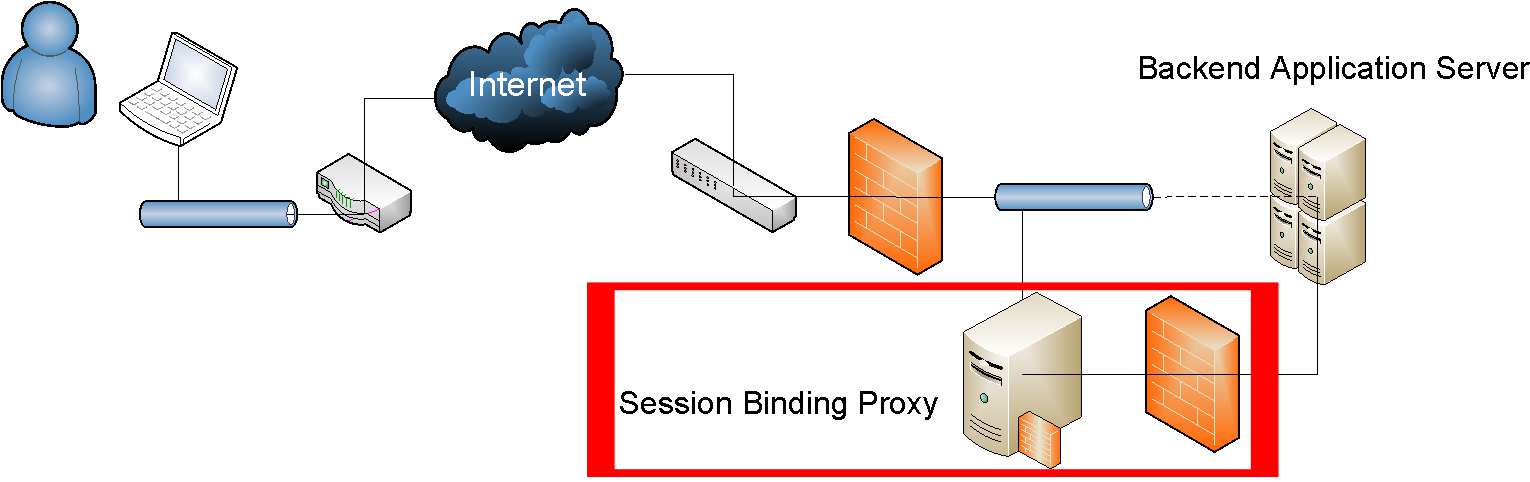
    <div class="html-content"><div><a href="https://www.csee.umbc.edu/wp-content/uploads/2022/03/Prevent_Session_Hijacking_by_Binding_the_Session_to_the_Cryptographic_Network_Credentials-NORDSEC_2013-2.jpg" rel="nofollow external" class="bo"><img src="https://www.csee.umbc.edu/wp-content/uploads/2022/03/Prevent_Session_Hijacking_by_Binding_the_Session_to_the_Cryptographic_Network_Credentials-NORDSEC_2013-2-1024x323.jpg" alt="" style="max-width: 100%; height: auto;"></a>Session Binding Proxy protocol aims to prevent session hijacking by binding the application session to the underlying network session <h3>The UMBC Cyber Defense Lab presents</h3><h2><strong>A Formal Methods Analysis of the Session Binding Proxy Protocol</strong></h2><h2><strong>Kirellos N. Abou Elsaad, UMBC</strong></h2><h3>12-1 pm, Friday, 1 April 2022, via <a href="https://umbc.webex.com/meet/sherman" rel="nofollow external" class="bo">WebEx</a> </h3><p>Proposed by Burgers, Verdult, and Eekelen in 2013, the Session Binding Proxy (SBP) protocol intends to prevent session hijacking by binding the application session to the underlying network session (i.e., binding the session token to the SSL/TLS shared key). We present a formal methods analysis of SBP using the Cryptographic Protocol Shapes Analyzer (CPSA). Our analysis reveals that SBP relies critically on the successful establishment of a secure SSL/TLS channel, which can be undermined using well-known attacks. Also, we find that SBP allows for the partial hijacking of a session using a tailgating attack. In this attack, the adversary uses the server to inject and execute malicious code inside the client’s browser to extract the session token and forge a valid state-changing request to the server. This attack is not neutralized by SBP because the request contains a valid session token and is sent over the client’s existing SSL/TLS channel.</p><p>Kirellos N. Abou Elsaad is a master’s student in computer science at UMBC working under Dr. Sherman and a member of the Protocol Analysis Lab (PAL). email: <a href="mailto:abou3@umbc.edu">abou3@umbc.edu</a></p><p>Host: Alan T. Sherman, <a href="mailto:sherman@umbc.edu">sherman@umbc.edu</a>. Support for this event was provided in part by the National Science Foundation under SFS grant DGE-1753681. The UMBC Cyber Defense Lab meets biweekly Fridays 12-1 pm. All meetings are open to the public. Upcoming CDL Meetings: April 15, Edward Zieglar (NSA); April 29, Ian Blumenfeld (UMBC); May 13, Enka Blanchard (Digitrust Loria, France).</p></div>
    <p>The post <a href="https://redirect.cs.umbc.edu/2022/03/talk-formal-methods-analysis-of-the-session-binding-proxy-protocol-12-1-fri-4-1/" rel="nofollow external" class="bo">talk: Formal Methods Analysis of the Session Binding Proxy Protocol, 12-1 Fri 4/1</a> appeared first on <a href="https://redirect.cs.umbc.edu" rel="nofollow external" class="bo">Department of Computer Science and Electrical Engineering</a>.</p></div>
]]>
</Body>
<Summary>Session Binding Proxy protocol aims to prevent session hijacking by binding the application session to the underlying network session  The UMBC Cyber Defense Lab presents  A Formal Methods...</Summary>
<Website>https://redirect.cs.umbc.edu/2022/03/talk-formal-methods-analysis-of-the-session-binding-proxy-protocol-12-1-fri-4-1/</Website>
<TrackingUrl>https://beta.my.umbc.edu/api/v0/pixel/news/129856/guest@my.umbc.edu/b130e6dfb565f94a7272a64c5f0ad7d5/api/pixel</TrackingUrl>
<Tag>computer-science</Tag>
<Tag>cybersecurity</Tag>
<Tag>events</Tag>
<Tag>talks</Tag>
<Tag>uncategorized</Tag>
<Group token="cybersecurity">UMBC Cybersecurity Institute Group</Group>
<GroupUrl>https://beta.my.umbc.edu/groups/cybersecurity</GroupUrl>
<AvatarUrl>https://assets3-beta.my.umbc.edu/system/shared/avatars/groups/000/000/485/196da6a7ec6f4c31eab2e474c17a9ab7/xsmall.png?1734891477</AvatarUrl>
<AvatarUrl size="original">https://assets3-beta.my.umbc.edu/system/shared/avatars/groups/000/000/485/196da6a7ec6f4c31eab2e474c17a9ab7/original.png?1734891477</AvatarUrl>
<AvatarUrl size="xxlarge">https://assets4-beta.my.umbc.edu/system/shared/avatars/groups/000/000/485/196da6a7ec6f4c31eab2e474c17a9ab7/xxlarge.png?1734891477</AvatarUrl>
<AvatarUrl size="xlarge">https://assets4-beta.my.umbc.edu/system/shared/avatars/groups/000/000/485/196da6a7ec6f4c31eab2e474c17a9ab7/xlarge.png?1734891477</AvatarUrl>
<AvatarUrl size="large">https://assets2-beta.my.umbc.edu/system/shared/avatars/groups/000/000/485/196da6a7ec6f4c31eab2e474c17a9ab7/large.png?1734891477</AvatarUrl>
<AvatarUrl size="medium">https://assets3-beta.my.umbc.edu/system/shared/avatars/groups/000/000/485/196da6a7ec6f4c31eab2e474c17a9ab7/medium.png?1734891477</AvatarUrl>
<AvatarUrl size="small">https://assets3-beta.my.umbc.edu/system/shared/avatars/groups/000/000/485/196da6a7ec6f4c31eab2e474c17a9ab7/small.png?1734891477</AvatarUrl>
<AvatarUrl size="xsmall">https://assets3-beta.my.umbc.edu/system/shared/avatars/groups/000/000/485/196da6a7ec6f4c31eab2e474c17a9ab7/xsmall.png?1734891477</AvatarUrl>
<AvatarUrl size="xxsmall">https://assets3-beta.my.umbc.edu/system/shared/avatars/groups/000/000/485/196da6a7ec6f4c31eab2e474c17a9ab7/xxsmall.png?1734891477</AvatarUrl>
<Sponsor>UMBC Center for Cybersecurity</Sponsor>
<PawCount>0</PawCount>
<CommentCount>0</CommentCount>
<CommentsAllowed>false</CommentsAllowed>
<PostedAt>Sun, 27 Mar 2022 22:09:22 -0400</PostedAt>
<EditAt>Sun, 27 Mar 2022 22:09:22 -0400</EditAt>
</NewsItem>

<NewsItem contentIssues="true" id="117941" important="false" status="posted" url="https://beta.my.umbc.edu/groups/cybersecurity/posts/117941">
<Title>talk: Formal Methods Analysis of the Session Binding Proxy Protocol, 12-1 Fri 4/1</Title>
<Body>
<![CDATA[
    <div class="html-content"><div><a href="https://www.csee.umbc.edu/wp-content/uploads/2022/03/Prevent_Session_Hijacking_by_Binding_the_Session_to_the_Cryptographic_Network_Credentials-NORDSEC_2013-2.jpg" rel="nofollow external" class="bo"><img width="1024" height="323" src="https://www.csee.umbc.edu/wp-content/uploads/2022/03/Prevent_Session_Hijacking_by_Binding_the_Session_to_the_Cryptographic_Network_Credentials-NORDSEC_2013-2-1024x323.jpg" alt="" style="max-width: 100%; height: auto;"></a>Session Binding Proxy protocol aims to prevent session hijacking by binding the application session to the underlying network session <h3>The UMBC Cyber Defense Lab presents</h3><h2><strong>A Formal Methods Analysis of the Session Binding Proxy Protocol</strong></h2><h2><strong>Kirellos N. Abou Elsaad, UMBC</strong></h2><h3>12-1 pm, Friday, 1 April 2022, via <a href="https://umbc.webex.com/meet/sherman" rel="nofollow external" class="bo">WebEx</a> </h3><p>Proposed by Burgers, Verdult, and Eekelen in 2013, the Session Binding Proxy (SBP) protocol intends to prevent session hijacking by binding the application session to the underlying network session (i.e., binding the session token to the SSL/TLS shared key). We present a formal methods analysis of SBP using the Cryptographic Protocol Shapes Analyzer (CPSA). Our analysis reveals that SBP relies critically on the successful establishment of a secure SSL/TLS channel, which can be undermined using well-known attacks. Also, we find that SBP allows for the partial hijacking of a session using a tailgating attack. In this attack, the adversary uses the server to inject and execute malicious code inside the client’s browser to extract the session token and forge a valid state-changing request to the server. This attack is not neutralized by SBP because the request contains a valid session token and is sent over the client’s existing SSL/TLS channel.</p><p>Kirellos N. Abou Elsaad is a master’s student in computer science at UMBC working under Dr. Sherman and a member of the Protocol Analysis Lab (PAL). email: *protected email*</p><p>Host: Alan T. Sherman, *protected email* Support for this event was provided in part by the National Science Foundation under SFS grant DGE-1753681. The UMBC Cyber Defense Lab meets biweekly Fridays 12-1 pm. All meetings are open to the public. Upcoming CDL Meetings: April 15, Edward Zieglar (NSA); April 29, Ian Blumenfeld (UMBC); May 13, Enka Blanchard (Digitrust Loria, France).</p></div>
    <p>The post <a href="https://www.csee.umbc.edu/2022/03/talk-formal-methods-analysis-of-the-session-binding-proxy-protocol-12-1-fri-4-1/" rel="nofollow external" class="bo">talk: Formal Methods Analysis of the Session Binding Proxy Protocol, 12-1 Fri 4/1</a> appeared first on <a href="https://www.csee.umbc.edu" rel="nofollow external" class="bo">Department of Computer Science and Electrical Engineering</a>.</p></div>
]]>
</Body>
<Summary>Session Binding Proxy protocol aims to prevent session hijacking by binding the application session to the underlying network session  The UMBC Cyber Defense Lab presents  A Formal Methods...</Summary>
<Website>https://www.csee.umbc.edu/2022/03/talk-formal-methods-analysis-of-the-session-binding-proxy-protocol-12-1-fri-4-1/</Website>
<TrackingUrl>https://beta.my.umbc.edu/api/v0/pixel/news/117941/guest@my.umbc.edu/861b4e6a10082187cd2eab14589cd84e/api/pixel</TrackingUrl>
<Tag>computer-science</Tag>
<Tag>cybersecurity</Tag>
<Tag>events</Tag>
<Tag>talks</Tag>
<Tag>uncategorized</Tag>
<Group token="cybersecurity">UMBC Cybersecurity Institute Group</Group>
<GroupUrl>https://beta.my.umbc.edu/groups/cybersecurity</GroupUrl>
<AvatarUrl>https://assets3-beta.my.umbc.edu/system/shared/avatars/groups/000/000/485/196da6a7ec6f4c31eab2e474c17a9ab7/xsmall.png?1734891477</AvatarUrl>
<AvatarUrl size="original">https://assets3-beta.my.umbc.edu/system/shared/avatars/groups/000/000/485/196da6a7ec6f4c31eab2e474c17a9ab7/original.png?1734891477</AvatarUrl>
<AvatarUrl size="xxlarge">https://assets4-beta.my.umbc.edu/system/shared/avatars/groups/000/000/485/196da6a7ec6f4c31eab2e474c17a9ab7/xxlarge.png?1734891477</AvatarUrl>
<AvatarUrl size="xlarge">https://assets4-beta.my.umbc.edu/system/shared/avatars/groups/000/000/485/196da6a7ec6f4c31eab2e474c17a9ab7/xlarge.png?1734891477</AvatarUrl>
<AvatarUrl size="large">https://assets2-beta.my.umbc.edu/system/shared/avatars/groups/000/000/485/196da6a7ec6f4c31eab2e474c17a9ab7/large.png?1734891477</AvatarUrl>
<AvatarUrl size="medium">https://assets3-beta.my.umbc.edu/system/shared/avatars/groups/000/000/485/196da6a7ec6f4c31eab2e474c17a9ab7/medium.png?1734891477</AvatarUrl>
<AvatarUrl size="small">https://assets3-beta.my.umbc.edu/system/shared/avatars/groups/000/000/485/196da6a7ec6f4c31eab2e474c17a9ab7/small.png?1734891477</AvatarUrl>
<AvatarUrl size="xsmall">https://assets3-beta.my.umbc.edu/system/shared/avatars/groups/000/000/485/196da6a7ec6f4c31eab2e474c17a9ab7/xsmall.png?1734891477</AvatarUrl>
<AvatarUrl size="xxsmall">https://assets3-beta.my.umbc.edu/system/shared/avatars/groups/000/000/485/196da6a7ec6f4c31eab2e474c17a9ab7/xxsmall.png?1734891477</AvatarUrl>
<Sponsor>UMBC Center for Cybersecurity</Sponsor>
<PawCount>1</PawCount>
<CommentCount>0</CommentCount>
<CommentsAllowed>false</CommentsAllowed>
<PostedAt>Sun, 27 Mar 2022 22:09:22 -0400</PostedAt>
<EditAt>Sun, 27 Mar 2022 22:09:22 -0400</EditAt>
</NewsItem>

<NewsItem contentIssues="true" id="117738" important="false" status="posted" url="https://beta.my.umbc.edu/groups/cybersecurity/posts/117738">
<Title>talk: CyMOT Cybersecurity Training for Operational Technology in Manufacturing, 12-1 Fri 3/18</Title>
<Body>
<![CDATA[
    <div class="html-content"><a href="https://www.csee.umbc.edu/wp-content/uploads/2022/03/cymot3.jpg" rel="nofollow external" class="bo"><img width="1024" height="512" src="https://www.csee.umbc.edu/wp-content/uploads/2022/03/cymot3-1024x512.jpg" alt="" style="max-width: 100%; height: auto;"></a><h4><strong>The UMBC Cyber Defense Lab presents</strong></h4><h2><strong>CyMOT: Cybersecurity Training for</strong><br><strong>Operational Technology in Manufacturing</strong></h2><h3><strong>Nilanjan Banerjee, UMBC CSEE</strong></h3><h3><strong>12-1 pm Friday, 18 March 2022, via <a href="https://umbc.webex.com/meet/sherman" rel="nofollow external" class="bo">WebEx</a> </strong></h3><p>The University of Maryland, Baltimore County (UMBC) and <a href="https://www.mxdusa.org/" rel="nofollow external" class="bo">MxD</a> Learn, the workforce arm of MxD, seeks to collaboratively build Phase I of <a href="https://cymot.org/" rel="nofollow external" class="bo">CyMOT</a> to address the need for cybersecurity for operational manufacturing technology (OT). Leveraging MxD Learn’s previous work identifying the skills and abilities needed in future manufacturing positions and the development and dissemination of training opportunities and career pathways, MxD Learn has partnered with UMBC, a leader in cybersecurity education, to create a curriculum that targets adult learners who are looking to increase their skills at the intersection of cybersecurity and manufacturing. The objective of the curriculum program is to provide current workers with learning opportunities that result in certification(s), giving them the tools necessary to execute careers in cybersecurity in manufacturing, and increasing the security of U.S. manufacturers from cyber attacks. This talk will describe the CyMOT Phase I pilot.</p><p>Dr. <a href="https://www.csee.umbc.edu/~nilanb/" rel="nofollow external" class="bo">Nilanjan Banerjee</a> is a professor of CSEE at UMBC. His area of expertise is in cybersecurity in manufacturing and physiological sensing.</p><hr><p>Host: Alan T. Sherman, *protected email* Support for this event was provided in part by the National Science Foundation under SFS grant DGE-1753681. The UMBC Cyber Defense Lab meets biweekly Fridays 12-1 pm. All meetings are open to the public. Upcoming CDL Meetings: April 1, Kirellos Elsaad (UMBC); April 15, Edward Zieglar (NSA); April 29, Ian Blumenfeld (UMBC); May 13, Enka Blanchard (Digitrust Loria, France).</p>
    <p>The post <a href="https://www.csee.umbc.edu/2022/03/talk-cymot-cybersecurity-training-for-operational-technology-in-manufacturing-12-1-fri-3-18/" rel="nofollow external" class="bo">talk: CyMOT Cybersecurity Training for Operational Technology in Manufacturing, 12-1 Fri 3/18</a> appeared first on <a href="https://www.csee.umbc.edu" rel="nofollow external" class="bo">Department of Computer Science and Electrical Engineering</a>.</p></div>
]]>
</Body>
<Summary>The UMBC Cyber Defense Lab presents  CyMOT: Cybersecurity Training for Operational Technology in Manufacturing  Nilanjan Banerjee, UMBC CSEE  12-1 pm Friday, 18 March 2022, via WebEx   The...</Summary>
<Website>https://www.csee.umbc.edu/2022/03/talk-cymot-cybersecurity-training-for-operational-technology-in-manufacturing-12-1-fri-3-18/</Website>
<TrackingUrl>https://beta.my.umbc.edu/api/v0/pixel/news/117738/guest@my.umbc.edu/131dff771a479f4611509c8f1f94caa6/api/pixel</TrackingUrl>
<Tag>cybersecurity</Tag>
<Tag>events</Tag>
<Tag>talks</Tag>
<Tag>uncategorized</Tag>
<Group token="cybersecurity">UMBC Cybersecurity Institute Group</Group>
<GroupUrl>https://beta.my.umbc.edu/groups/cybersecurity</GroupUrl>
<AvatarUrl>https://assets3-beta.my.umbc.edu/system/shared/avatars/groups/000/000/485/196da6a7ec6f4c31eab2e474c17a9ab7/xsmall.png?1734891477</AvatarUrl>
<AvatarUrl size="original">https://assets3-beta.my.umbc.edu/system/shared/avatars/groups/000/000/485/196da6a7ec6f4c31eab2e474c17a9ab7/original.png?1734891477</AvatarUrl>
<AvatarUrl size="xxlarge">https://assets4-beta.my.umbc.edu/system/shared/avatars/groups/000/000/485/196da6a7ec6f4c31eab2e474c17a9ab7/xxlarge.png?1734891477</AvatarUrl>
<AvatarUrl size="xlarge">https://assets4-beta.my.umbc.edu/system/shared/avatars/groups/000/000/485/196da6a7ec6f4c31eab2e474c17a9ab7/xlarge.png?1734891477</AvatarUrl>
<AvatarUrl size="large">https://assets2-beta.my.umbc.edu/system/shared/avatars/groups/000/000/485/196da6a7ec6f4c31eab2e474c17a9ab7/large.png?1734891477</AvatarUrl>
<AvatarUrl size="medium">https://assets3-beta.my.umbc.edu/system/shared/avatars/groups/000/000/485/196da6a7ec6f4c31eab2e474c17a9ab7/medium.png?1734891477</AvatarUrl>
<AvatarUrl size="small">https://assets3-beta.my.umbc.edu/system/shared/avatars/groups/000/000/485/196da6a7ec6f4c31eab2e474c17a9ab7/small.png?1734891477</AvatarUrl>
<AvatarUrl size="xsmall">https://assets3-beta.my.umbc.edu/system/shared/avatars/groups/000/000/485/196da6a7ec6f4c31eab2e474c17a9ab7/xsmall.png?1734891477</AvatarUrl>
<AvatarUrl size="xxsmall">https://assets3-beta.my.umbc.edu/system/shared/avatars/groups/000/000/485/196da6a7ec6f4c31eab2e474c17a9ab7/xxsmall.png?1734891477</AvatarUrl>
<Sponsor>UMBC Center for Cybersecurity</Sponsor>
<PawCount>1</PawCount>
<CommentCount>0</CommentCount>
<CommentsAllowed>false</CommentsAllowed>
<PostedAt>Tue, 15 Mar 2022 12:10:20 -0400</PostedAt>
<EditAt>Tue, 15 Mar 2022 12:10:20 -0400</EditAt>
</NewsItem>

<NewsItem contentIssues="false" id="92799" important="false" status="posted" url="https://beta.my.umbc.edu/groups/cybersecurity/posts/92799">
<Title>talk: Identifying and Addressing Concerning Behavior in the Digital Age, 12-1 Fri 5/8</Title>
<Body>
<![CDATA[
    <div class="html-content"><img width="1024" height="512" src="https://www.csee.umbc.edu/wp-content/uploads/2020/05/secret-service-1024x512.jpg" alt="two secret service agents confer" style="max-width: 100%; height: auto;"><p><strong>The UMBC Cyber Defense Lab presents</strong></p><h1><strong>Identifying and Addressing Concerning <br> Behavior in the Digital Age</strong></h1><p>   </p><h3><strong>Jason W. Wells</strong><br>Graduate Student, Cybersecurity MPS<br>University of Maryland, Baltimore County</h3><h3><strong>12:00–1pm Friday, 8 May 2020, <a href="https://umbc.webex.com/meet/sherman" rel="nofollow external" class="bo">webex</a></strong></h3><p>   </p><p>The United States Secret Service (USSS) is widely known as the premier law enforcement agency that is charged with protecting some of the most important political figures in the world. Some of these protectees include the President of the United States, the Vice-President, the First Family and Second Family, and Heads of State visiting the United States, to name a few. A major part of the protective mission of the USSS is focused around “protective intelligence,” where agents are trained to identify concerning and threatening behavioral indicators in others, and then to address those issues in a proactive and positive manner and ensure that the community is safe from harm. This proactive methodology has been researched and applied for decades and has a very high rate of success. Now, other law enforcement agencies throughout the country have started to apply this training to their agents and officers. Can these methodologies be used and/or modified to recognize threats in cyberspace as well?</p><hr><p>Jason Wells is a former special agent with the United States Secret Service, where he served for nine years from 2005 – 2014. During that time, Mr. Wells was extensively trained in identifying and addressing threat-related and concerning behavioral indicators, and how to address those behaviors in a positive and proactive manner. In 2016, Mr. Wells published his first book Our Path to Safety: A U.S. Secret Service Agent’s Guide to Creating Safe Communities (ISBN-13: 978-0-9982488-0-6) on how the community can identify these behavioral conditions in the same way that federal law enforcement does every day. Mr. Wells earned his undergraduate degree from the Virginia Military Institute and his first graduate degree from Henley-Putnam University in Strategic Security and Protection Management in 2014. Additionally, Mr. Wells has published 11 editorial articles in print media on improving safety and security methodologies in schools and businesses. Currently, he is an SFS scholarship graduate student at UMBC with plans to complete his degree in spring 2020. He and his wife, Blythe, have two children and have lived in Baltimore County since 2008.</p><hr><p>Host: Alan T. Sherman, *protected email* Support for this event was provided in part by the National Science Foundation under SFS grant DGE-1753681. The UMBC Cyber Defense Lab meets biweekly Fridays. All meetings are open to the public. Upcoming CDL Meetings: May 22, Spring SFS Meeting at UMBC, 9:30am-2pm, via <a href="https://umbc.webex.com/meet/sherman" rel="nofollow external" class="bo">WebEx.</a> </p>
    <p>The post <a href="https://www.csee.umbc.edu/2020/05/talk-identifying-and-addressing-concerning-behavior-in-the-digital-age-12-1-fri-5-8/" rel="nofollow external" class="bo">talk: Identifying and Addressing Concerning Behavior in the Digital Age, 12-1 Fri 5/8</a> appeared first on <a href="https://www.csee.umbc.edu" rel="nofollow external" class="bo">Department of Computer Science and Electrical Engineering</a>.</p></div>
]]>
</Body>
<Summary>The UMBC Cyber Defense Lab presents  Identifying and Addressing Concerning   Behavior in the Digital Age       Jason W. Wells Graduate Student, Cybersecurity MPS University of Maryland, Baltimore...</Summary>
<Website>https://www.csee.umbc.edu/2020/05/talk-identifying-and-addressing-concerning-behavior-in-the-digital-age-12-1-fri-5-8/</Website>
<TrackingUrl>https://beta.my.umbc.edu/api/v0/pixel/news/92799/guest@my.umbc.edu/c57f1df02979ddc3394e4b7f0292a546/api/pixel</TrackingUrl>
<Tag>cybersecurity</Tag>
<Tag>events</Tag>
<Tag>news</Tag>
<Tag>talks</Tag>
<Tag>uncategorized</Tag>
<Group token="cybersecurity">UMBC Cybersecurity Institute Group</Group>
<GroupUrl>https://beta.my.umbc.edu/groups/cybersecurity</GroupUrl>
<AvatarUrl>https://assets3-beta.my.umbc.edu/system/shared/avatars/groups/000/000/485/196da6a7ec6f4c31eab2e474c17a9ab7/xsmall.png?1734891477</AvatarUrl>
<AvatarUrl size="original">https://assets3-beta.my.umbc.edu/system/shared/avatars/groups/000/000/485/196da6a7ec6f4c31eab2e474c17a9ab7/original.png?1734891477</AvatarUrl>
<AvatarUrl size="xxlarge">https://assets4-beta.my.umbc.edu/system/shared/avatars/groups/000/000/485/196da6a7ec6f4c31eab2e474c17a9ab7/xxlarge.png?1734891477</AvatarUrl>
<AvatarUrl size="xlarge">https://assets4-beta.my.umbc.edu/system/shared/avatars/groups/000/000/485/196da6a7ec6f4c31eab2e474c17a9ab7/xlarge.png?1734891477</AvatarUrl>
<AvatarUrl size="large">https://assets2-beta.my.umbc.edu/system/shared/avatars/groups/000/000/485/196da6a7ec6f4c31eab2e474c17a9ab7/large.png?1734891477</AvatarUrl>
<AvatarUrl size="medium">https://assets3-beta.my.umbc.edu/system/shared/avatars/groups/000/000/485/196da6a7ec6f4c31eab2e474c17a9ab7/medium.png?1734891477</AvatarUrl>
<AvatarUrl size="small">https://assets3-beta.my.umbc.edu/system/shared/avatars/groups/000/000/485/196da6a7ec6f4c31eab2e474c17a9ab7/small.png?1734891477</AvatarUrl>
<AvatarUrl size="xsmall">https://assets3-beta.my.umbc.edu/system/shared/avatars/groups/000/000/485/196da6a7ec6f4c31eab2e474c17a9ab7/xsmall.png?1734891477</AvatarUrl>
<AvatarUrl size="xxsmall">https://assets3-beta.my.umbc.edu/system/shared/avatars/groups/000/000/485/196da6a7ec6f4c31eab2e474c17a9ab7/xxsmall.png?1734891477</AvatarUrl>
<Sponsor>UMBC Center for Cybersecurity</Sponsor>
<PawCount>2</PawCount>
<CommentCount>0</CommentCount>
<CommentsAllowed>false</CommentsAllowed>
<PostedAt>Sun, 03 May 2020 20:41:58 -0400</PostedAt>
<EditAt>Sun, 03 May 2020 20:41:58 -0400</EditAt>
</NewsItem>

</News>