<?xml version="1.0"?>
<News hasArchived="true" page="1" pageCount="1" pageSize="10" timestamp="Sun, 26 Apr 2026 12:39:31 -0400" url="https://beta.my.umbc.edu/groups/cybersecurity/posts.xml?tag=research-awards">
<NewsItem contentIssues="true" id="129848" important="false" status="posted" url="https://beta.my.umbc.edu/groups/cybersecurity/posts/129848">
<Title>Profs. Sherman and Oliva receive NSF award to study cybersecurity education&#160;</Title>
<Body>
<![CDATA[
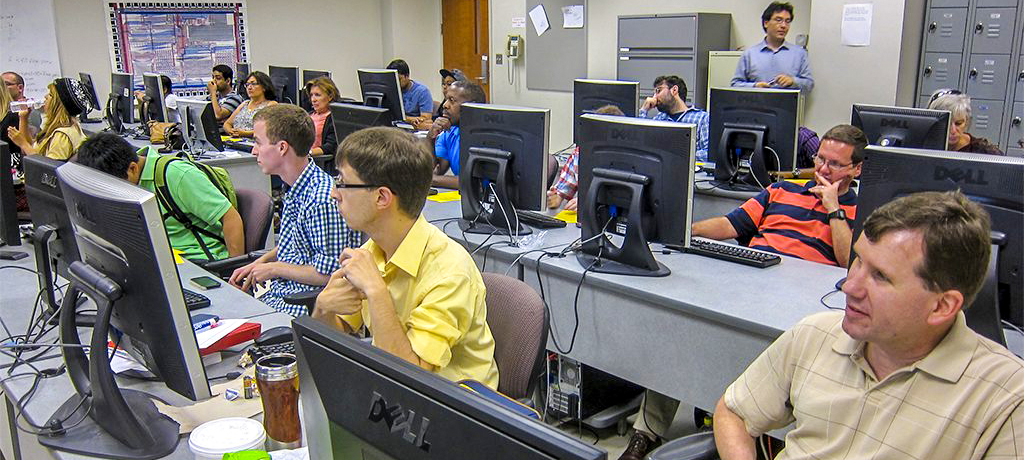
    <div class="html-content"><div><a href="https://www.csee.umbc.edu/wp-content/uploads/2022/08/cyber_class.jpg" rel="nofollow external" class="bo"><img src="https://www.csee.umbc.edu/wp-content/uploads/2022/08/cyber_class.jpg" alt="" style="max-width: 100%; height: auto;"></a><h1><strong>Professors Sherman and Oliva receive NSF award to study cybersecurity education</strong></h1><p>UMBC Professors <strong><a href="https://cybersecurity.umbc.edu/alan-sherman/" rel="nofollow external" class="bo">Alan T. Sherman</a></strong> (PI, CSEE) and <strong><a href="https://education.umbc.edu/faculty-list/linda-oliva/" rel="nofollow external" class="bo">Linda Oliva</a></strong> (CO-PI,  Education)  recently received more than $260,000 of a $500,000 grant from the National Science Foundation (NSF) to study and improve how cybersecurity is taught at the U.S. Naval Academy and U.S. Military Academy. </p><p>The project, <a href="https://www.nsf.gov/awardsearch/showAward?AWD_ID=2138921" rel="nofollow external" class="bo">Examining Pedagogy in Cybersecurity</a> (EPIC), is collaborative with the University of Illinois Urbana-Champaign and the University of Minnesota Duluth and is funded through NSF’s Secure and Trustworthy Computing (SaTC) program. Because the academies teach cybersecurity to all first-year students, EPIC offers a large-scale opportunity to investigate how simulation-based teaching and learning affects different student populations.</p><p>In the first phase of the research, Sherman and his collaborators—including computer science Ph.D. student <strong>Andrew Slack</strong>—will study how instructors at the academies structure and teach their cybersecurity courses. In the second phase, they will introduce active simulation-based learning exercises and pedagogies and assess their effectiveness. </p><p>UMBC’s championship-winning Cyberdawgs cyberdefense team will help adapt and improve learning materials. As one quantitative measure of the new pedagogy’s effectiveness, EPIC will assess students’ conceptual understanding using the <a href="https://par.nsf.gov/servlets/purl/10290864" rel="nofollow external" class="bo">Cybersecurity Concept Inventory</a> (CCI) developed by Sherman and his team. </p><p>Some material adapted from this <a href="https://umbc.edu/stories/umbc-advances-maryland-through-innovative-computing-partnership/" rel="nofollow external" class="bo">UMBC News article</a></p></div>
    <p>The post <a href="https://redirect.cs.umbc.edu/2022/08/prof-sherman-receives-nsf-award-to-study-cybersecurity-education/" rel="nofollow external" class="bo">Profs. Sherman and Oliva receive NSF award to study cybersecurity education </a> appeared first on <a href="https://redirect.cs.umbc.edu" rel="nofollow external" class="bo">Department of Computer Science and Electrical Engineering</a>.</p></div>
]]>
</Body>
<Summary>Professors Sherman and Oliva receive NSF award to study cybersecurity education  UMBC Professors Alan T. Sherman (PI, CSEE) and Linda Oliva (CO-PI,  Education)  recently received more than...</Summary>
<Website>https://redirect.cs.umbc.edu/2022/08/prof-sherman-receives-nsf-award-to-study-cybersecurity-education/</Website>
<TrackingUrl>https://beta.my.umbc.edu/api/v0/pixel/news/129848/guest@my.umbc.edu/f7400269abb245d7d2f4112e2bfc65d8/api/pixel</TrackingUrl>
<Tag>computer-science</Tag>
<Tag>cybersecurity</Tag>
<Tag>research</Tag>
<Tag>research-awards</Tag>
<Group token="cybersecurity">UMBC Cybersecurity Institute Group</Group>
<GroupUrl>https://beta.my.umbc.edu/groups/cybersecurity</GroupUrl>
<AvatarUrl>https://assets3-beta.my.umbc.edu/system/shared/avatars/groups/000/000/485/196da6a7ec6f4c31eab2e474c17a9ab7/xsmall.png?1734891477</AvatarUrl>
<AvatarUrl size="original">https://assets3-beta.my.umbc.edu/system/shared/avatars/groups/000/000/485/196da6a7ec6f4c31eab2e474c17a9ab7/original.png?1734891477</AvatarUrl>
<AvatarUrl size="xxlarge">https://assets4-beta.my.umbc.edu/system/shared/avatars/groups/000/000/485/196da6a7ec6f4c31eab2e474c17a9ab7/xxlarge.png?1734891477</AvatarUrl>
<AvatarUrl size="xlarge">https://assets4-beta.my.umbc.edu/system/shared/avatars/groups/000/000/485/196da6a7ec6f4c31eab2e474c17a9ab7/xlarge.png?1734891477</AvatarUrl>
<AvatarUrl size="large">https://assets2-beta.my.umbc.edu/system/shared/avatars/groups/000/000/485/196da6a7ec6f4c31eab2e474c17a9ab7/large.png?1734891477</AvatarUrl>
<AvatarUrl size="medium">https://assets3-beta.my.umbc.edu/system/shared/avatars/groups/000/000/485/196da6a7ec6f4c31eab2e474c17a9ab7/medium.png?1734891477</AvatarUrl>
<AvatarUrl size="small">https://assets3-beta.my.umbc.edu/system/shared/avatars/groups/000/000/485/196da6a7ec6f4c31eab2e474c17a9ab7/small.png?1734891477</AvatarUrl>
<AvatarUrl size="xsmall">https://assets3-beta.my.umbc.edu/system/shared/avatars/groups/000/000/485/196da6a7ec6f4c31eab2e474c17a9ab7/xsmall.png?1734891477</AvatarUrl>
<AvatarUrl size="xxsmall">https://assets3-beta.my.umbc.edu/system/shared/avatars/groups/000/000/485/196da6a7ec6f4c31eab2e474c17a9ab7/xxsmall.png?1734891477</AvatarUrl>
<Sponsor>UMBC Center for Cybersecurity</Sponsor>
<PawCount>0</PawCount>
<CommentCount>0</CommentCount>
<CommentsAllowed>false</CommentsAllowed>
<PostedAt>Fri, 05 Aug 2022 11:13:23 -0400</PostedAt>
<EditAt>Fri, 05 Aug 2022 11:13:23 -0400</EditAt>
</NewsItem>

<NewsItem contentIssues="true" id="126718" important="false" status="posted" url="https://beta.my.umbc.edu/groups/cybersecurity/posts/126718">
<Title>Profs. Sherman and Oliva receive NSF award to study cybersecurity education&#160;</Title>
<Body>
<![CDATA[
    <div class="html-content"><div><a href="https://www.csee.umbc.edu/wp-content/uploads/2022/08/cyber_class.jpg" rel="nofollow external" class="bo"><img width="1024" height="460" src="https://www.csee.umbc.edu/wp-content/uploads/2022/08/cyber_class.jpg" alt="" style="max-width: 100%; height: auto;"></a><h1><strong>Professors Sherman and Oliva receive NSF award to study cybersecurity education</strong></h1><p>UMBC Professors <strong><a href="https://cybersecurity.umbc.edu/alan-sherman/" rel="nofollow external" class="bo">Alan T. Sherman</a></strong> (PI, CSEE) and <strong><a href="https://education.umbc.edu/faculty-list/linda-oliva/" rel="nofollow external" class="bo">Linda Oliva</a></strong> (CO-PI,  Education)  recently received more than $260,000 of a $500,000 grant from the National Science Foundation (NSF) to study and improve how cybersecurity is taught at the U.S. Naval Academy and U.S. Military Academy. </p><p>The project, <a href="https://www.nsf.gov/awardsearch/showAward?AWD_ID=2138921" rel="nofollow external" class="bo">Examining Pedagogy in Cybersecurity</a> (EPIC), is collaborative with the University of Illinois Urbana-Champaign and the University of Minnesota Duluth and is funded through NSF’s Secure and Trustworthy Computing (SaTC) program. Because the academies teach cybersecurity to all first-year students, EPIC offers a large-scale opportunity to investigate how simulation-based teaching and learning affects different student populations.</p><p>In the first phase of the research, Sherman and his collaborators—including computer science Ph.D. student <strong>Andrew Slack</strong>—will study how instructors at the academies structure and teach their cybersecurity courses. In the second phase, they will introduce active simulation-based learning exercises and pedagogies and assess their effectiveness. </p><p>UMBC’s championship-winning Cyberdawgs cyberdefense team will help adapt and improve learning materials. As one quantitative measure of the new pedagogy’s effectiveness, EPIC will assess students’ conceptual understanding using the <a href="https://par.nsf.gov/servlets/purl/10290864" rel="nofollow external" class="bo">Cybersecurity Concept Inventory</a> (CCI) developed by Sherman and his team. </p><p>Some material adapted from this <a href="https://umbc.edu/stories/umbc-advances-maryland-through-innovative-computing-partnership/" rel="nofollow external" class="bo">UMBC News article</a></p></div>
    <p>The post <a href="https://www.csee.umbc.edu/2022/08/prof-sherman-receives-nsf-award-to-study-cybersecurity-education/" rel="nofollow external" class="bo">Profs. Sherman and Oliva receive NSF award to study cybersecurity education </a> appeared first on <a href="https://www.csee.umbc.edu" rel="nofollow external" class="bo">Department of Computer Science and Electrical Engineering</a>.</p></div>
]]>
</Body>
<Summary>Professors Sherman and Oliva receive NSF award to study cybersecurity education  UMBC Professors Alan T. Sherman (PI, CSEE) and Linda Oliva (CO-PI,  Education)  recently received more than...</Summary>
<Website>https://www.csee.umbc.edu/2022/08/prof-sherman-receives-nsf-award-to-study-cybersecurity-education/</Website>
<TrackingUrl>https://beta.my.umbc.edu/api/v0/pixel/news/126718/guest@my.umbc.edu/60eadf7f8eb894e9cf410645e5da7d57/api/pixel</TrackingUrl>
<Tag>computer-science</Tag>
<Tag>cybersecurity</Tag>
<Tag>research</Tag>
<Tag>research-awards</Tag>
<Group token="cybersecurity">UMBC Cybersecurity Institute Group</Group>
<GroupUrl>https://beta.my.umbc.edu/groups/cybersecurity</GroupUrl>
<AvatarUrl>https://assets3-beta.my.umbc.edu/system/shared/avatars/groups/000/000/485/196da6a7ec6f4c31eab2e474c17a9ab7/xsmall.png?1734891477</AvatarUrl>
<AvatarUrl size="original">https://assets3-beta.my.umbc.edu/system/shared/avatars/groups/000/000/485/196da6a7ec6f4c31eab2e474c17a9ab7/original.png?1734891477</AvatarUrl>
<AvatarUrl size="xxlarge">https://assets4-beta.my.umbc.edu/system/shared/avatars/groups/000/000/485/196da6a7ec6f4c31eab2e474c17a9ab7/xxlarge.png?1734891477</AvatarUrl>
<AvatarUrl size="xlarge">https://assets4-beta.my.umbc.edu/system/shared/avatars/groups/000/000/485/196da6a7ec6f4c31eab2e474c17a9ab7/xlarge.png?1734891477</AvatarUrl>
<AvatarUrl size="large">https://assets2-beta.my.umbc.edu/system/shared/avatars/groups/000/000/485/196da6a7ec6f4c31eab2e474c17a9ab7/large.png?1734891477</AvatarUrl>
<AvatarUrl size="medium">https://assets3-beta.my.umbc.edu/system/shared/avatars/groups/000/000/485/196da6a7ec6f4c31eab2e474c17a9ab7/medium.png?1734891477</AvatarUrl>
<AvatarUrl size="small">https://assets3-beta.my.umbc.edu/system/shared/avatars/groups/000/000/485/196da6a7ec6f4c31eab2e474c17a9ab7/small.png?1734891477</AvatarUrl>
<AvatarUrl size="xsmall">https://assets3-beta.my.umbc.edu/system/shared/avatars/groups/000/000/485/196da6a7ec6f4c31eab2e474c17a9ab7/xsmall.png?1734891477</AvatarUrl>
<AvatarUrl size="xxsmall">https://assets3-beta.my.umbc.edu/system/shared/avatars/groups/000/000/485/196da6a7ec6f4c31eab2e474c17a9ab7/xxsmall.png?1734891477</AvatarUrl>
<Sponsor>UMBC Center for Cybersecurity</Sponsor>
<PawCount>1</PawCount>
<CommentCount>0</CommentCount>
<CommentsAllowed>false</CommentsAllowed>
<PostedAt>Fri, 05 Aug 2022 11:13:23 -0400</PostedAt>
<EditAt>Fri, 05 Aug 2022 11:13:23 -0400</EditAt>
</NewsItem>

<NewsItem contentIssues="true" id="93179" important="false" status="posted" url="https://beta.my.umbc.edu/groups/cybersecurity/posts/93179">
<Title>UMBC&#8217;s Naghmeh Karimi receives NSF CAREER Award to develop long-lasting security for cryptographic chips</Title>
<Body>
<![CDATA[
    <div class="html-content"><img width="1024" height="410" src="https://www.csee.umbc.edu/wp-content/uploads/2020/05/ITE-6044-scaled-e1589555153626-1920x768-1-1024x410.jpg" alt="" style="max-width: 100%; height: auto;"><p>   </p><h1><strong>Naghmeh Karimi receives NSF CAREER award to develop long-lasting security for cryptographic chips</strong></h1><p>   </p><p><strong>Naghmeh Karimi</strong> is the most recent UMBC faculty member to receive a prestigious CAREER Award from the National Science Foundation (NSF). The grant, totaling approximately $500,000 over five years, will support her work to investigate how device-aging related risks compromise the security of cryptographic devices.</p><p>Karimi explains that cryptographic chips offer continued advances in authenticating messages and devices as well as preserving the integrity and confidentiality of sensitive information. They do so by implementing cryptographic algorithms in hardware. These chips combine the benefits of cryptographic applications with the speed and power advantage of hardware implementations. </p><p>Despite their significant benefits, cryptographic chips can be compromised by adversaries who have gained physical access to the chips. Current protections against such attacks do not consider the aging of devices, which can shift device parameters over time.</p><h3><strong>Addressing security vulnerabilities </strong></h3><p>Aging makes cryptographic chips operate slower and, ultimately, results in their malfunction, says Karimi. She explains that the typical lifetime of integrated circuits is 7 to 8 years. As the devices age, their performance decreases. Karimi is exploring the specific security vulnerabilities of aged devices and how they can be protected.</p><p>“We want to preserve the security of devices over their lifetime,” Karimi says.</p><p>Karimi and her research team will study whether the success of the side-channel analysis and fault-injection attacks increase in older devices. Karimi will create and test several countermeasures to protect devices against such attacks.</p><h3><strong>Connecting students with opportunities in tech security</strong></h3><p>The CAREER Award funding will support several UMBC undergraduate and graduate student researchers working with Karimi to develop long-lasting security solutions for hardware platforms. </p><p>At the same time, Karimi will also develop and launch a new course in UMBC’s computer science and electrical engineering department on cryptography, hardware security, and testing. She will also work with the UMBC Cyber Scholars Program to connect students with internship opportunities focused on hardware security, to give them additional hands-on experience in the field. </p><p>“The success of this project will enable us to develop long-lasting security for trusted hardware platforms,” Karimi says. “This will result in aging-resistant security solutions that benefit society through devices that remain secure over their lifetime.”</p><hr><p><em>Adapted from a <a href="https://news.umbc.edu/umbcs-naghmeh-karimi-receives-nsf-career-award-to-develop-long-lasting-security-for-cryptographic-chips/" rel="nofollow external" class="bo">UMBC News article</a> by Megan Hanks.  Banner image: UMBC’s ITE building. Photo by Marlayna Demond ’11 for UMBC.</em></p>
    <p>The post <a href="https://www.csee.umbc.edu/2020/05/umbcs-naghmeh-karimi-receives-nsf-career-award-to-develop-long-lasting-security-for-cryptographic-chips/" rel="nofollow external" class="bo">UMBC’s Naghmeh Karimi receives NSF CAREER Award to develop long-lasting security for cryptographic chips</a> appeared first on <a href="https://www.csee.umbc.edu" rel="nofollow external" class="bo">Department of Computer Science and Electrical Engineering</a>.</p></div>
]]>
</Body>
<Summary>    Naghmeh Karimi receives NSF CAREER award to develop long-lasting security for cryptographic chips       Naghmeh Karimi is the most recent UMBC faculty member to receive a prestigious CAREER...</Summary>

<Website>https://www.csee.umbc.edu/2020/05/umbcs-naghmeh-karimi-receives-nsf-career-award-to-develop-long-lasting-security-for-cryptographic-chips/</Website>
<TrackingUrl>https://beta.my.umbc.edu/api/v0/pixel/news/93179/guest@my.umbc.edu/f6f37c77b75fc26257558718b90de96e/api/pixel</TrackingUrl>
<Tag>computer-engineering</Tag>
<Tag>cybersecurity</Tag>
<Tag>faculty-and-staff</Tag>
<Tag>news</Tag>
<Tag>research-awards</Tag>
<Group token="cybersecurity">UMBC Cybersecurity Institute Group</Group>
<GroupUrl>https://beta.my.umbc.edu/groups/cybersecurity</GroupUrl>
<AvatarUrl>https://assets3-beta.my.umbc.edu/system/shared/avatars/groups/000/000/485/196da6a7ec6f4c31eab2e474c17a9ab7/xsmall.png?1734891477</AvatarUrl>
<AvatarUrl size="original">https://assets3-beta.my.umbc.edu/system/shared/avatars/groups/000/000/485/196da6a7ec6f4c31eab2e474c17a9ab7/original.png?1734891477</AvatarUrl>
<AvatarUrl size="xxlarge">https://assets4-beta.my.umbc.edu/system/shared/avatars/groups/000/000/485/196da6a7ec6f4c31eab2e474c17a9ab7/xxlarge.png?1734891477</AvatarUrl>
<AvatarUrl size="xlarge">https://assets4-beta.my.umbc.edu/system/shared/avatars/groups/000/000/485/196da6a7ec6f4c31eab2e474c17a9ab7/xlarge.png?1734891477</AvatarUrl>
<AvatarUrl size="large">https://assets2-beta.my.umbc.edu/system/shared/avatars/groups/000/000/485/196da6a7ec6f4c31eab2e474c17a9ab7/large.png?1734891477</AvatarUrl>
<AvatarUrl size="medium">https://assets3-beta.my.umbc.edu/system/shared/avatars/groups/000/000/485/196da6a7ec6f4c31eab2e474c17a9ab7/medium.png?1734891477</AvatarUrl>
<AvatarUrl size="small">https://assets3-beta.my.umbc.edu/system/shared/avatars/groups/000/000/485/196da6a7ec6f4c31eab2e474c17a9ab7/small.png?1734891477</AvatarUrl>
<AvatarUrl size="xsmall">https://assets3-beta.my.umbc.edu/system/shared/avatars/groups/000/000/485/196da6a7ec6f4c31eab2e474c17a9ab7/xsmall.png?1734891477</AvatarUrl>
<AvatarUrl size="xxsmall">https://assets3-beta.my.umbc.edu/system/shared/avatars/groups/000/000/485/196da6a7ec6f4c31eab2e474c17a9ab7/xxsmall.png?1734891477</AvatarUrl>
<Sponsor>UMBC Center for Cybersecurity</Sponsor>
<PawCount>0</PawCount>
<CommentCount>0</CommentCount>
<CommentsAllowed>false</CommentsAllowed>
<PostedAt>Fri, 15 May 2020 15:53:54 -0400</PostedAt>
<EditAt>Fri, 15 May 2020 15:53:54 -0400</EditAt>
</NewsItem>

<NewsItem contentIssues="true" id="91866" important="false" status="posted" url="https://beta.my.umbc.edu/groups/cybersecurity/posts/91866">
<Title>Prof. Naghmeh Karimi receives NSF CAREER award for research on the security of cryptographic chips</Title>
<Body>
<![CDATA[
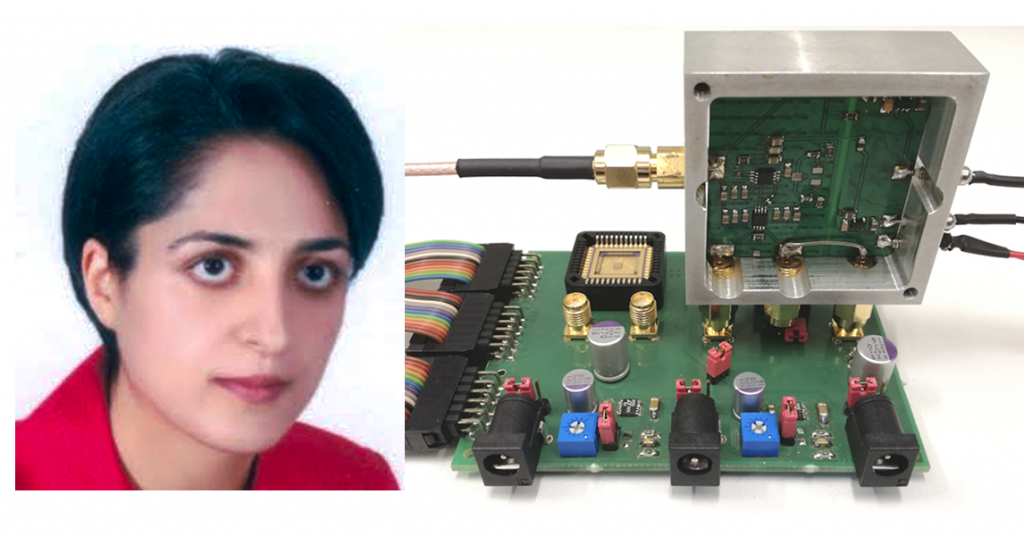
    <div class="html-content"><img width="1024" height="536" src="https://www.csee.umbc.edu/wp-content/uploads/2020/04/nk_career-1024x536.png" alt="" style="max-width: 100%; height: auto;">Professor Karimi and a custom measurement board developed by her collaborators at the University of Buchum, Germany that is being used to test a 65 nm application-specific integrated circuit sample<p>


      <br>
    </p><h1><strong>Investigating the Impact of Device Aging on the Security of Cryptographic Chips</strong></h1><p>
      <br>


    </p><p>Professor <a href="https://www.csee.umbc.edu/~nkarimi/" rel="nofollow external" class="bo">Naghmeh Karimi</a> received a prestigious NSF CAREER <a href="https://www.nsf.gov/awardsearch/showAward?AWD_ID=1943224" rel="nofollow external" class="bo">award</a> to support her research on Investigating the impact of device aging on the security of cryptographic chips.</p><p>CAREER awards are among NFS’s most prestigious awards and are intended to support early-career faculty who have the potential to serve as academic role models in research and education and to lead advances in the mission of their department or organization.</p><p><a href="https://en.wikipedia.org/wiki/Secure_cryptoprocessor" rel="nofollow external" class="bo">Cryptographic chips</a> implement cryptographic functions in hardware for better performance. Despite the significant performance benefits, cryptographic chips can be compromised by the adversaries via monitoring their power-consumption, tampering their logic or placing the chips under stress to generate erroneous outputs to infer sensitive data. The current protections against such attacks do not consider the aging of the devices that can cause a parametric shift of device parameters over time which can compromise device security.</p><p>Supported by this five-year award, Professor Karimi and her students will investigate the effects of device aging on the security of cryptographic devices, particularly those with protection against physical attacks, and develop solutions to ensure security when device aging comes into account.  Her work will help enable the development of long-lasting security for trusted hardware platforms, and result in aging-resistant security solutions that benefit the society via devices that remain secure over their lifetime.</p>
    <p>The post <a href="https://www.csee.umbc.edu/2020/04/prof-naghmeh-karimi-receives-nsf-career-award-for-research-on-the-security-of-cryptographic-chips/" rel="nofollow external" class="bo">Prof. Naghmeh Karimi receives NSF CAREER award for research on the security of cryptographic chips</a> appeared first on <a href="https://www.csee.umbc.edu" rel="nofollow external" class="bo">Department of Computer Science and Electrical Engineering</a>.</p></div>
]]>
</Body>
<Summary>Professor Karimi and a custom measurement board developed by her collaborators at the University of Buchum, Germany that is being used to test a 65 nm application-specific integrated circuit...</Summary>
<Website>https://www.csee.umbc.edu/2020/04/prof-naghmeh-karimi-receives-nsf-career-award-for-research-on-the-security-of-cryptographic-chips/</Website>
<TrackingUrl>https://beta.my.umbc.edu/api/v0/pixel/news/91866/guest@my.umbc.edu/fea8ee82fd9fa8dfa31576a865a16e24/api/pixel</TrackingUrl>
<Tag>computer-engineering</Tag>
<Tag>cryptographic-chips</Tag>
<Tag>cybersecurity</Tag>
<Tag>device-aging</Tag>
<Tag>faculty-and-staff</Tag>
<Tag>hardware-security</Tag>
<Tag>news</Tag>
<Tag>research</Tag>
<Tag>research-awards</Tag>
<Group token="cybersecurity">UMBC Cybersecurity Institute Group</Group>
<GroupUrl>https://beta.my.umbc.edu/groups/cybersecurity</GroupUrl>
<AvatarUrl>https://assets3-beta.my.umbc.edu/system/shared/avatars/groups/000/000/485/196da6a7ec6f4c31eab2e474c17a9ab7/xsmall.png?1734891477</AvatarUrl>
<AvatarUrl size="original">https://assets3-beta.my.umbc.edu/system/shared/avatars/groups/000/000/485/196da6a7ec6f4c31eab2e474c17a9ab7/original.png?1734891477</AvatarUrl>
<AvatarUrl size="xxlarge">https://assets4-beta.my.umbc.edu/system/shared/avatars/groups/000/000/485/196da6a7ec6f4c31eab2e474c17a9ab7/xxlarge.png?1734891477</AvatarUrl>
<AvatarUrl size="xlarge">https://assets4-beta.my.umbc.edu/system/shared/avatars/groups/000/000/485/196da6a7ec6f4c31eab2e474c17a9ab7/xlarge.png?1734891477</AvatarUrl>
<AvatarUrl size="large">https://assets2-beta.my.umbc.edu/system/shared/avatars/groups/000/000/485/196da6a7ec6f4c31eab2e474c17a9ab7/large.png?1734891477</AvatarUrl>
<AvatarUrl size="medium">https://assets3-beta.my.umbc.edu/system/shared/avatars/groups/000/000/485/196da6a7ec6f4c31eab2e474c17a9ab7/medium.png?1734891477</AvatarUrl>
<AvatarUrl size="small">https://assets3-beta.my.umbc.edu/system/shared/avatars/groups/000/000/485/196da6a7ec6f4c31eab2e474c17a9ab7/small.png?1734891477</AvatarUrl>
<AvatarUrl size="xsmall">https://assets3-beta.my.umbc.edu/system/shared/avatars/groups/000/000/485/196da6a7ec6f4c31eab2e474c17a9ab7/xsmall.png?1734891477</AvatarUrl>
<AvatarUrl size="xxsmall">https://assets3-beta.my.umbc.edu/system/shared/avatars/groups/000/000/485/196da6a7ec6f4c31eab2e474c17a9ab7/xxsmall.png?1734891477</AvatarUrl>
<Sponsor>UMBC Center for Cybersecurity</Sponsor>
<PawCount>1</PawCount>
<CommentCount>0</CommentCount>
<CommentsAllowed>false</CommentsAllowed>
<PostedAt>Mon, 06 Apr 2020 12:14:01 -0400</PostedAt>
<EditAt>Mon, 06 Apr 2020 12:14:01 -0400</EditAt>
</NewsItem>

<NewsItem contentIssues="true" id="80259" important="false" status="posted" url="https://beta.my.umbc.edu/groups/cybersecurity/posts/80259">
<Title>UMBC&#8217;s Alan Sherman and colleagues receive over $5M in NSF support for cybersecurity education</Title>
<Body>
<![CDATA[
    <div class="html-content"><p><br>
    </p>
    <h1><a href="https://www.csee.umbc.edu/wp-content/uploads/2018/11/Sherman-Forno-NSF-5116-1920x768.jpg" rel="nofollow external" class="bo"><img src="https://www.csee.umbc.edu/wp-content/uploads/2018/11/Sherman-Forno-NSF-5116-1920x768-1024x410.jpg" alt="" style="max-width: 100%; height: auto;"></a></h1>
    <p></p><strong>
    <h1>UMBC’s Alan Sherman and colleagues receive over $5M in NSF support for cybersecurity education</h1>
    </strong><p><br>
    The National Science Foundation recently awarded <strong>Alan Sherman</strong>, professor of computer science and electrical engineering (CSEE), and his colleagues, two grants totaling over five million dollars to support students and research at UMBC.</p>
    <p><strong>Tools to assess learning</strong></p>
    <p>One of the two NSF grants asks the question, what is the most effective way to teach cybersecurity—with competitions, games, hands-on experiences, or other techniques? Through this award, Sherman and colleagues will focus on developing evidence-based tools to assess the effectiveness of various approaches to teaching cybersecurity.</p>
    <p>Sherman is working with <strong>Dhananjay Phatak</strong>, associate professor of CSEE; <strong>Linda Oliva</strong>, assistant professor of education; and collaborators at the University of Illinois at Urbana-Champaign to create two educational Cybersecurity Assessment Tools (CATS) that assesses a student’s conceptual understanding of cybersecurity. The first tool will be a concept inventory for students in any first course in cybersecurity. The second will be for students graduating from college who will be entering a career in cybersecurity.</p>
    <p><strong>Training future cybersecurity professionals</strong></p>
    <p>Sherman was awarded more than $4.9 million over five years through NSF’s CyberCorps: Scholarship for Service (SFS) program. The program is designed to increase the number of cybersecurity professionals that are trained to enter careers in government, focused on protecting the nation’s information, communications, and computer systems. <strong>Rick Forno</strong>, assistant director of UMBC’s Center for Cybersecurity, is co-PI on the new SFS program grant, as well as UMBC’s prior SFS awards.</p>
    <p>This funding will allow Sherman to extend the work that he began with support from his previous NSF CyberCorps grant, which ends in August 2019. The Scholarship for Service program at UMBC will support 34 students who are pursuing degrees at the undergraduate and graduate levels in computer science, computer engineering, information systems, cybersecurity, and other cyber-related programs.</p>
    <p>The grant funding will also allow Sherman to develop stronger connections with two community colleges in Maryland. Each year, one student graduating from Montgomery College and one student graduating from Prince George’s Community College will be selected to participate in the program beginning in their last year at community college, and continuing through their transfer to UMBC to complete their four-year degree. This collaboration will continue to strengthen the talent pipeline and increase the number of cybersecurity professionals who pursue public service careers.</p>
    <p><strong>The scholar experience</strong></p>
    <p>The SFS program and other cybersecurity education initiative help students develop their abilities to be prudent, thoughtful, and strategic in “managing trust and information in an adversarial cyber world.” Sherman explains, “Students must also pay careful attention to details and master relevant technical knowledge and skills, such as cryptology, network protocols, system design, and secure programming.”</p>
    <p>Each student who receives a scholarship completes a summer internship with a government agency at the local, state, federal, or tribal level. Each recipient is also required to complete government service in a cybersecurity-related position in their field after graduation.</p>
    <p>Based on a cohort model, the UMBC program encourages the SFS scholars to learn from each other and to engage in cybersecurity research on campus, such as through Sherman’s Cyber Defense Lab. Each January, the scholars complete a week-long collaborative research project in which they analyze a specific aspect of the security of UMBC’s computer system.</p>
    <p>“As we enter the next five years of this grant, UMBC’s SFS program remains a unique, robust opportunity for students to explore the wide range of possibilities in the cybersecurity discipline,” explains Forno. “It allows them to fully prepare for and commit themselves to entering the federal cyber workforce, and make a difference on Day One no matter where they begin their careers in the service of our nation.”</p>
    <p><em>Adapted from a <a href="https://news.umbc.edu/umbcs-alan-sherman-and-colleagues-receive-over-5m-in-nsf-support-for-cybersecurity-education/" rel="nofollow external" class="bo">UMBC News article</a> by Megan Hanks. Banner image: Rick Forno, left, and Alan Sherman. Photo by Marlayna Demond ’11 for UMBC.</em></p>
    <p>The post <a href="https://www.csee.umbc.edu/2018/11/umbc-alan-sherman-award-nsf-cybersecurity-education-cybercorps-scholarship-service/" rel="nofollow external" class="bo">UMBC’s Alan Sherman and colleagues receive over $5M in NSF support for cybersecurity education</a> appeared first on <a href="https://www.csee.umbc.edu" rel="nofollow external" class="bo">Department of Computer Science and Electrical Engineering</a>.</p></div>
]]>
</Body>
<Summary>UMBC’s Alan Sherman and colleagues receive over $5M in NSF support for cybersecurity education     The National Science Foundation recently awarded Alan Sherman, professor of computer science and...</Summary>

<Website>https://www.csee.umbc.edu/2018/11/umbc-alan-sherman-award-nsf-cybersecurity-education-cybercorps-scholarship-service/</Website>
<TrackingUrl>https://beta.my.umbc.edu/api/v0/pixel/news/80259/guest@my.umbc.edu/8ca7c108e9ea38d599ae2d46386b7a36/api/pixel</TrackingUrl>
<Tag>cybersecurity</Tag>
<Tag>news</Tag>
<Tag>research</Tag>
<Tag>research-awards</Tag>
<Group token="cybersecurity">UMBC Cybersecurity Institute Group</Group>
<GroupUrl>https://beta.my.umbc.edu/groups/cybersecurity</GroupUrl>
<AvatarUrl>https://assets3-beta.my.umbc.edu/system/shared/avatars/groups/000/000/485/196da6a7ec6f4c31eab2e474c17a9ab7/xsmall.png?1734891477</AvatarUrl>
<AvatarUrl size="original">https://assets3-beta.my.umbc.edu/system/shared/avatars/groups/000/000/485/196da6a7ec6f4c31eab2e474c17a9ab7/original.png?1734891477</AvatarUrl>
<AvatarUrl size="xxlarge">https://assets4-beta.my.umbc.edu/system/shared/avatars/groups/000/000/485/196da6a7ec6f4c31eab2e474c17a9ab7/xxlarge.png?1734891477</AvatarUrl>
<AvatarUrl size="xlarge">https://assets4-beta.my.umbc.edu/system/shared/avatars/groups/000/000/485/196da6a7ec6f4c31eab2e474c17a9ab7/xlarge.png?1734891477</AvatarUrl>
<AvatarUrl size="large">https://assets2-beta.my.umbc.edu/system/shared/avatars/groups/000/000/485/196da6a7ec6f4c31eab2e474c17a9ab7/large.png?1734891477</AvatarUrl>
<AvatarUrl size="medium">https://assets3-beta.my.umbc.edu/system/shared/avatars/groups/000/000/485/196da6a7ec6f4c31eab2e474c17a9ab7/medium.png?1734891477</AvatarUrl>
<AvatarUrl size="small">https://assets3-beta.my.umbc.edu/system/shared/avatars/groups/000/000/485/196da6a7ec6f4c31eab2e474c17a9ab7/small.png?1734891477</AvatarUrl>
<AvatarUrl size="xsmall">https://assets3-beta.my.umbc.edu/system/shared/avatars/groups/000/000/485/196da6a7ec6f4c31eab2e474c17a9ab7/xsmall.png?1734891477</AvatarUrl>
<AvatarUrl size="xxsmall">https://assets3-beta.my.umbc.edu/system/shared/avatars/groups/000/000/485/196da6a7ec6f4c31eab2e474c17a9ab7/xxsmall.png?1734891477</AvatarUrl>
<Sponsor>UMBC Center for Cybersecurity</Sponsor>
<PawCount>0</PawCount>
<CommentCount>0</CommentCount>
<CommentsAllowed>true</CommentsAllowed>
<PostedAt>Sun, 11 Nov 2018 09:06:35 -0500</PostedAt>
<EditAt>Sun, 11 Nov 2018 09:06:35 -0500</EditAt>
</NewsItem>

</News>