<?xml version="1.0"?>
<News hasArchived="true" page="1" pageCount="5" pageSize="10" timestamp="Mon, 20 Apr 2026 14:32:47 -0400" url="https://beta.my.umbc.edu/groups/cybersecurity/posts.xml?tag=events">
<NewsItem contentIssues="true" id="119318" important="false" status="posted" url="https://beta.my.umbc.edu/groups/cybersecurity/posts/119318">
<Title>talk: More holes than cheese: Vulnerabilities of the e-voting system used in the 2022 French presidential election</Title>
<Body>
<![CDATA[
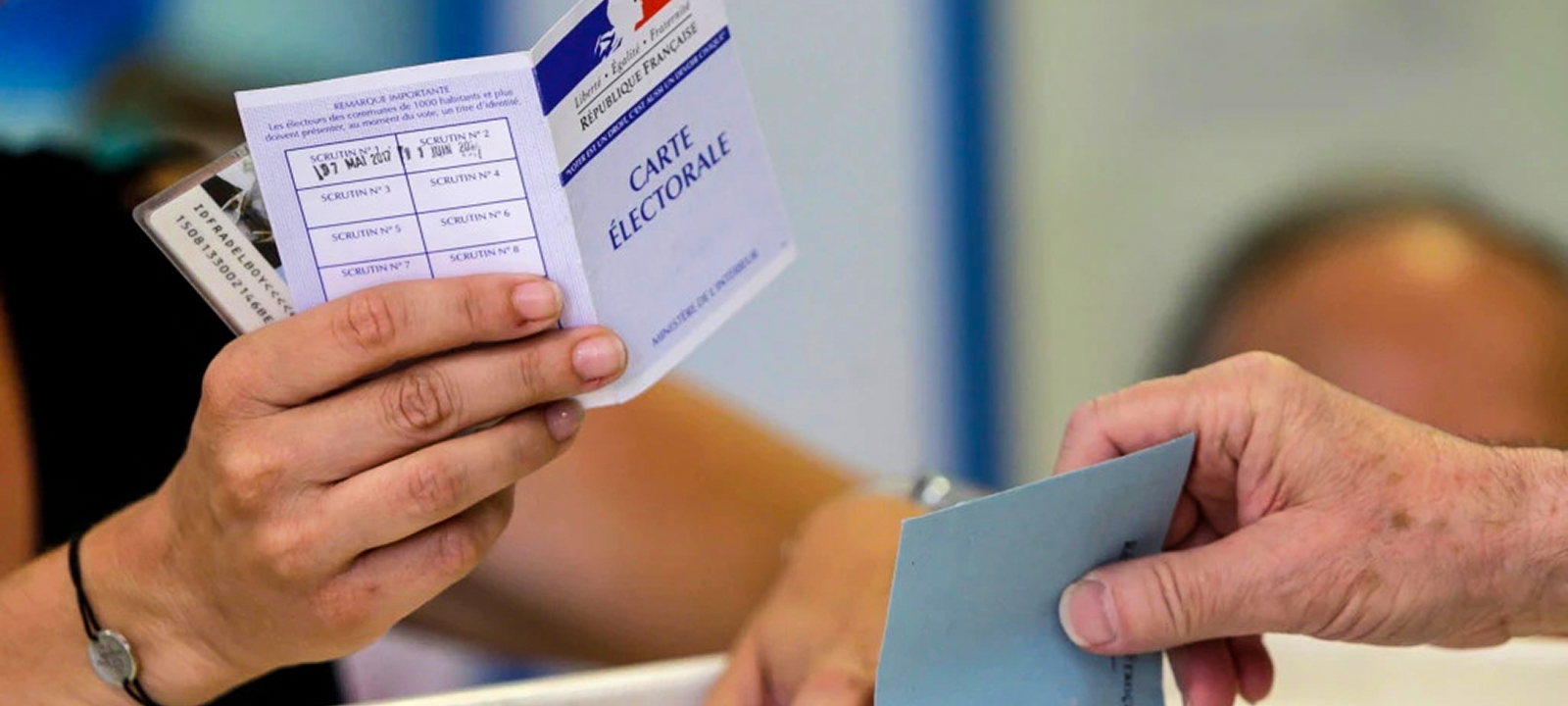
    <div class="html-content"><a href="https://www.csee.umbc.edu/wp-content/uploads/2022/05/french_election_22.jpg" rel="nofollow external" class="bo"><img width="1024" height="461" src="https://www.csee.umbc.edu/wp-content/uploads/2022/05/french_election_22-1024x461.jpg" alt="" style="max-width: 100%; height: auto;"></a>The Neovote e-voting system was used for three of the five primaries in the French 2022 presidential election<h3><strong>The UMBC Cyber Defense Lab presents</strong></h3><h2><strong>More holes than cheese: <br>Vulnerabilities of the e-voting system<br>used in the 2022 French presidential election</strong></h2><h2><strong><a href="https://www.koliaza.com/" rel="nofollow external" class="bo">Enka Blanchard</a></strong></h2><h4><strong>CNRS, Laboratory of Industrial and Human Automation, Mechanics and Computer Science, Université Polytechnique Hauts-de-France, and CNRS Center for Internet and Society</strong></h4><h3><strong>12–1 pm</strong> ET Friday, 13 May 2022 via <a href="https://umbc.webex.com/meet/sherman" rel="nofollow external" class="bo">WebEx</a></h3><p><strong>(joint work with Antoine Gallais, Emmanuel Leblond, Djohar Sidhoum-Rahal, and Juliette Walter)</strong></p><p>This talk will present the first security and privacy analysis of the <strong>Neovote e-voting system</strong>, which was used for three of the five primaries in the French 2022 presidential election. Based on information gathered by a whistle-blower (now a member of the team) and analyses made by our team during the last online vote in January 2022, I will show that the demands of transparency, verifiability, and security set by French governmental organizations were not met. I will then propose multiple attacks against the system targeting both the breach of voters’ privacy and the manipulation of the tally. I will also show how inconsistencies in the verification system allow the publication of erroneous tallies and document how this arrived in practice during one of the primary elections. Finally, I will discuss the complex institutional and legal frameworks as well as the social considerations that allow systems like this one to flourish.</p><p><strong><a href="https://www.koliaza.com/" rel="nofollow external" class="bo">Dr. Enka Blanchard</a></strong> is a transdisciplinary permanent researcher working for the French National Centre for Scientific Research. A significant fraction of their work concerns the social and psychological aspects of security, especially when it comes to voting systems, on which they frequently collaborate with Ted Selker and Alan Sherman of UMBC. Prior to this, they were a post-doctoral fellow in the Digitrust Project of the University of Lorraine. Their research and contact information is available on their website: <a href="https://www.koliaza.com/" rel="nofollow external" class="bo">koliaza.com</a></p><p>Host: Alan T. Sherman, *protected email* Support for this event was provided in part by the National Science Foundation under SFS grant DGE-1753681. The UMBC Cyber Defense Lab meets biweekly Fridays 12-1 pm. All meetings are open to the public. CDL meetings will resume in fall 2022.</p>
    <p>The post <a href="https://www.csee.umbc.edu/2022/05/talk-more-holes-than-cheese-vulnerabilities-of-the-e-voting-system-used-in-the-2022-french-presidential-election/" rel="nofollow external" class="bo">talk: More holes than cheese: Vulnerabilities of the e-voting system used in the 2022 French presidential election</a> appeared first on <a href="https://www.csee.umbc.edu" rel="nofollow external" class="bo">Department of Computer Science and Electrical Engineering</a>.</p></div>
]]>
</Body>
<Summary>The Neovote e-voting system was used for three of the five primaries in the French 2022 presidential election The UMBC Cyber Defense Lab presents  More holes than cheese:  Vulnerabilities of the...</Summary>
<Website>https://www.csee.umbc.edu/2022/05/talk-more-holes-than-cheese-vulnerabilities-of-the-e-voting-system-used-in-the-2022-french-presidential-election/</Website>
<TrackingUrl>https://beta.my.umbc.edu/api/v0/pixel/news/119318/guest@my.umbc.edu/d22e070605c2fe2a0a7aa029ab1cf78c/api/pixel</TrackingUrl>
<Tag>cybersecurity</Tag>
<Tag>events</Tag>
<Tag>talks</Tag>
<Group token="cybersecurity">UMBC Cybersecurity Institute Group</Group>
<GroupUrl>https://beta.my.umbc.edu/groups/cybersecurity</GroupUrl>
<AvatarUrl>https://assets3-beta.my.umbc.edu/system/shared/avatars/groups/000/000/485/196da6a7ec6f4c31eab2e474c17a9ab7/xsmall.png?1734891477</AvatarUrl>
<AvatarUrl size="original">https://assets3-beta.my.umbc.edu/system/shared/avatars/groups/000/000/485/196da6a7ec6f4c31eab2e474c17a9ab7/original.png?1734891477</AvatarUrl>
<AvatarUrl size="xxlarge">https://assets4-beta.my.umbc.edu/system/shared/avatars/groups/000/000/485/196da6a7ec6f4c31eab2e474c17a9ab7/xxlarge.png?1734891477</AvatarUrl>
<AvatarUrl size="xlarge">https://assets4-beta.my.umbc.edu/system/shared/avatars/groups/000/000/485/196da6a7ec6f4c31eab2e474c17a9ab7/xlarge.png?1734891477</AvatarUrl>
<AvatarUrl size="large">https://assets2-beta.my.umbc.edu/system/shared/avatars/groups/000/000/485/196da6a7ec6f4c31eab2e474c17a9ab7/large.png?1734891477</AvatarUrl>
<AvatarUrl size="medium">https://assets3-beta.my.umbc.edu/system/shared/avatars/groups/000/000/485/196da6a7ec6f4c31eab2e474c17a9ab7/medium.png?1734891477</AvatarUrl>
<AvatarUrl size="small">https://assets3-beta.my.umbc.edu/system/shared/avatars/groups/000/000/485/196da6a7ec6f4c31eab2e474c17a9ab7/small.png?1734891477</AvatarUrl>
<AvatarUrl size="xsmall">https://assets3-beta.my.umbc.edu/system/shared/avatars/groups/000/000/485/196da6a7ec6f4c31eab2e474c17a9ab7/xsmall.png?1734891477</AvatarUrl>
<AvatarUrl size="xxsmall">https://assets3-beta.my.umbc.edu/system/shared/avatars/groups/000/000/485/196da6a7ec6f4c31eab2e474c17a9ab7/xxsmall.png?1734891477</AvatarUrl>
<Sponsor>UMBC Center for Cybersecurity</Sponsor>
<PawCount>0</PawCount>
<CommentCount>0</CommentCount>
<CommentsAllowed>false</CommentsAllowed>
<PostedAt>Mon, 09 May 2022 21:12:33 -0400</PostedAt>
<EditAt>Mon, 09 May 2022 21:12:33 -0400</EditAt>
</NewsItem>

<NewsItem contentIssues="true" id="129850" important="false" status="posted" url="https://beta.my.umbc.edu/groups/cybersecurity/posts/129850">
<Title>talk: More holes than cheese: Vulnerabilities of the e-voting system used in the 2022 French presidential election</Title>
<Body>
<![CDATA[
    <div class="html-content"><a href="https://www.csee.umbc.edu/wp-content/uploads/2022/05/french_election_22.jpg" rel="nofollow external" class="bo"><img src="https://www.csee.umbc.edu/wp-content/uploads/2022/05/french_election_22-1024x461.jpg" alt="" style="max-width: 100%; height: auto;"></a>The Neovote e-voting system was used for three of the five primaries in the French 2022 presidential election<h3><strong>The UMBC Cyber Defense Lab presents</strong></h3><h2><strong>More holes than cheese: <br>Vulnerabilities of the e-voting system<br>used in the 2022 French presidential election</strong></h2><h2><strong><a href="https://www.koliaza.com/" rel="nofollow external" class="bo">Enka Blanchard</a></strong></h2><h4><strong>CNRS, Laboratory of Industrial and Human Automation, Mechanics and Computer Science, Université Polytechnique Hauts-de-France, and CNRS Center for Internet and Society</strong></h4><h3><strong>12–1 pm</strong> ET Friday, 13 May 2022 via <a href="https://umbc.webex.com/meet/sherman" rel="nofollow external" class="bo">WebEx</a></h3><p><strong>(joint work with Antoine Gallais, Emmanuel Leblond, Djohar Sidhoum-Rahal, and Juliette Walter)</strong></p><p>This talk will present the first security and privacy analysis of the <strong>Neovote e-voting system</strong>, which was used for three of the five primaries in the French 2022 presidential election. Based on information gathered by a whistle-blower (now a member of the team) and analyses made by our team during the last online vote in January 2022, I will show that the demands of transparency, verifiability, and security set by French governmental organizations were not met. I will then propose multiple attacks against the system targeting both the breach of voters’ privacy and the manipulation of the tally. I will also show how inconsistencies in the verification system allow the publication of erroneous tallies and document how this arrived in practice during one of the primary elections. Finally, I will discuss the complex institutional and legal frameworks as well as the social considerations that allow systems like this one to flourish.</p><p><strong><a href="https://www.koliaza.com/" rel="nofollow external" class="bo">Dr. Enka Blanchard</a></strong> is a transdisciplinary permanent researcher working for the French National Centre for Scientific Research. A significant fraction of their work concerns the social and psychological aspects of security, especially when it comes to voting systems, on which they frequently collaborate with Ted Selker and Alan Sherman of UMBC. Prior to this, they were a post-doctoral fellow in the Digitrust Project of the University of Lorraine. Their research and contact information is available on their website: <a href="https://www.koliaza.com/" rel="nofollow external" class="bo">koliaza.com</a></p><p>Host: Alan T. Sherman, <a href="mailto:sherman@umbc.edu">sherman@umbc.edu</a>. Support for this event was provided in part by the National Science Foundation under SFS grant DGE-1753681. The UMBC Cyber Defense Lab meets biweekly Fridays 12-1 pm. All meetings are open to the public. CDL meetings will resume in fall 2022.</p>
    <p>The post <a href="https://redirect.cs.umbc.edu/2022/05/talk-more-holes-than-cheese-vulnerabilities-of-the-e-voting-system-used-in-the-2022-french-presidential-election/" rel="nofollow external" class="bo">talk: More holes than cheese: Vulnerabilities of the e-voting system used in the 2022 French presidential election</a> appeared first on <a href="https://redirect.cs.umbc.edu" rel="nofollow external" class="bo">Department of Computer Science and Electrical Engineering</a>.</p></div>
]]>
</Body>
<Summary>The Neovote e-voting system was used for three of the five primaries in the French 2022 presidential election The UMBC Cyber Defense Lab presents  More holes than cheese:  Vulnerabilities of the...</Summary>
<Website>https://redirect.cs.umbc.edu/2022/05/talk-more-holes-than-cheese-vulnerabilities-of-the-e-voting-system-used-in-the-2022-french-presidential-election/</Website>
<TrackingUrl>https://beta.my.umbc.edu/api/v0/pixel/news/129850/guest@my.umbc.edu/d257b8507ff3e35c560c263743befc73/api/pixel</TrackingUrl>
<Tag>cybersecurity</Tag>
<Tag>events</Tag>
<Tag>talks</Tag>
<Group token="cybersecurity">UMBC Cybersecurity Institute Group</Group>
<GroupUrl>https://beta.my.umbc.edu/groups/cybersecurity</GroupUrl>
<AvatarUrl>https://assets3-beta.my.umbc.edu/system/shared/avatars/groups/000/000/485/196da6a7ec6f4c31eab2e474c17a9ab7/xsmall.png?1734891477</AvatarUrl>
<AvatarUrl size="original">https://assets3-beta.my.umbc.edu/system/shared/avatars/groups/000/000/485/196da6a7ec6f4c31eab2e474c17a9ab7/original.png?1734891477</AvatarUrl>
<AvatarUrl size="xxlarge">https://assets4-beta.my.umbc.edu/system/shared/avatars/groups/000/000/485/196da6a7ec6f4c31eab2e474c17a9ab7/xxlarge.png?1734891477</AvatarUrl>
<AvatarUrl size="xlarge">https://assets4-beta.my.umbc.edu/system/shared/avatars/groups/000/000/485/196da6a7ec6f4c31eab2e474c17a9ab7/xlarge.png?1734891477</AvatarUrl>
<AvatarUrl size="large">https://assets2-beta.my.umbc.edu/system/shared/avatars/groups/000/000/485/196da6a7ec6f4c31eab2e474c17a9ab7/large.png?1734891477</AvatarUrl>
<AvatarUrl size="medium">https://assets3-beta.my.umbc.edu/system/shared/avatars/groups/000/000/485/196da6a7ec6f4c31eab2e474c17a9ab7/medium.png?1734891477</AvatarUrl>
<AvatarUrl size="small">https://assets3-beta.my.umbc.edu/system/shared/avatars/groups/000/000/485/196da6a7ec6f4c31eab2e474c17a9ab7/small.png?1734891477</AvatarUrl>
<AvatarUrl size="xsmall">https://assets3-beta.my.umbc.edu/system/shared/avatars/groups/000/000/485/196da6a7ec6f4c31eab2e474c17a9ab7/xsmall.png?1734891477</AvatarUrl>
<AvatarUrl size="xxsmall">https://assets3-beta.my.umbc.edu/system/shared/avatars/groups/000/000/485/196da6a7ec6f4c31eab2e474c17a9ab7/xxsmall.png?1734891477</AvatarUrl>
<Sponsor>UMBC Center for Cybersecurity</Sponsor>
<PawCount>0</PawCount>
<CommentCount>0</CommentCount>
<CommentsAllowed>false</CommentsAllowed>
<PostedAt>Mon, 09 May 2022 21:12:33 -0400</PostedAt>
<EditAt>Mon, 09 May 2022 21:12:33 -0400</EditAt>
</NewsItem>

<NewsItem contentIssues="true" id="129852" important="false" status="posted" url="https://beta.my.umbc.edu/groups/cybersecurity/posts/129852">
<Title>talk: Model Validation for DARPA DPRIVE</Title>
<Body>
<![CDATA[
    <div class="html-content"><div><a href="https://www.csee.umbc.edu/wp-content/uploads/2022/04/Two-Six-Technologies-Home-Cybersecurity@2x.jpeg" rel="nofollow external" class="bo"><img src="https://www.csee.umbc.edu/wp-content/uploads/2022/04/Two-Six-Technologies-Home-Cybersecurity@2x-1024x512.jpeg" alt="" style="max-width: 100%; height: auto;"></a><h4><strong>The UMBC Cyber Defense Lab presents</strong></h4><h2><strong>Model Validation for DARPA DPRIVE</strong></h2><h2><strong>Ian Blumenfeld<br>UMBC and Two Six Technologies</strong></h2><h4>(joint work with Eric Bond, William Harrison, Chris Hathhorn, Paul Li, Matthew Torrence, and Jared Ziegler)</h4><h2><strong>12–1 pm ET, Friday 6 May 2022, via <a rel="nofollow external" class="bo">WebEx</a></strong><br></h2><p>Commodity hardware description languages (HDLs) like VHDL and Verilog present a challenge from a high assurance point of view because they lack formalized semantics: when a team of hardware engineers produces a circuit design in a commodity HDL and claims that it correctly implements a pseudocode algorithm, on what basis can that claim be evaluated? A formalized model of the circuit design may be painstakingly created (e.g., in the logic of a theorem prover), but how are the accuracy and faithfulness of that model then established? The distance between the widely adopted commodity HDLs and formal models of hardware has been a well-recognized and persistent impediment to driving formal methods into hardware development.</p><p>This talk presents a technique developed at Two Six Technologies, called model validation, that formally connects hardware design and its formal model via a functional, high-level synthesis language called ReWire. Model validation introduces a “model” program to bridge the gap between the hardware design and algorithm by establishing 1) the equivalence of the algorithm to the model and 2) the equivalence of the model to the circuit design. Equivalence between the algorithm and the ReWire model is verified with a ReWire semantics formalized in Isabelle. Equivalence between the ReWire model and the circuit design is established by producing binary circuits from each (using commodity synthesis tools and the ReWire compiler rwc) and then applying an automated binary equivalence checker.</p><p>This talk describes our experience applying model validation as part of the DARPA Data Protection in Virtual Environments (DPRIVE) program. DPRIVE aims to develop a novel hardware accelerator to ease computational challenges preventing widespread use of fully homomorphic encryption (FHE) that began with Gentry’s discovery and was improved upon in the PROCEED program. To this end, DPRIVE’s purpose is to design hardware accelerators to improve upon the existing algorithmic gains to FHE. Model validation through ReWire moves formal methods into the practical world, empowering hardware designers to reason about the correctness, safety, and security properties of their designs. In addition, we expect our pipeline to protect hardware supply chains by allowing for a full formal analysis of RTL implementations before tape out.</p><p><a href="https://www.linkedin.com/in/ian-blumenfeld-2bb68793/" rel="nofollow external" class="bo">Ian Blumenfeld</a> is the Research Director for Mathematics at Two Six Technologies.  In that role, he is a principal investigator on multiple DARPA programs, spanning the areas of formal methods, modern cryptography, and applied category theory.  Prior to his work at Two Six, Ian was a formal verification engineer at Apple, where he verified cryptographic properties of the iPhone secure enclave processor.  Ian has worked in roles in and around the federal research space for more than a decade, including five years as an applied research mathematician at the National Security Agency.  Ian is currently enrolled as a part-time Ph.D. student in the UMBC computer science department, working with Dr. Alan Sherman and Dr. Don Engel. Email: <a href="mailto:itblumenfeld@umbc.edu" rel="nofollow external" class="bo">itblumenfeld@umbc.edu</a></p><p>Host: Alan T. Sherman, <a href="mailto:sherman@umbc.edu" rel="nofollow external" class="bo">sherman@umbc.edu</a>. Support for this event was provided in part by the National Science Foundation under SFS grant DGE-1753681. The UMBC Cyber Defense Lab meets biweekly Fridays 12-1pm. All meetings are open to the public. Upcoming CDL Meeting: May 13, Enka Blanchard (Digitrust Loria, France)</p></div>
    <p>The post <a href="https://redirect.cs.umbc.edu/2022/04/talk-model-validation-for-darpa-dprive/" rel="nofollow external" class="bo">talk: Model Validation for DARPA DPRIVE</a> appeared first on <a href="https://redirect.cs.umbc.edu" rel="nofollow external" class="bo">Department of Computer Science and Electrical Engineering</a>.</p></div>
]]>
</Body>
<Summary>The UMBC Cyber Defense Lab presents  Model Validation for DARPA DPRIVE  Ian Blumenfeld UMBC and Two Six Technologies  (joint work with Eric Bond, William Harrison, Chris Hathhorn, Paul Li, Matthew...</Summary>
<Website>https://redirect.cs.umbc.edu/2022/04/talk-model-validation-for-darpa-dprive/</Website>
<TrackingUrl>https://beta.my.umbc.edu/api/v0/pixel/news/129852/guest@my.umbc.edu/7704c7d104dc778066f2ef8af899762e/api/pixel</TrackingUrl>
<Tag>computer-engineering</Tag>
<Tag>computer-science</Tag>
<Tag>cybersecurity</Tag>
<Tag>events</Tag>
<Tag>research</Tag>
<Tag>talks</Tag>
<Tag>uncategorized</Tag>
<Group token="cybersecurity">UMBC Cybersecurity Institute Group</Group>
<GroupUrl>https://beta.my.umbc.edu/groups/cybersecurity</GroupUrl>
<AvatarUrl>https://assets3-beta.my.umbc.edu/system/shared/avatars/groups/000/000/485/196da6a7ec6f4c31eab2e474c17a9ab7/xsmall.png?1734891477</AvatarUrl>
<AvatarUrl size="original">https://assets3-beta.my.umbc.edu/system/shared/avatars/groups/000/000/485/196da6a7ec6f4c31eab2e474c17a9ab7/original.png?1734891477</AvatarUrl>
<AvatarUrl size="xxlarge">https://assets4-beta.my.umbc.edu/system/shared/avatars/groups/000/000/485/196da6a7ec6f4c31eab2e474c17a9ab7/xxlarge.png?1734891477</AvatarUrl>
<AvatarUrl size="xlarge">https://assets4-beta.my.umbc.edu/system/shared/avatars/groups/000/000/485/196da6a7ec6f4c31eab2e474c17a9ab7/xlarge.png?1734891477</AvatarUrl>
<AvatarUrl size="large">https://assets2-beta.my.umbc.edu/system/shared/avatars/groups/000/000/485/196da6a7ec6f4c31eab2e474c17a9ab7/large.png?1734891477</AvatarUrl>
<AvatarUrl size="medium">https://assets3-beta.my.umbc.edu/system/shared/avatars/groups/000/000/485/196da6a7ec6f4c31eab2e474c17a9ab7/medium.png?1734891477</AvatarUrl>
<AvatarUrl size="small">https://assets3-beta.my.umbc.edu/system/shared/avatars/groups/000/000/485/196da6a7ec6f4c31eab2e474c17a9ab7/small.png?1734891477</AvatarUrl>
<AvatarUrl size="xsmall">https://assets3-beta.my.umbc.edu/system/shared/avatars/groups/000/000/485/196da6a7ec6f4c31eab2e474c17a9ab7/xsmall.png?1734891477</AvatarUrl>
<AvatarUrl size="xxsmall">https://assets3-beta.my.umbc.edu/system/shared/avatars/groups/000/000/485/196da6a7ec6f4c31eab2e474c17a9ab7/xxsmall.png?1734891477</AvatarUrl>
<Sponsor>UMBC Center for Cybersecurity</Sponsor>
<PawCount>0</PawCount>
<CommentCount>0</CommentCount>
<CommentsAllowed>false</CommentsAllowed>
<PostedAt>Thu, 28 Apr 2022 09:57:22 -0400</PostedAt>
<EditAt>Thu, 28 Apr 2022 09:57:22 -0400</EditAt>
</NewsItem>

<NewsItem contentIssues="true" id="118993" important="false" status="posted" url="https://beta.my.umbc.edu/groups/cybersecurity/posts/118993">
<Title>talk: Model Validation for DARPA DPRIVE</Title>
<Body>
<![CDATA[
    <div class="html-content"><div><a href="https://www.csee.umbc.edu/wp-content/uploads/2022/04/*protected%20email*" rel="nofollow external" class="bo"><img width="1024" height="512" src="https://www.csee.umbc.edu/wp-content/uploads/2022/04/*protected%20email*" alt="" style="max-width: 100%; height: auto;"></a><h4><strong>The UMBC Cyber Defense Lab presents</strong></h4><h2><strong>Model Validation for DARPA DPRIVE</strong></h2><h2><strong>Ian Blumenfeld<br>UMBC and Two Six Technologies</strong></h2><h4>(joint work with Eric Bond, William Harrison, Chris Hathhorn, Paul Li, Matthew Torrence, and Jared Ziegler)</h4><h2><strong>12–1 pm ET, Friday 6 May 2022, via <a rel="nofollow external" class="bo">WebEx</a></strong><br></h2><p>Commodity hardware description languages (HDLs) like VHDL and Verilog present a challenge from a high assurance point of view because they lack formalized semantics: when a team of hardware engineers produces a circuit design in a commodity HDL and claims that it correctly implements a pseudocode algorithm, on what basis can that claim be evaluated? A formalized model of the circuit design may be painstakingly created (e.g., in the logic of a theorem prover), but how are the accuracy and faithfulness of that model then established? The distance between the widely adopted commodity HDLs and formal models of hardware has been a well-recognized and persistent impediment to driving formal methods into hardware development.</p><p>This talk presents a technique developed at Two Six Technologies, called model validation, that formally connects hardware design and its formal model via a functional, high-level synthesis language called ReWire. Model validation introduces a “model” program to bridge the gap between the hardware design and algorithm by establishing 1) the equivalence of the algorithm to the model and 2) the equivalence of the model to the circuit design. Equivalence between the algorithm and the ReWire model is verified with a ReWire semantics formalized in Isabelle. Equivalence between the ReWire model and the circuit design is established by producing binary circuits from each (using commodity synthesis tools and the ReWire compiler rwc) and then applying an automated binary equivalence checker.</p><p>This talk describes our experience applying model validation as part of the DARPA Data Protection in Virtual Environments (DPRIVE) program. DPRIVE aims to develop a novel hardware accelerator to ease computational challenges preventing widespread use of fully homomorphic encryption (FHE) that began with Gentry’s discovery and was improved upon in the PROCEED program. To this end, DPRIVE’s purpose is to design hardware accelerators to improve upon the existing algorithmic gains to FHE. Model validation through ReWire moves formal methods into the practical world, empowering hardware designers to reason about the correctness, safety, and security properties of their designs. In addition, we expect our pipeline to protect hardware supply chains by allowing for a full formal analysis of RTL implementations before tape out.</p><p><a href="https://www.linkedin.com/in/ian-blumenfeld-2bb68793/" rel="nofollow external" class="bo">Ian Blumenfeld</a> is the Research Director for Mathematics at Two Six Technologies.  In that role, he is a principal investigator on multiple DARPA programs, spanning the areas of formal methods, modern cryptography, and applied category theory.  Prior to his work at Two Six, Ian was a formal verification engineer at Apple, where he verified cryptographic properties of the iPhone secure enclave processor.  Ian has worked in roles in and around the federal research space for more than a decade, including five years as an applied research mathematician at the National Security Agency.  Ian is currently enrolled as a part-time Ph.D. student in the UMBC computer science department, working with Dr. Alan Sherman and Dr. Don Engel. Email: *protected email*</p><p>Host: Alan T. Sherman, *protected email*. Support for this event was provided in part by the National Science Foundation under SFS grant DGE-1753681. The UMBC Cyber Defense Lab meets biweekly Fridays 12-1pm. All meetings are open to the public. Upcoming CDL Meeting: May 13, Enka Blanchard (Digitrust Loria, France)</p></div>
    <p>The post <a href="https://www.csee.umbc.edu/2022/04/talk-model-validation-for-darpa-dprive/" rel="nofollow external" class="bo">talk: Model Validation for DARPA DPRIVE</a> appeared first on <a href="https://www.csee.umbc.edu" rel="nofollow external" class="bo">Department of Computer Science and Electrical Engineering</a>.</p></div>
]]>
</Body>
<Summary>The UMBC Cyber Defense Lab presents  Model Validation for DARPA DPRIVE  Ian Blumenfeld UMBC and Two Six Technologies  (joint work with Eric Bond, William Harrison, Chris Hathhorn, Paul Li, Matthew...</Summary>
<Website>https://www.csee.umbc.edu/2022/04/talk-model-validation-for-darpa-dprive/</Website>
<TrackingUrl>https://beta.my.umbc.edu/api/v0/pixel/news/118993/guest@my.umbc.edu/a7bd1c976eabecaca996cf3cbe7c7efc/api/pixel</TrackingUrl>
<Tag>computer-engineering</Tag>
<Tag>computer-science</Tag>
<Tag>cybersecurity</Tag>
<Tag>events</Tag>
<Tag>research</Tag>
<Tag>talks</Tag>
<Tag>uncategorized</Tag>
<Group token="cybersecurity">UMBC Cybersecurity Institute Group</Group>
<GroupUrl>https://beta.my.umbc.edu/groups/cybersecurity</GroupUrl>
<AvatarUrl>https://assets3-beta.my.umbc.edu/system/shared/avatars/groups/000/000/485/196da6a7ec6f4c31eab2e474c17a9ab7/xsmall.png?1734891477</AvatarUrl>
<AvatarUrl size="original">https://assets3-beta.my.umbc.edu/system/shared/avatars/groups/000/000/485/196da6a7ec6f4c31eab2e474c17a9ab7/original.png?1734891477</AvatarUrl>
<AvatarUrl size="xxlarge">https://assets4-beta.my.umbc.edu/system/shared/avatars/groups/000/000/485/196da6a7ec6f4c31eab2e474c17a9ab7/xxlarge.png?1734891477</AvatarUrl>
<AvatarUrl size="xlarge">https://assets4-beta.my.umbc.edu/system/shared/avatars/groups/000/000/485/196da6a7ec6f4c31eab2e474c17a9ab7/xlarge.png?1734891477</AvatarUrl>
<AvatarUrl size="large">https://assets2-beta.my.umbc.edu/system/shared/avatars/groups/000/000/485/196da6a7ec6f4c31eab2e474c17a9ab7/large.png?1734891477</AvatarUrl>
<AvatarUrl size="medium">https://assets3-beta.my.umbc.edu/system/shared/avatars/groups/000/000/485/196da6a7ec6f4c31eab2e474c17a9ab7/medium.png?1734891477</AvatarUrl>
<AvatarUrl size="small">https://assets3-beta.my.umbc.edu/system/shared/avatars/groups/000/000/485/196da6a7ec6f4c31eab2e474c17a9ab7/small.png?1734891477</AvatarUrl>
<AvatarUrl size="xsmall">https://assets3-beta.my.umbc.edu/system/shared/avatars/groups/000/000/485/196da6a7ec6f4c31eab2e474c17a9ab7/xsmall.png?1734891477</AvatarUrl>
<AvatarUrl size="xxsmall">https://assets3-beta.my.umbc.edu/system/shared/avatars/groups/000/000/485/196da6a7ec6f4c31eab2e474c17a9ab7/xxsmall.png?1734891477</AvatarUrl>
<Sponsor>UMBC Center for Cybersecurity</Sponsor>
<PawCount>1</PawCount>
<CommentCount>0</CommentCount>
<CommentsAllowed>false</CommentsAllowed>
<PostedAt>Thu, 28 Apr 2022 09:57:22 -0400</PostedAt>
<EditAt>Thu, 28 Apr 2022 09:57:22 -0400</EditAt>
</NewsItem>

<NewsItem contentIssues="true" id="129853" important="false" status="posted" url="https://beta.my.umbc.edu/groups/cybersecurity/posts/129853">
<Title>Cybersecurity CTF competition starts 1pm Friday 4/29</Title>
<Body>
<![CDATA[
    <div class="html-content"><div><a href="https://www.csee.umbc.edu/wp-content/uploads/2022/04/justlogo3.png" rel="nofollow external" class="bo"><img src="https://www.csee.umbc.edu/wp-content/uploads/2022/04/justlogo3-1024x512.png" alt="" style="max-width: 100%; height: auto;"></a><p>The UMBC Cyberdawgs will host a 48-hour Jeopardy-style <a href="https://en.wikipedia.org/wiki/Capture_the_flag_(cybersecurity)" rel="nofollow external" class="bo">Capture The Flag</a> cybersecurity competition, online and in person for UMBC participants.</p><p>DawgCTF 2022 will be a Jeopardy-style CTF, so things are pretty simple.  Players register online, either in teams or alone. At 1300 EDT on April 29, 2022, the competition will open. Players will have access to a board of <em>challenges</em>, ranging from easy to nigh-impossible, and scored appropriately. Whoever earns the most points by solving challenges wins!  The in-person part of the event will take place in room 206 of the Public Policy Building.</p><p>The CTF will begin at <strong>1:00 PM EDT on Friday, April 29, 2022</strong>, and end at <strong>1:00 PM EDT on Sunday, May 1, 2022</strong>, for a total runtime of 48 hours. The maximum team size is <strong>four</strong>. There will be an in-person component <strong>for UMBC participants only</strong>.</p><p>At 8:00 PM on Friday, April 29<sup>th</sup> (7 hours after the start), we will give out some prizes to UMBC competitors, depending on their current position on the scoreboard at 8:00 PM. <strong>Only UMBC competitors will be eligible for these prizes.</strong> Don’t worry, they’ll be small prizes, mostly just for fun, and the clout and CTFtime credit will go to the “official” winners at competition closing time (1 pm on Sunday).</p><h2><strong>See the <a href="https://umbccd.net/" rel="nofollow external" class="bo">Dawg CTF 2022 site</a> to register, get more information, and  join the Discord server</strong>.</h2></div>
    <p>The post <a href="https://redirect.cs.umbc.edu/2022/04/cybersecurity-ctf-competition-starts-1pm-friday-4-29/" rel="nofollow external" class="bo">Cybersecurity CTF competition starts 1pm Friday 4/29</a> appeared first on <a href="https://redirect.cs.umbc.edu" rel="nofollow external" class="bo">Department of Computer Science and Electrical Engineering</a>.</p></div>
]]>
</Body>
<Summary>The UMBC Cyberdawgs will host a 48-hour Jeopardy-style Capture The Flag cybersecurity competition, online and in person for UMBC participants.  DawgCTF 2022 will be a Jeopardy-style CTF, so things...</Summary>
<Website>https://redirect.cs.umbc.edu/2022/04/cybersecurity-ctf-competition-starts-1pm-friday-4-29/</Website>
<TrackingUrl>https://beta.my.umbc.edu/api/v0/pixel/news/129853/guest@my.umbc.edu/0822de8c309dd82c5655432c00695220/api/pixel</TrackingUrl>
<Tag>cybersecurity</Tag>
<Tag>events</Tag>
<Tag>students</Tag>
<Group token="cybersecurity">UMBC Cybersecurity Institute Group</Group>
<GroupUrl>https://beta.my.umbc.edu/groups/cybersecurity</GroupUrl>
<AvatarUrl>https://assets3-beta.my.umbc.edu/system/shared/avatars/groups/000/000/485/196da6a7ec6f4c31eab2e474c17a9ab7/xsmall.png?1734891477</AvatarUrl>
<AvatarUrl size="original">https://assets3-beta.my.umbc.edu/system/shared/avatars/groups/000/000/485/196da6a7ec6f4c31eab2e474c17a9ab7/original.png?1734891477</AvatarUrl>
<AvatarUrl size="xxlarge">https://assets4-beta.my.umbc.edu/system/shared/avatars/groups/000/000/485/196da6a7ec6f4c31eab2e474c17a9ab7/xxlarge.png?1734891477</AvatarUrl>
<AvatarUrl size="xlarge">https://assets4-beta.my.umbc.edu/system/shared/avatars/groups/000/000/485/196da6a7ec6f4c31eab2e474c17a9ab7/xlarge.png?1734891477</AvatarUrl>
<AvatarUrl size="large">https://assets2-beta.my.umbc.edu/system/shared/avatars/groups/000/000/485/196da6a7ec6f4c31eab2e474c17a9ab7/large.png?1734891477</AvatarUrl>
<AvatarUrl size="medium">https://assets3-beta.my.umbc.edu/system/shared/avatars/groups/000/000/485/196da6a7ec6f4c31eab2e474c17a9ab7/medium.png?1734891477</AvatarUrl>
<AvatarUrl size="small">https://assets3-beta.my.umbc.edu/system/shared/avatars/groups/000/000/485/196da6a7ec6f4c31eab2e474c17a9ab7/small.png?1734891477</AvatarUrl>
<AvatarUrl size="xsmall">https://assets3-beta.my.umbc.edu/system/shared/avatars/groups/000/000/485/196da6a7ec6f4c31eab2e474c17a9ab7/xsmall.png?1734891477</AvatarUrl>
<AvatarUrl size="xxsmall">https://assets3-beta.my.umbc.edu/system/shared/avatars/groups/000/000/485/196da6a7ec6f4c31eab2e474c17a9ab7/xxsmall.png?1734891477</AvatarUrl>
<Sponsor>UMBC Center for Cybersecurity</Sponsor>
<PawCount>0</PawCount>
<CommentCount>0</CommentCount>
<CommentsAllowed>false</CommentsAllowed>
<PostedAt>Tue, 26 Apr 2022 22:47:03 -0400</PostedAt>
<EditAt>Tue, 26 Apr 2022 22:47:03 -0400</EditAt>
</NewsItem>

<NewsItem contentIssues="true" id="118961" important="false" status="posted" url="https://beta.my.umbc.edu/groups/cybersecurity/posts/118961">
<Title>Cybersecurity CTF competition starts 1pm Friday 4/29</Title>
<Body>
<![CDATA[
    <div class="html-content"><div><a href="https://www.csee.umbc.edu/wp-content/uploads/2022/04/justlogo3.png" rel="nofollow external" class="bo"><img width="1024" height="512" src="https://www.csee.umbc.edu/wp-content/uploads/2022/04/justlogo3-1024x512.png" alt="" style="max-width: 100%; height: auto;"></a><p>The UMBC Cyberdawgs will host a 48-hour Jeopardy-style <a href="https://en.wikipedia.org/wiki/Capture_the_flag_(cybersecurity)" rel="nofollow external" class="bo">Capture The Flag</a> cybersecurity competition, online and in person for UMBC participants.</p><p>DawgCTF 2022 will be a Jeopardy-style CTF, so things are pretty simple.  Players register online, either in teams or alone. At 1300 EDT on April 29, 2022, the competition will open. Players will have access to a board of <em>challenges</em>, ranging from easy to nigh-impossible, and scored appropriately. Whoever earns the most points by solving challenges wins!  The in-person part of the event will take place in room 206 of the Public Policy Building.</p><p>The CTF will begin at <strong>1:00 PM EDT on Friday, April 29, 2022</strong>, and end at <strong>1:00 PM EDT on Sunday, May 1, 2022</strong>, for a total runtime of 48 hours. The maximum team size is <strong>four</strong>. There will be an in-person component <strong>for UMBC participants only</strong>.</p><p>At 8:00 PM on Friday, April 29<sup>th</sup> (7 hours after the start), we will give out some prizes to UMBC competitors, depending on their current position on the scoreboard at 8:00 PM. <strong>Only UMBC competitors will be eligible for these prizes.</strong> Don’t worry, they’ll be small prizes, mostly just for fun, and the clout and CTFtime credit will go to the “official” winners at competition closing time (1 pm on Sunday).</p><h2><strong>See the <a href="https://umbccd.net/" rel="nofollow external" class="bo">Dawg CTF 2022 site</a> to register, get more information, and  join the Discord server</strong>.</h2></div>
    <p>The post <a href="https://www.csee.umbc.edu/2022/04/cybersecurity-ctf-competition-starts-1pm-friday-4-29/" rel="nofollow external" class="bo">Cybersecurity CTF competition starts 1pm Friday 4/29</a> appeared first on <a href="https://www.csee.umbc.edu" rel="nofollow external" class="bo">Department of Computer Science and Electrical Engineering</a>.</p></div>
]]>
</Body>
<Summary>The UMBC Cyberdawgs will host a 48-hour Jeopardy-style Capture The Flag cybersecurity competition, online and in person for UMBC participants.  DawgCTF 2022 will be a Jeopardy-style CTF, so things...</Summary>
<Website>https://www.csee.umbc.edu/2022/04/cybersecurity-ctf-competition-starts-1pm-friday-4-29/</Website>
<TrackingUrl>https://beta.my.umbc.edu/api/v0/pixel/news/118961/guest@my.umbc.edu/d778738d7a814069f2cb98ffc80417c0/api/pixel</TrackingUrl>
<Tag>cybersecurity</Tag>
<Tag>events</Tag>
<Tag>students</Tag>
<Group token="cybersecurity">UMBC Cybersecurity Institute Group</Group>
<GroupUrl>https://beta.my.umbc.edu/groups/cybersecurity</GroupUrl>
<AvatarUrl>https://assets3-beta.my.umbc.edu/system/shared/avatars/groups/000/000/485/196da6a7ec6f4c31eab2e474c17a9ab7/xsmall.png?1734891477</AvatarUrl>
<AvatarUrl size="original">https://assets3-beta.my.umbc.edu/system/shared/avatars/groups/000/000/485/196da6a7ec6f4c31eab2e474c17a9ab7/original.png?1734891477</AvatarUrl>
<AvatarUrl size="xxlarge">https://assets4-beta.my.umbc.edu/system/shared/avatars/groups/000/000/485/196da6a7ec6f4c31eab2e474c17a9ab7/xxlarge.png?1734891477</AvatarUrl>
<AvatarUrl size="xlarge">https://assets4-beta.my.umbc.edu/system/shared/avatars/groups/000/000/485/196da6a7ec6f4c31eab2e474c17a9ab7/xlarge.png?1734891477</AvatarUrl>
<AvatarUrl size="large">https://assets2-beta.my.umbc.edu/system/shared/avatars/groups/000/000/485/196da6a7ec6f4c31eab2e474c17a9ab7/large.png?1734891477</AvatarUrl>
<AvatarUrl size="medium">https://assets3-beta.my.umbc.edu/system/shared/avatars/groups/000/000/485/196da6a7ec6f4c31eab2e474c17a9ab7/medium.png?1734891477</AvatarUrl>
<AvatarUrl size="small">https://assets3-beta.my.umbc.edu/system/shared/avatars/groups/000/000/485/196da6a7ec6f4c31eab2e474c17a9ab7/small.png?1734891477</AvatarUrl>
<AvatarUrl size="xsmall">https://assets3-beta.my.umbc.edu/system/shared/avatars/groups/000/000/485/196da6a7ec6f4c31eab2e474c17a9ab7/xsmall.png?1734891477</AvatarUrl>
<AvatarUrl size="xxsmall">https://assets3-beta.my.umbc.edu/system/shared/avatars/groups/000/000/485/196da6a7ec6f4c31eab2e474c17a9ab7/xxsmall.png?1734891477</AvatarUrl>
<Sponsor>UMBC Center for Cybersecurity</Sponsor>
<PawCount>1</PawCount>
<CommentCount>0</CommentCount>
<CommentsAllowed>false</CommentsAllowed>
<PostedAt>Tue, 26 Apr 2022 22:47:03 -0400</PostedAt>
<EditAt>Tue, 26 Apr 2022 22:47:03 -0400</EditAt>
</NewsItem>

<NewsItem contentIssues="true" id="129855" important="false" status="posted" url="https://beta.my.umbc.edu/groups/cybersecurity/posts/129855">
<Title>talk: Designing Quantum Resistant KeyExchange Protocols with CPSA, 12-1 Fri 4/15, online</Title>
<Body>
<![CDATA[
    <div class="html-content"><div><a href="https://www.csee.umbc.edu/wp-content/uploads/2022/04/quantum-crypto.jpg" rel="nofollow external" class="bo"><img src="https://www.csee.umbc.edu/wp-content/uploads/2022/04/quantum-crypto-1024x512.jpg" alt="" style="max-width: 100%; height: auto;"></a>With developments in quantum computers and algorithms, quantum-resistant key exchange protocols are needed to replace our existing vulnerable protocols<h4><strong>The UMBC Cyber Defense Lab presents</strong></h4><h1><strong>Designing Quantum Resistant Key<br>Exchange Protocols with CPSA</strong></h1><h2><strong>Dr. Edward Zieglar, CSEE, UMBC</strong></h2><h3><strong>12–1 pm, Friday, 15 April 2022</strong><br>online via <a href="https://umbc.webex.com/meet/sherman" rel="nofollow external" class="bo">WebEx</a></h3><p>With developments in quantum computers and algorithms, the public-key systems that we rely upon for secure network communication will become vulnerable to exploitation. Quantum-resistant key exchange protocols are needed to replace our existing vulnerable protocols. Much of the work has focused on developing new mathematical problems that are conjectured to be quantum-resistant as replacements for our current public-key algorithms. We took a different approach, looking to an old secret-key agreement protocol developed by Leighton and Micali at MIT for the <a href="https://en.wikipedia.org/wiki/Clipper_chip" rel="nofollow external" class="bo">Clipper Chip</a> symmetric encryption system. We will present our analysis of the Leighton-Micali key agreement protocol, weaknesses we uncovered with the Cryptographic Protocol Shapes Analyzer (CPSA), and verification of a new protocol based on their ideas that corrects deficiencies in the original protocol.</p><p>Dr. Zieglar is an expert in protocol analysis and computer security at the National Security Agency. He is an adjunct faculty member at UMBC and a member of the UMBC Protocol Analysis Lab. Dr. Zieglar earned his Ph.D. in computer science from UMBC working under Dr. Sidhu. Email: <a href="mailto:eziegl1@umbc.edu">eziegl1@umbc.edu</a></p><p>Host: Alan T. Sherman, <a href="mailto:sherman@umbc.edu">sherman@umbc.edu</a>. Support for this event was provided in part by the National Science Foundation under SFS grant DGE-1753681. The UMBC Cyber Defense Lab meets biweekly Fridays 12-1 pm. All meetings are open to the public. Upcoming CDL Meetings: April 29, Ian Blumenfeld (UMBC), May 13, Enka Blanchard (Digitrust Loria, France).</p></div>
    <p>The post <a href="https://redirect.cs.umbc.edu/2022/04/talk-designing-quantum-resistant-keyexchange-protocols-with-cpsa-12-1-fri-4-15-online/" rel="nofollow external" class="bo">talk: Designing Quantum Resistant KeyExchange Protocols with CPSA, 12-1 Fri 4/15, online</a> appeared first on <a href="https://redirect.cs.umbc.edu" rel="nofollow external" class="bo">Department of Computer Science and Electrical Engineering</a>.</p></div>
]]>
</Body>
<Summary>With developments in quantum computers and algorithms, quantum-resistant key exchange protocols are needed to replace our existing vulnerable protocols The UMBC Cyber Defense Lab presents...</Summary>
<Website>https://redirect.cs.umbc.edu/2022/04/talk-designing-quantum-resistant-keyexchange-protocols-with-cpsa-12-1-fri-4-15-online/</Website>
<TrackingUrl>https://beta.my.umbc.edu/api/v0/pixel/news/129855/guest@my.umbc.edu/74b27f1cfa2abf4a1e3e49e7f47ece4e/api/pixel</TrackingUrl>
<Tag>cybersecurity</Tag>
<Tag>events</Tag>
<Tag>quantum-computing</Tag>
<Tag>talks</Tag>
<Group token="cybersecurity">UMBC Cybersecurity Institute Group</Group>
<GroupUrl>https://beta.my.umbc.edu/groups/cybersecurity</GroupUrl>
<AvatarUrl>https://assets3-beta.my.umbc.edu/system/shared/avatars/groups/000/000/485/196da6a7ec6f4c31eab2e474c17a9ab7/xsmall.png?1734891477</AvatarUrl>
<AvatarUrl size="original">https://assets3-beta.my.umbc.edu/system/shared/avatars/groups/000/000/485/196da6a7ec6f4c31eab2e474c17a9ab7/original.png?1734891477</AvatarUrl>
<AvatarUrl size="xxlarge">https://assets4-beta.my.umbc.edu/system/shared/avatars/groups/000/000/485/196da6a7ec6f4c31eab2e474c17a9ab7/xxlarge.png?1734891477</AvatarUrl>
<AvatarUrl size="xlarge">https://assets4-beta.my.umbc.edu/system/shared/avatars/groups/000/000/485/196da6a7ec6f4c31eab2e474c17a9ab7/xlarge.png?1734891477</AvatarUrl>
<AvatarUrl size="large">https://assets2-beta.my.umbc.edu/system/shared/avatars/groups/000/000/485/196da6a7ec6f4c31eab2e474c17a9ab7/large.png?1734891477</AvatarUrl>
<AvatarUrl size="medium">https://assets3-beta.my.umbc.edu/system/shared/avatars/groups/000/000/485/196da6a7ec6f4c31eab2e474c17a9ab7/medium.png?1734891477</AvatarUrl>
<AvatarUrl size="small">https://assets3-beta.my.umbc.edu/system/shared/avatars/groups/000/000/485/196da6a7ec6f4c31eab2e474c17a9ab7/small.png?1734891477</AvatarUrl>
<AvatarUrl size="xsmall">https://assets3-beta.my.umbc.edu/system/shared/avatars/groups/000/000/485/196da6a7ec6f4c31eab2e474c17a9ab7/xsmall.png?1734891477</AvatarUrl>
<AvatarUrl size="xxsmall">https://assets3-beta.my.umbc.edu/system/shared/avatars/groups/000/000/485/196da6a7ec6f4c31eab2e474c17a9ab7/xxsmall.png?1734891477</AvatarUrl>
<Sponsor>UMBC Center for Cybersecurity</Sponsor>
<PawCount>0</PawCount>
<CommentCount>0</CommentCount>
<CommentsAllowed>false</CommentsAllowed>
<PostedAt>Mon, 11 Apr 2022 15:30:28 -0400</PostedAt>
<EditAt>Mon, 11 Apr 2022 15:30:28 -0400</EditAt>
</NewsItem>

<NewsItem contentIssues="true" id="118396" important="false" status="posted" url="https://beta.my.umbc.edu/groups/cybersecurity/posts/118396">
<Title>talk: Designing Quantum Resistant KeyExchange Protocols with CPSA, 12-1 Fri 4/15, online</Title>
<Body>
<![CDATA[
    <div class="html-content"><div><a href="https://www.csee.umbc.edu/wp-content/uploads/2022/04/quantum-crypto.jpg" rel="nofollow external" class="bo"><img width="1024" height="512" src="https://www.csee.umbc.edu/wp-content/uploads/2022/04/quantum-crypto-1024x512.jpg" alt="" style="max-width: 100%; height: auto;"></a>With developments in quantum computers and algorithms, quantum-resistant key exchange protocols are needed to replace our existing vulnerable protocols<h4><strong>The UMBC Cyber Defense Lab presents</strong></h4><h1><strong>Designing Quantum Resistant Key<br>Exchange Protocols with CPSA</strong></h1><h2><strong>Dr. Edward Zieglar, CSEE, UMBC</strong></h2><h3><strong>12–1 pm, Friday, 15 April 2022</strong><br>online via <a href="https://umbc.webex.com/meet/sherman" rel="nofollow external" class="bo">WebEx</a></h3><p>With developments in quantum computers and algorithms, the public-key systems that we rely upon for secure network communication will become vulnerable to exploitation. Quantum-resistant key exchange protocols are needed to replace our existing vulnerable protocols. Much of the work has focused on developing new mathematical problems that are conjectured to be quantum-resistant as replacements for our current public-key algorithms. We took a different approach, looking to an old secret-key agreement protocol developed by Leighton and Micali at MIT for the <a href="https://en.wikipedia.org/wiki/Clipper_chip" rel="nofollow external" class="bo">Clipper Chip</a> symmetric encryption system. We will present our analysis of the Leighton-Micali key agreement protocol, weaknesses we uncovered with the Cryptographic Protocol Shapes Analyzer (CPSA), and verification of a new protocol based on their ideas that corrects deficiencies in the original protocol.</p><p>Dr. Zieglar is an expert in protocol analysis and computer security at the National Security Agency. He is an adjunct faculty member at UMBC and a member of the UMBC Protocol Analysis Lab. Dr. Zieglar earned his Ph.D. in computer science from UMBC working under Dr. Sidhu. Email: *protected email*</p><p>Host: Alan T. Sherman, *protected email* Support for this event was provided in part by the National Science Foundation under SFS grant DGE-1753681. The UMBC Cyber Defense Lab meets biweekly Fridays 12-1 pm. All meetings are open to the public. Upcoming CDL Meetings: April 29, Ian Blumenfeld (UMBC), May 13, Enka Blanchard (Digitrust Loria, France).</p></div>
    <p>The post <a href="https://www.csee.umbc.edu/2022/04/talk-designing-quantum-resistant-keyexchange-protocols-with-cpsa-12-1-fri-4-15-online/" rel="nofollow external" class="bo">talk: Designing Quantum Resistant KeyExchange Protocols with CPSA, 12-1 Fri 4/15, online</a> appeared first on <a href="https://www.csee.umbc.edu" rel="nofollow external" class="bo">Department of Computer Science and Electrical Engineering</a>.</p></div>
]]>
</Body>
<Summary>With developments in quantum computers and algorithms, quantum-resistant key exchange protocols are needed to replace our existing vulnerable protocols The UMBC Cyber Defense Lab presents...</Summary>
<Website>https://www.csee.umbc.edu/2022/04/talk-designing-quantum-resistant-keyexchange-protocols-with-cpsa-12-1-fri-4-15-online/</Website>
<TrackingUrl>https://beta.my.umbc.edu/api/v0/pixel/news/118396/guest@my.umbc.edu/9d16aa9a4995c46bfa5cf72d425c0ffb/api/pixel</TrackingUrl>
<Tag>cybersecurity</Tag>
<Tag>events</Tag>
<Tag>quantum-computing</Tag>
<Tag>talks</Tag>
<Group token="cybersecurity">UMBC Cybersecurity Institute Group</Group>
<GroupUrl>https://beta.my.umbc.edu/groups/cybersecurity</GroupUrl>
<AvatarUrl>https://assets3-beta.my.umbc.edu/system/shared/avatars/groups/000/000/485/196da6a7ec6f4c31eab2e474c17a9ab7/xsmall.png?1734891477</AvatarUrl>
<AvatarUrl size="original">https://assets3-beta.my.umbc.edu/system/shared/avatars/groups/000/000/485/196da6a7ec6f4c31eab2e474c17a9ab7/original.png?1734891477</AvatarUrl>
<AvatarUrl size="xxlarge">https://assets4-beta.my.umbc.edu/system/shared/avatars/groups/000/000/485/196da6a7ec6f4c31eab2e474c17a9ab7/xxlarge.png?1734891477</AvatarUrl>
<AvatarUrl size="xlarge">https://assets4-beta.my.umbc.edu/system/shared/avatars/groups/000/000/485/196da6a7ec6f4c31eab2e474c17a9ab7/xlarge.png?1734891477</AvatarUrl>
<AvatarUrl size="large">https://assets2-beta.my.umbc.edu/system/shared/avatars/groups/000/000/485/196da6a7ec6f4c31eab2e474c17a9ab7/large.png?1734891477</AvatarUrl>
<AvatarUrl size="medium">https://assets3-beta.my.umbc.edu/system/shared/avatars/groups/000/000/485/196da6a7ec6f4c31eab2e474c17a9ab7/medium.png?1734891477</AvatarUrl>
<AvatarUrl size="small">https://assets3-beta.my.umbc.edu/system/shared/avatars/groups/000/000/485/196da6a7ec6f4c31eab2e474c17a9ab7/small.png?1734891477</AvatarUrl>
<AvatarUrl size="xsmall">https://assets3-beta.my.umbc.edu/system/shared/avatars/groups/000/000/485/196da6a7ec6f4c31eab2e474c17a9ab7/xsmall.png?1734891477</AvatarUrl>
<AvatarUrl size="xxsmall">https://assets3-beta.my.umbc.edu/system/shared/avatars/groups/000/000/485/196da6a7ec6f4c31eab2e474c17a9ab7/xxsmall.png?1734891477</AvatarUrl>
<Sponsor>UMBC Center for Cybersecurity</Sponsor>
<PawCount>1</PawCount>
<CommentCount>0</CommentCount>
<CommentsAllowed>false</CommentsAllowed>
<PostedAt>Mon, 11 Apr 2022 15:30:28 -0400</PostedAt>
<EditAt>Mon, 11 Apr 2022 15:30:28 -0400</EditAt>
</NewsItem>

<NewsItem contentIssues="true" id="129856" important="false" status="posted" url="https://beta.my.umbc.edu/groups/cybersecurity/posts/129856">
<Title>talk: Formal Methods Analysis of the Session Binding Proxy Protocol, 12-1 Fri 4/1</Title>
<Body>
<![CDATA[
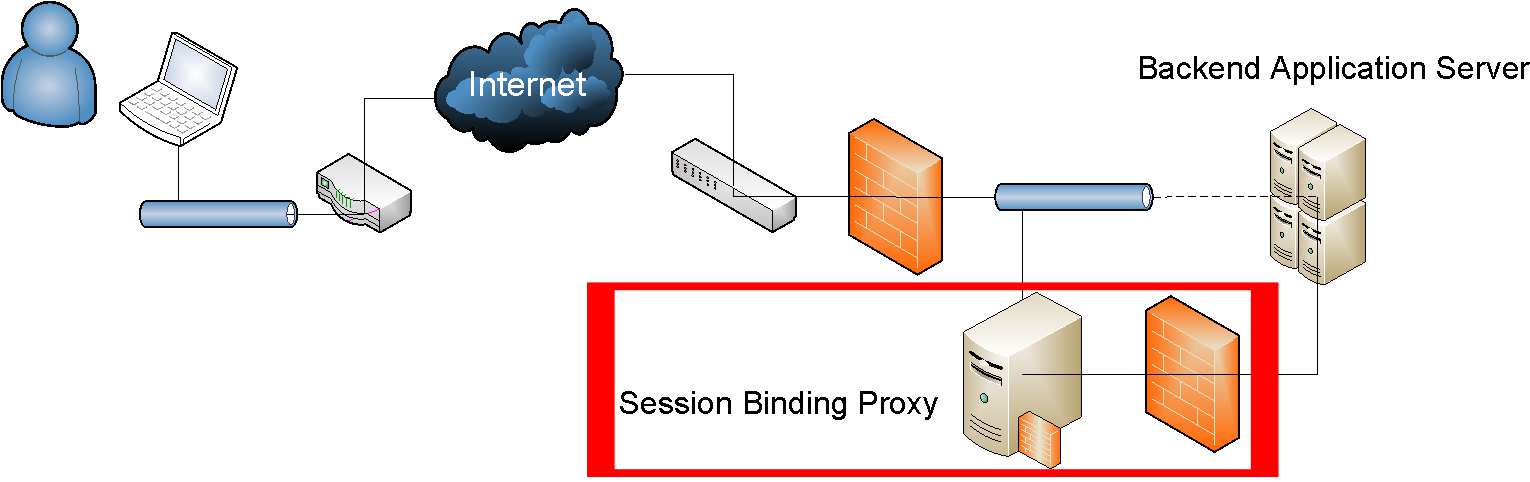
    <div class="html-content"><div><a href="https://www.csee.umbc.edu/wp-content/uploads/2022/03/Prevent_Session_Hijacking_by_Binding_the_Session_to_the_Cryptographic_Network_Credentials-NORDSEC_2013-2.jpg" rel="nofollow external" class="bo"><img src="https://www.csee.umbc.edu/wp-content/uploads/2022/03/Prevent_Session_Hijacking_by_Binding_the_Session_to_the_Cryptographic_Network_Credentials-NORDSEC_2013-2-1024x323.jpg" alt="" style="max-width: 100%; height: auto;"></a>Session Binding Proxy protocol aims to prevent session hijacking by binding the application session to the underlying network session <h3>The UMBC Cyber Defense Lab presents</h3><h2><strong>A Formal Methods Analysis of the Session Binding Proxy Protocol</strong></h2><h2><strong>Kirellos N. Abou Elsaad, UMBC</strong></h2><h3>12-1 pm, Friday, 1 April 2022, via <a href="https://umbc.webex.com/meet/sherman" rel="nofollow external" class="bo">WebEx</a> </h3><p>Proposed by Burgers, Verdult, and Eekelen in 2013, the Session Binding Proxy (SBP) protocol intends to prevent session hijacking by binding the application session to the underlying network session (i.e., binding the session token to the SSL/TLS shared key). We present a formal methods analysis of SBP using the Cryptographic Protocol Shapes Analyzer (CPSA). Our analysis reveals that SBP relies critically on the successful establishment of a secure SSL/TLS channel, which can be undermined using well-known attacks. Also, we find that SBP allows for the partial hijacking of a session using a tailgating attack. In this attack, the adversary uses the server to inject and execute malicious code inside the client’s browser to extract the session token and forge a valid state-changing request to the server. This attack is not neutralized by SBP because the request contains a valid session token and is sent over the client’s existing SSL/TLS channel.</p><p>Kirellos N. Abou Elsaad is a master’s student in computer science at UMBC working under Dr. Sherman and a member of the Protocol Analysis Lab (PAL). email: <a href="mailto:abou3@umbc.edu">abou3@umbc.edu</a></p><p>Host: Alan T. Sherman, <a href="mailto:sherman@umbc.edu">sherman@umbc.edu</a>. Support for this event was provided in part by the National Science Foundation under SFS grant DGE-1753681. The UMBC Cyber Defense Lab meets biweekly Fridays 12-1 pm. All meetings are open to the public. Upcoming CDL Meetings: April 15, Edward Zieglar (NSA); April 29, Ian Blumenfeld (UMBC); May 13, Enka Blanchard (Digitrust Loria, France).</p></div>
    <p>The post <a href="https://redirect.cs.umbc.edu/2022/03/talk-formal-methods-analysis-of-the-session-binding-proxy-protocol-12-1-fri-4-1/" rel="nofollow external" class="bo">talk: Formal Methods Analysis of the Session Binding Proxy Protocol, 12-1 Fri 4/1</a> appeared first on <a href="https://redirect.cs.umbc.edu" rel="nofollow external" class="bo">Department of Computer Science and Electrical Engineering</a>.</p></div>
]]>
</Body>
<Summary>Session Binding Proxy protocol aims to prevent session hijacking by binding the application session to the underlying network session  The UMBC Cyber Defense Lab presents  A Formal Methods...</Summary>
<Website>https://redirect.cs.umbc.edu/2022/03/talk-formal-methods-analysis-of-the-session-binding-proxy-protocol-12-1-fri-4-1/</Website>
<TrackingUrl>https://beta.my.umbc.edu/api/v0/pixel/news/129856/guest@my.umbc.edu/b130e6dfb565f94a7272a64c5f0ad7d5/api/pixel</TrackingUrl>
<Tag>computer-science</Tag>
<Tag>cybersecurity</Tag>
<Tag>events</Tag>
<Tag>talks</Tag>
<Tag>uncategorized</Tag>
<Group token="cybersecurity">UMBC Cybersecurity Institute Group</Group>
<GroupUrl>https://beta.my.umbc.edu/groups/cybersecurity</GroupUrl>
<AvatarUrl>https://assets3-beta.my.umbc.edu/system/shared/avatars/groups/000/000/485/196da6a7ec6f4c31eab2e474c17a9ab7/xsmall.png?1734891477</AvatarUrl>
<AvatarUrl size="original">https://assets3-beta.my.umbc.edu/system/shared/avatars/groups/000/000/485/196da6a7ec6f4c31eab2e474c17a9ab7/original.png?1734891477</AvatarUrl>
<AvatarUrl size="xxlarge">https://assets4-beta.my.umbc.edu/system/shared/avatars/groups/000/000/485/196da6a7ec6f4c31eab2e474c17a9ab7/xxlarge.png?1734891477</AvatarUrl>
<AvatarUrl size="xlarge">https://assets4-beta.my.umbc.edu/system/shared/avatars/groups/000/000/485/196da6a7ec6f4c31eab2e474c17a9ab7/xlarge.png?1734891477</AvatarUrl>
<AvatarUrl size="large">https://assets2-beta.my.umbc.edu/system/shared/avatars/groups/000/000/485/196da6a7ec6f4c31eab2e474c17a9ab7/large.png?1734891477</AvatarUrl>
<AvatarUrl size="medium">https://assets3-beta.my.umbc.edu/system/shared/avatars/groups/000/000/485/196da6a7ec6f4c31eab2e474c17a9ab7/medium.png?1734891477</AvatarUrl>
<AvatarUrl size="small">https://assets3-beta.my.umbc.edu/system/shared/avatars/groups/000/000/485/196da6a7ec6f4c31eab2e474c17a9ab7/small.png?1734891477</AvatarUrl>
<AvatarUrl size="xsmall">https://assets3-beta.my.umbc.edu/system/shared/avatars/groups/000/000/485/196da6a7ec6f4c31eab2e474c17a9ab7/xsmall.png?1734891477</AvatarUrl>
<AvatarUrl size="xxsmall">https://assets3-beta.my.umbc.edu/system/shared/avatars/groups/000/000/485/196da6a7ec6f4c31eab2e474c17a9ab7/xxsmall.png?1734891477</AvatarUrl>
<Sponsor>UMBC Center for Cybersecurity</Sponsor>
<PawCount>0</PawCount>
<CommentCount>0</CommentCount>
<CommentsAllowed>false</CommentsAllowed>
<PostedAt>Sun, 27 Mar 2022 22:09:22 -0400</PostedAt>
<EditAt>Sun, 27 Mar 2022 22:09:22 -0400</EditAt>
</NewsItem>

<NewsItem contentIssues="true" id="117941" important="false" status="posted" url="https://beta.my.umbc.edu/groups/cybersecurity/posts/117941">
<Title>talk: Formal Methods Analysis of the Session Binding Proxy Protocol, 12-1 Fri 4/1</Title>
<Body>
<![CDATA[
    <div class="html-content"><div><a href="https://www.csee.umbc.edu/wp-content/uploads/2022/03/Prevent_Session_Hijacking_by_Binding_the_Session_to_the_Cryptographic_Network_Credentials-NORDSEC_2013-2.jpg" rel="nofollow external" class="bo"><img width="1024" height="323" src="https://www.csee.umbc.edu/wp-content/uploads/2022/03/Prevent_Session_Hijacking_by_Binding_the_Session_to_the_Cryptographic_Network_Credentials-NORDSEC_2013-2-1024x323.jpg" alt="" style="max-width: 100%; height: auto;"></a>Session Binding Proxy protocol aims to prevent session hijacking by binding the application session to the underlying network session <h3>The UMBC Cyber Defense Lab presents</h3><h2><strong>A Formal Methods Analysis of the Session Binding Proxy Protocol</strong></h2><h2><strong>Kirellos N. Abou Elsaad, UMBC</strong></h2><h3>12-1 pm, Friday, 1 April 2022, via <a href="https://umbc.webex.com/meet/sherman" rel="nofollow external" class="bo">WebEx</a> </h3><p>Proposed by Burgers, Verdult, and Eekelen in 2013, the Session Binding Proxy (SBP) protocol intends to prevent session hijacking by binding the application session to the underlying network session (i.e., binding the session token to the SSL/TLS shared key). We present a formal methods analysis of SBP using the Cryptographic Protocol Shapes Analyzer (CPSA). Our analysis reveals that SBP relies critically on the successful establishment of a secure SSL/TLS channel, which can be undermined using well-known attacks. Also, we find that SBP allows for the partial hijacking of a session using a tailgating attack. In this attack, the adversary uses the server to inject and execute malicious code inside the client’s browser to extract the session token and forge a valid state-changing request to the server. This attack is not neutralized by SBP because the request contains a valid session token and is sent over the client’s existing SSL/TLS channel.</p><p>Kirellos N. Abou Elsaad is a master’s student in computer science at UMBC working under Dr. Sherman and a member of the Protocol Analysis Lab (PAL). email: *protected email*</p><p>Host: Alan T. Sherman, *protected email* Support for this event was provided in part by the National Science Foundation under SFS grant DGE-1753681. The UMBC Cyber Defense Lab meets biweekly Fridays 12-1 pm. All meetings are open to the public. Upcoming CDL Meetings: April 15, Edward Zieglar (NSA); April 29, Ian Blumenfeld (UMBC); May 13, Enka Blanchard (Digitrust Loria, France).</p></div>
    <p>The post <a href="https://www.csee.umbc.edu/2022/03/talk-formal-methods-analysis-of-the-session-binding-proxy-protocol-12-1-fri-4-1/" rel="nofollow external" class="bo">talk: Formal Methods Analysis of the Session Binding Proxy Protocol, 12-1 Fri 4/1</a> appeared first on <a href="https://www.csee.umbc.edu" rel="nofollow external" class="bo">Department of Computer Science and Electrical Engineering</a>.</p></div>
]]>
</Body>
<Summary>Session Binding Proxy protocol aims to prevent session hijacking by binding the application session to the underlying network session  The UMBC Cyber Defense Lab presents  A Formal Methods...</Summary>
<Website>https://www.csee.umbc.edu/2022/03/talk-formal-methods-analysis-of-the-session-binding-proxy-protocol-12-1-fri-4-1/</Website>
<TrackingUrl>https://beta.my.umbc.edu/api/v0/pixel/news/117941/guest@my.umbc.edu/861b4e6a10082187cd2eab14589cd84e/api/pixel</TrackingUrl>
<Tag>computer-science</Tag>
<Tag>cybersecurity</Tag>
<Tag>events</Tag>
<Tag>talks</Tag>
<Tag>uncategorized</Tag>
<Group token="cybersecurity">UMBC Cybersecurity Institute Group</Group>
<GroupUrl>https://beta.my.umbc.edu/groups/cybersecurity</GroupUrl>
<AvatarUrl>https://assets3-beta.my.umbc.edu/system/shared/avatars/groups/000/000/485/196da6a7ec6f4c31eab2e474c17a9ab7/xsmall.png?1734891477</AvatarUrl>
<AvatarUrl size="original">https://assets3-beta.my.umbc.edu/system/shared/avatars/groups/000/000/485/196da6a7ec6f4c31eab2e474c17a9ab7/original.png?1734891477</AvatarUrl>
<AvatarUrl size="xxlarge">https://assets4-beta.my.umbc.edu/system/shared/avatars/groups/000/000/485/196da6a7ec6f4c31eab2e474c17a9ab7/xxlarge.png?1734891477</AvatarUrl>
<AvatarUrl size="xlarge">https://assets4-beta.my.umbc.edu/system/shared/avatars/groups/000/000/485/196da6a7ec6f4c31eab2e474c17a9ab7/xlarge.png?1734891477</AvatarUrl>
<AvatarUrl size="large">https://assets2-beta.my.umbc.edu/system/shared/avatars/groups/000/000/485/196da6a7ec6f4c31eab2e474c17a9ab7/large.png?1734891477</AvatarUrl>
<AvatarUrl size="medium">https://assets3-beta.my.umbc.edu/system/shared/avatars/groups/000/000/485/196da6a7ec6f4c31eab2e474c17a9ab7/medium.png?1734891477</AvatarUrl>
<AvatarUrl size="small">https://assets3-beta.my.umbc.edu/system/shared/avatars/groups/000/000/485/196da6a7ec6f4c31eab2e474c17a9ab7/small.png?1734891477</AvatarUrl>
<AvatarUrl size="xsmall">https://assets3-beta.my.umbc.edu/system/shared/avatars/groups/000/000/485/196da6a7ec6f4c31eab2e474c17a9ab7/xsmall.png?1734891477</AvatarUrl>
<AvatarUrl size="xxsmall">https://assets3-beta.my.umbc.edu/system/shared/avatars/groups/000/000/485/196da6a7ec6f4c31eab2e474c17a9ab7/xxsmall.png?1734891477</AvatarUrl>
<Sponsor>UMBC Center for Cybersecurity</Sponsor>
<PawCount>1</PawCount>
<CommentCount>0</CommentCount>
<CommentsAllowed>false</CommentsAllowed>
<PostedAt>Sun, 27 Mar 2022 22:09:22 -0400</PostedAt>
<EditAt>Sun, 27 Mar 2022 22:09:22 -0400</EditAt>
</NewsItem>

</News>