<?xml version="1.0"?>
<News hasArchived="true" page="4" pageCount="17" pageSize="10" timestamp="Sat, 18 Apr 2026 17:17:31 -0400" url="https://beta.my.umbc.edu/groups/cybersecurity/posts.xml?page=4">
<NewsItem contentIssues="true" id="126718" important="false" status="posted" url="https://beta.my.umbc.edu/groups/cybersecurity/posts/126718">
<Title>Profs. Sherman and Oliva receive NSF award to study cybersecurity education&#160;</Title>
<Body>
<![CDATA[
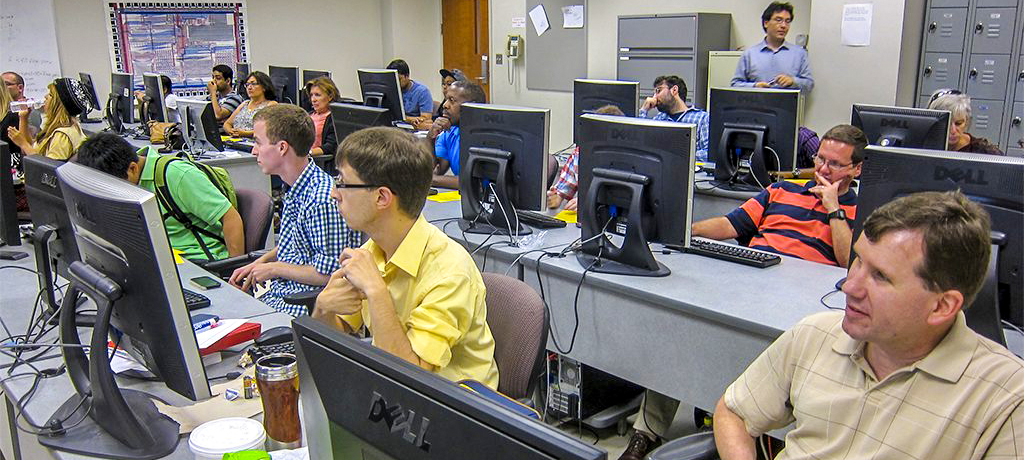
    <div class="html-content"><div><a href="https://www.csee.umbc.edu/wp-content/uploads/2022/08/cyber_class.jpg" rel="nofollow external" class="bo"><img width="1024" height="460" src="https://www.csee.umbc.edu/wp-content/uploads/2022/08/cyber_class.jpg" alt="" style="max-width: 100%; height: auto;"></a><h1><strong>Professors Sherman and Oliva receive NSF award to study cybersecurity education</strong></h1><p>UMBC Professors <strong><a href="https://cybersecurity.umbc.edu/alan-sherman/" rel="nofollow external" class="bo">Alan T. Sherman</a></strong> (PI, CSEE) and <strong><a href="https://education.umbc.edu/faculty-list/linda-oliva/" rel="nofollow external" class="bo">Linda Oliva</a></strong> (CO-PI,  Education)  recently received more than $260,000 of a $500,000 grant from the National Science Foundation (NSF) to study and improve how cybersecurity is taught at the U.S. Naval Academy and U.S. Military Academy. </p><p>The project, <a href="https://www.nsf.gov/awardsearch/showAward?AWD_ID=2138921" rel="nofollow external" class="bo">Examining Pedagogy in Cybersecurity</a> (EPIC), is collaborative with the University of Illinois Urbana-Champaign and the University of Minnesota Duluth and is funded through NSF’s Secure and Trustworthy Computing (SaTC) program. Because the academies teach cybersecurity to all first-year students, EPIC offers a large-scale opportunity to investigate how simulation-based teaching and learning affects different student populations.</p><p>In the first phase of the research, Sherman and his collaborators—including computer science Ph.D. student <strong>Andrew Slack</strong>—will study how instructors at the academies structure and teach their cybersecurity courses. In the second phase, they will introduce active simulation-based learning exercises and pedagogies and assess their effectiveness. </p><p>UMBC’s championship-winning Cyberdawgs cyberdefense team will help adapt and improve learning materials. As one quantitative measure of the new pedagogy’s effectiveness, EPIC will assess students’ conceptual understanding using the <a href="https://par.nsf.gov/servlets/purl/10290864" rel="nofollow external" class="bo">Cybersecurity Concept Inventory</a> (CCI) developed by Sherman and his team. </p><p>Some material adapted from this <a href="https://umbc.edu/stories/umbc-advances-maryland-through-innovative-computing-partnership/" rel="nofollow external" class="bo">UMBC News article</a></p></div>
    <p>The post <a href="https://www.csee.umbc.edu/2022/08/prof-sherman-receives-nsf-award-to-study-cybersecurity-education/" rel="nofollow external" class="bo">Profs. Sherman and Oliva receive NSF award to study cybersecurity education </a> appeared first on <a href="https://www.csee.umbc.edu" rel="nofollow external" class="bo">Department of Computer Science and Electrical Engineering</a>.</p></div>
]]>
</Body>
<Summary>Professors Sherman and Oliva receive NSF award to study cybersecurity education  UMBC Professors Alan T. Sherman (PI, CSEE) and Linda Oliva (CO-PI,  Education)  recently received more than...</Summary>
<Website>https://www.csee.umbc.edu/2022/08/prof-sherman-receives-nsf-award-to-study-cybersecurity-education/</Website>
<TrackingUrl>https://beta.my.umbc.edu/api/v0/pixel/news/126718/guest@my.umbc.edu/60eadf7f8eb894e9cf410645e5da7d57/api/pixel</TrackingUrl>
<Tag>computer-science</Tag>
<Tag>cybersecurity</Tag>
<Tag>research</Tag>
<Tag>research-awards</Tag>
<Group token="cybersecurity">UMBC Cybersecurity Institute Group</Group>
<GroupUrl>https://beta.my.umbc.edu/groups/cybersecurity</GroupUrl>
<AvatarUrl>https://assets3-beta.my.umbc.edu/system/shared/avatars/groups/000/000/485/196da6a7ec6f4c31eab2e474c17a9ab7/xsmall.png?1734891477</AvatarUrl>
<AvatarUrl size="original">https://assets3-beta.my.umbc.edu/system/shared/avatars/groups/000/000/485/196da6a7ec6f4c31eab2e474c17a9ab7/original.png?1734891477</AvatarUrl>
<AvatarUrl size="xxlarge">https://assets4-beta.my.umbc.edu/system/shared/avatars/groups/000/000/485/196da6a7ec6f4c31eab2e474c17a9ab7/xxlarge.png?1734891477</AvatarUrl>
<AvatarUrl size="xlarge">https://assets4-beta.my.umbc.edu/system/shared/avatars/groups/000/000/485/196da6a7ec6f4c31eab2e474c17a9ab7/xlarge.png?1734891477</AvatarUrl>
<AvatarUrl size="large">https://assets2-beta.my.umbc.edu/system/shared/avatars/groups/000/000/485/196da6a7ec6f4c31eab2e474c17a9ab7/large.png?1734891477</AvatarUrl>
<AvatarUrl size="medium">https://assets3-beta.my.umbc.edu/system/shared/avatars/groups/000/000/485/196da6a7ec6f4c31eab2e474c17a9ab7/medium.png?1734891477</AvatarUrl>
<AvatarUrl size="small">https://assets3-beta.my.umbc.edu/system/shared/avatars/groups/000/000/485/196da6a7ec6f4c31eab2e474c17a9ab7/small.png?1734891477</AvatarUrl>
<AvatarUrl size="xsmall">https://assets3-beta.my.umbc.edu/system/shared/avatars/groups/000/000/485/196da6a7ec6f4c31eab2e474c17a9ab7/xsmall.png?1734891477</AvatarUrl>
<AvatarUrl size="xxsmall">https://assets3-beta.my.umbc.edu/system/shared/avatars/groups/000/000/485/196da6a7ec6f4c31eab2e474c17a9ab7/xxsmall.png?1734891477</AvatarUrl>
<Sponsor>UMBC Center for Cybersecurity</Sponsor>
<PawCount>1</PawCount>
<CommentCount>0</CommentCount>
<CommentsAllowed>false</CommentsAllowed>
<PostedAt>Fri, 05 Aug 2022 11:13:23 -0400</PostedAt>
<EditAt>Fri, 05 Aug 2022 11:13:23 -0400</EditAt>
</NewsItem>

<NewsItem contentIssues="true" id="125828" important="false" status="posted" url="https://beta.my.umbc.edu/groups/cybersecurity/posts/125828">
<Title>Students: apply to attend the 2022 NSF Cybersecurity Summit</Title>
<Tagline>To be held on October 18&#8211;20, 2022 in Bloomington, IN</Tagline>
<Body>
<![CDATA[
    <div class="html-content"><div><p><img src="https://i.imgur.com/p0s0S81.png" style="max-width: 100%; height: auto;"></p></div><div><span> <hr></span></div><div><span><br></span></div><div><span>Every year, <a href="https://www.trustedci.org/" rel="nofollow external" class="bo">Trusted CI</a> organizes and hosts the </span><a href="https://www.trustedci.org/2022-cybersecurity-summit" rel="nofollow external" class="bo">NSF Cybersecurity Summit</a><span> to bring together leaders in NSF cybersecurity and cyberinfrastructure. The 2022 NSF Cybersecurity Summit will be held at the Monroe Convention Center on <strong>October 18–20, 2022</strong> in Bloomington, IN.  To support workforce development, the Summit organizers invite several students to attend the Summit at no cost every year. </span></div><div><span><br></span></div><div>Both undergraduate and graduate students may apply, no specific major or course of study is required, as long as the student is interested in learning and applying cybersecurity innovations to scientific endeavors.  Up to fifteen successful student applicants will receive invitations to attend the Summit at no cost. All applications will be reviewed by the Program Committee and students will be selected. The Program Committee will select students with an interest in advancing diversity and inclusiveness in the program. <div><br></div><div>The deadline for applications is <strong>August 1, 2022</strong>, with notification of acceptance to be sent by August 10, 2022. Apply using this <a href="https://docs.google.com/forms/d/e/1FAIpQLSf2y2uMYbqvwQYdb0wImG7SSsI1sHNkDByw8RPUrjKYv2clZA/viewform?usp=sf_link" rel="nofollow external" class="bo">form</a>, send questions to <a href="mailto:students@trustedci.org" rel="nofollow external" class="bo">students@trustedci.org</a>, and visit the <a href="https://www.trustedci.org/2022-cybersecurity-summit" rel="nofollow external" class="bo">website</a> for more information on the
    event.</div></div></div>
]]>
</Body>
<Summary>Every year, Trusted CI organizes and hosts the NSF Cybersecurity Summit to bring together leaders in NSF cybersecurity and cyberinfrastructure. The 2022 NSF Cybersecurity Summit will be held at...</Summary>
<TrackingUrl>https://beta.my.umbc.edu/api/v0/pixel/news/125828/guest@my.umbc.edu/7ef5f71e50ae1e93d0b3fff0fe8dedda/api/pixel</TrackingUrl>
<Group token="cybersecurity">UMBC Cybersecurity Institute Group</Group>
<GroupUrl>https://beta.my.umbc.edu/groups/cybersecurity</GroupUrl>
<AvatarUrl>https://assets3-beta.my.umbc.edu/system/shared/avatars/groups/000/000/485/196da6a7ec6f4c31eab2e474c17a9ab7/xsmall.png?1734891477</AvatarUrl>
<AvatarUrl size="original">https://assets3-beta.my.umbc.edu/system/shared/avatars/groups/000/000/485/196da6a7ec6f4c31eab2e474c17a9ab7/original.png?1734891477</AvatarUrl>
<AvatarUrl size="xxlarge">https://assets4-beta.my.umbc.edu/system/shared/avatars/groups/000/000/485/196da6a7ec6f4c31eab2e474c17a9ab7/xxlarge.png?1734891477</AvatarUrl>
<AvatarUrl size="xlarge">https://assets4-beta.my.umbc.edu/system/shared/avatars/groups/000/000/485/196da6a7ec6f4c31eab2e474c17a9ab7/xlarge.png?1734891477</AvatarUrl>
<AvatarUrl size="large">https://assets2-beta.my.umbc.edu/system/shared/avatars/groups/000/000/485/196da6a7ec6f4c31eab2e474c17a9ab7/large.png?1734891477</AvatarUrl>
<AvatarUrl size="medium">https://assets3-beta.my.umbc.edu/system/shared/avatars/groups/000/000/485/196da6a7ec6f4c31eab2e474c17a9ab7/medium.png?1734891477</AvatarUrl>
<AvatarUrl size="small">https://assets3-beta.my.umbc.edu/system/shared/avatars/groups/000/000/485/196da6a7ec6f4c31eab2e474c17a9ab7/small.png?1734891477</AvatarUrl>
<AvatarUrl size="xsmall">https://assets3-beta.my.umbc.edu/system/shared/avatars/groups/000/000/485/196da6a7ec6f4c31eab2e474c17a9ab7/xsmall.png?1734891477</AvatarUrl>
<AvatarUrl size="xxsmall">https://assets3-beta.my.umbc.edu/system/shared/avatars/groups/000/000/485/196da6a7ec6f4c31eab2e474c17a9ab7/xxsmall.png?1734891477</AvatarUrl>
<Sponsor>UMBC Center for Cybersecurity</Sponsor>
<PawCount>1</PawCount>
<CommentCount>0</CommentCount>
<CommentsAllowed>true</CommentsAllowed>
<PostedAt>Thu, 09 Jun 2022 09:17:55 -0400</PostedAt>
</NewsItem>

<NewsItem contentIssues="true" id="129849" important="false" status="posted" url="https://beta.my.umbc.edu/groups/cybersecurity/posts/129849">
<Title>UMBC faculty Karimi and Yus help team win 2nd place in Sandpit Challenge on Digital Trust</Title>
<Body>
<![CDATA[
    <div class="html-content"><div><a href="https://www.csee.umbc.edu/wp-content/uploads/2022/05/incs_coe.png" rel="nofollow external" class="bo"><img src="https://www.csee.umbc.edu/wp-content/uploads/2022/05/incs_coe-1024x512.png" alt="" style="max-width: 100%; height: auto;"></a><p>A research team that includes UMBC CSEE faculty <a href="https://www.csee.umbc.edu/~nkarimi/" rel="nofollow external" class="bo">Naghmeh Karimi</a> and <a href="https://robertoyus.com/" rel="nofollow external" class="bo">Roberto Yus</a> won the second place prize in the 2022 INCS-CoE Sandpit Challenge on Digital Trust. The <a href="https://incs-coe.org/" rel="nofollow external" class="bo">International Cyber Security Center of Excellence (INCS-CoE)</a> is an international collaboration of government, industry, and academic organizations that have partnered to explore pioneering efforts to address cybersecurity challenges created by a growing borderless digital society.  UMBC is a charter member of INCS-CoE.</p><p><br>The INCS-COE <a href="https://incs-coe.org/international-digital-trust-forum-at-northeastern-university/" rel="nofollow external" class="bo">Sandpit Challenge</a> invited self-assembled teams to compete for seed research funding prizes to pursue their work further. The UMBC faculty teamed up with researchers from <a href="https://www.royalholloway.ac.uk/" rel="nofollow external" class="bo">Royal Holloway</a> (UK) and <a href="https://www.keio.ac.jp/en/" rel="nofollow external" class="bo">Keio University</a> (Japan). They were awarded second prize for their proposal to deal with challenges associated with developing an International Digital Trust Framework. In particular, their project proposal focused on designing an ontology-based interoperability solution amongst the US, UK, and Japan for mutual recognition of trust, capturing private and public sector use cases with different assurance levels.</p></div>
    <p>The post <a href="https://redirect.cs.umbc.edu/2022/05/umbc-faculty-karimi-and-yus-help-team-win-2nd-place-in-sandpit-challenge-on-digital-trust/" rel="nofollow external" class="bo">UMBC faculty Karimi and Yus help team win 2nd place in Sandpit Challenge on Digital Trust</a> appeared first on <a href="https://redirect.cs.umbc.edu" rel="nofollow external" class="bo">Department of Computer Science and Electrical Engineering</a>.</p></div>
]]>
</Body>
<Summary>A research team that includes UMBC CSEE faculty Naghmeh Karimi and Roberto Yus won the second place prize in the 2022 INCS-CoE Sandpit Challenge on Digital Trust. The International Cyber Security...</Summary>
<Website>https://redirect.cs.umbc.edu/2022/05/umbc-faculty-karimi-and-yus-help-team-win-2nd-place-in-sandpit-challenge-on-digital-trust/</Website>
<TrackingUrl>https://beta.my.umbc.edu/api/v0/pixel/news/129849/guest@my.umbc.edu/054141cebdddea3f80c53202e6f2fcca/api/pixel</TrackingUrl>
<Tag>cybersecurity</Tag>
<Tag>faculty-and-staff</Tag>
<Tag>research</Tag>
<Group token="cybersecurity">UMBC Cybersecurity Institute Group</Group>
<GroupUrl>https://beta.my.umbc.edu/groups/cybersecurity</GroupUrl>
<AvatarUrl>https://assets3-beta.my.umbc.edu/system/shared/avatars/groups/000/000/485/196da6a7ec6f4c31eab2e474c17a9ab7/xsmall.png?1734891477</AvatarUrl>
<AvatarUrl size="original">https://assets3-beta.my.umbc.edu/system/shared/avatars/groups/000/000/485/196da6a7ec6f4c31eab2e474c17a9ab7/original.png?1734891477</AvatarUrl>
<AvatarUrl size="xxlarge">https://assets4-beta.my.umbc.edu/system/shared/avatars/groups/000/000/485/196da6a7ec6f4c31eab2e474c17a9ab7/xxlarge.png?1734891477</AvatarUrl>
<AvatarUrl size="xlarge">https://assets4-beta.my.umbc.edu/system/shared/avatars/groups/000/000/485/196da6a7ec6f4c31eab2e474c17a9ab7/xlarge.png?1734891477</AvatarUrl>
<AvatarUrl size="large">https://assets2-beta.my.umbc.edu/system/shared/avatars/groups/000/000/485/196da6a7ec6f4c31eab2e474c17a9ab7/large.png?1734891477</AvatarUrl>
<AvatarUrl size="medium">https://assets3-beta.my.umbc.edu/system/shared/avatars/groups/000/000/485/196da6a7ec6f4c31eab2e474c17a9ab7/medium.png?1734891477</AvatarUrl>
<AvatarUrl size="small">https://assets3-beta.my.umbc.edu/system/shared/avatars/groups/000/000/485/196da6a7ec6f4c31eab2e474c17a9ab7/small.png?1734891477</AvatarUrl>
<AvatarUrl size="xsmall">https://assets3-beta.my.umbc.edu/system/shared/avatars/groups/000/000/485/196da6a7ec6f4c31eab2e474c17a9ab7/xsmall.png?1734891477</AvatarUrl>
<AvatarUrl size="xxsmall">https://assets3-beta.my.umbc.edu/system/shared/avatars/groups/000/000/485/196da6a7ec6f4c31eab2e474c17a9ab7/xxsmall.png?1734891477</AvatarUrl>
<Sponsor>UMBC Center for Cybersecurity</Sponsor>
<PawCount>0</PawCount>
<CommentCount>0</CommentCount>
<CommentsAllowed>false</CommentsAllowed>
<PostedAt>Wed, 11 May 2022 15:58:56 -0400</PostedAt>
<EditAt>Wed, 11 May 2022 15:58:56 -0400</EditAt>
</NewsItem>

<NewsItem contentIssues="true" id="119374" important="false" status="posted" url="https://beta.my.umbc.edu/groups/cybersecurity/posts/119374">
<Title>UMBC faculty Karimi and Yus help team win 2nd place in Sandpit Challenge on Digital Trust</Title>
<Body>
<![CDATA[
    <div class="html-content"><div><a href="https://www.csee.umbc.edu/wp-content/uploads/2022/05/incs_coe.png" rel="nofollow external" class="bo"><img width="1024" height="512" src="https://www.csee.umbc.edu/wp-content/uploads/2022/05/incs_coe-1024x512.png" alt="" style="max-width: 100%; height: auto;"></a><p>A research team that includes UMBC CSEE faculty <a href="https://www.csee.umbc.edu/~nkarimi/" rel="nofollow external" class="bo">Naghmeh Karimi</a> and <a href="https://robertoyus.com/" rel="nofollow external" class="bo">Roberto Yus</a> won the second place prize in the 2022 INCS-CoE Sandpit Challenge on Digital Trust. The <a href="https://incs-coe.org/" rel="nofollow external" class="bo">International Cyber Security Center of Excellence (INCS-CoE)</a> is an international collaboration of government, industry, and academic organizations that have partnered to explore pioneering efforts to address cybersecurity challenges created by a growing borderless digital society.  UMBC is a charter member of INCS-CoE.</p><p><br>The INCS-COE <a href="https://incs-coe.org/international-digital-trust-forum-at-northeastern-university/" rel="nofollow external" class="bo">Sandpit Challenge</a> invited self-assembled teams to compete for seed research funding prizes to pursue their work further. The UMBC faculty teamed up with researchers from <a href="https://www.royalholloway.ac.uk/" rel="nofollow external" class="bo">Royal Holloway</a> (UK) and <a href="https://www.keio.ac.jp/en/" rel="nofollow external" class="bo">Keio University</a> (Japan). They were awarded second prize for their proposal to deal with challenges associated with developing an International Digital Trust Framework. In particular, their project proposal focused on designing an ontology-based interoperability solution amongst the US, UK, and Japan for mutual recognition of trust, capturing private and public sector use cases with different assurance levels.</p></div>
    <p>The post <a href="https://www.csee.umbc.edu/2022/05/umbc-faculty-karimi-and-yus-help-team-win-2nd-place-in-sandpit-challenge-on-digital-trust/" rel="nofollow external" class="bo">UMBC faculty Karimi and Yus help team win 2nd place in Sandpit Challenge on Digital Trust</a> appeared first on <a href="https://www.csee.umbc.edu" rel="nofollow external" class="bo">Department of Computer Science and Electrical Engineering</a>.</p></div>
]]>
</Body>
<Summary>A research team that includes UMBC CSEE faculty Naghmeh Karimi and Roberto Yus won the second place prize in the 2022 INCS-CoE Sandpit Challenge on Digital Trust. The International Cyber Security...</Summary>
<Website>https://www.csee.umbc.edu/2022/05/umbc-faculty-karimi-and-yus-help-team-win-2nd-place-in-sandpit-challenge-on-digital-trust/</Website>
<TrackingUrl>https://beta.my.umbc.edu/api/v0/pixel/news/119374/guest@my.umbc.edu/eb26bcdf880a3fe5213800c1a4319984/api/pixel</TrackingUrl>
<Tag>cybersecurity</Tag>
<Tag>faculty-and-staff</Tag>
<Tag>research</Tag>
<Group token="cybersecurity">UMBC Cybersecurity Institute Group</Group>
<GroupUrl>https://beta.my.umbc.edu/groups/cybersecurity</GroupUrl>
<AvatarUrl>https://assets3-beta.my.umbc.edu/system/shared/avatars/groups/000/000/485/196da6a7ec6f4c31eab2e474c17a9ab7/xsmall.png?1734891477</AvatarUrl>
<AvatarUrl size="original">https://assets3-beta.my.umbc.edu/system/shared/avatars/groups/000/000/485/196da6a7ec6f4c31eab2e474c17a9ab7/original.png?1734891477</AvatarUrl>
<AvatarUrl size="xxlarge">https://assets4-beta.my.umbc.edu/system/shared/avatars/groups/000/000/485/196da6a7ec6f4c31eab2e474c17a9ab7/xxlarge.png?1734891477</AvatarUrl>
<AvatarUrl size="xlarge">https://assets4-beta.my.umbc.edu/system/shared/avatars/groups/000/000/485/196da6a7ec6f4c31eab2e474c17a9ab7/xlarge.png?1734891477</AvatarUrl>
<AvatarUrl size="large">https://assets2-beta.my.umbc.edu/system/shared/avatars/groups/000/000/485/196da6a7ec6f4c31eab2e474c17a9ab7/large.png?1734891477</AvatarUrl>
<AvatarUrl size="medium">https://assets3-beta.my.umbc.edu/system/shared/avatars/groups/000/000/485/196da6a7ec6f4c31eab2e474c17a9ab7/medium.png?1734891477</AvatarUrl>
<AvatarUrl size="small">https://assets3-beta.my.umbc.edu/system/shared/avatars/groups/000/000/485/196da6a7ec6f4c31eab2e474c17a9ab7/small.png?1734891477</AvatarUrl>
<AvatarUrl size="xsmall">https://assets3-beta.my.umbc.edu/system/shared/avatars/groups/000/000/485/196da6a7ec6f4c31eab2e474c17a9ab7/xsmall.png?1734891477</AvatarUrl>
<AvatarUrl size="xxsmall">https://assets3-beta.my.umbc.edu/system/shared/avatars/groups/000/000/485/196da6a7ec6f4c31eab2e474c17a9ab7/xxsmall.png?1734891477</AvatarUrl>
<Sponsor>UMBC Center for Cybersecurity</Sponsor>
<PawCount>0</PawCount>
<CommentCount>0</CommentCount>
<CommentsAllowed>false</CommentsAllowed>
<PostedAt>Wed, 11 May 2022 15:58:56 -0400</PostedAt>
<EditAt>Wed, 11 May 2022 15:58:56 -0400</EditAt>
</NewsItem>

<NewsItem contentIssues="true" id="119318" important="false" status="posted" url="https://beta.my.umbc.edu/groups/cybersecurity/posts/119318">
<Title>talk: More holes than cheese: Vulnerabilities of the e-voting system used in the 2022 French presidential election</Title>
<Body>
<![CDATA[
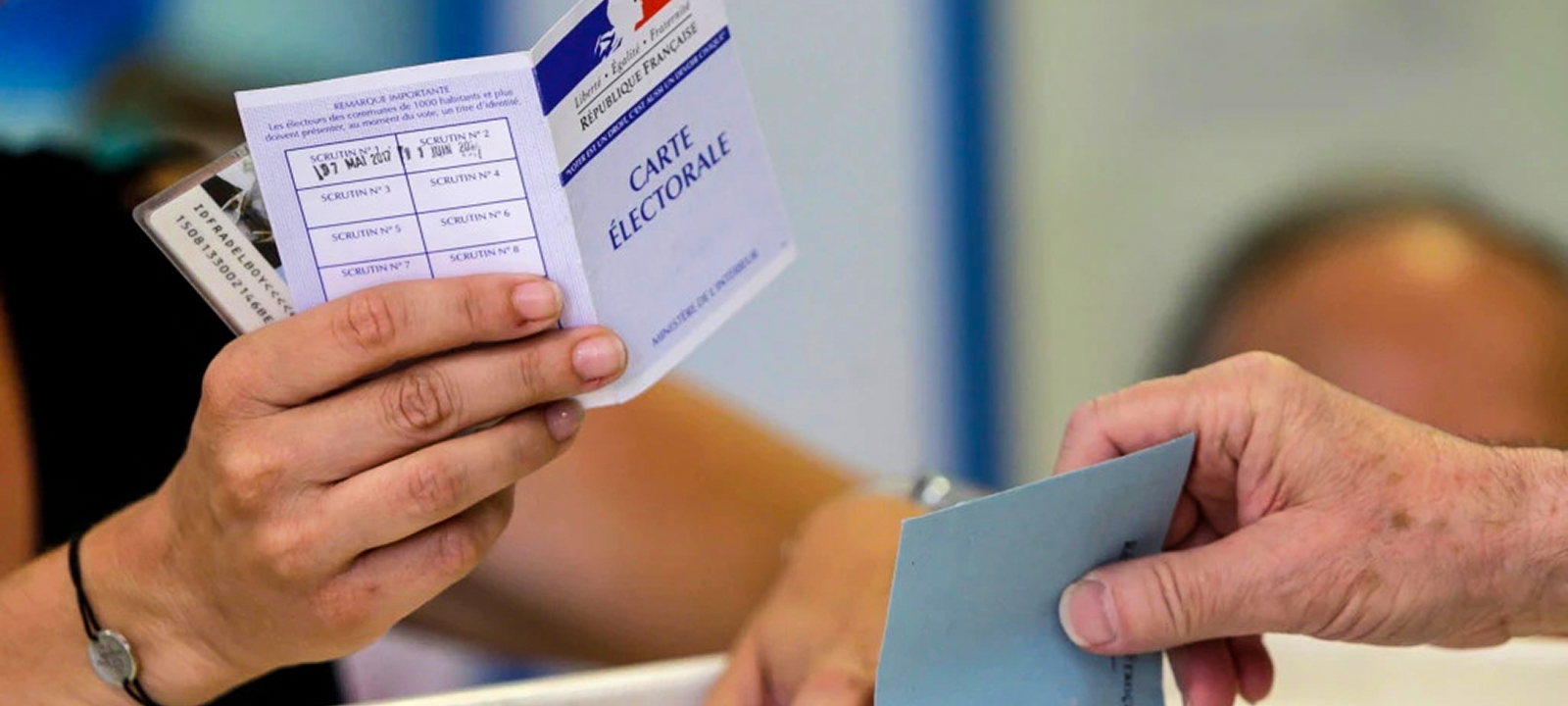
    <div class="html-content"><a href="https://www.csee.umbc.edu/wp-content/uploads/2022/05/french_election_22.jpg" rel="nofollow external" class="bo"><img width="1024" height="461" src="https://www.csee.umbc.edu/wp-content/uploads/2022/05/french_election_22-1024x461.jpg" alt="" style="max-width: 100%; height: auto;"></a>The Neovote e-voting system was used for three of the five primaries in the French 2022 presidential election<h3><strong>The UMBC Cyber Defense Lab presents</strong></h3><h2><strong>More holes than cheese: <br>Vulnerabilities of the e-voting system<br>used in the 2022 French presidential election</strong></h2><h2><strong><a href="https://www.koliaza.com/" rel="nofollow external" class="bo">Enka Blanchard</a></strong></h2><h4><strong>CNRS, Laboratory of Industrial and Human Automation, Mechanics and Computer Science, Université Polytechnique Hauts-de-France, and CNRS Center for Internet and Society</strong></h4><h3><strong>12–1 pm</strong> ET Friday, 13 May 2022 via <a href="https://umbc.webex.com/meet/sherman" rel="nofollow external" class="bo">WebEx</a></h3><p><strong>(joint work with Antoine Gallais, Emmanuel Leblond, Djohar Sidhoum-Rahal, and Juliette Walter)</strong></p><p>This talk will present the first security and privacy analysis of the <strong>Neovote e-voting system</strong>, which was used for three of the five primaries in the French 2022 presidential election. Based on information gathered by a whistle-blower (now a member of the team) and analyses made by our team during the last online vote in January 2022, I will show that the demands of transparency, verifiability, and security set by French governmental organizations were not met. I will then propose multiple attacks against the system targeting both the breach of voters’ privacy and the manipulation of the tally. I will also show how inconsistencies in the verification system allow the publication of erroneous tallies and document how this arrived in practice during one of the primary elections. Finally, I will discuss the complex institutional and legal frameworks as well as the social considerations that allow systems like this one to flourish.</p><p><strong><a href="https://www.koliaza.com/" rel="nofollow external" class="bo">Dr. Enka Blanchard</a></strong> is a transdisciplinary permanent researcher working for the French National Centre for Scientific Research. A significant fraction of their work concerns the social and psychological aspects of security, especially when it comes to voting systems, on which they frequently collaborate with Ted Selker and Alan Sherman of UMBC. Prior to this, they were a post-doctoral fellow in the Digitrust Project of the University of Lorraine. Their research and contact information is available on their website: <a href="https://www.koliaza.com/" rel="nofollow external" class="bo">koliaza.com</a></p><p>Host: Alan T. Sherman, *protected email* Support for this event was provided in part by the National Science Foundation under SFS grant DGE-1753681. The UMBC Cyber Defense Lab meets biweekly Fridays 12-1 pm. All meetings are open to the public. CDL meetings will resume in fall 2022.</p>
    <p>The post <a href="https://www.csee.umbc.edu/2022/05/talk-more-holes-than-cheese-vulnerabilities-of-the-e-voting-system-used-in-the-2022-french-presidential-election/" rel="nofollow external" class="bo">talk: More holes than cheese: Vulnerabilities of the e-voting system used in the 2022 French presidential election</a> appeared first on <a href="https://www.csee.umbc.edu" rel="nofollow external" class="bo">Department of Computer Science and Electrical Engineering</a>.</p></div>
]]>
</Body>
<Summary>The Neovote e-voting system was used for three of the five primaries in the French 2022 presidential election The UMBC Cyber Defense Lab presents  More holes than cheese:  Vulnerabilities of the...</Summary>
<Website>https://www.csee.umbc.edu/2022/05/talk-more-holes-than-cheese-vulnerabilities-of-the-e-voting-system-used-in-the-2022-french-presidential-election/</Website>
<TrackingUrl>https://beta.my.umbc.edu/api/v0/pixel/news/119318/guest@my.umbc.edu/d22e070605c2fe2a0a7aa029ab1cf78c/api/pixel</TrackingUrl>
<Tag>cybersecurity</Tag>
<Tag>events</Tag>
<Tag>talks</Tag>
<Group token="cybersecurity">UMBC Cybersecurity Institute Group</Group>
<GroupUrl>https://beta.my.umbc.edu/groups/cybersecurity</GroupUrl>
<AvatarUrl>https://assets3-beta.my.umbc.edu/system/shared/avatars/groups/000/000/485/196da6a7ec6f4c31eab2e474c17a9ab7/xsmall.png?1734891477</AvatarUrl>
<AvatarUrl size="original">https://assets3-beta.my.umbc.edu/system/shared/avatars/groups/000/000/485/196da6a7ec6f4c31eab2e474c17a9ab7/original.png?1734891477</AvatarUrl>
<AvatarUrl size="xxlarge">https://assets4-beta.my.umbc.edu/system/shared/avatars/groups/000/000/485/196da6a7ec6f4c31eab2e474c17a9ab7/xxlarge.png?1734891477</AvatarUrl>
<AvatarUrl size="xlarge">https://assets4-beta.my.umbc.edu/system/shared/avatars/groups/000/000/485/196da6a7ec6f4c31eab2e474c17a9ab7/xlarge.png?1734891477</AvatarUrl>
<AvatarUrl size="large">https://assets2-beta.my.umbc.edu/system/shared/avatars/groups/000/000/485/196da6a7ec6f4c31eab2e474c17a9ab7/large.png?1734891477</AvatarUrl>
<AvatarUrl size="medium">https://assets3-beta.my.umbc.edu/system/shared/avatars/groups/000/000/485/196da6a7ec6f4c31eab2e474c17a9ab7/medium.png?1734891477</AvatarUrl>
<AvatarUrl size="small">https://assets3-beta.my.umbc.edu/system/shared/avatars/groups/000/000/485/196da6a7ec6f4c31eab2e474c17a9ab7/small.png?1734891477</AvatarUrl>
<AvatarUrl size="xsmall">https://assets3-beta.my.umbc.edu/system/shared/avatars/groups/000/000/485/196da6a7ec6f4c31eab2e474c17a9ab7/xsmall.png?1734891477</AvatarUrl>
<AvatarUrl size="xxsmall">https://assets3-beta.my.umbc.edu/system/shared/avatars/groups/000/000/485/196da6a7ec6f4c31eab2e474c17a9ab7/xxsmall.png?1734891477</AvatarUrl>
<Sponsor>UMBC Center for Cybersecurity</Sponsor>
<PawCount>0</PawCount>
<CommentCount>0</CommentCount>
<CommentsAllowed>false</CommentsAllowed>
<PostedAt>Mon, 09 May 2022 21:12:33 -0400</PostedAt>
<EditAt>Mon, 09 May 2022 21:12:33 -0400</EditAt>
</NewsItem>

<NewsItem contentIssues="true" id="129850" important="false" status="posted" url="https://beta.my.umbc.edu/groups/cybersecurity/posts/129850">
<Title>talk: More holes than cheese: Vulnerabilities of the e-voting system used in the 2022 French presidential election</Title>
<Body>
<![CDATA[
    <div class="html-content"><a href="https://www.csee.umbc.edu/wp-content/uploads/2022/05/french_election_22.jpg" rel="nofollow external" class="bo"><img src="https://www.csee.umbc.edu/wp-content/uploads/2022/05/french_election_22-1024x461.jpg" alt="" style="max-width: 100%; height: auto;"></a>The Neovote e-voting system was used for three of the five primaries in the French 2022 presidential election<h3><strong>The UMBC Cyber Defense Lab presents</strong></h3><h2><strong>More holes than cheese: <br>Vulnerabilities of the e-voting system<br>used in the 2022 French presidential election</strong></h2><h2><strong><a href="https://www.koliaza.com/" rel="nofollow external" class="bo">Enka Blanchard</a></strong></h2><h4><strong>CNRS, Laboratory of Industrial and Human Automation, Mechanics and Computer Science, Université Polytechnique Hauts-de-France, and CNRS Center for Internet and Society</strong></h4><h3><strong>12–1 pm</strong> ET Friday, 13 May 2022 via <a href="https://umbc.webex.com/meet/sherman" rel="nofollow external" class="bo">WebEx</a></h3><p><strong>(joint work with Antoine Gallais, Emmanuel Leblond, Djohar Sidhoum-Rahal, and Juliette Walter)</strong></p><p>This talk will present the first security and privacy analysis of the <strong>Neovote e-voting system</strong>, which was used for three of the five primaries in the French 2022 presidential election. Based on information gathered by a whistle-blower (now a member of the team) and analyses made by our team during the last online vote in January 2022, I will show that the demands of transparency, verifiability, and security set by French governmental organizations were not met. I will then propose multiple attacks against the system targeting both the breach of voters’ privacy and the manipulation of the tally. I will also show how inconsistencies in the verification system allow the publication of erroneous tallies and document how this arrived in practice during one of the primary elections. Finally, I will discuss the complex institutional and legal frameworks as well as the social considerations that allow systems like this one to flourish.</p><p><strong><a href="https://www.koliaza.com/" rel="nofollow external" class="bo">Dr. Enka Blanchard</a></strong> is a transdisciplinary permanent researcher working for the French National Centre for Scientific Research. A significant fraction of their work concerns the social and psychological aspects of security, especially when it comes to voting systems, on which they frequently collaborate with Ted Selker and Alan Sherman of UMBC. Prior to this, they were a post-doctoral fellow in the Digitrust Project of the University of Lorraine. Their research and contact information is available on their website: <a href="https://www.koliaza.com/" rel="nofollow external" class="bo">koliaza.com</a></p><p>Host: Alan T. Sherman, <a href="mailto:sherman@umbc.edu">sherman@umbc.edu</a>. Support for this event was provided in part by the National Science Foundation under SFS grant DGE-1753681. The UMBC Cyber Defense Lab meets biweekly Fridays 12-1 pm. All meetings are open to the public. CDL meetings will resume in fall 2022.</p>
    <p>The post <a href="https://redirect.cs.umbc.edu/2022/05/talk-more-holes-than-cheese-vulnerabilities-of-the-e-voting-system-used-in-the-2022-french-presidential-election/" rel="nofollow external" class="bo">talk: More holes than cheese: Vulnerabilities of the e-voting system used in the 2022 French presidential election</a> appeared first on <a href="https://redirect.cs.umbc.edu" rel="nofollow external" class="bo">Department of Computer Science and Electrical Engineering</a>.</p></div>
]]>
</Body>
<Summary>The Neovote e-voting system was used for three of the five primaries in the French 2022 presidential election The UMBC Cyber Defense Lab presents  More holes than cheese:  Vulnerabilities of the...</Summary>
<Website>https://redirect.cs.umbc.edu/2022/05/talk-more-holes-than-cheese-vulnerabilities-of-the-e-voting-system-used-in-the-2022-french-presidential-election/</Website>
<TrackingUrl>https://beta.my.umbc.edu/api/v0/pixel/news/129850/guest@my.umbc.edu/d257b8507ff3e35c560c263743befc73/api/pixel</TrackingUrl>
<Tag>cybersecurity</Tag>
<Tag>events</Tag>
<Tag>talks</Tag>
<Group token="cybersecurity">UMBC Cybersecurity Institute Group</Group>
<GroupUrl>https://beta.my.umbc.edu/groups/cybersecurity</GroupUrl>
<AvatarUrl>https://assets3-beta.my.umbc.edu/system/shared/avatars/groups/000/000/485/196da6a7ec6f4c31eab2e474c17a9ab7/xsmall.png?1734891477</AvatarUrl>
<AvatarUrl size="original">https://assets3-beta.my.umbc.edu/system/shared/avatars/groups/000/000/485/196da6a7ec6f4c31eab2e474c17a9ab7/original.png?1734891477</AvatarUrl>
<AvatarUrl size="xxlarge">https://assets4-beta.my.umbc.edu/system/shared/avatars/groups/000/000/485/196da6a7ec6f4c31eab2e474c17a9ab7/xxlarge.png?1734891477</AvatarUrl>
<AvatarUrl size="xlarge">https://assets4-beta.my.umbc.edu/system/shared/avatars/groups/000/000/485/196da6a7ec6f4c31eab2e474c17a9ab7/xlarge.png?1734891477</AvatarUrl>
<AvatarUrl size="large">https://assets2-beta.my.umbc.edu/system/shared/avatars/groups/000/000/485/196da6a7ec6f4c31eab2e474c17a9ab7/large.png?1734891477</AvatarUrl>
<AvatarUrl size="medium">https://assets3-beta.my.umbc.edu/system/shared/avatars/groups/000/000/485/196da6a7ec6f4c31eab2e474c17a9ab7/medium.png?1734891477</AvatarUrl>
<AvatarUrl size="small">https://assets3-beta.my.umbc.edu/system/shared/avatars/groups/000/000/485/196da6a7ec6f4c31eab2e474c17a9ab7/small.png?1734891477</AvatarUrl>
<AvatarUrl size="xsmall">https://assets3-beta.my.umbc.edu/system/shared/avatars/groups/000/000/485/196da6a7ec6f4c31eab2e474c17a9ab7/xsmall.png?1734891477</AvatarUrl>
<AvatarUrl size="xxsmall">https://assets3-beta.my.umbc.edu/system/shared/avatars/groups/000/000/485/196da6a7ec6f4c31eab2e474c17a9ab7/xxsmall.png?1734891477</AvatarUrl>
<Sponsor>UMBC Center for Cybersecurity</Sponsor>
<PawCount>0</PawCount>
<CommentCount>0</CommentCount>
<CommentsAllowed>false</CommentsAllowed>
<PostedAt>Mon, 09 May 2022 21:12:33 -0400</PostedAt>
<EditAt>Mon, 09 May 2022 21:12:33 -0400</EditAt>
</NewsItem>

<NewsItem contentIssues="true" id="129851" important="false" status="posted" url="https://beta.my.umbc.edu/groups/cybersecurity/posts/129851">
<Title>UMBC CIO Jack Suess interviewed on CyberTalk podcast</Title>
<Body>
<![CDATA[
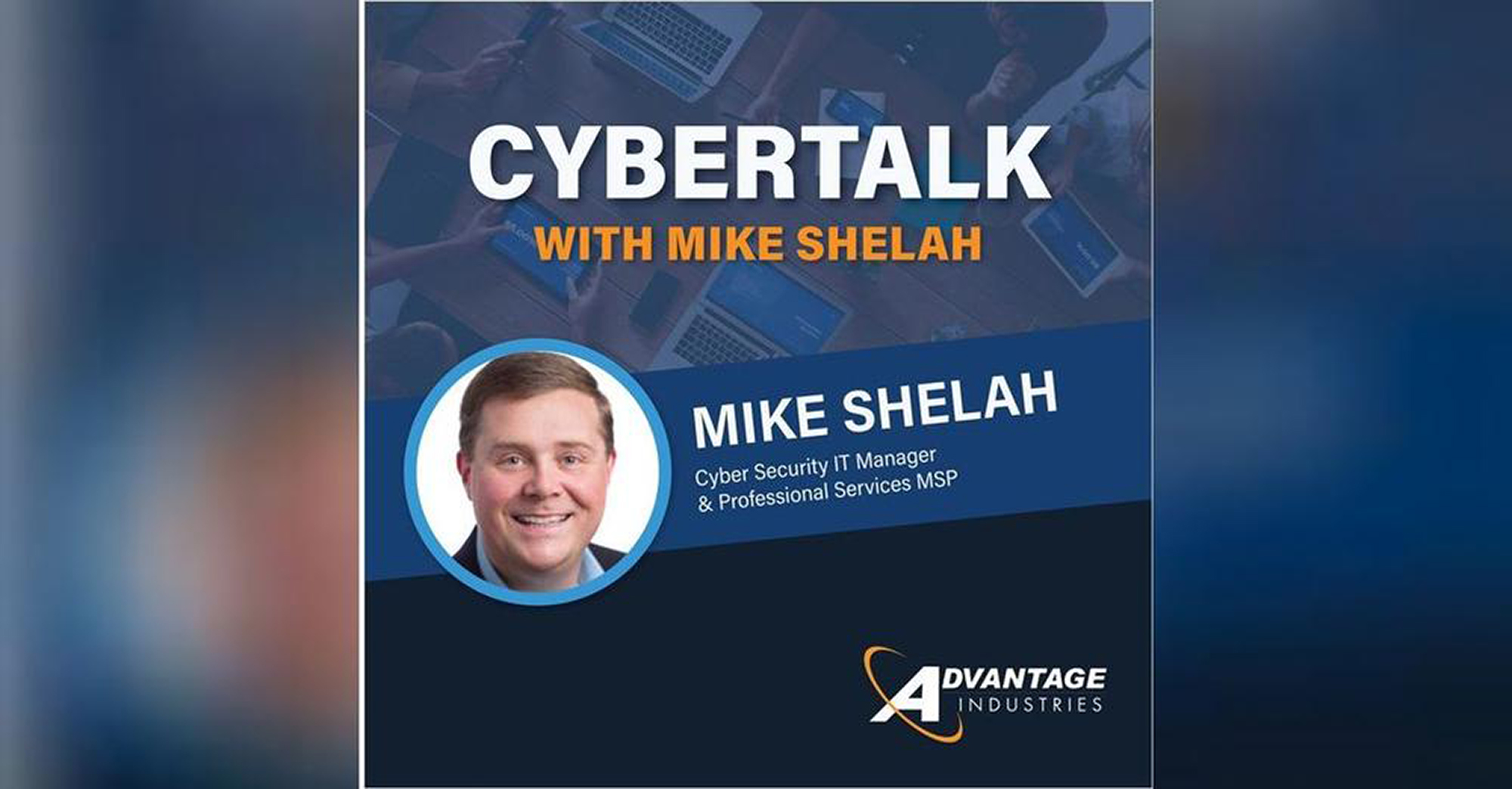
    <div class="html-content"><div><a href="https://www.csee.umbc.edu/wp-content/uploads/2022/05/cybertalk.jpg" rel="nofollow external" class="bo"><img src="https://www.csee.umbc.edu/wp-content/uploads/2022/05/cybertalk-1024x535.jpg" alt="" style="max-width: 100%; height: auto;"></a><h2><strong>UMBC CIO Jack Suess interviewed on CyberTalk podcast</strong></h2><p>UMBC alumnus Mike Shelah (’95) interviewed UMBC’s CIO Jack Seuss on his <a href="https://cybertalkwithmikeshelah.podbean.com/e/cybertalk-with-mike-shelah-episode-2-jack-suess-vp-of-it-cio-for-umbc/" rel="nofollow external" class="bo">CyberTalk podcast</a> about how the University addresses evolving cybersecurity issues and how UMBC uses its students to build a talent pipeline. </p><p>In this <strong><a href="https://cybertalkwithmikeshelah.podbean.com/e/cybertalk-with-mike-shelah-episode-2-jack-suess-vp-of-it-cio-for-umbc/" rel="nofollow external" class="bo">podcast episode</a>,</strong> they discussed how Jack Suess got involved with computing as a UMBC student, how the University uses its students to build a talent pipeline, and how it is addressing the ever-evolving cybersecurity issues today.</p><p>Shelah’s <a href="https://cybertalkwithmikeshelah.podbean.com/" rel="nofollow external" class="bo">CyberTalk</a> is a podcast focused on IT, Cyber, Compliance, and technology strategy. </p></div>
    <p>The post <a href="https://redirect.cs.umbc.edu/2022/05/umbc-cio-jack-suess-interviewed-on-cybertalk-podcast/" rel="nofollow external" class="bo">UMBC CIO Jack Suess interviewed on CyberTalk podcast</a> appeared first on <a href="https://redirect.cs.umbc.edu" rel="nofollow external" class="bo">Department of Computer Science and Electrical Engineering</a>.</p></div>
]]>
</Body>
<Summary>UMBC CIO Jack Suess interviewed on CyberTalk podcast  UMBC alumnus Mike Shelah (’95) interviewed UMBC’s CIO Jack Seuss on his CyberTalk podcast about how the University addresses evolving...</Summary>
<Website>https://redirect.cs.umbc.edu/2022/05/umbc-cio-jack-suess-interviewed-on-cybertalk-podcast/</Website>
<TrackingUrl>https://beta.my.umbc.edu/api/v0/pixel/news/129851/guest@my.umbc.edu/8c9ef9b317041d10de2e1d83f5e56dba/api/pixel</TrackingUrl>
<Tag>careers</Tag>
<Tag>computer-engineering</Tag>
<Tag>computer-science</Tag>
<Tag>cybersecurity</Tag>
<Tag>uncategorized</Tag>
<Group token="cybersecurity">UMBC Cybersecurity Institute Group</Group>
<GroupUrl>https://beta.my.umbc.edu/groups/cybersecurity</GroupUrl>
<AvatarUrl>https://assets3-beta.my.umbc.edu/system/shared/avatars/groups/000/000/485/196da6a7ec6f4c31eab2e474c17a9ab7/xsmall.png?1734891477</AvatarUrl>
<AvatarUrl size="original">https://assets3-beta.my.umbc.edu/system/shared/avatars/groups/000/000/485/196da6a7ec6f4c31eab2e474c17a9ab7/original.png?1734891477</AvatarUrl>
<AvatarUrl size="xxlarge">https://assets4-beta.my.umbc.edu/system/shared/avatars/groups/000/000/485/196da6a7ec6f4c31eab2e474c17a9ab7/xxlarge.png?1734891477</AvatarUrl>
<AvatarUrl size="xlarge">https://assets4-beta.my.umbc.edu/system/shared/avatars/groups/000/000/485/196da6a7ec6f4c31eab2e474c17a9ab7/xlarge.png?1734891477</AvatarUrl>
<AvatarUrl size="large">https://assets2-beta.my.umbc.edu/system/shared/avatars/groups/000/000/485/196da6a7ec6f4c31eab2e474c17a9ab7/large.png?1734891477</AvatarUrl>
<AvatarUrl size="medium">https://assets3-beta.my.umbc.edu/system/shared/avatars/groups/000/000/485/196da6a7ec6f4c31eab2e474c17a9ab7/medium.png?1734891477</AvatarUrl>
<AvatarUrl size="small">https://assets3-beta.my.umbc.edu/system/shared/avatars/groups/000/000/485/196da6a7ec6f4c31eab2e474c17a9ab7/small.png?1734891477</AvatarUrl>
<AvatarUrl size="xsmall">https://assets3-beta.my.umbc.edu/system/shared/avatars/groups/000/000/485/196da6a7ec6f4c31eab2e474c17a9ab7/xsmall.png?1734891477</AvatarUrl>
<AvatarUrl size="xxsmall">https://assets3-beta.my.umbc.edu/system/shared/avatars/groups/000/000/485/196da6a7ec6f4c31eab2e474c17a9ab7/xxsmall.png?1734891477</AvatarUrl>
<Sponsor>UMBC Center for Cybersecurity</Sponsor>
<PawCount>0</PawCount>
<CommentCount>0</CommentCount>
<CommentsAllowed>false</CommentsAllowed>
<PostedAt>Sun, 08 May 2022 13:53:10 -0400</PostedAt>
<EditAt>Sun, 08 May 2022 13:53:10 -0400</EditAt>
</NewsItem>

<NewsItem contentIssues="true" id="119265" important="false" status="posted" url="https://beta.my.umbc.edu/groups/cybersecurity/posts/119265">
<Title>UMBC CIO Jack Suess interviewed on CyberTalk podcast</Title>
<Body>
<![CDATA[
    <div class="html-content"><div><a href="https://www.csee.umbc.edu/wp-content/uploads/2022/05/cybertalk.jpg" rel="nofollow external" class="bo"><img width="1024" height="535" src="https://www.csee.umbc.edu/wp-content/uploads/2022/05/cybertalk-1024x535.jpg" alt="" style="max-width: 100%; height: auto;"></a><h2><strong>UMBC CIO Jack Suess interviewed on CyberTalk podcast</strong></h2><p>UMBC alumnus Mike Shelah (’95) interviewed UMBC’s CIO Jack Seuss on his <a href="https://cybertalkwithmikeshelah.podbean.com/e/cybertalk-with-mike-shelah-episode-2-jack-suess-vp-of-it-cio-for-umbc/" rel="nofollow external" class="bo">CyberTalk podcast</a> about how the University addresses evolving cybersecurity issues and how UMBC uses its students to build a talent pipeline. </p><p>In this <strong><a href="https://cybertalkwithmikeshelah.podbean.com/e/cybertalk-with-mike-shelah-episode-2-jack-suess-vp-of-it-cio-for-umbc/" rel="nofollow external" class="bo">podcast episode</a>,</strong> they discussed how Jack Suess got involved with computing as a UMBC student, how the University uses its students to build a talent pipeline, and how it is addressing the ever-evolving cybersecurity issues today.</p><p>Shelah’s <a href="https://cybertalkwithmikeshelah.podbean.com/" rel="nofollow external" class="bo">CyberTalk</a> is a podcast focused on IT, Cyber, Compliance, and technology strategy. </p></div>
    <p>The post <a href="https://www.csee.umbc.edu/2022/05/umbc-cio-jack-suess-interviewed-on-cybertalk-podcast/" rel="nofollow external" class="bo">UMBC CIO Jack Suess interviewed on CyberTalk podcast</a> appeared first on <a href="https://www.csee.umbc.edu" rel="nofollow external" class="bo">Department of Computer Science and Electrical Engineering</a>.</p></div>
]]>
</Body>
<Summary>UMBC CIO Jack Suess interviewed on CyberTalk podcast  UMBC alumnus Mike Shelah (’95) interviewed UMBC’s CIO Jack Seuss on his CyberTalk podcast about how the University addresses evolving...</Summary>
<Website>https://www.csee.umbc.edu/2022/05/umbc-cio-jack-suess-interviewed-on-cybertalk-podcast/</Website>
<TrackingUrl>https://beta.my.umbc.edu/api/v0/pixel/news/119265/guest@my.umbc.edu/e34a046cc51c1601badfa155f64ddf87/api/pixel</TrackingUrl>
<Tag>careers</Tag>
<Tag>computer-engineering</Tag>
<Tag>computer-science</Tag>
<Tag>cybersecurity</Tag>
<Tag>uncategorized</Tag>
<Group token="cybersecurity">UMBC Cybersecurity Institute Group</Group>
<GroupUrl>https://beta.my.umbc.edu/groups/cybersecurity</GroupUrl>
<AvatarUrl>https://assets3-beta.my.umbc.edu/system/shared/avatars/groups/000/000/485/196da6a7ec6f4c31eab2e474c17a9ab7/xsmall.png?1734891477</AvatarUrl>
<AvatarUrl size="original">https://assets3-beta.my.umbc.edu/system/shared/avatars/groups/000/000/485/196da6a7ec6f4c31eab2e474c17a9ab7/original.png?1734891477</AvatarUrl>
<AvatarUrl size="xxlarge">https://assets4-beta.my.umbc.edu/system/shared/avatars/groups/000/000/485/196da6a7ec6f4c31eab2e474c17a9ab7/xxlarge.png?1734891477</AvatarUrl>
<AvatarUrl size="xlarge">https://assets4-beta.my.umbc.edu/system/shared/avatars/groups/000/000/485/196da6a7ec6f4c31eab2e474c17a9ab7/xlarge.png?1734891477</AvatarUrl>
<AvatarUrl size="large">https://assets2-beta.my.umbc.edu/system/shared/avatars/groups/000/000/485/196da6a7ec6f4c31eab2e474c17a9ab7/large.png?1734891477</AvatarUrl>
<AvatarUrl size="medium">https://assets3-beta.my.umbc.edu/system/shared/avatars/groups/000/000/485/196da6a7ec6f4c31eab2e474c17a9ab7/medium.png?1734891477</AvatarUrl>
<AvatarUrl size="small">https://assets3-beta.my.umbc.edu/system/shared/avatars/groups/000/000/485/196da6a7ec6f4c31eab2e474c17a9ab7/small.png?1734891477</AvatarUrl>
<AvatarUrl size="xsmall">https://assets3-beta.my.umbc.edu/system/shared/avatars/groups/000/000/485/196da6a7ec6f4c31eab2e474c17a9ab7/xsmall.png?1734891477</AvatarUrl>
<AvatarUrl size="xxsmall">https://assets3-beta.my.umbc.edu/system/shared/avatars/groups/000/000/485/196da6a7ec6f4c31eab2e474c17a9ab7/xxsmall.png?1734891477</AvatarUrl>
<Sponsor>UMBC Center for Cybersecurity</Sponsor>
<PawCount>2</PawCount>
<CommentCount>0</CommentCount>
<CommentsAllowed>false</CommentsAllowed>
<PostedAt>Sun, 08 May 2022 13:53:10 -0400</PostedAt>
<EditAt>Sun, 08 May 2022 13:53:10 -0400</EditAt>
</NewsItem>

<NewsItem contentIssues="true" id="129852" important="false" status="posted" url="https://beta.my.umbc.edu/groups/cybersecurity/posts/129852">
<Title>talk: Model Validation for DARPA DPRIVE</Title>
<Body>
<![CDATA[
    <div class="html-content"><div><a href="https://www.csee.umbc.edu/wp-content/uploads/2022/04/Two-Six-Technologies-Home-Cybersecurity@2x.jpeg" rel="nofollow external" class="bo"><img src="https://www.csee.umbc.edu/wp-content/uploads/2022/04/Two-Six-Technologies-Home-Cybersecurity@2x-1024x512.jpeg" alt="" style="max-width: 100%; height: auto;"></a><h4><strong>The UMBC Cyber Defense Lab presents</strong></h4><h2><strong>Model Validation for DARPA DPRIVE</strong></h2><h2><strong>Ian Blumenfeld<br>UMBC and Two Six Technologies</strong></h2><h4>(joint work with Eric Bond, William Harrison, Chris Hathhorn, Paul Li, Matthew Torrence, and Jared Ziegler)</h4><h2><strong>12–1 pm ET, Friday 6 May 2022, via <a rel="nofollow external" class="bo">WebEx</a></strong><br></h2><p>Commodity hardware description languages (HDLs) like VHDL and Verilog present a challenge from a high assurance point of view because they lack formalized semantics: when a team of hardware engineers produces a circuit design in a commodity HDL and claims that it correctly implements a pseudocode algorithm, on what basis can that claim be evaluated? A formalized model of the circuit design may be painstakingly created (e.g., in the logic of a theorem prover), but how are the accuracy and faithfulness of that model then established? The distance between the widely adopted commodity HDLs and formal models of hardware has been a well-recognized and persistent impediment to driving formal methods into hardware development.</p><p>This talk presents a technique developed at Two Six Technologies, called model validation, that formally connects hardware design and its formal model via a functional, high-level synthesis language called ReWire. Model validation introduces a “model” program to bridge the gap between the hardware design and algorithm by establishing 1) the equivalence of the algorithm to the model and 2) the equivalence of the model to the circuit design. Equivalence between the algorithm and the ReWire model is verified with a ReWire semantics formalized in Isabelle. Equivalence between the ReWire model and the circuit design is established by producing binary circuits from each (using commodity synthesis tools and the ReWire compiler rwc) and then applying an automated binary equivalence checker.</p><p>This talk describes our experience applying model validation as part of the DARPA Data Protection in Virtual Environments (DPRIVE) program. DPRIVE aims to develop a novel hardware accelerator to ease computational challenges preventing widespread use of fully homomorphic encryption (FHE) that began with Gentry’s discovery and was improved upon in the PROCEED program. To this end, DPRIVE’s purpose is to design hardware accelerators to improve upon the existing algorithmic gains to FHE. Model validation through ReWire moves formal methods into the practical world, empowering hardware designers to reason about the correctness, safety, and security properties of their designs. In addition, we expect our pipeline to protect hardware supply chains by allowing for a full formal analysis of RTL implementations before tape out.</p><p><a href="https://www.linkedin.com/in/ian-blumenfeld-2bb68793/" rel="nofollow external" class="bo">Ian Blumenfeld</a> is the Research Director for Mathematics at Two Six Technologies.  In that role, he is a principal investigator on multiple DARPA programs, spanning the areas of formal methods, modern cryptography, and applied category theory.  Prior to his work at Two Six, Ian was a formal verification engineer at Apple, where he verified cryptographic properties of the iPhone secure enclave processor.  Ian has worked in roles in and around the federal research space for more than a decade, including five years as an applied research mathematician at the National Security Agency.  Ian is currently enrolled as a part-time Ph.D. student in the UMBC computer science department, working with Dr. Alan Sherman and Dr. Don Engel. Email: <a href="mailto:itblumenfeld@umbc.edu" rel="nofollow external" class="bo">itblumenfeld@umbc.edu</a></p><p>Host: Alan T. Sherman, <a href="mailto:sherman@umbc.edu" rel="nofollow external" class="bo">sherman@umbc.edu</a>. Support for this event was provided in part by the National Science Foundation under SFS grant DGE-1753681. The UMBC Cyber Defense Lab meets biweekly Fridays 12-1pm. All meetings are open to the public. Upcoming CDL Meeting: May 13, Enka Blanchard (Digitrust Loria, France)</p></div>
    <p>The post <a href="https://redirect.cs.umbc.edu/2022/04/talk-model-validation-for-darpa-dprive/" rel="nofollow external" class="bo">talk: Model Validation for DARPA DPRIVE</a> appeared first on <a href="https://redirect.cs.umbc.edu" rel="nofollow external" class="bo">Department of Computer Science and Electrical Engineering</a>.</p></div>
]]>
</Body>
<Summary>The UMBC Cyber Defense Lab presents  Model Validation for DARPA DPRIVE  Ian Blumenfeld UMBC and Two Six Technologies  (joint work with Eric Bond, William Harrison, Chris Hathhorn, Paul Li, Matthew...</Summary>
<Website>https://redirect.cs.umbc.edu/2022/04/talk-model-validation-for-darpa-dprive/</Website>
<TrackingUrl>https://beta.my.umbc.edu/api/v0/pixel/news/129852/guest@my.umbc.edu/7704c7d104dc778066f2ef8af899762e/api/pixel</TrackingUrl>
<Tag>computer-engineering</Tag>
<Tag>computer-science</Tag>
<Tag>cybersecurity</Tag>
<Tag>events</Tag>
<Tag>research</Tag>
<Tag>talks</Tag>
<Tag>uncategorized</Tag>
<Group token="cybersecurity">UMBC Cybersecurity Institute Group</Group>
<GroupUrl>https://beta.my.umbc.edu/groups/cybersecurity</GroupUrl>
<AvatarUrl>https://assets3-beta.my.umbc.edu/system/shared/avatars/groups/000/000/485/196da6a7ec6f4c31eab2e474c17a9ab7/xsmall.png?1734891477</AvatarUrl>
<AvatarUrl size="original">https://assets3-beta.my.umbc.edu/system/shared/avatars/groups/000/000/485/196da6a7ec6f4c31eab2e474c17a9ab7/original.png?1734891477</AvatarUrl>
<AvatarUrl size="xxlarge">https://assets4-beta.my.umbc.edu/system/shared/avatars/groups/000/000/485/196da6a7ec6f4c31eab2e474c17a9ab7/xxlarge.png?1734891477</AvatarUrl>
<AvatarUrl size="xlarge">https://assets4-beta.my.umbc.edu/system/shared/avatars/groups/000/000/485/196da6a7ec6f4c31eab2e474c17a9ab7/xlarge.png?1734891477</AvatarUrl>
<AvatarUrl size="large">https://assets2-beta.my.umbc.edu/system/shared/avatars/groups/000/000/485/196da6a7ec6f4c31eab2e474c17a9ab7/large.png?1734891477</AvatarUrl>
<AvatarUrl size="medium">https://assets3-beta.my.umbc.edu/system/shared/avatars/groups/000/000/485/196da6a7ec6f4c31eab2e474c17a9ab7/medium.png?1734891477</AvatarUrl>
<AvatarUrl size="small">https://assets3-beta.my.umbc.edu/system/shared/avatars/groups/000/000/485/196da6a7ec6f4c31eab2e474c17a9ab7/small.png?1734891477</AvatarUrl>
<AvatarUrl size="xsmall">https://assets3-beta.my.umbc.edu/system/shared/avatars/groups/000/000/485/196da6a7ec6f4c31eab2e474c17a9ab7/xsmall.png?1734891477</AvatarUrl>
<AvatarUrl size="xxsmall">https://assets3-beta.my.umbc.edu/system/shared/avatars/groups/000/000/485/196da6a7ec6f4c31eab2e474c17a9ab7/xxsmall.png?1734891477</AvatarUrl>
<Sponsor>UMBC Center for Cybersecurity</Sponsor>
<PawCount>0</PawCount>
<CommentCount>0</CommentCount>
<CommentsAllowed>false</CommentsAllowed>
<PostedAt>Thu, 28 Apr 2022 09:57:22 -0400</PostedAt>
<EditAt>Thu, 28 Apr 2022 09:57:22 -0400</EditAt>
</NewsItem>

<NewsItem contentIssues="true" id="118993" important="false" status="posted" url="https://beta.my.umbc.edu/groups/cybersecurity/posts/118993">
<Title>talk: Model Validation for DARPA DPRIVE</Title>
<Body>
<![CDATA[
    <div class="html-content"><div><a href="https://www.csee.umbc.edu/wp-content/uploads/2022/04/*protected%20email*" rel="nofollow external" class="bo"><img width="1024" height="512" src="https://www.csee.umbc.edu/wp-content/uploads/2022/04/*protected%20email*" alt="" style="max-width: 100%; height: auto;"></a><h4><strong>The UMBC Cyber Defense Lab presents</strong></h4><h2><strong>Model Validation for DARPA DPRIVE</strong></h2><h2><strong>Ian Blumenfeld<br>UMBC and Two Six Technologies</strong></h2><h4>(joint work with Eric Bond, William Harrison, Chris Hathhorn, Paul Li, Matthew Torrence, and Jared Ziegler)</h4><h2><strong>12–1 pm ET, Friday 6 May 2022, via <a rel="nofollow external" class="bo">WebEx</a></strong><br></h2><p>Commodity hardware description languages (HDLs) like VHDL and Verilog present a challenge from a high assurance point of view because they lack formalized semantics: when a team of hardware engineers produces a circuit design in a commodity HDL and claims that it correctly implements a pseudocode algorithm, on what basis can that claim be evaluated? A formalized model of the circuit design may be painstakingly created (e.g., in the logic of a theorem prover), but how are the accuracy and faithfulness of that model then established? The distance between the widely adopted commodity HDLs and formal models of hardware has been a well-recognized and persistent impediment to driving formal methods into hardware development.</p><p>This talk presents a technique developed at Two Six Technologies, called model validation, that formally connects hardware design and its formal model via a functional, high-level synthesis language called ReWire. Model validation introduces a “model” program to bridge the gap between the hardware design and algorithm by establishing 1) the equivalence of the algorithm to the model and 2) the equivalence of the model to the circuit design. Equivalence between the algorithm and the ReWire model is verified with a ReWire semantics formalized in Isabelle. Equivalence between the ReWire model and the circuit design is established by producing binary circuits from each (using commodity synthesis tools and the ReWire compiler rwc) and then applying an automated binary equivalence checker.</p><p>This talk describes our experience applying model validation as part of the DARPA Data Protection in Virtual Environments (DPRIVE) program. DPRIVE aims to develop a novel hardware accelerator to ease computational challenges preventing widespread use of fully homomorphic encryption (FHE) that began with Gentry’s discovery and was improved upon in the PROCEED program. To this end, DPRIVE’s purpose is to design hardware accelerators to improve upon the existing algorithmic gains to FHE. Model validation through ReWire moves formal methods into the practical world, empowering hardware designers to reason about the correctness, safety, and security properties of their designs. In addition, we expect our pipeline to protect hardware supply chains by allowing for a full formal analysis of RTL implementations before tape out.</p><p><a href="https://www.linkedin.com/in/ian-blumenfeld-2bb68793/" rel="nofollow external" class="bo">Ian Blumenfeld</a> is the Research Director for Mathematics at Two Six Technologies.  In that role, he is a principal investigator on multiple DARPA programs, spanning the areas of formal methods, modern cryptography, and applied category theory.  Prior to his work at Two Six, Ian was a formal verification engineer at Apple, where he verified cryptographic properties of the iPhone secure enclave processor.  Ian has worked in roles in and around the federal research space for more than a decade, including five years as an applied research mathematician at the National Security Agency.  Ian is currently enrolled as a part-time Ph.D. student in the UMBC computer science department, working with Dr. Alan Sherman and Dr. Don Engel. Email: *protected email*</p><p>Host: Alan T. Sherman, *protected email*. Support for this event was provided in part by the National Science Foundation under SFS grant DGE-1753681. The UMBC Cyber Defense Lab meets biweekly Fridays 12-1pm. All meetings are open to the public. Upcoming CDL Meeting: May 13, Enka Blanchard (Digitrust Loria, France)</p></div>
    <p>The post <a href="https://www.csee.umbc.edu/2022/04/talk-model-validation-for-darpa-dprive/" rel="nofollow external" class="bo">talk: Model Validation for DARPA DPRIVE</a> appeared first on <a href="https://www.csee.umbc.edu" rel="nofollow external" class="bo">Department of Computer Science and Electrical Engineering</a>.</p></div>
]]>
</Body>
<Summary>The UMBC Cyber Defense Lab presents  Model Validation for DARPA DPRIVE  Ian Blumenfeld UMBC and Two Six Technologies  (joint work with Eric Bond, William Harrison, Chris Hathhorn, Paul Li, Matthew...</Summary>
<Website>https://www.csee.umbc.edu/2022/04/talk-model-validation-for-darpa-dprive/</Website>
<TrackingUrl>https://beta.my.umbc.edu/api/v0/pixel/news/118993/guest@my.umbc.edu/a7bd1c976eabecaca996cf3cbe7c7efc/api/pixel</TrackingUrl>
<Tag>computer-engineering</Tag>
<Tag>computer-science</Tag>
<Tag>cybersecurity</Tag>
<Tag>events</Tag>
<Tag>research</Tag>
<Tag>talks</Tag>
<Tag>uncategorized</Tag>
<Group token="cybersecurity">UMBC Cybersecurity Institute Group</Group>
<GroupUrl>https://beta.my.umbc.edu/groups/cybersecurity</GroupUrl>
<AvatarUrl>https://assets3-beta.my.umbc.edu/system/shared/avatars/groups/000/000/485/196da6a7ec6f4c31eab2e474c17a9ab7/xsmall.png?1734891477</AvatarUrl>
<AvatarUrl size="original">https://assets3-beta.my.umbc.edu/system/shared/avatars/groups/000/000/485/196da6a7ec6f4c31eab2e474c17a9ab7/original.png?1734891477</AvatarUrl>
<AvatarUrl size="xxlarge">https://assets4-beta.my.umbc.edu/system/shared/avatars/groups/000/000/485/196da6a7ec6f4c31eab2e474c17a9ab7/xxlarge.png?1734891477</AvatarUrl>
<AvatarUrl size="xlarge">https://assets4-beta.my.umbc.edu/system/shared/avatars/groups/000/000/485/196da6a7ec6f4c31eab2e474c17a9ab7/xlarge.png?1734891477</AvatarUrl>
<AvatarUrl size="large">https://assets2-beta.my.umbc.edu/system/shared/avatars/groups/000/000/485/196da6a7ec6f4c31eab2e474c17a9ab7/large.png?1734891477</AvatarUrl>
<AvatarUrl size="medium">https://assets3-beta.my.umbc.edu/system/shared/avatars/groups/000/000/485/196da6a7ec6f4c31eab2e474c17a9ab7/medium.png?1734891477</AvatarUrl>
<AvatarUrl size="small">https://assets3-beta.my.umbc.edu/system/shared/avatars/groups/000/000/485/196da6a7ec6f4c31eab2e474c17a9ab7/small.png?1734891477</AvatarUrl>
<AvatarUrl size="xsmall">https://assets3-beta.my.umbc.edu/system/shared/avatars/groups/000/000/485/196da6a7ec6f4c31eab2e474c17a9ab7/xsmall.png?1734891477</AvatarUrl>
<AvatarUrl size="xxsmall">https://assets3-beta.my.umbc.edu/system/shared/avatars/groups/000/000/485/196da6a7ec6f4c31eab2e474c17a9ab7/xxsmall.png?1734891477</AvatarUrl>
<Sponsor>UMBC Center for Cybersecurity</Sponsor>
<PawCount>1</PawCount>
<CommentCount>0</CommentCount>
<CommentsAllowed>false</CommentsAllowed>
<PostedAt>Thu, 28 Apr 2022 09:57:22 -0400</PostedAt>
<EditAt>Thu, 28 Apr 2022 09:57:22 -0400</EditAt>
</NewsItem>

</News>