<?xml version="1.0"?>
<News hasArchived="true" page="3" pageCount="19" pageSize="10" timestamp="Tue, 28 Apr 2026 01:26:13 -0400" url="https://beta.my.umbc.edu/groups/cybersecurity/posts.xml?mode=pawpularity&amp;page=3">
<NewsItem contentIssues="false" id="153006" important="false" status="posted" url="https://beta.my.umbc.edu/groups/cybersecurity/posts/153006">
<Title>Webinar: Defending Against Cyber Threats: How AI is Changing the Game</Title>
<Tagline>BWTech@UMBC webinar recorded on September 24, 2025</Tagline>
<Body>
<![CDATA[
    <div class="html-content">BWTech@UMBC held a webinar last week on <a href="https://www.youtube.com/watch?v=QL28FHZVU8o" rel="nofollow external" class="bo"><strong>Defending Against Cyber Threats: How AI is Changing the Game</strong></a><span>.  It explored how a</span><span>rtificial intelligence is revolutionizing cybersecurity—enhancing defense capabilities while also creating new vulnerabilities,  A panel of experts addressed the topics:</span><div><ul><li>How AI is both a powerful defense tool and a new frontier for cyber threats.</li><li>The latest cybercriminal tactics and how AI can help you detect threats faster and respond smarter.</li><li>Practical strategies to strengthen your security.</li></ul></div><p>The webinar was moderated by <a href="https://www.linkedin.com/in/patrickjwynn/" rel="nofollow external" class="bo">Patrick Wynn</a> from LBK Partners and included three panelists:</p><div><ul><li><a href="https://www.linkedin.com/in/mauriceboissiere/" rel="nofollow external" class="bo">Maurice Boissiere</a>, Partner &amp; CCO, DataTribe </li><li><a href="https://www.linkedin.com/in/kmentzell/" rel="nofollow external" class="bo">Kimberly Mentzell</a>, Director of Cybersecurity &amp; Lead for Emerging Technologies, Maryland Department of Commerce</li><li><a href="https://www.linkedin.com/in/nurad1/" rel="nofollow external" class="bo">Gregg Smith</a>, CEO, Technology Advancement Center (TAC)</li></ul><div>You can watch a recording of the webinar on <a href="https://www.youtube.com/watch?v=QL28FHZVU8o" rel="nofollow external" class="bo">YouTube</a>.</div></div></div>
]]>
</Body>
<Summary>BWTech@UMBC held a webinar last week on Defending Against Cyber Threats: How AI is Changing the Game.  It explored how artificial intelligence is revolutionizing cybersecurity—enhancing defense...</Summary>
<Website>https://www.youtube.com/watch?v=QL28FHZVU8o</Website>
<TrackingUrl>https://beta.my.umbc.edu/api/v0/pixel/news/153006/guest@my.umbc.edu/892fb16ad75d3ea0311f62b725a5a116/api/pixel</TrackingUrl>
<Tag>ai</Tag>
<Tag>bwtech</Tag>
<Tag>cybersecurity</Tag>
<Tag>video</Tag>
<Tag>webinar</Tag>
<Group token="cybersecurity">UMBC Cybersecurity Institute Group</Group>
<GroupUrl>https://beta.my.umbc.edu/groups/cybersecurity</GroupUrl>
<AvatarUrl>https://assets3-beta.my.umbc.edu/system/shared/avatars/groups/000/000/485/196da6a7ec6f4c31eab2e474c17a9ab7/xsmall.png?1734891477</AvatarUrl>
<AvatarUrl size="original">https://assets3-beta.my.umbc.edu/system/shared/avatars/groups/000/000/485/196da6a7ec6f4c31eab2e474c17a9ab7/original.png?1734891477</AvatarUrl>
<AvatarUrl size="xxlarge">https://assets4-beta.my.umbc.edu/system/shared/avatars/groups/000/000/485/196da6a7ec6f4c31eab2e474c17a9ab7/xxlarge.png?1734891477</AvatarUrl>
<AvatarUrl size="xlarge">https://assets4-beta.my.umbc.edu/system/shared/avatars/groups/000/000/485/196da6a7ec6f4c31eab2e474c17a9ab7/xlarge.png?1734891477</AvatarUrl>
<AvatarUrl size="large">https://assets2-beta.my.umbc.edu/system/shared/avatars/groups/000/000/485/196da6a7ec6f4c31eab2e474c17a9ab7/large.png?1734891477</AvatarUrl>
<AvatarUrl size="medium">https://assets3-beta.my.umbc.edu/system/shared/avatars/groups/000/000/485/196da6a7ec6f4c31eab2e474c17a9ab7/medium.png?1734891477</AvatarUrl>
<AvatarUrl size="small">https://assets3-beta.my.umbc.edu/system/shared/avatars/groups/000/000/485/196da6a7ec6f4c31eab2e474c17a9ab7/small.png?1734891477</AvatarUrl>
<AvatarUrl size="xsmall">https://assets3-beta.my.umbc.edu/system/shared/avatars/groups/000/000/485/196da6a7ec6f4c31eab2e474c17a9ab7/xsmall.png?1734891477</AvatarUrl>
<AvatarUrl size="xxsmall">https://assets3-beta.my.umbc.edu/system/shared/avatars/groups/000/000/485/196da6a7ec6f4c31eab2e474c17a9ab7/xxsmall.png?1734891477</AvatarUrl>
<Sponsor>UMBC Cybersecurity Institute Group</Sponsor>
<PawCount>0</PawCount>
<CommentCount>0</CommentCount>
<CommentsAllowed>true</CommentsAllowed>
<PostedAt>Tue, 30 Sep 2025 10:45:28 -0400</PostedAt>
</NewsItem>

<NewsItem contentIssues="false" id="152578" important="false" status="posted" url="https://beta.my.umbc.edu/groups/cybersecurity/posts/152578">
<Title>Two talks on Security Challenges for Immersive Technologies</Title>
<Tagline>7-8:30am EDT Thursday, October 9 via zoom</Tagline>
<Body>
<![CDATA[
    <div class="html-content"><div>The<strong> <a href="https://incs-coe.org/" rel="nofollow external" class="bo">International Cybersecurity Center of Excellence</a></strong> will host two online talks via <strong><a href="https://hal.zoom.us/j/7376032434?pwd=azlzMncyK0tDOGhIUVRTVWZ3Z2RQdz09&amp;omn=98549414704" rel="nofollow external" class="bo">zoom</a></strong> on <strong>Security Challenges for Immersive Technologies </strong>from 7-8:30am EDT on Thursday, October 9.</div><div><br></div><div><strong>Enhancing Security and Privacy in Augmented Reality - Through the Lens of Eye Tracking</strong><br></div><div><strong><a href="https://people.cs.vt.edu/boji/" rel="nofollow external" class="bo">Bo Ji</a>, Virginia Tech </strong></div><div><br></div><div>Augmented Reality (AR) devices distinguish themselves from other mobile devices by providing an immersive and interactive experience. The ability of these devices to collect information presents challenges and opportunities to improve existing securityp and privacy techniques in this domain. In this talk, I will discuss how readily available eye-tracking sensor data can be used to improve existing methods for assuring security and protecting the privacy of those near the device. Our research has presented three new systems, BystandAR, ShouldAR, and GazePair, leveraging the user's eye gaze to improve security and privacy expectations in or with AR. As these devices grow in power and number, such solutions are necessary to prevent perception and privacy failures that hindered earlier devices. This work is presented in the hope that these solutions can improve and expedite the adoption of these powerful and useful AR devices.</div><div><br></div><div><a href="https://people.cs.vt.edu/boji/" rel="nofollow external" class="bo"><strong>Bo Ji</strong></a> is an Associate Professor of Computer Science and a College of Engineering Faculty Fellow at Virginia Tech. His research interests include interdisciplinary intersections of computing and networking systems, artificial intelligence and machine learning, security and privacy, and extended reality. More information about his research can be found here: <a href="https://people.cs.vt.edu/boji">https://people.cs.vt.edu/boji</a>.</div><div><br></div><div><br></div><div><strong>Shaping the Metaverse: Policy engagement with immersive technologies in the UK</strong></div><div><strong><a href="https://pure.qub.ac.uk/en/persons/jesus-martinez-del-rincon" rel="nofollow external" class="bo">Jesus Martinez del Rincon</a>, Queen’s University Belfast (UK)</strong></div><div><br></div><div>Queen’s University Belfast completed a two-phase Metaverse technologies horizonscanning project in July 2023 and 2025. This talk will cover a summary of the most relevant findings and outcomes. In the first phase, we presented a broad landscaping report of UK interests and activity in related technical areas. Building on areas where the UK might benefit from the emerging Metaverse, the second phase, deepen int analysis in three main areas: a) interoperability an standards: where we highlighted current metaverse standards development organisations and identified the strategic aims of such participation; b) privacy, security and regulations: investigating two complementary aspects: (1) the evolving regulatory and legal landscape related to data collection by metaverse service operators; (2) a thread analysis of the metaverse and a technical analysis of the privacy preserving technologies that could enable metaverse data platforms ; c) a horizon-scanning of Distributed Ledger Technology [DLT] and their application to the Metaverse.</div><div><br></div><div><a href="https://pure.qub.ac.uk/en/persons/jesus-martinez-del-rincon" rel="nofollow external" class="bo"><strong>Jesus Martinez-del-Rincon</strong></a> is a Professor in Secure and Trustworthy AI at the School of Electronics, Electrical Engineering and Computer Science, Computer Science, Queens University Belfast (QUB). He leads the Centre for Secure Information Technologies (CSIT)’s Secure Intelligence (SI) group. </div></div>
]]>
</Body>
<Summary>The International Cybersecurity Center of Excellence will host two online talks via zoom on Security Challenges for Immersive Technologies from 7-8:30am EDT on Thursday, October 9.     Enhancing...</Summary>
<TrackingUrl>https://beta.my.umbc.edu/api/v0/pixel/news/152578/guest@my.umbc.edu/64b120af700886f2c0a3389f9758d3ef/api/pixel</TrackingUrl>
<Tag>challenges</Tag>
<Tag>cybersecurity</Tag>
<Tag>immersive</Tag>
<Tag>security</Tag>
<Tag>technologies</Tag>
<Group token="cybersecurity">UMBC Cybersecurity Institute Group</Group>
<GroupUrl>https://beta.my.umbc.edu/groups/cybersecurity</GroupUrl>
<AvatarUrl>https://assets3-beta.my.umbc.edu/system/shared/avatars/groups/000/000/485/196da6a7ec6f4c31eab2e474c17a9ab7/xsmall.png?1734891477</AvatarUrl>
<AvatarUrl size="original">https://assets3-beta.my.umbc.edu/system/shared/avatars/groups/000/000/485/196da6a7ec6f4c31eab2e474c17a9ab7/original.png?1734891477</AvatarUrl>
<AvatarUrl size="xxlarge">https://assets4-beta.my.umbc.edu/system/shared/avatars/groups/000/000/485/196da6a7ec6f4c31eab2e474c17a9ab7/xxlarge.png?1734891477</AvatarUrl>
<AvatarUrl size="xlarge">https://assets4-beta.my.umbc.edu/system/shared/avatars/groups/000/000/485/196da6a7ec6f4c31eab2e474c17a9ab7/xlarge.png?1734891477</AvatarUrl>
<AvatarUrl size="large">https://assets2-beta.my.umbc.edu/system/shared/avatars/groups/000/000/485/196da6a7ec6f4c31eab2e474c17a9ab7/large.png?1734891477</AvatarUrl>
<AvatarUrl size="medium">https://assets3-beta.my.umbc.edu/system/shared/avatars/groups/000/000/485/196da6a7ec6f4c31eab2e474c17a9ab7/medium.png?1734891477</AvatarUrl>
<AvatarUrl size="small">https://assets3-beta.my.umbc.edu/system/shared/avatars/groups/000/000/485/196da6a7ec6f4c31eab2e474c17a9ab7/small.png?1734891477</AvatarUrl>
<AvatarUrl size="xsmall">https://assets3-beta.my.umbc.edu/system/shared/avatars/groups/000/000/485/196da6a7ec6f4c31eab2e474c17a9ab7/xsmall.png?1734891477</AvatarUrl>
<AvatarUrl size="xxsmall">https://assets3-beta.my.umbc.edu/system/shared/avatars/groups/000/000/485/196da6a7ec6f4c31eab2e474c17a9ab7/xxsmall.png?1734891477</AvatarUrl>
<Sponsor>UMBC Cybersecurity Institute Group</Sponsor>
<ThumbnailUrl size="xxlarge">https://assets1-beta.my.umbc.edu/system/shared/thumbnails/news/000/152/578/ec222198040692f276c7128d6a361b8b/xxlarge.jpg?1758119299</ThumbnailUrl>
<ThumbnailUrl size="xlarge">https://assets4-beta.my.umbc.edu/system/shared/thumbnails/news/000/152/578/ec222198040692f276c7128d6a361b8b/xlarge.jpg?1758119299</ThumbnailUrl>
<ThumbnailUrl size="large">https://assets4-beta.my.umbc.edu/system/shared/thumbnails/news/000/152/578/ec222198040692f276c7128d6a361b8b/large.jpg?1758119299</ThumbnailUrl>
<ThumbnailUrl size="medium">https://assets2-beta.my.umbc.edu/system/shared/thumbnails/news/000/152/578/ec222198040692f276c7128d6a361b8b/medium.jpg?1758119299</ThumbnailUrl>
<ThumbnailUrl size="small">https://assets2-beta.my.umbc.edu/system/shared/thumbnails/news/000/152/578/ec222198040692f276c7128d6a361b8b/small.jpg?1758119299</ThumbnailUrl>
<ThumbnailUrl size="xsmall">https://assets3-beta.my.umbc.edu/system/shared/thumbnails/news/000/152/578/ec222198040692f276c7128d6a361b8b/xsmall.jpg?1758119299</ThumbnailUrl>
<ThumbnailUrl size="xxsmall">https://assets2-beta.my.umbc.edu/system/shared/thumbnails/news/000/152/578/ec222198040692f276c7128d6a361b8b/xxsmall.jpg?1758119299</ThumbnailUrl>
<ThumbnailAltText>International Cybersecurity Center of Excellence</ThumbnailAltText>
<PawCount>0</PawCount>
<CommentCount>0</CommentCount>
<CommentsAllowed>true</CommentsAllowed>
<PostedAt>Wed, 17 Sep 2025 10:39:54 -0400</PostedAt>
</NewsItem>

<NewsItem contentIssues="false" id="151702" important="false" status="posted" url="https://beta.my.umbc.edu/groups/cybersecurity/posts/151702">
<Title>Talk: Uncovering Insecure Designs of Cellular Emergency Services</Title>
<Tagline>UMBC Prof. Yiwen Hu, 12-1pm EDT Fri., Sept. 5, 2025 online</Tagline>
<Body>
<![CDATA[
    <div class="html-content"><span>UMBC Assistant Professor <strong><a href="https://www.csee.umbc.edu/yiwen-hu/" rel="nofollow external" class="bo"><strong>Yiwen Hu</strong></a> </strong>will give a <a href="https://umbc.webex.com/meet/sherman" rel="nofollow external" class="bo">online</a> talk on her research on the security of US 911 services from 12-1pm EST on Friday, September 5 as part of the <a href="https://cisa.umbc.edu/" rel="nofollow external" class="bo">UMBC Cyber Defense Lab </a>biweekly Fall series of research talks.</span><div><span><div><br></div><div><div>Emergency communication over cellular networks (4G, 5G, and beyond) is a vital part of our nation’s emergency response and disaster preparedness system. Its security, however, is still far from satisfactory due to cellular-specific technical challenges and the diversified requirements from standards organizations and administrative authorities.</div><div><br></div><div>She will share our research insights and findings on (1) identifying design defects in cellular emergency services standards, and (2) investigating the security of operational emergency services in the U.S., as well as the technical challenges we encountered and how to address them.  Her results show that operational cellular emergency services can be abused in deniable ways. She will also discuss emerging challenges and opportunities for safeguarding next-generation emergency services.</div><div><br></div><div><a href="https://www.csee.umbc.edu/yiwen-hu/" rel="nofollow external" class="bo"><strong>Yiwen Hu</strong></a> is an assistant professor in the CSEE Department at UMBC. She received her Ph.D. in computer science from Michigan State University and her B.S. degree from Zhejiang University, China. Her research interests span wireless communication, network security, mobile systems and applications. Her recent work focuses on safeguarding next-generation emergency services and advancing Vehicle-to-Everything (V2X) communications.</div><div><br></div><div>You can participate in the online seminar via <a href="https://umbc.webex.com/meet/sherman" rel="nofollow external" class="bo"><strong>WebEx</strong></a>.</div><div><br></div></div></span></div></div>
]]>
</Body>
<Summary>UMBC Assistant Professor Yiwen Hu will give a online talk on her research on the security of US 911 services from 12-1pm EST on Friday, September 5 as part of the UMBC Cyber Defense Lab biweekly...</Summary>
<TrackingUrl>https://beta.my.umbc.edu/api/v0/pixel/news/151702/guest@my.umbc.edu/6f7892f00be0c5718180a5aff3077081/api/pixel</TrackingUrl>
<Tag>cellular</Tag>
<Tag>cybersecurity</Tag>
<Tag>networks</Tag>
<Tag>orientation</Tag>
<Tag>umbc</Tag>
<Group token="cybersecurity">UMBC Cybersecurity Institute Group</Group>
<GroupUrl>https://beta.my.umbc.edu/groups/cybersecurity</GroupUrl>
<AvatarUrl>https://assets3-beta.my.umbc.edu/system/shared/avatars/groups/000/000/485/196da6a7ec6f4c31eab2e474c17a9ab7/xsmall.png?1734891477</AvatarUrl>
<AvatarUrl size="original">https://assets3-beta.my.umbc.edu/system/shared/avatars/groups/000/000/485/196da6a7ec6f4c31eab2e474c17a9ab7/original.png?1734891477</AvatarUrl>
<AvatarUrl size="xxlarge">https://assets4-beta.my.umbc.edu/system/shared/avatars/groups/000/000/485/196da6a7ec6f4c31eab2e474c17a9ab7/xxlarge.png?1734891477</AvatarUrl>
<AvatarUrl size="xlarge">https://assets4-beta.my.umbc.edu/system/shared/avatars/groups/000/000/485/196da6a7ec6f4c31eab2e474c17a9ab7/xlarge.png?1734891477</AvatarUrl>
<AvatarUrl size="large">https://assets2-beta.my.umbc.edu/system/shared/avatars/groups/000/000/485/196da6a7ec6f4c31eab2e474c17a9ab7/large.png?1734891477</AvatarUrl>
<AvatarUrl size="medium">https://assets3-beta.my.umbc.edu/system/shared/avatars/groups/000/000/485/196da6a7ec6f4c31eab2e474c17a9ab7/medium.png?1734891477</AvatarUrl>
<AvatarUrl size="small">https://assets3-beta.my.umbc.edu/system/shared/avatars/groups/000/000/485/196da6a7ec6f4c31eab2e474c17a9ab7/small.png?1734891477</AvatarUrl>
<AvatarUrl size="xsmall">https://assets3-beta.my.umbc.edu/system/shared/avatars/groups/000/000/485/196da6a7ec6f4c31eab2e474c17a9ab7/xsmall.png?1734891477</AvatarUrl>
<AvatarUrl size="xxsmall">https://assets3-beta.my.umbc.edu/system/shared/avatars/groups/000/000/485/196da6a7ec6f4c31eab2e474c17a9ab7/xxsmall.png?1734891477</AvatarUrl>
<Sponsor>UMBC Cybersecurity Institute Group</Sponsor>
<ThumbnailUrl size="xxlarge">https://assets3-beta.my.umbc.edu/system/shared/thumbnails/news/000/151/702/6176b2d5a4fb77613b69bf23f96305a3/xxlarge.jpg?1756133828</ThumbnailUrl>
<ThumbnailUrl size="xlarge">https://assets1-beta.my.umbc.edu/system/shared/thumbnails/news/000/151/702/6176b2d5a4fb77613b69bf23f96305a3/xlarge.jpg?1756133828</ThumbnailUrl>
<ThumbnailUrl size="large">https://assets1-beta.my.umbc.edu/system/shared/thumbnails/news/000/151/702/6176b2d5a4fb77613b69bf23f96305a3/large.jpg?1756133828</ThumbnailUrl>
<ThumbnailUrl size="medium">https://assets4-beta.my.umbc.edu/system/shared/thumbnails/news/000/151/702/6176b2d5a4fb77613b69bf23f96305a3/medium.jpg?1756133828</ThumbnailUrl>
<ThumbnailUrl size="small">https://assets2-beta.my.umbc.edu/system/shared/thumbnails/news/000/151/702/6176b2d5a4fb77613b69bf23f96305a3/small.jpg?1756133828</ThumbnailUrl>
<ThumbnailUrl size="xsmall">https://assets2-beta.my.umbc.edu/system/shared/thumbnails/news/000/151/702/6176b2d5a4fb77613b69bf23f96305a3/xsmall.jpg?1756133828</ThumbnailUrl>
<ThumbnailUrl size="xxsmall">https://assets3-beta.my.umbc.edu/system/shared/thumbnails/news/000/151/702/6176b2d5a4fb77613b69bf23f96305a3/xxsmall.jpg?1756133828</ThumbnailUrl>
<ThumbnailAltText>headshot of UMBC professor Yiwen Hu</ThumbnailAltText>
<PawCount>0</PawCount>
<CommentCount>0</CommentCount>
<CommentsAllowed>true</CommentsAllowed>
<PostedAt>Mon, 25 Aug 2025 11:03:35 -0400</PostedAt>
</NewsItem>

<NewsItem contentIssues="false" id="151456" important="false" status="posted" url="https://beta.my.umbc.edu/groups/cybersecurity/posts/151456">
<Title>UMBC Receives $1M NSF Grant for its SFS Cybersecurity Program</Title>
<Tagline>Three year award will support five new Cyber Scholars</Tagline>
<Body>
<![CDATA[
    <div class="html-content"><span><p><span>The National Science Foundation awarded UMBC a third grant to continue its </span><a href="https://sfs.opm.gov/" rel="nofollow external" class="bo"><span>Scholarship for Service</span></a><em> </em><span>(SFS) cybersecurity scholarship program directed by computer science professors </span><a href="https://cybersecurity.umbc.edu/alan-sherman/" rel="nofollow external" class="bo"><span>Alan T. Sherman</span></a><span> (PI) and </span><a href="https://robertoyus.com/" rel="nofollow external" class="bo"><span>Roberto Yus</span></a><span> (CoPI). The three-year award will support five new scholars majoring in CS, CE, or IS at the BS, MS, or PhD levels. Each year, scholars receive full tuition and fees and $6000 for professional expenses. In return, they must work for the government for each year of support at the federal, state, local, tribal, or territorial level. Scholars must be US citizens or permanent residents.</span><span>Prospective scholars may apply by noon, September 12, 2025, via </span><a href="https://scholarships.umbc.edu/retriever/" rel="nofollow external" class="bo"><span>Scholarship Retriever</span></a><span>.</span></p><p><span>Sherman (PI) and </span><a href="https://rickf.org/" rel="nofollow external" class="bo"><span>Richard Forno</span></a><span> (CoPI) have directed UMBC’s SFS program since 2012, bringing over 12 million dollars to support cybersecurity at UMBC, including funds for scholarships and research activities of Sherman’s </span><a href="https://cisa.umbc.edu/" rel="nofollow external" class="bo"><span>Cyber Defense Lab</span></a><span> (CDL). </span><span>UMBC has graduated over 100 SFS scholars, placing UMBC fifth in the nation for the number of SFS graduates. UMBC SFS scholars engage actively in research and hands-on learning. For example, each January, SFS scholars participate in a collaborative research project to analyze the security of some aspect of the UMBC network. In 2025, the scholars analyzed the security and privacy of a prototype of the new myUMBC search that integrates ChatGPT. Each summer, SFS scholars carry out an internship with the government.</span></p><p><span>Reflecting the growing importance of artificial intelligence and changing government funding priorities, new SFS scholars will be required to complete at least four AI courses in addition to completing a cybersecurity track. Previous innovations of UMBC’s SFS program included connecting scholars to local companies and government research labs, and extending SFS scholarships to two partner community colleges: Montgomery College and Prince George’s Community College.</span></p><p><span>At CDL, SFS scholars contribute to impactful research on several aspects of cybersecurity, including election security, formal-methods analysis of cryptographic protocols, and cybersecurity education. Recently, Sherman and his team have completed a security analysis of the </span><a href="https://securedna.org/" rel="nofollow external" class="bo"><span>SecureDNA</span></a><span> system, which enables DNA synthesis labs to screen order requests against a database of known hazards. Sherman is a coauthor on a paper to be presented this fall at </span><span><a href="https://e-vote-id-2025.inria.fr/" rel="nofollow external" class="bo">E-Vote-ID</a></span><span> on a coercion-resistant voting system. In 2023, Sherman won best research paper at the SIGSCE conference for his paper on the psychometric validation of a cybersecurity concept inventory</span><span> Drs. Sherman and former SFS scholar Golaszewski are organizing the </span><a href="https://ssresearch26.umbc.edu/" rel="nofollow external" class="bo"><span>2026 Security Standardisation Research</span></a><span> conference, which will take place in Baltimore.</span></p><br></span></div>
]]>
</Body>
<Summary>The National Science Foundation awarded UMBC a third grant to continue its Scholarship for Service (SFS) cybersecurity scholarship program directed by computer science professors Alan T. Sherman...</Summary>
<TrackingUrl>https://beta.my.umbc.edu/api/v0/pixel/news/151456/guest@my.umbc.edu/3c010c99800ba5ea93337425d6ecceee/api/pixel</TrackingUrl>
<Tag>cybersecurity</Tag>
<Tag>nsf</Tag>
<Tag>scholarship</Tag>
<Tag>service</Tag>
<Tag>sfs</Tag>
<Tag>umbc</Tag>
<Group token="cybersecurity">UMBC Cybersecurity Institute Group</Group>
<GroupUrl>https://beta.my.umbc.edu/groups/cybersecurity</GroupUrl>
<AvatarUrl>https://assets3-beta.my.umbc.edu/system/shared/avatars/groups/000/000/485/196da6a7ec6f4c31eab2e474c17a9ab7/xsmall.png?1734891477</AvatarUrl>
<AvatarUrl size="original">https://assets3-beta.my.umbc.edu/system/shared/avatars/groups/000/000/485/196da6a7ec6f4c31eab2e474c17a9ab7/original.png?1734891477</AvatarUrl>
<AvatarUrl size="xxlarge">https://assets4-beta.my.umbc.edu/system/shared/avatars/groups/000/000/485/196da6a7ec6f4c31eab2e474c17a9ab7/xxlarge.png?1734891477</AvatarUrl>
<AvatarUrl size="xlarge">https://assets4-beta.my.umbc.edu/system/shared/avatars/groups/000/000/485/196da6a7ec6f4c31eab2e474c17a9ab7/xlarge.png?1734891477</AvatarUrl>
<AvatarUrl size="large">https://assets2-beta.my.umbc.edu/system/shared/avatars/groups/000/000/485/196da6a7ec6f4c31eab2e474c17a9ab7/large.png?1734891477</AvatarUrl>
<AvatarUrl size="medium">https://assets3-beta.my.umbc.edu/system/shared/avatars/groups/000/000/485/196da6a7ec6f4c31eab2e474c17a9ab7/medium.png?1734891477</AvatarUrl>
<AvatarUrl size="small">https://assets3-beta.my.umbc.edu/system/shared/avatars/groups/000/000/485/196da6a7ec6f4c31eab2e474c17a9ab7/small.png?1734891477</AvatarUrl>
<AvatarUrl size="xsmall">https://assets3-beta.my.umbc.edu/system/shared/avatars/groups/000/000/485/196da6a7ec6f4c31eab2e474c17a9ab7/xsmall.png?1734891477</AvatarUrl>
<AvatarUrl size="xxsmall">https://assets3-beta.my.umbc.edu/system/shared/avatars/groups/000/000/485/196da6a7ec6f4c31eab2e474c17a9ab7/xxsmall.png?1734891477</AvatarUrl>
<Sponsor>UMBC Cybersecurity Institute Group</Sponsor>
<ThumbnailUrl size="xxlarge">https://assets1-beta.my.umbc.edu/system/shared/thumbnails/news/000/151/456/3c5b0d3609348c13227351185895673d/xxlarge.jpg?1755014648</ThumbnailUrl>
<ThumbnailUrl size="xlarge">https://assets3-beta.my.umbc.edu/system/shared/thumbnails/news/000/151/456/3c5b0d3609348c13227351185895673d/xlarge.jpg?1755014648</ThumbnailUrl>
<ThumbnailUrl size="large">https://assets1-beta.my.umbc.edu/system/shared/thumbnails/news/000/151/456/3c5b0d3609348c13227351185895673d/large.jpg?1755014648</ThumbnailUrl>
<ThumbnailUrl size="medium">https://assets4-beta.my.umbc.edu/system/shared/thumbnails/news/000/151/456/3c5b0d3609348c13227351185895673d/medium.jpg?1755014648</ThumbnailUrl>
<ThumbnailUrl size="small">https://assets1-beta.my.umbc.edu/system/shared/thumbnails/news/000/151/456/3c5b0d3609348c13227351185895673d/small.jpg?1755014648</ThumbnailUrl>
<ThumbnailUrl size="xsmall">https://assets1-beta.my.umbc.edu/system/shared/thumbnails/news/000/151/456/3c5b0d3609348c13227351185895673d/xsmall.jpg?1755014648</ThumbnailUrl>
<ThumbnailUrl size="xxsmall">https://assets1-beta.my.umbc.edu/system/shared/thumbnails/news/000/151/456/3c5b0d3609348c13227351185895673d/xxsmall.jpg?1755014648</ThumbnailUrl>
<ThumbnailAltText>UMBC Cyberscholars</ThumbnailAltText>
<PawCount>1</PawCount>
<CommentCount>0</CommentCount>
<CommentsAllowed>true</CommentsAllowed>
<PostedAt>Tue, 12 Aug 2025 12:25:31 -0400</PostedAt>
</NewsItem>

<NewsItem contentIssues="false" id="151226" important="false" status="posted" url="https://beta.my.umbc.edu/groups/cybersecurity/posts/151226">
<Title>UMBC hosts 2026 Security Standardisation Research Conference</Title>
<Tagline>To be held December 13-15, 2026 in Baltimore</Tagline>
<Body>
<![CDATA[
    <div class="html-content"><span><span>UMBC will host the </span><a href="https://ssresearch26.umbc.edu/" rel="nofollow external" class="bo"><span>2026 Security Standardisation Research Conference</span></a><span> (SSR), which will be held December 13-15, 2026 in Baltimore and will include a co-located protocol analysis workshop. The conference will discuss and address research in existing standards, possible revisions to them, and the exploration of entirely new areas of standardization, such as post-quantum cryptography, fully homomorphic encryption, 6G wireless communication, and artificial intelligence. UMBC faculty </span><a href="https://www.csee.umbc.edu/people/faculty/alan-t-sherman/" rel="nofollow external" class="bo"><span>Alan Sherman</span></a><span> and </span><a href="https://www.csee.umbc.edu/enis-golaszewski/" rel="nofollow external" class="bo"><span>Enis Golaszewski</span></a><span> are the local organizers for SSR 2026.</span></span></div>
]]>
</Body>
<Summary>UMBC will host the 2026 Security Standardisation Research Conference (SSR), which will be held December 13-15, 2026 in Baltimore and will include a co-located protocol analysis workshop. The...</Summary>
<Website>https://ssresearch26.umbc.edu/</Website>
<TrackingUrl>https://beta.my.umbc.edu/api/v0/pixel/news/151226/guest@my.umbc.edu/21017fdcd8b3846ba32533d29aa26a9e/api/pixel</TrackingUrl>
<Tag>conference</Tag>
<Tag>security</Tag>
<Tag>ssr</Tag>
<Tag>standardization</Tag>
<Tag>standards</Tag>
<Tag>umbc</Tag>
<Group token="cybersecurity">UMBC Cybersecurity Institute Group</Group>
<GroupUrl>https://beta.my.umbc.edu/groups/cybersecurity</GroupUrl>
<AvatarUrl>https://assets3-beta.my.umbc.edu/system/shared/avatars/groups/000/000/485/196da6a7ec6f4c31eab2e474c17a9ab7/xsmall.png?1734891477</AvatarUrl>
<AvatarUrl size="original">https://assets3-beta.my.umbc.edu/system/shared/avatars/groups/000/000/485/196da6a7ec6f4c31eab2e474c17a9ab7/original.png?1734891477</AvatarUrl>
<AvatarUrl size="xxlarge">https://assets4-beta.my.umbc.edu/system/shared/avatars/groups/000/000/485/196da6a7ec6f4c31eab2e474c17a9ab7/xxlarge.png?1734891477</AvatarUrl>
<AvatarUrl size="xlarge">https://assets4-beta.my.umbc.edu/system/shared/avatars/groups/000/000/485/196da6a7ec6f4c31eab2e474c17a9ab7/xlarge.png?1734891477</AvatarUrl>
<AvatarUrl size="large">https://assets2-beta.my.umbc.edu/system/shared/avatars/groups/000/000/485/196da6a7ec6f4c31eab2e474c17a9ab7/large.png?1734891477</AvatarUrl>
<AvatarUrl size="medium">https://assets3-beta.my.umbc.edu/system/shared/avatars/groups/000/000/485/196da6a7ec6f4c31eab2e474c17a9ab7/medium.png?1734891477</AvatarUrl>
<AvatarUrl size="small">https://assets3-beta.my.umbc.edu/system/shared/avatars/groups/000/000/485/196da6a7ec6f4c31eab2e474c17a9ab7/small.png?1734891477</AvatarUrl>
<AvatarUrl size="xsmall">https://assets3-beta.my.umbc.edu/system/shared/avatars/groups/000/000/485/196da6a7ec6f4c31eab2e474c17a9ab7/xsmall.png?1734891477</AvatarUrl>
<AvatarUrl size="xxsmall">https://assets3-beta.my.umbc.edu/system/shared/avatars/groups/000/000/485/196da6a7ec6f4c31eab2e474c17a9ab7/xxsmall.png?1734891477</AvatarUrl>
<Sponsor>UMBC Cybersecurity Institute Group</Sponsor>
<ThumbnailUrl size="xxlarge">https://assets2-beta.my.umbc.edu/system/shared/thumbnails/news/000/151/226/34343282efcadfc67f1e17036f1d7b3f/xxlarge.jpg?1753973135</ThumbnailUrl>
<ThumbnailUrl size="xlarge">https://assets4-beta.my.umbc.edu/system/shared/thumbnails/news/000/151/226/34343282efcadfc67f1e17036f1d7b3f/xlarge.jpg?1753973135</ThumbnailUrl>
<ThumbnailUrl size="large">https://assets2-beta.my.umbc.edu/system/shared/thumbnails/news/000/151/226/34343282efcadfc67f1e17036f1d7b3f/large.jpg?1753973135</ThumbnailUrl>
<ThumbnailUrl size="medium">https://assets3-beta.my.umbc.edu/system/shared/thumbnails/news/000/151/226/34343282efcadfc67f1e17036f1d7b3f/medium.jpg?1753973135</ThumbnailUrl>
<ThumbnailUrl size="small">https://assets3-beta.my.umbc.edu/system/shared/thumbnails/news/000/151/226/34343282efcadfc67f1e17036f1d7b3f/small.jpg?1753973135</ThumbnailUrl>
<ThumbnailUrl size="xsmall">https://assets4-beta.my.umbc.edu/system/shared/thumbnails/news/000/151/226/34343282efcadfc67f1e17036f1d7b3f/xsmall.jpg?1753973135</ThumbnailUrl>
<ThumbnailUrl size="xxsmall">https://assets3-beta.my.umbc.edu/system/shared/thumbnails/news/000/151/226/34343282efcadfc67f1e17036f1d7b3f/xxsmall.jpg?1753973135</ThumbnailUrl>
<ThumbnailAltText>Baltimore Inner Harbor</ThumbnailAltText>
<PawCount>0</PawCount>
<CommentCount>0</CommentCount>
<CommentsAllowed>true</CommentsAllowed>
<PostedAt>Thu, 31 Jul 2025 10:52:23 -0400</PostedAt>
<EditAt>Sat, 02 Aug 2025 09:38:01 -0400</EditAt>
</NewsItem>

<NewsItem contentIssues="false" id="151019" important="false" status="posted" url="https://beta.my.umbc.edu/groups/cybersecurity/posts/151019">
<Title>INCS-CoE Seminar on UAV Security Challenges</Title>
<Tagline>7:00-8:30 am EDT Wednesday, July 16, 2025.</Tagline>
<Body>
<![CDATA[
    <div class="html-content"><span><p><span>The </span><a href="https://incs-coe.org/" rel="nofollow external" class="bo"><span>International Cybersecurity Center of Excellence</span></a><span>, of which UMBC is a member, will hold an online seminar on </span><span>Security Challenges for UAVs</span><span> via </span><a href="https://hal.zoom.us/j/7376032434?pwd=azlzMncyK0tDOGhIUVRTVWZ3Z2RQdz09&amp;omn=99977436650" rel="nofollow external" class="bo"><span>ZOOM</span></a><span> from 7:00-8:30 am on Wednesday, July 16, 2025. It will include three short talks:</span></p><ul><li><p><span>Darren Hurley Smith, University of Kent</span><span><br></span><span>Secure, Redundant Communications for Cooperative UAVs in Urban Airspace</span></p></li></ul><ul><li><p><span>Panayiotis Kolios, University of Cyprus</span><span><br></span><span>Measures/ counter-measures on the use of drones in security and public safety applications</span></p></li></ul><ul><li><p><span>Aanjhan Ranganathan, Northeastern University
    </span><span>Spoof, Defend, Deploy: Securing Full-Stack UAV Swarms</span></p></li></ul><span>See the details on the speakers and their talk </span><a href="https://cybersecurity.umbc.edu/wp-content/uploads/sites/10/2025/07/INCS-CoE-UAV-Seminar-16-07-2025-v2.pdf" rel="nofollow external" class="bo"><span>here</span></a><span>.</span></span></div>
]]>
</Body>
<Summary>The International Cybersecurity Center of Excellence, of which UMBC is a member, will hold an online seminar on Security Challenges for UAVs via ZOOM from 7:00-8:30 am on Wednesday, July 16, 2025....</Summary>
<Website>https://cybersecurity.umbc.edu/wp-content/uploads/sites/10/2025/07/INCS-CoE-UAV-Seminar-16-07-2025-v2.pdf</Website>
<TrackingUrl>https://beta.my.umbc.edu/api/v0/pixel/news/151019/guest@my.umbc.edu/d39eb0520b08c520234586d542e09169/api/pixel</TrackingUrl>
<Tag>incs-coe</Tag>
<Tag>security</Tag>
<Tag>seminar</Tag>
<Tag>uav</Tag>
<Group token="cybersecurity">UMBC Cybersecurity Institute Group</Group>
<GroupUrl>https://beta.my.umbc.edu/groups/cybersecurity</GroupUrl>
<AvatarUrl>https://assets3-beta.my.umbc.edu/system/shared/avatars/groups/000/000/485/196da6a7ec6f4c31eab2e474c17a9ab7/xsmall.png?1734891477</AvatarUrl>
<AvatarUrl size="original">https://assets3-beta.my.umbc.edu/system/shared/avatars/groups/000/000/485/196da6a7ec6f4c31eab2e474c17a9ab7/original.png?1734891477</AvatarUrl>
<AvatarUrl size="xxlarge">https://assets4-beta.my.umbc.edu/system/shared/avatars/groups/000/000/485/196da6a7ec6f4c31eab2e474c17a9ab7/xxlarge.png?1734891477</AvatarUrl>
<AvatarUrl size="xlarge">https://assets4-beta.my.umbc.edu/system/shared/avatars/groups/000/000/485/196da6a7ec6f4c31eab2e474c17a9ab7/xlarge.png?1734891477</AvatarUrl>
<AvatarUrl size="large">https://assets2-beta.my.umbc.edu/system/shared/avatars/groups/000/000/485/196da6a7ec6f4c31eab2e474c17a9ab7/large.png?1734891477</AvatarUrl>
<AvatarUrl size="medium">https://assets3-beta.my.umbc.edu/system/shared/avatars/groups/000/000/485/196da6a7ec6f4c31eab2e474c17a9ab7/medium.png?1734891477</AvatarUrl>
<AvatarUrl size="small">https://assets3-beta.my.umbc.edu/system/shared/avatars/groups/000/000/485/196da6a7ec6f4c31eab2e474c17a9ab7/small.png?1734891477</AvatarUrl>
<AvatarUrl size="xsmall">https://assets3-beta.my.umbc.edu/system/shared/avatars/groups/000/000/485/196da6a7ec6f4c31eab2e474c17a9ab7/xsmall.png?1734891477</AvatarUrl>
<AvatarUrl size="xxsmall">https://assets3-beta.my.umbc.edu/system/shared/avatars/groups/000/000/485/196da6a7ec6f4c31eab2e474c17a9ab7/xxsmall.png?1734891477</AvatarUrl>
<Sponsor>UMBC Cybersecurity Institute</Sponsor>
<ThumbnailUrl size="xxlarge">https://assets2-beta.my.umbc.edu/system/shared/thumbnails/news/000/151/019/8069cc480d85d45e6f1dbc5645aa2c88/xxlarge.jpg?1752531714</ThumbnailUrl>
<ThumbnailUrl size="xlarge">https://assets1-beta.my.umbc.edu/system/shared/thumbnails/news/000/151/019/8069cc480d85d45e6f1dbc5645aa2c88/xlarge.jpg?1752531714</ThumbnailUrl>
<ThumbnailUrl size="large">https://assets3-beta.my.umbc.edu/system/shared/thumbnails/news/000/151/019/8069cc480d85d45e6f1dbc5645aa2c88/large.jpg?1752531714</ThumbnailUrl>
<ThumbnailUrl size="medium">https://assets4-beta.my.umbc.edu/system/shared/thumbnails/news/000/151/019/8069cc480d85d45e6f1dbc5645aa2c88/medium.jpg?1752531714</ThumbnailUrl>
<ThumbnailUrl size="small">https://assets4-beta.my.umbc.edu/system/shared/thumbnails/news/000/151/019/8069cc480d85d45e6f1dbc5645aa2c88/small.jpg?1752531714</ThumbnailUrl>
<ThumbnailUrl size="xsmall">https://assets2-beta.my.umbc.edu/system/shared/thumbnails/news/000/151/019/8069cc480d85d45e6f1dbc5645aa2c88/xsmall.jpg?1752531714</ThumbnailUrl>
<ThumbnailUrl size="xxsmall">https://assets3-beta.my.umbc.edu/system/shared/thumbnails/news/000/151/019/8069cc480d85d45e6f1dbc5645aa2c88/xxsmall.jpg?1752531714</ThumbnailUrl>
<ThumbnailAltText>INCS-COE: International Cybersecurity Center of Excellence</ThumbnailAltText>
<PawCount>0</PawCount>
<CommentCount>0</CommentCount>
<CommentsAllowed>true</CommentsAllowed>
<PostedAt>Mon, 14 Jul 2025 19:07:12 -0400</PostedAt>
</NewsItem>

<NewsItem contentIssues="false" id="150255" important="false" status="posted" url="https://beta.my.umbc.edu/groups/cybersecurity/posts/150255">
<Title>Governments continue losing efforts to gain backdoor access to secure communications</Title>
<Tagline>Richard Forno discusses the complex &amp; conflicting issues</Tagline>
<Body>
<![CDATA[
    <div class="html-content"><span><p><span>CSEE professor <a href="https://coeit.umbc.edu/deans-office-team/person/ma34575/" rel="nofollow external" class="bo">Richard Forno</a> writes about the conflicting interests highlighted by reports that prominent American national security officials used freely available encrypted messaging apps Signal and WhatsApp, which prevent anyone, including the government and the app companies, from reading messages they intercept. He </span><span>explores the complex technical, political, and social issues underlying the topic. You can read the article online on the  </span><a href="https://umbc.edu/stories/governments-continue-losing-efforts-to-gain-backdoor-access-to-secure-communications/" rel="nofollow external" class="bo">UMBC Magazine</a> site and <span><a href="https://theconversation.com/governments-continue-losing-efforts-to-gain-backdoor-access-to-secure-communications-253016" rel="nofollow external" class="bo">The Conversation</a>.</span></p><p><br></p></span></div>
]]>
</Body>
<Summary>CSEE professor Richard Forno writes about the conflicting interests highlighted by reports that prominent American national security officials used freely available encrypted messaging apps Signal...</Summary>
<Website>https://umbc.edu/stories/governments-continue-losing-efforts-to-gain-backdoor-access-to-secure-communications/</Website>
<TrackingUrl>https://beta.my.umbc.edu/api/v0/pixel/news/150255/guest@my.umbc.edu/fc95054da5552ebb8ad40dd35b753dee/api/pixel</TrackingUrl>
<Tag>cybersecurity</Tag>
<Tag>encryption</Tag>
<Tag>privacy</Tag>
<Tag>security</Tag>
<Group token="cybersecurity">UMBC Cybersecurity Institute Group</Group>
<GroupUrl>https://beta.my.umbc.edu/groups/cybersecurity</GroupUrl>
<AvatarUrl>https://assets3-beta.my.umbc.edu/system/shared/avatars/groups/000/000/485/196da6a7ec6f4c31eab2e474c17a9ab7/xsmall.png?1734891477</AvatarUrl>
<AvatarUrl size="original">https://assets3-beta.my.umbc.edu/system/shared/avatars/groups/000/000/485/196da6a7ec6f4c31eab2e474c17a9ab7/original.png?1734891477</AvatarUrl>
<AvatarUrl size="xxlarge">https://assets4-beta.my.umbc.edu/system/shared/avatars/groups/000/000/485/196da6a7ec6f4c31eab2e474c17a9ab7/xxlarge.png?1734891477</AvatarUrl>
<AvatarUrl size="xlarge">https://assets4-beta.my.umbc.edu/system/shared/avatars/groups/000/000/485/196da6a7ec6f4c31eab2e474c17a9ab7/xlarge.png?1734891477</AvatarUrl>
<AvatarUrl size="large">https://assets2-beta.my.umbc.edu/system/shared/avatars/groups/000/000/485/196da6a7ec6f4c31eab2e474c17a9ab7/large.png?1734891477</AvatarUrl>
<AvatarUrl size="medium">https://assets3-beta.my.umbc.edu/system/shared/avatars/groups/000/000/485/196da6a7ec6f4c31eab2e474c17a9ab7/medium.png?1734891477</AvatarUrl>
<AvatarUrl size="small">https://assets3-beta.my.umbc.edu/system/shared/avatars/groups/000/000/485/196da6a7ec6f4c31eab2e474c17a9ab7/small.png?1734891477</AvatarUrl>
<AvatarUrl size="xsmall">https://assets3-beta.my.umbc.edu/system/shared/avatars/groups/000/000/485/196da6a7ec6f4c31eab2e474c17a9ab7/xsmall.png?1734891477</AvatarUrl>
<AvatarUrl size="xxsmall">https://assets3-beta.my.umbc.edu/system/shared/avatars/groups/000/000/485/196da6a7ec6f4c31eab2e474c17a9ab7/xxsmall.png?1734891477</AvatarUrl>
<Sponsor>UMBC Cybersecurity Institute Group</Sponsor>
<ThumbnailUrl size="xxlarge">https://assets1-beta.my.umbc.edu/system/shared/thumbnails/news/000/150/255/8aaa2dc139138f35653d9965cbf960bb/xxlarge.jpg?1747488272</ThumbnailUrl>
<ThumbnailUrl size="xlarge">https://assets4-beta.my.umbc.edu/system/shared/thumbnails/news/000/150/255/8aaa2dc139138f35653d9965cbf960bb/xlarge.jpg?1747488272</ThumbnailUrl>
<ThumbnailUrl size="large">https://assets2-beta.my.umbc.edu/system/shared/thumbnails/news/000/150/255/8aaa2dc139138f35653d9965cbf960bb/large.jpg?1747488272</ThumbnailUrl>
<ThumbnailUrl size="medium">https://assets1-beta.my.umbc.edu/system/shared/thumbnails/news/000/150/255/8aaa2dc139138f35653d9965cbf960bb/medium.jpg?1747488272</ThumbnailUrl>
<ThumbnailUrl size="small">https://assets2-beta.my.umbc.edu/system/shared/thumbnails/news/000/150/255/8aaa2dc139138f35653d9965cbf960bb/small.jpg?1747488272</ThumbnailUrl>
<ThumbnailUrl size="xsmall">https://assets3-beta.my.umbc.edu/system/shared/thumbnails/news/000/150/255/8aaa2dc139138f35653d9965cbf960bb/xsmall.jpg?1747488272</ThumbnailUrl>
<ThumbnailUrl size="xxsmall">https://assets2-beta.my.umbc.edu/system/shared/thumbnails/news/000/150/255/8aaa2dc139138f35653d9965cbf960bb/xxsmall.jpg?1747488272</ThumbnailUrl>
<ThumbnailAltText>Some apps, including Signal</ThumbnailAltText>
<PawCount>0</PawCount>
<CommentCount>0</CommentCount>
<CommentsAllowed>true</CommentsAllowed>
<PostedAt>Sat, 17 May 2025 09:41:02 -0400</PostedAt>
<EditAt>Sat, 17 May 2025 09:46:57 -0400</EditAt>
</NewsItem>

<NewsItem contentIssues="false" id="149952" important="false" status="posted" url="https://beta.my.umbc.edu/groups/cybersecurity/posts/149952">
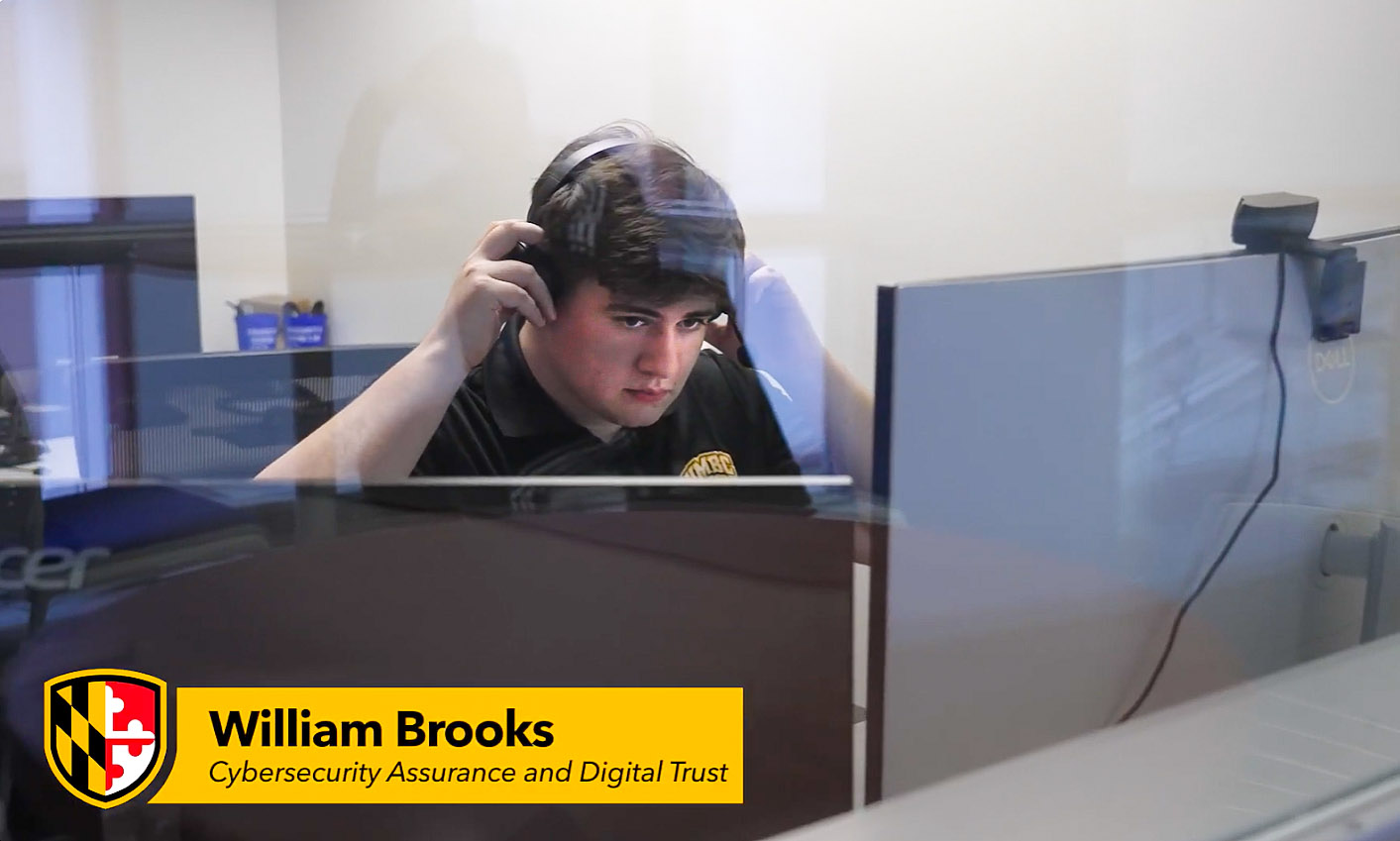
<Title>DoIT Student Digital Stories: Graduating senior William Brooks</Title>
<Tagline>Navigating Cybersecurity: Insights from a CS Major</Tagline>
<Body>
<![CDATA[
    <div class="html-content"><div><a href="https://www.youtube.com/watch?v=LN36dQ3Qti8" rel="nofollow external" class="bo"><img src="https://cybersecurity.umbc.edu/wp-content/uploads/sites/10/2025/05/brooks.jpg" alt="William Brooks at his workstation" style="max-width: 100%; height: auto;"></a></div><div><br></div>UMBC DoIT has a <a href="https://my3.my.umbc.edu/groups/doit/posts/149723" rel="nofollow external" class="bo"><strong>post</strong></a> featuring graduating computer science major senior William Brooks, who has been working<span> in DoIT's Cybersecurity Assurance and Digital Trust group. William describes </span><span>his cybersecurity journey as a computer science major following the cybersecurity track and a philosophy minor, and offers advice to future students.</span><div><span><br></span></div><div><span>Watch a video of an interview with William <a href="https://www.youtube.com/watch?v=LN36dQ3Qti8" rel="nofollow external" class="bo"><strong>here</strong></a>.</span></div></div>
]]>
</Body>
<Summary>UMBC DoIT has a post featuring graduating computer science major senior William Brooks, who has been working in DoIT's Cybersecurity Assurance and Digital Trust group. William describes his...</Summary>
<TrackingUrl>https://beta.my.umbc.edu/api/v0/pixel/news/149952/guest@my.umbc.edu/3ce7c941c26f92fe74a5044a1a8a2bef/api/pixel</TrackingUrl>
<Tag>computer-science</Tag>
<Tag>cybersecurity</Tag>
<Tag>doit</Tag>
<Group token="cybersecurity">UMBC Cybersecurity Institute Group</Group>
<GroupUrl>https://beta.my.umbc.edu/groups/cybersecurity</GroupUrl>
<AvatarUrl>https://assets3-beta.my.umbc.edu/system/shared/avatars/groups/000/000/485/196da6a7ec6f4c31eab2e474c17a9ab7/xsmall.png?1734891477</AvatarUrl>
<AvatarUrl size="original">https://assets3-beta.my.umbc.edu/system/shared/avatars/groups/000/000/485/196da6a7ec6f4c31eab2e474c17a9ab7/original.png?1734891477</AvatarUrl>
<AvatarUrl size="xxlarge">https://assets4-beta.my.umbc.edu/system/shared/avatars/groups/000/000/485/196da6a7ec6f4c31eab2e474c17a9ab7/xxlarge.png?1734891477</AvatarUrl>
<AvatarUrl size="xlarge">https://assets4-beta.my.umbc.edu/system/shared/avatars/groups/000/000/485/196da6a7ec6f4c31eab2e474c17a9ab7/xlarge.png?1734891477</AvatarUrl>
<AvatarUrl size="large">https://assets2-beta.my.umbc.edu/system/shared/avatars/groups/000/000/485/196da6a7ec6f4c31eab2e474c17a9ab7/large.png?1734891477</AvatarUrl>
<AvatarUrl size="medium">https://assets3-beta.my.umbc.edu/system/shared/avatars/groups/000/000/485/196da6a7ec6f4c31eab2e474c17a9ab7/medium.png?1734891477</AvatarUrl>
<AvatarUrl size="small">https://assets3-beta.my.umbc.edu/system/shared/avatars/groups/000/000/485/196da6a7ec6f4c31eab2e474c17a9ab7/small.png?1734891477</AvatarUrl>
<AvatarUrl size="xsmall">https://assets3-beta.my.umbc.edu/system/shared/avatars/groups/000/000/485/196da6a7ec6f4c31eab2e474c17a9ab7/xsmall.png?1734891477</AvatarUrl>
<AvatarUrl size="xxsmall">https://assets3-beta.my.umbc.edu/system/shared/avatars/groups/000/000/485/196da6a7ec6f4c31eab2e474c17a9ab7/xxsmall.png?1734891477</AvatarUrl>
<Sponsor>UMBC Cybersecurity Institute Group</Sponsor>
<PawCount>0</PawCount>
<CommentCount>0</CommentCount>
<CommentsAllowed>true</CommentsAllowed>
<PostedAt>Fri, 09 May 2025 10:15:18 -0400</PostedAt>
</NewsItem>

<NewsItem contentIssues="false" id="149810" important="false" status="posted" url="https://beta.my.umbc.edu/groups/cybersecurity/posts/149810">
<Title>Talk: Charles Nicholas on Issues in Document Security, May 9</Title>
<Tagline>12-1pm EDT Friday, May 9, 2025, online</Tagline>
<Body>
<![CDATA[
    <div class="html-content"><h5>The UMBC Cyber Defense Lab</h5><div><br></div><h3>Issues in Document Security</h3><h4>Charles Nicholas, UMBC</h4><div><strong>Joint work with Robert Joyce, Ran Liu, Edward Raff, Maksim Eren, Rick Forno, and Cynthia Matuszek</strong></div><div><br></div><h5>12–1pm Friday, May 9, 2025, <a href="https://umbc.webex.com/meet/sherman" rel="nofollow external" class="bo"><strong>online</strong></a></h5><div><br></div><div>When hitherto separate areas of science intersect, research opportunities tend to pop up. So it is with the fields of Document Engineering and Cybersecurity. We present a summary of recent and ongoing work in our lab, including dealing with malicious PDF files, the construction of useful data sets, the use of tensor decomposition, and ongoing work in clustering, symbolic computation, and AI-generated code. We will point out certain themes in our work, as well as certain outstanding problems.</div><div><br></div><div><a href="https://news.cs.umbc.edu/people/faculty/charles-nicholas/" rel="nofollow external" class="bo">Charles Nicholas</a> has been a faculty member at UMBC since 1988. He received the B.S. degree from the University of Michigan-Flint and the M.S. and Ph.D. degrees from The Ohio State University, all in computer science. He has served five times as General Chair of the Conference on Information and Knowledge Management, and twice as Chair of the ACM Symposium on Principles of Document Processing. He served as chair of the Department of Computer Science and Electrical Engineering from 2003 to 2010. </div><div><br></div><div>Support for this event was provided in part by the National Science Foundation under SFS grant DGE-1753681. </div></div>
]]>
</Body>
<Summary>The UMBC Cyber Defense Lab     Issues in Document Security  Charles Nicholas, UMBC  Joint work with Robert Joyce, Ran Liu, Edward Raff, Maksim Eren, Rick Forno, and Cynthia Matuszek     12–1pm...</Summary>
<TrackingUrl>https://beta.my.umbc.edu/api/v0/pixel/news/149810/guest@my.umbc.edu/0251bf559adfdb887e4b638b2eff1631/api/pixel</TrackingUrl>
<Tag>cybersecurity</Tag>
<Tag>documents</Tag>
<Tag>security</Tag>
<Group token="cybersecurity">UMBC Cybersecurity Institute Group</Group>
<GroupUrl>https://beta.my.umbc.edu/groups/cybersecurity</GroupUrl>
<AvatarUrl>https://assets3-beta.my.umbc.edu/system/shared/avatars/groups/000/000/485/196da6a7ec6f4c31eab2e474c17a9ab7/xsmall.png?1734891477</AvatarUrl>
<AvatarUrl size="original">https://assets3-beta.my.umbc.edu/system/shared/avatars/groups/000/000/485/196da6a7ec6f4c31eab2e474c17a9ab7/original.png?1734891477</AvatarUrl>
<AvatarUrl size="xxlarge">https://assets4-beta.my.umbc.edu/system/shared/avatars/groups/000/000/485/196da6a7ec6f4c31eab2e474c17a9ab7/xxlarge.png?1734891477</AvatarUrl>
<AvatarUrl size="xlarge">https://assets4-beta.my.umbc.edu/system/shared/avatars/groups/000/000/485/196da6a7ec6f4c31eab2e474c17a9ab7/xlarge.png?1734891477</AvatarUrl>
<AvatarUrl size="large">https://assets2-beta.my.umbc.edu/system/shared/avatars/groups/000/000/485/196da6a7ec6f4c31eab2e474c17a9ab7/large.png?1734891477</AvatarUrl>
<AvatarUrl size="medium">https://assets3-beta.my.umbc.edu/system/shared/avatars/groups/000/000/485/196da6a7ec6f4c31eab2e474c17a9ab7/medium.png?1734891477</AvatarUrl>
<AvatarUrl size="small">https://assets3-beta.my.umbc.edu/system/shared/avatars/groups/000/000/485/196da6a7ec6f4c31eab2e474c17a9ab7/small.png?1734891477</AvatarUrl>
<AvatarUrl size="xsmall">https://assets3-beta.my.umbc.edu/system/shared/avatars/groups/000/000/485/196da6a7ec6f4c31eab2e474c17a9ab7/xsmall.png?1734891477</AvatarUrl>
<AvatarUrl size="xxsmall">https://assets3-beta.my.umbc.edu/system/shared/avatars/groups/000/000/485/196da6a7ec6f4c31eab2e474c17a9ab7/xxsmall.png?1734891477</AvatarUrl>
<Sponsor>UMBC Cyber Defense Lab</Sponsor>
<ThumbnailUrl size="xxlarge">https://assets4-beta.my.umbc.edu/system/shared/thumbnails/news/000/149/810/49ea1e20fbc940e3714605d193a42d41/xxlarge.jpg?1746470812</ThumbnailUrl>
<ThumbnailUrl size="xlarge">https://assets2-beta.my.umbc.edu/system/shared/thumbnails/news/000/149/810/49ea1e20fbc940e3714605d193a42d41/xlarge.jpg?1746470812</ThumbnailUrl>
<ThumbnailUrl size="large">https://assets1-beta.my.umbc.edu/system/shared/thumbnails/news/000/149/810/49ea1e20fbc940e3714605d193a42d41/large.jpg?1746470812</ThumbnailUrl>
<ThumbnailUrl size="medium">https://assets1-beta.my.umbc.edu/system/shared/thumbnails/news/000/149/810/49ea1e20fbc940e3714605d193a42d41/medium.jpg?1746470812</ThumbnailUrl>
<ThumbnailUrl size="small">https://assets4-beta.my.umbc.edu/system/shared/thumbnails/news/000/149/810/49ea1e20fbc940e3714605d193a42d41/small.jpg?1746470812</ThumbnailUrl>
<ThumbnailUrl size="xsmall">https://assets2-beta.my.umbc.edu/system/shared/thumbnails/news/000/149/810/49ea1e20fbc940e3714605d193a42d41/xsmall.jpg?1746470812</ThumbnailUrl>
<ThumbnailUrl size="xxsmall">https://assets1-beta.my.umbc.edu/system/shared/thumbnails/news/000/149/810/49ea1e20fbc940e3714605d193a42d41/xxsmall.jpg?1746470812</ThumbnailUrl>
<ThumbnailAltText>Locked folder with documents</ThumbnailAltText>
<PawCount>0</PawCount>
<CommentCount>0</CommentCount>
<CommentsAllowed>true</CommentsAllowed>
<PostedAt>Mon, 05 May 2025 14:49:06 -0400</PostedAt>
<EditAt>Tue, 06 May 2025 10:30:51 -0400</EditAt>
</NewsItem>

<NewsItem contentIssues="false" id="149758" important="false" status="posted" url="https://beta.my.umbc.edu/groups/cybersecurity/posts/149758">
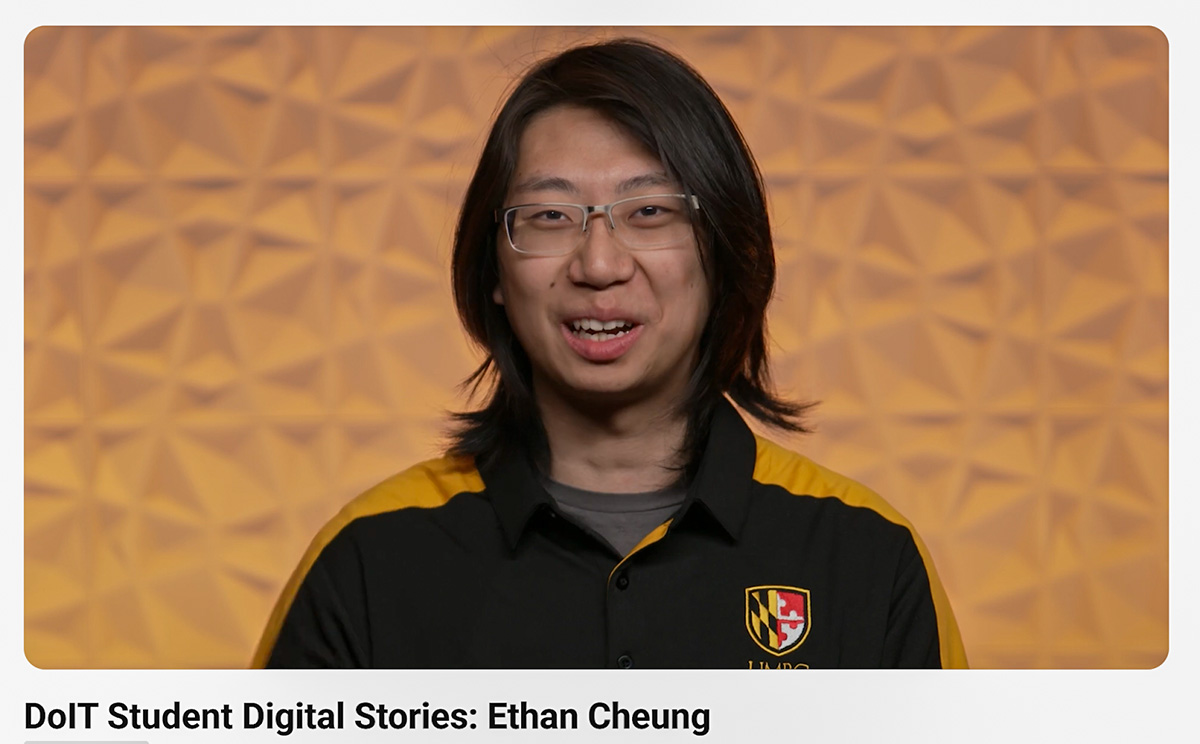
<Title>Graduating Computer Science senior Ethan Cheung</Title>
<Tagline>Journey to Cybersecurity: From DoIT to MITRE</Tagline>
<Body>
<![CDATA[
    <div class="html-content"><span><p><span><img src="https://cybersecurity.umbc.edu/wp-content/uploads/sites/10/2025/05/ethan_cheung.jpg" alt="image for UMBC student Ethan Cheung" style="max-width: 100%; height: auto;"></span></p><p><span>UMBC’s Department of Information Technology (DoIT) has a </span><a href="https://doit.umbc.edu/post/149721/" rel="nofollow external" class="bo">post</a><span> and </span><a href="https://www.youtube.com/watch?v=TLHz6qgqCOI" rel="nofollow external" class="bo">video</a><span> on graduating computer science senior Ethan Cheung. For several years, he worked as an intern as part of DoIT's Cybersecurity Assurance and Digital Trust team. After graduation, he will take on a new role as a cybersecurity engineer at MITRE, applying the skills and knowledge he acquired at UMBC to real-world scenarios and contributing to the protection of critical data and infrastructure.  </span></p><p><span>Find out more in this </span><a href="https://my3.my.umbc.edu/groups/doit/posts/149721" rel="nofollow external" class="bo"><span>news article</span></a><span> and a </span><a href="https://www.youtube.com/watch?v=TLHz6qgqCOI" rel="nofollow external" class="bo"><span>video</span></a><span> of Ethan discussing his experiences at UMBC and working on cybersecurity for DoIT.</span></p><div><span><br></span></div></span></div>
]]>
</Body>
<Summary>UMBC’s Department of Information Technology (DoIT) has a post and video on graduating computer science senior Ethan Cheung. For several years, he worked as an intern as part of DoIT's...</Summary>
<Website>https://doit.umbc.edu/post/149721/</Website>
<TrackingUrl>https://beta.my.umbc.edu/api/v0/pixel/news/149758/guest@my.umbc.edu/f75b015da863465e7de3e94a40533da2/api/pixel</TrackingUrl>
<Tag>cybersecurity</Tag>
<Tag>doit</Tag>
<Tag>mitre</Tag>
<Group token="cybersecurity">UMBC Cybersecurity Institute Group</Group>
<GroupUrl>https://beta.my.umbc.edu/groups/cybersecurity</GroupUrl>
<AvatarUrl>https://assets3-beta.my.umbc.edu/system/shared/avatars/groups/000/000/485/196da6a7ec6f4c31eab2e474c17a9ab7/xsmall.png?1734891477</AvatarUrl>
<AvatarUrl size="original">https://assets3-beta.my.umbc.edu/system/shared/avatars/groups/000/000/485/196da6a7ec6f4c31eab2e474c17a9ab7/original.png?1734891477</AvatarUrl>
<AvatarUrl size="xxlarge">https://assets4-beta.my.umbc.edu/system/shared/avatars/groups/000/000/485/196da6a7ec6f4c31eab2e474c17a9ab7/xxlarge.png?1734891477</AvatarUrl>
<AvatarUrl size="xlarge">https://assets4-beta.my.umbc.edu/system/shared/avatars/groups/000/000/485/196da6a7ec6f4c31eab2e474c17a9ab7/xlarge.png?1734891477</AvatarUrl>
<AvatarUrl size="large">https://assets2-beta.my.umbc.edu/system/shared/avatars/groups/000/000/485/196da6a7ec6f4c31eab2e474c17a9ab7/large.png?1734891477</AvatarUrl>
<AvatarUrl size="medium">https://assets3-beta.my.umbc.edu/system/shared/avatars/groups/000/000/485/196da6a7ec6f4c31eab2e474c17a9ab7/medium.png?1734891477</AvatarUrl>
<AvatarUrl size="small">https://assets3-beta.my.umbc.edu/system/shared/avatars/groups/000/000/485/196da6a7ec6f4c31eab2e474c17a9ab7/small.png?1734891477</AvatarUrl>
<AvatarUrl size="xsmall">https://assets3-beta.my.umbc.edu/system/shared/avatars/groups/000/000/485/196da6a7ec6f4c31eab2e474c17a9ab7/xsmall.png?1734891477</AvatarUrl>
<AvatarUrl size="xxsmall">https://assets3-beta.my.umbc.edu/system/shared/avatars/groups/000/000/485/196da6a7ec6f4c31eab2e474c17a9ab7/xxsmall.png?1734891477</AvatarUrl>
<Sponsor>UMBC Cybersecurity Institute Group</Sponsor>
<PawCount>0</PawCount>
<CommentCount>0</CommentCount>
<CommentsAllowed>true</CommentsAllowed>
<PostedAt>Sat, 03 May 2025 10:29:20 -0400</PostedAt>
</NewsItem>

</News>