Privacy Engineering

We've starting to see advertisements for a new kind of position: privacy engineer.
If you've seen the classic movie, The Graduate, you'll remember the conversation that recent college graduate Benjamin Braddock has with a friend of his father, who says "I just want to say one word to you. Just one word. … Are you listening? … Plastics.". Today, 45 years later, that one word might be Privacy.
Our lives are increasingly being lived online through social media systems, cloud based services, smart phones and other ubiquitous computing and sensing devices. Your smart phone, it's common to hear, knows more about you than your spouse or Mom. Data about us is being collected minute by minute, aggregated, integrated, analyzed, bought and sold. At the same time, we have develped powerful new datamining and machine learning techniques that, together with parallel computing, can extract surprising amounts of information and knowledge from the data.
This data can be put to good uses, such as providing you with better services, but can also result in a loss of privacy. Businesses and other organizations want to avoid a backlash in which they lose customers concerned about their privacy. We've seen recent ads for privacy engineers, such as these from Apple , Google and Intel. This is just a sample, many more exist, although the job title may be different.
The job of a privacy engineer doesn't yet have a well defined consensus description, but the focus is on designing an organization's information privacy policy and helping to ensure that it is accurately described and enforced. High level tasks include (i) protecting data from unauthorized access, use or disclosure (ii) providing users with appropriate tools to both understand and control what information is collected and how it is shared and used; and (iii) recognizing how the data can be usefully mined without revealing private information.
What courses can a UMBC undergraduate take to prepare for positions like these? After getting a good grounding in the required computer science or computer engineering courses, undergrads can take classes in the fundamentals of security (CMSC 426 and CMSC 487), information assurance (CMSC 444), and cryptography (CMSC 443), take a course in databases (CMSC 461), datamining and machine learning (CMSC 478) and/or visualization (CMSC 436), and perhaps mobile computing (CMSC 628). Interested students should also look for special topics course, like Security and Privacy in a Mobile Social World which is being offered this semester. We also have several research labs that work in privacy-related areas, including the Cyber Defense, Coral, Ebiquity, Diadic and Maple labs.
]]>
We've starting to see advertisements for a new kind of position: privacy engineer. If you've seen the classic movie, The Graduate, you'll remember the conversation that recent college graduate...
http://www.csee.umbc.edu/2012/04/privacy-engineering/
https://beta.my.umbc.edu/api/v0/pixel/news/20778/guest@my.umbc.edu/fbbbc7b1c24cc3b399ea2b5f387f8643/api/pixel
big-data
computer-engineering
computer-science
cybersecurity
datamining
jobs
news
privacy
research
security
students
undergraduate
Computer Science and Electrical Engineering
https://beta.my.umbc.edu/groups/csee
https://assets3-beta.my.umbc.edu/system/shared/avatars/groups/000/000/099/d117dca133c64bf78a4b7696dd007189/xsmall.png?1314043393
https://assets1-beta.my.umbc.edu/system/shared/avatars/groups/000/000/099/d117dca133c64bf78a4b7696dd007189/original.png?1314043393
https://assets1-beta.my.umbc.edu/system/shared/avatars/groups/000/000/099/d117dca133c64bf78a4b7696dd007189/xxlarge.png?1314043393
https://assets4-beta.my.umbc.edu/system/shared/avatars/groups/000/000/099/d117dca133c64bf78a4b7696dd007189/xlarge.png?1314043393
https://assets3-beta.my.umbc.edu/system/shared/avatars/groups/000/000/099/d117dca133c64bf78a4b7696dd007189/large.png?1314043393
https://assets1-beta.my.umbc.edu/system/shared/avatars/groups/000/000/099/d117dca133c64bf78a4b7696dd007189/medium.png?1314043393
https://assets2-beta.my.umbc.edu/system/shared/avatars/groups/000/000/099/d117dca133c64bf78a4b7696dd007189/small.png?1314043393
https://assets3-beta.my.umbc.edu/system/shared/avatars/groups/000/000/099/d117dca133c64bf78a4b7696dd007189/xsmall.png?1314043393
https://assets3-beta.my.umbc.edu/system/shared/avatars/groups/000/000/099/d117dca133c64bf78a4b7696dd007189/xxsmall.png?1314043393
Computer Science and Electrical Engineering
0
0
true
Sat, 14 Apr 2012 13:40:58 -0400
Privacy Engineering
We've starting to see advertisements for a new kind of position: privacy engineer.
If you've seen the classic movie, The Graduate, you'll remember the conversation that recent college graduate Benjamin Braddock has with a friend of his father, who says "I just want to say one word to you. Just one word. … Are you listening? … Plastics.". Today, 45 years later, that one word might be Privacy.
Our lives are increasingly being lived online through social media systems, cloud based services, smart phones and other ubiquitous computing and sensing devices. Your smart phone, it's common to hear, knows more about you than your spouse or Mom. Data about us is being collected minute by minute, aggregated, integrated, analyzed, bought and sold.
This data can be put to good uses, such as providing you with better services, but can also result in a loss of privacy. Businesses and other organizations want to avoid a backlash in which they loose customers concerned about their privacy. We've seen recent ads for privacy engineers, such as these from Apple , Google and Intel. This is just a sample, many more exist, although the job title may be different.
What courses can a UMBC undergraduate take to prepare for positions like these? After getting a good grounding in the required computer science or computer engineering courses, undergrads can take classes in the fundamentals of security (CMSC 426 and CMSC 487), information assurance (CMSC 444), and cryptography (CMSC 443), take a course in datamining and machine learning (CMSC 478) and/or visualization (CMSC 436), and perhaps mobile computing (CMSC 628). Interested students should also look for special topics course, like Security and Privacy in a Mobile Social World which is being offered this semester.
]]>
We've starting to see advertisements for a new kind of position: privacy engineer. If you've seen the classic movie, The Graduate, you'll remember the conversation that recent college graduate...
http://www.csee.umbc.edu/2012/04/privacy-engineering/
https://beta.my.umbc.edu/api/v0/pixel/news/13700/guest@my.umbc.edu/01020d2ef594d97166979861804ce6b6/api/pixel
computer-engineering
computer-science
cybersecurity
fyi
jobs
research
students
undergraduate
Computer Science and Electrical Engineering
https://beta.my.umbc.edu/groups/csee
https://assets3-beta.my.umbc.edu/system/shared/avatars/groups/000/000/099/d117dca133c64bf78a4b7696dd007189/xsmall.png?1314043393
https://assets1-beta.my.umbc.edu/system/shared/avatars/groups/000/000/099/d117dca133c64bf78a4b7696dd007189/original.png?1314043393
https://assets1-beta.my.umbc.edu/system/shared/avatars/groups/000/000/099/d117dca133c64bf78a4b7696dd007189/xxlarge.png?1314043393
https://assets4-beta.my.umbc.edu/system/shared/avatars/groups/000/000/099/d117dca133c64bf78a4b7696dd007189/xlarge.png?1314043393
https://assets3-beta.my.umbc.edu/system/shared/avatars/groups/000/000/099/d117dca133c64bf78a4b7696dd007189/large.png?1314043393
https://assets1-beta.my.umbc.edu/system/shared/avatars/groups/000/000/099/d117dca133c64bf78a4b7696dd007189/medium.png?1314043393
https://assets2-beta.my.umbc.edu/system/shared/avatars/groups/000/000/099/d117dca133c64bf78a4b7696dd007189/small.png?1314043393
https://assets3-beta.my.umbc.edu/system/shared/avatars/groups/000/000/099/d117dca133c64bf78a4b7696dd007189/xsmall.png?1314043393
https://assets3-beta.my.umbc.edu/system/shared/avatars/groups/000/000/099/d117dca133c64bf78a4b7696dd007189/xxsmall.png?1314043393
Computer Science and Electrical Engineering
0
0
true
Sat, 14 Apr 2012 13:40:58 -0400
Sat, 14 Apr 2012 13:40:58 -0400
Privacy Engineering
We've starting to see advertisements for a new kind of position: privacy engineer.
If you've seen the classic movie, The Graduate, you'll remember the conversation that recent college graduate Benjamin Braddock has with a friend of his father, who says "I just want to say one word to you. Just one word. … Are you listening? … Plastics.". Today, 45 years later, that one word might be Privacy.
Our lives are increasingly being lived online through social media systems, cloud based services, smart phones and other ubiquitous computing and sensing devices. Your smart phone, it's common to hear, knows more about you than your spouse or Mom. Data about us is being collected minute by minute, aggregated, integrated, analyzed, bought and sold. At the same time, we have develped powerful new datamining and machine learning techniques that, together with parallel computing, can extract surprising amounts of information and knowledge from the data.
This data can be put to good uses, such as providing you with better services, but can also result in a loss of privacy. Businesses and other organizations want to avoid a backlash in which they lose customers concerned about their privacy. We've seen recent ads for privacy engineers, such as these from Apple , Google and Intel. This is just a sample, many more exist, although the job title may be different.
The job of a privacy engineer doesn't yet have a well defined consensus description, but the focus is on designing an organization's information privacy policy and helping to ensure that it is accurately described and enforced. High level tasks include (i) protecting data from unauthorized access, use or disclosure (ii) providing users with appropriate tools to both understand and control what information is collected and how it is shared and used; and (iii) recognizing how the data can be usefully mined without revealing private information.
What courses can a UMBC undergraduate take to prepare for positions like these? After getting a good grounding in the required computer science or computer engineering courses, undergrads can take classes in the fundamentals of security (CMSC 426 and CMSC 487), information assurance (CMSC 444), and cryptography (CMSC 443), take a course in databases (CMSC 461), datamining and machine learning (CMSC 478) and/or visualization (CMSC 436), and perhaps mobile computing (CMSC 628). Interested students should also look for special topics course, like Security and Privacy in a Mobile Social World which is being offered this semester. We also have several research labs that work in privacy-related areas, including the Cyber Defense, Coral, Ebiquity, Diadic and Maple labs.
]]>
We've starting to see advertisements for a new kind of position: privacy engineer. If you've seen the classic movie, The Graduate, you'll remember the conversation that recent college graduate...
http://www.csee.umbc.edu/2012/04/privacy-engineering/
https://beta.my.umbc.edu/api/v0/pixel/news/13706/guest@my.umbc.edu/8bd82e808edc13725952fd870a1cc349/api/pixel
big-data
computer-engineering
computer-science
cybersecurity
datamining
jobs
news
privacy
research
security
students
undergraduate
Computer Science and Electrical Engineering
https://beta.my.umbc.edu/groups/csee
https://assets3-beta.my.umbc.edu/system/shared/avatars/groups/000/000/099/d117dca133c64bf78a4b7696dd007189/xsmall.png?1314043393
https://assets1-beta.my.umbc.edu/system/shared/avatars/groups/000/000/099/d117dca133c64bf78a4b7696dd007189/original.png?1314043393
https://assets1-beta.my.umbc.edu/system/shared/avatars/groups/000/000/099/d117dca133c64bf78a4b7696dd007189/xxlarge.png?1314043393
https://assets4-beta.my.umbc.edu/system/shared/avatars/groups/000/000/099/d117dca133c64bf78a4b7696dd007189/xlarge.png?1314043393
https://assets3-beta.my.umbc.edu/system/shared/avatars/groups/000/000/099/d117dca133c64bf78a4b7696dd007189/large.png?1314043393
https://assets1-beta.my.umbc.edu/system/shared/avatars/groups/000/000/099/d117dca133c64bf78a4b7696dd007189/medium.png?1314043393
https://assets2-beta.my.umbc.edu/system/shared/avatars/groups/000/000/099/d117dca133c64bf78a4b7696dd007189/small.png?1314043393
https://assets3-beta.my.umbc.edu/system/shared/avatars/groups/000/000/099/d117dca133c64bf78a4b7696dd007189/xsmall.png?1314043393
https://assets3-beta.my.umbc.edu/system/shared/avatars/groups/000/000/099/d117dca133c64bf78a4b7696dd007189/xxsmall.png?1314043393
Computer Science and Electrical Engineering
2
0
true
Sat, 14 Apr 2012 13:40:58 -0400
Sat, 14 Apr 2012 13:40:58 -0400
talk: On Far-End Crosstalk Mitigation in VDSL Systems, 11:30am Fri 4/13, ITE227
EE Graduate Seminar
On Far-End Crosstalk Mitigation in VDSL Systems
Dr. Amitkumar Mahadevan
Ikanos Communications Inc., Red Bank, NJ
11:30am-12:45pm, Friday 13 April 2012, ITE 237, UMBC
Very-high-speed digital subscriber line (VDSL) is a last mile communications access solution that exploits the existing copper infrastructure to deliver high-speed internet access to homes and businesses. Far-end crosstalk (FEXT), i.e., interference seen at a VDSL receiver due to leakage from extraneous transmitters located at the other end (far end) of the line, is by far the most dominant impairment in VDSL. Left untreated, FEXT results in a considerable reduction in the service rates than can be delivered to users, or equivalently, a considerable reduction in the range over which a given service rate can be guaranteed. In this presentation, we will discuss the characteristics of FEXT in DSL systems and techniques employed in the industry to mitigate the impact of FEXT. Substantial attention will be devoted to 'vectoring': a per-frequency active FEXT mitigation scheme involving signal cooperation across different users at the central-office end of the system.
By design, vectoring necessitates the use of a pre-coder for downstream FEXT mitigation and a post-canceller for upstream FEXT mitigation. Low-complexity adaptive schemes for estimating the off-diagonal downstream FEXT pre-coder and the upstream FEXT canceller based on independent minimization of the per-frequency user error variances will be presented. These schemes do not involve any matrix inversion and are shown to achieve almost FEXT-free performance. We will also discuss key features of the recently published G.vector (G.993.5) ITU standard that allows for rapid and non-disruptive estimation of new elements of the pre-coder and canceller matrices when users join the vectored system.
Short Bio: Amitkumar Mahadevan was born in Mumbai, India. He received the B.E. degree in electrical engineering in 1998 from Sardar Patel College of Engineering, Mumbai University, India, and the MSEE degree in 2002 and the Ph.D. (EE) degree in 2005 from UMBC. In 2005, he joined Conexant Systems Inc., Red Bank, NJ, (now Ikanos Communications, Inc.) as a firmware engineer and has worked on advanced technology development for various flavors of DSL communication systems. More recently, he has been working on algorithm development and implementation for active crosstalk cancellation or 'vectoring' in VDSL systems. His research interests include discrete multi-tone and orthogonal frequency-division-multiplexing based communication systems, error correction codes, importance sampling techniques, and quantum information theory.
Host: Prof. Joel M. Morris
More infoformation
]]>
EE Graduate Seminar On Far-End Crosstalk Mitigation in VDSL Systems Dr. Amitkumar Mahadevan Ikanos Communications Inc., Red Bank, NJ 11:30am-12:45pm, Friday 13 April 2012, ITE 237, UMBC...
http://www.csee.umbc.edu/2012/04/talk-on-far-end-crosstalk-mitigation-in-vdsl-systems-1130am-fri-413-ite227/
https://beta.my.umbc.edu/api/v0/pixel/news/13646/guest@my.umbc.edu/2874f978592df7a68606dfefe27ef411/api/pixel
electrical-engineering
news
research
talks
Computer Science and Electrical Engineering
https://beta.my.umbc.edu/groups/csee
https://assets3-beta.my.umbc.edu/system/shared/avatars/groups/000/000/099/d117dca133c64bf78a4b7696dd007189/xsmall.png?1314043393
https://assets1-beta.my.umbc.edu/system/shared/avatars/groups/000/000/099/d117dca133c64bf78a4b7696dd007189/original.png?1314043393
https://assets1-beta.my.umbc.edu/system/shared/avatars/groups/000/000/099/d117dca133c64bf78a4b7696dd007189/xxlarge.png?1314043393
https://assets4-beta.my.umbc.edu/system/shared/avatars/groups/000/000/099/d117dca133c64bf78a4b7696dd007189/xlarge.png?1314043393
https://assets3-beta.my.umbc.edu/system/shared/avatars/groups/000/000/099/d117dca133c64bf78a4b7696dd007189/large.png?1314043393
https://assets1-beta.my.umbc.edu/system/shared/avatars/groups/000/000/099/d117dca133c64bf78a4b7696dd007189/medium.png?1314043393
https://assets2-beta.my.umbc.edu/system/shared/avatars/groups/000/000/099/d117dca133c64bf78a4b7696dd007189/small.png?1314043393
https://assets3-beta.my.umbc.edu/system/shared/avatars/groups/000/000/099/d117dca133c64bf78a4b7696dd007189/xsmall.png?1314043393
https://assets3-beta.my.umbc.edu/system/shared/avatars/groups/000/000/099/d117dca133c64bf78a4b7696dd007189/xxsmall.png?1314043393
Computer Science and Electrical Engineering
1
0
true
Wed, 11 Apr 2012 15:50:27 -0400
Catch the AROW Competition this Saturday: 4/14
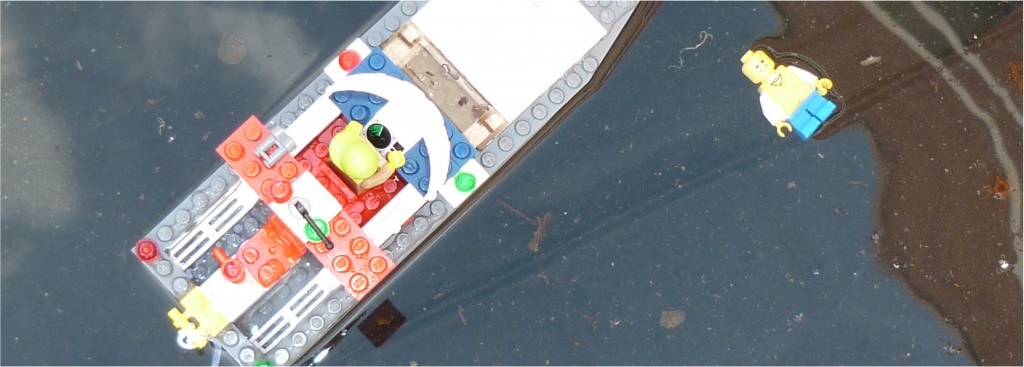
This Saturday, April 14, 2012, students in the ENES101 Introduction to Engineering Science course will be competing in UMBC's second AROW competition. AROW, which stands for Academy Robotics on the Water, is an introductory engineering design experience developed by Captain Jonathan Russell, Lt. Cmdr. Brian Maggi and Stephen Grenier at the US Coast Guard Academy. Students are tasked with the design, implementation, test and operation of a robotic vessel to perform simulated tasks representing activities of the U.S. Coast Guard.
Working in teams of three to five, the students must design the propulsion, mechanisms, and programming necessary to accomplish simulated Coast Guard tasks, such as tending a light house, placing navigation buoys, cleaning and recycling and oil spill – represented by ping-pong balls – and rescuing Lego fishermen who have fallen overboard. Each team is given a budget and permitted to "purchase" structural elements for their design from a common supply. The competition will be judged on the basis of the cost-effectiveness of the various team designs.
The UMBC AROW competition will be held in the Atrium on the second floor of the Engineering building on Saturday, April 14. Each team will have four minutes to accomplish as many tasks as possible. A single competition session will start at 10 AM. Approximately 24 teams of ENES101 students will compete. The UMBC community is invited to view the competition from the third floor balcony of the Engineering building.
Saturday's event is the second AROW competition at UMBC. It is supervised by the ENES101 instructors, Dr. Anne Spence, Professor of the Practice of Mechanical Engineering and Dr. Chuck LaBerge, Professor of the Practice of Electrical and Computer Engineering, and assisted by the ENES101 Teaching Fellows: Mathew Kurtz, Julia Lopez, and Elliot Mooney.
What: UMBC's Second Academy Robotics on the Water (AROW) Competition
When: Saturday, April 14, 2012. 10:00 a.m.
Where: Engineering/ Computer Science (ECS) Building: 3rd Floor Balcony
]]>
This Saturday, April 14, 2012, students in the ENES101 Introduction to Engineering Science course will be competing in UMBC's second AROW competition. AROW, which stands for Academy Robotics on...
http://www.csee.umbc.edu/2012/04/catch-the-arow-competition-this-saturday-414/
https://beta.my.umbc.edu/api/v0/pixel/news/13605/guest@my.umbc.edu/923bb18009f653e3549e2e8ae141f6e2/api/pixel
events
news
other
Computer Science and Electrical Engineering
https://beta.my.umbc.edu/groups/csee
https://assets3-beta.my.umbc.edu/system/shared/avatars/groups/000/000/099/d117dca133c64bf78a4b7696dd007189/xsmall.png?1314043393
https://assets1-beta.my.umbc.edu/system/shared/avatars/groups/000/000/099/d117dca133c64bf78a4b7696dd007189/original.png?1314043393
https://assets1-beta.my.umbc.edu/system/shared/avatars/groups/000/000/099/d117dca133c64bf78a4b7696dd007189/xxlarge.png?1314043393
https://assets4-beta.my.umbc.edu/system/shared/avatars/groups/000/000/099/d117dca133c64bf78a4b7696dd007189/xlarge.png?1314043393
https://assets3-beta.my.umbc.edu/system/shared/avatars/groups/000/000/099/d117dca133c64bf78a4b7696dd007189/large.png?1314043393
https://assets1-beta.my.umbc.edu/system/shared/avatars/groups/000/000/099/d117dca133c64bf78a4b7696dd007189/medium.png?1314043393
https://assets2-beta.my.umbc.edu/system/shared/avatars/groups/000/000/099/d117dca133c64bf78a4b7696dd007189/small.png?1314043393
https://assets3-beta.my.umbc.edu/system/shared/avatars/groups/000/000/099/d117dca133c64bf78a4b7696dd007189/xsmall.png?1314043393
https://assets3-beta.my.umbc.edu/system/shared/avatars/groups/000/000/099/d117dca133c64bf78a4b7696dd007189/xxsmall.png?1314043393
Computer Science and Electrical Engineering
1
0
true
Tue, 10 Apr 2012 13:59:47 -0400
Fri, 13 Apr 2012 22:59:47 -0400
talk: Virtual Human Simulator: Computer-aided Exploration of Human Biology, 1pm Fri 4/13, UMBC
The Virtual Human Simulator:
Computer-aided Exploration of Human Biology
Professor Andreas Linninger
Laboratory for Product and Process Design
University of Illinois at Chicago
1:00pm Friday, 13 April 2012, 227 ITE, UMBC
Engineering has substantially impacted the world by creating material wealth through design of chemical production plants, synthesis of specialty chemicals and pharmaceuticals and sustainable processes for energy and the environment. Systematic engineering methods are also driving a transformation in biomedicine. We will present developments in advanced scientific computing for discovering the fundamental transport and reaction mechanisms in biological systems.
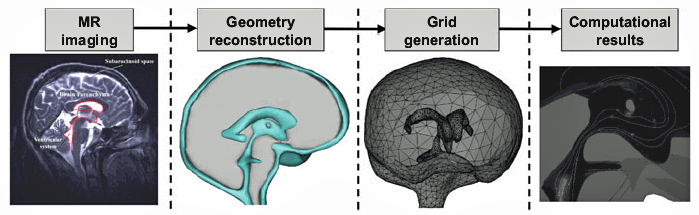
Novel medical imaging modalities open unprecedented views into organ function and cellular chemistry of whole organisms in vivo. The quantitative investigation of spatio-temporal reaction and transport phenomena opens a path for the rational design of drug delivery therapies to specific target areas of the human central nervous system. Image-based computational fluid dynamics (iCFD) will be introduced as a new methodology integrating medical imaging modalities with rigorous transport principles. System dynamics and control theory are centerpieces in the prediction of cerebral hemodynamics towards better treatment options for stroke. Non-linear mathematical programming techniques developed by chemical engineers for large scale process optimization are key to parameter estimation in pharmacokinetic and toxicity studies as well as novel techniques for design optimization of gene therapies. The integration of transport and reaction phenomena with anatomical and physiologically consistent computer models spanning the molecular, cellular through the macroscopic length scales lead us to progressively accurate predictions of metabolic functions in the normal and pathological conditions. Prototype developments of the virtual human simulator to engineer design solution in-silico will be demonstrated. Case studies will illustrate the state-of-the-art in computing cerebral blood flow patterns, computer-aided design of drug administration therapies and physiologically-based pharmacokinetic modeling for new drug leads.
Dr. Andreas A. Linninger is Professor of Chemical Engineering and Bioengineering and Director of the Laboratory for Product and Process Design at the University of Illinois in Chicago. He received Diploma and PhD degrees in Chemical Engineering from the Vienna University of Technology. He received postgraduate training at the Rijksuniversiteit Gent, the University of California at Berkeley and the Massachusetts Institute of Technology. His research interests in process system engineering include computer-aided process synthesis, mathematical modeling of complex systems and design under uncertainty. He has published more than 100 papers on parameter estimation in distributed systems, synthesis of distillative separation networks, integrated design and control, process design for the environment and computational fluid mechanics methods in biological systems.
Host: Yelena Yesha
]]>
The Virtual Human Simulator: Computer-aided Exploration of Human Biology Professor Andreas Linninger Laboratory for Product and Process Design University of Illinois at Chicago 1:00pm...
http://www.csee.umbc.edu/2012/04/talk-virtual-human-simulator-computer-aided-exploration-of-human-biology-1pm-fri-413-umbc/
https://beta.my.umbc.edu/api/v0/pixel/news/13598/guest@my.umbc.edu/3f1825e9f94e1eac98618ddde5a5a515/api/pixel
news
research
talks
Computer Science and Electrical Engineering
https://beta.my.umbc.edu/groups/csee
https://assets3-beta.my.umbc.edu/system/shared/avatars/groups/000/000/099/d117dca133c64bf78a4b7696dd007189/xsmall.png?1314043393
https://assets1-beta.my.umbc.edu/system/shared/avatars/groups/000/000/099/d117dca133c64bf78a4b7696dd007189/original.png?1314043393
https://assets1-beta.my.umbc.edu/system/shared/avatars/groups/000/000/099/d117dca133c64bf78a4b7696dd007189/xxlarge.png?1314043393
https://assets4-beta.my.umbc.edu/system/shared/avatars/groups/000/000/099/d117dca133c64bf78a4b7696dd007189/xlarge.png?1314043393
https://assets3-beta.my.umbc.edu/system/shared/avatars/groups/000/000/099/d117dca133c64bf78a4b7696dd007189/large.png?1314043393
https://assets1-beta.my.umbc.edu/system/shared/avatars/groups/000/000/099/d117dca133c64bf78a4b7696dd007189/medium.png?1314043393
https://assets2-beta.my.umbc.edu/system/shared/avatars/groups/000/000/099/d117dca133c64bf78a4b7696dd007189/small.png?1314043393
https://assets3-beta.my.umbc.edu/system/shared/avatars/groups/000/000/099/d117dca133c64bf78a4b7696dd007189/xsmall.png?1314043393
https://assets3-beta.my.umbc.edu/system/shared/avatars/groups/000/000/099/d117dca133c64bf78a4b7696dd007189/xxsmall.png?1314043393
Computer Science and Electrical Engineering
1
0
true
Tue, 10 Apr 2012 08:49:09 -0400
BmoreFail: failure is not an option; it’s a requirement

The Greater Baltimore Technology Council is hosting a very interesting event on Friday, April 20th called BmoreFail — a conference celebrating failure. Entrepreneurs, investors, developers, students, designers, and others from across the innovation and creative communities will come together to learn from their failure and that of others. BmoreFail is modeled after San Francisco's famous FailCon conference.
The first 20 UMBC students who register using the promotion code XYZZYXYZZY will get the registration waived. (We've redacted the promo code in this post — CSEE students should check their email.) If you're not one of the first 20, you'll have to pay an unlucky $13 to get in.
The event will be held from aa:00am to 5:00pm in Baltimore's Du Burns Arena, located in the Canton neighborhood at 1301 South Ellwood Avenue.
BmoreFail will bring together more than 300 entrepreneurs, investors, developers, students, designers, and others from across the innovation and creative communities to share their failures and learn from the failures of others. It promises to be an exciting event that will help build momentum in Baltimore's entrepreneurial, innovation community.
Register and get more information at the BmoreFail web site.
]]>
The Greater Baltimore Technology Council is hosting a very interesting event on Friday, April 20th called BmoreFail — a conference celebrating failure. Entrepreneurs, investors, developers,...
http://www.csee.umbc.edu/2012/04/bmorefail-failure-is-not-an-option-its-a-requirement/
https://beta.my.umbc.edu/api/v0/pixel/news/13586/guest@my.umbc.edu/9e8557b132c2c7acd01593a089dd3701/api/pixel
events
news
research
Computer Science and Electrical Engineering
https://beta.my.umbc.edu/groups/csee
https://assets3-beta.my.umbc.edu/system/shared/avatars/groups/000/000/099/d117dca133c64bf78a4b7696dd007189/xsmall.png?1314043393
https://assets1-beta.my.umbc.edu/system/shared/avatars/groups/000/000/099/d117dca133c64bf78a4b7696dd007189/original.png?1314043393
https://assets1-beta.my.umbc.edu/system/shared/avatars/groups/000/000/099/d117dca133c64bf78a4b7696dd007189/xxlarge.png?1314043393
https://assets4-beta.my.umbc.edu/system/shared/avatars/groups/000/000/099/d117dca133c64bf78a4b7696dd007189/xlarge.png?1314043393
https://assets3-beta.my.umbc.edu/system/shared/avatars/groups/000/000/099/d117dca133c64bf78a4b7696dd007189/large.png?1314043393
https://assets1-beta.my.umbc.edu/system/shared/avatars/groups/000/000/099/d117dca133c64bf78a4b7696dd007189/medium.png?1314043393
https://assets2-beta.my.umbc.edu/system/shared/avatars/groups/000/000/099/d117dca133c64bf78a4b7696dd007189/small.png?1314043393
https://assets3-beta.my.umbc.edu/system/shared/avatars/groups/000/000/099/d117dca133c64bf78a4b7696dd007189/xsmall.png?1314043393
https://assets3-beta.my.umbc.edu/system/shared/avatars/groups/000/000/099/d117dca133c64bf78a4b7696dd007189/xxsmall.png?1314043393
Computer Science and Electrical Engineering
1
0
true
Mon, 09 Apr 2012 16:57:26 -0400
Sat, 14 Apr 2012 01:57:26 -0400
CSEE at URCAD 2012

Each year, UMBC's Undergraduate Research and Creative Achievement Day (URCAD) gives hardworking undergraduate researchers from all disciplines an outlet for presenting the findings of their unique research projects. On April 25th, 2012, a handful of students from the Computer Science and Electrical Engineering Department (CSEE) will be part of that motley crew. Click on the photos below to learn about the research projects of a few CSEE students which you wont want to miss. You can also check out this complete list of CSEE students presenting research at URCAD this year.
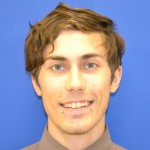
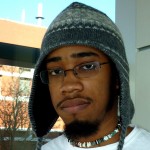
Multiclass Datasets, Their Predictions, and Their Visualization
Wallace Brown and Alexander Morrow
Faculty Mentors: Dr. Marie desJardins + Dr. Penny Rheingans
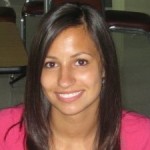
Analyzing Social Media Data
Morgan Madeira
Faculty Mentor: Dr. Anupam Joshi
]]>
Each year, UMBC's Undergraduate Research and Creative Achievement Day (URCAD) gives hardworking undergraduate researchers from all disciplines an outlet for presenting the findings of their unique...
http://www.csee.umbc.edu/2012/04/csee-at-urcad-2012/
https://beta.my.umbc.edu/api/v0/pixel/news/13563/guest@my.umbc.edu/24218bc1dfb67843427e837a32df4eea/api/pixel
events
news
other
research
students
undergraduate
Computer Science and Electrical Engineering
https://beta.my.umbc.edu/groups/csee
https://assets3-beta.my.umbc.edu/system/shared/avatars/groups/000/000/099/d117dca133c64bf78a4b7696dd007189/xsmall.png?1314043393
https://assets1-beta.my.umbc.edu/system/shared/avatars/groups/000/000/099/d117dca133c64bf78a4b7696dd007189/original.png?1314043393
https://assets1-beta.my.umbc.edu/system/shared/avatars/groups/000/000/099/d117dca133c64bf78a4b7696dd007189/xxlarge.png?1314043393
https://assets4-beta.my.umbc.edu/system/shared/avatars/groups/000/000/099/d117dca133c64bf78a4b7696dd007189/xlarge.png?1314043393
https://assets3-beta.my.umbc.edu/system/shared/avatars/groups/000/000/099/d117dca133c64bf78a4b7696dd007189/large.png?1314043393
https://assets1-beta.my.umbc.edu/system/shared/avatars/groups/000/000/099/d117dca133c64bf78a4b7696dd007189/medium.png?1314043393
https://assets2-beta.my.umbc.edu/system/shared/avatars/groups/000/000/099/d117dca133c64bf78a4b7696dd007189/small.png?1314043393
https://assets3-beta.my.umbc.edu/system/shared/avatars/groups/000/000/099/d117dca133c64bf78a4b7696dd007189/xsmall.png?1314043393
https://assets3-beta.my.umbc.edu/system/shared/avatars/groups/000/000/099/d117dca133c64bf78a4b7696dd007189/xxsmall.png?1314043393
Computer Science and Electrical Engineering
5
0
true
Mon, 09 Apr 2012 09:11:22 -0400
Sat, 14 Apr 2012 02:11:22 -0400
CRA-W Distinguished Lecture Series: 4/16
 On Monday, April 16, a panel discussion, colloquium, and lecture make up this year's three-part CRA-W Distinguished Lecture Series. Sponsored by the Committee on the Status of Women in Computing Research (CRA-W), UMBC’s Center for Women in Technology (CWIT), UMBC’s Computer Science and Electrical Engineering (CSEE) Department, UMBC’s Information Systems (IS) Department, the Graduate School at UMBC, and WISE and ADVANCE at UMBC, the lecture series approaches topics ranging from how to succeed in graduate school to computing challenges.
10:00 A.M., Room 310, University Center
The Panel Discussion, entitled "Graduate School: Before, During, and After" features a panel of UMBC graduate students and academic professionals who will talk about common issues facing prospective graduate students. Questions like "Should I go to graduate school?" "Should I choose an M.S. or Ph.D.?" and "What jobs will be open to me after graduate school?" will be tackled.
Dr. Ellen Zegura, Professor and Chair of the School of Computer Science at Georgia Tech and Dr. Jeffrey Forbes, a Duke University professor of Computer Science currently on leave with the National Science Foundation as a Program Director for the Education and Workforce Program in the Division of Computer and Network Systems, Directorate for Computer and Information Science and Engineering, will be part of the panel. Mr. James MacGlashan, a Ph.D. candidate within the CSEE Department and Ms. Alyson Young, a Human-Centered Computing (HCC) Ph.D. Student will join them for the discussion.
1:00 – 2:00 P.M., Information Technology/Engineering (ITE) Building 325B
The Computer Science and Information Systems Joint Colloquium will feature a talk by Dr. Ellen Zegura entitled "Computing in Cirrus Clouds: The Challenge of Intermittent Connectivity."
Abstract
Mobile devices are increasingly relied on for services that go beyond simple connectivity and require more complex processing. Improved connectivity options for mobile devices have enabled applications that transcend an individual device's capabilities by making use of remote processing and storage.
The primary approach in wide use today to enable such remote processing makes use of cloud computing resources to offload the "heavy lifting" that may be required in some mobile applications to specially designated servers or server clusters. In reality, a mobile device often encounters, albeit intermittently, many entities capable of lending computational resources. We call these alternative settings "cirrus clouds". In this talk I will discuss the unique challenges posed by intermittent connectivity and describe some early progress on managing such a setting.
4:00 – 5:00 P.M., Albin O. Kuhn Library Gallery
The CRA-W Distinguished Lecture will feature a talk by Dr. Ellen Zegura entitled "Computing for Good: Experiences in Humanitarian Computing."
Abstract
Almost four years ago, I was involved in the creation of Computing for Good (C4G), a Georgia Tech College of Computing initiative centered around using computing to help solve pressing societal problems. The primary activity of C4G has been a project-based course taught once per year and taken by seniors (satisfying the capstone requirement) and masters-level graduate students. Projects with life beyond one semester are frequently taken up by master's students as MS projects.
Over the last year, I have had the opportunity to work closely with the Carter Center and their Mental Health Program in Liberia. With students in the C4G fall 2010 course, my experiences have included technology consulting, technology training, technology integration, and technology invention. I have also had the chance to observe first hand a set of additional country-wide challenges where computing might play a role. In this talk, I will describe my experiences and highlight additional opportunities for computationalists.
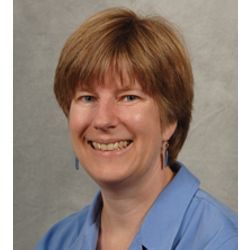
Dr. Ellen Zegura
Professor and Chair School of Computer Science
College of Computing, Georgia Tech
Light refreshments will follow both the Panel Discussion and the Computer Science and Information Systems Joint Colloquium. A reception will follow the CRA-W Distinguished Lecture.
Click HERE to download the event flyer.
]]>
On Monday, April 16, a panel discussion, colloquium, and lecture make up this year's three-part CRA-W Distinguished Lecture Series. Sponsored by the Committee on the Status of Women in Computing...
http://www.csee.umbc.edu/2012/04/cra-w-distinguished-lecture-series-416/
https://beta.my.umbc.edu/api/v0/pixel/news/13496/guest@my.umbc.edu/87617e7a9b2aa4e6ae055530e110b407/api/pixel
news
talks
Computer Science and Electrical Engineering
https://beta.my.umbc.edu/groups/csee
https://assets3-beta.my.umbc.edu/system/shared/avatars/groups/000/000/099/d117dca133c64bf78a4b7696dd007189/xsmall.png?1314043393
https://assets1-beta.my.umbc.edu/system/shared/avatars/groups/000/000/099/d117dca133c64bf78a4b7696dd007189/original.png?1314043393
https://assets1-beta.my.umbc.edu/system/shared/avatars/groups/000/000/099/d117dca133c64bf78a4b7696dd007189/xxlarge.png?1314043393
https://assets4-beta.my.umbc.edu/system/shared/avatars/groups/000/000/099/d117dca133c64bf78a4b7696dd007189/xlarge.png?1314043393
https://assets3-beta.my.umbc.edu/system/shared/avatars/groups/000/000/099/d117dca133c64bf78a4b7696dd007189/large.png?1314043393
https://assets1-beta.my.umbc.edu/system/shared/avatars/groups/000/000/099/d117dca133c64bf78a4b7696dd007189/medium.png?1314043393
https://assets2-beta.my.umbc.edu/system/shared/avatars/groups/000/000/099/d117dca133c64bf78a4b7696dd007189/small.png?1314043393
https://assets3-beta.my.umbc.edu/system/shared/avatars/groups/000/000/099/d117dca133c64bf78a4b7696dd007189/xsmall.png?1314043393
https://assets3-beta.my.umbc.edu/system/shared/avatars/groups/000/000/099/d117dca133c64bf78a4b7696dd007189/xxsmall.png?1314043393
Computer Science and Electrical Engineering
2
0
true
Thu, 05 Apr 2012 11:53:31 -0400
Sat, 14 Apr 2012 03:53:31 -0400
talk: Ram Sriram on Cyber-Physical Social Systems April 6

Cyber-Physical Social Systems: Research Challenges
Ram D. Sriram
Chief, Software and Systems Division
Information Technology Laboratory
National Institute of Standards and Technology
1:00pm 6 April 2012, ITE 325 227 UMBC
We are witnessing a new revolution in computing and communication. The Internet, which has spanned several networks in a wide variety of domains, is having a significant impact on every aspect of our lives. The next generation of networks will utilize a wide variety of resources with significant sensing capabilities. Such networks will extend beyond physically linked computers to include multimodal information from biological, cognitive, semantic, and social networks. This paradigm shift will involve symbiotic networks of people (social networks), intelligent devices, and mobile personal computing and communication devices (mPCDs), that will form net-centric societies (NCS) or cyber-physical social systems (CPSS). mPCDs are already equipped with myriad sensors, with regular updates of additional sensing capabilities. Additionally, we are witnessing the emergence of “intelligent devices,” such as smart meters, smart cars, etc., with considerable sensing and networking capabilities. Hence, these devices – and the network — will be constantly sensing, monitoring, and interpreting the environment; this is sometimes referred to as the Internet of Things (IOT). The symbiosis of IOT and social networks will have significant implications for both the market for advanced computing and communication infrastructure and the future markets – for nearly 4.5 billion people — that CPSS will create. In this seminar, I will provide an overview of the Software and Systems Division at NIST, followed by a discussion of research challenges for CPSS with a specific focus on smart healthcare.
Dr. Ram D. Sriram is currently the chief of the Software and Systems Division, Information Technology Laboratory, at the National Institute of Standards and Technology. Before joining the Software and Systems Division, Sriram was the leader of the Design and Process group in the Manufacturing Systems Integration Division, Manufacturing Engineering Laboratory, where he conducted research on standards for interoperability of computer-aided design systems. He was also the manager of the Sustainable Manufacturing Program. Prior to joining NIST, he was on the engineering faculty (1986-1994) at the Massachusetts Institute of Technology (MIT) and was instrumental in setting up the Intelligent Engineering Systems Laboratory. Sriram has co-authored or authored nearly 250 publications, including several books. Sriram was a founding co-editor of the International Journal for AI in Engineering. In 1989, he was awarded a Presidential Young Investigator Award from the National Science Foundation. In 2011, Sriram received the ASME Design Automation Award for his work on computer-supported collaborative design. Sriram is a Fellow of ASME and AAAS, a member (life) of ACM, a Senior Member of the IEEE, and a member (life) of AAAI. Sriram has a B.Tech. from IIT, Madras, India, and an M.S. and a Ph.D. from Carnegie Mellon University, Pittsburgh, USA.
Host: Yelena Yesha
]]>
Cyber-Physical Social Systems: Research Challenges Ram D. Sriram Chief, Software and Systems Division Information Technology Laboratory National Institute of Standards and Technology...
http://www.csee.umbc.edu/2012/04/talk-ram-sriram-on-cyber-physical-social-systems-april-6/
https://beta.my.umbc.edu/api/v0/pixel/news/13502/guest@my.umbc.edu/e24a9decf48f90fbaddc115f0b8983cd/api/pixel
news
research
talks
Computer Science and Electrical Engineering
https://beta.my.umbc.edu/groups/csee
https://assets3-beta.my.umbc.edu/system/shared/avatars/groups/000/000/099/d117dca133c64bf78a4b7696dd007189/xsmall.png?1314043393
https://assets1-beta.my.umbc.edu/system/shared/avatars/groups/000/000/099/d117dca133c64bf78a4b7696dd007189/original.png?1314043393
https://assets1-beta.my.umbc.edu/system/shared/avatars/groups/000/000/099/d117dca133c64bf78a4b7696dd007189/xxlarge.png?1314043393
https://assets4-beta.my.umbc.edu/system/shared/avatars/groups/000/000/099/d117dca133c64bf78a4b7696dd007189/xlarge.png?1314043393
https://assets3-beta.my.umbc.edu/system/shared/avatars/groups/000/000/099/d117dca133c64bf78a4b7696dd007189/large.png?1314043393
https://assets1-beta.my.umbc.edu/system/shared/avatars/groups/000/000/099/d117dca133c64bf78a4b7696dd007189/medium.png?1314043393
https://assets2-beta.my.umbc.edu/system/shared/avatars/groups/000/000/099/d117dca133c64bf78a4b7696dd007189/small.png?1314043393
https://assets3-beta.my.umbc.edu/system/shared/avatars/groups/000/000/099/d117dca133c64bf78a4b7696dd007189/xsmall.png?1314043393
https://assets3-beta.my.umbc.edu/system/shared/avatars/groups/000/000/099/d117dca133c64bf78a4b7696dd007189/xxsmall.png?1314043393
Computer Science and Electrical Engineering
1
0
true
Thu, 05 Apr 2012 00:40:50 -0400
Thu, 05 Apr 2012 00:01:50 -0400